THERAPIES AT ARISTA RECOVERY
Sand Tray Therapy for Addiction Recovery
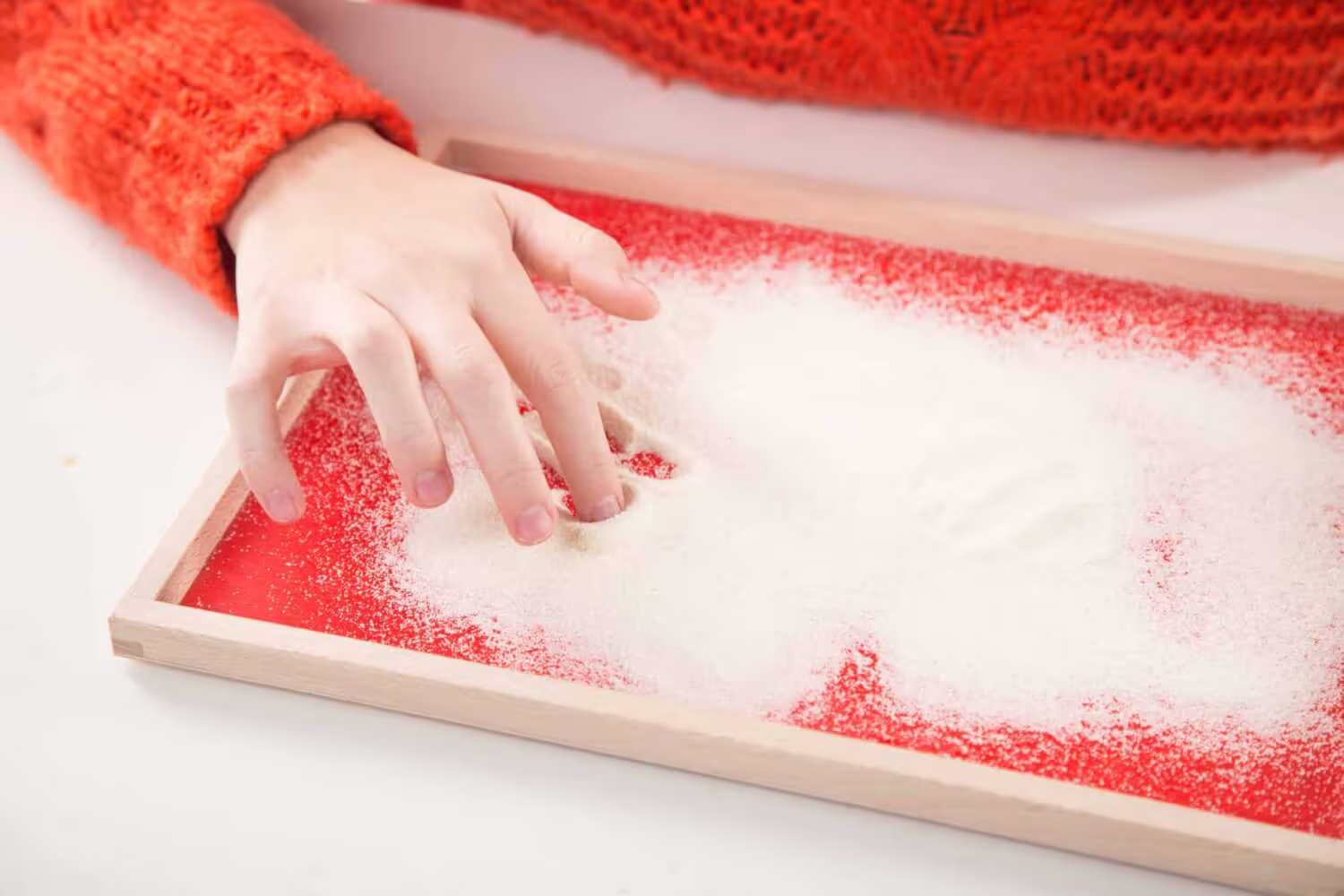
Sand tray therapy gives clients a hands-on way to explore emotions, experiences, relationships, and recovery themes that may be difficult to put into words. Using a tray of sand and small figures or objects, a client can create a scene that represents feelings, memories, conflict, safety, loss, or change. The therapist then helps the client reflect on meaning at a manageable pace.
In addiction recovery, sand tray therapy may be useful when substance use is connected to trauma, grief, shame, family pain, or emotional avoidance. It is not a stand-alone cure for addiction or mental health symptoms. It is a supportive, expressive therapy that may be used within a broader treatment plan when clinically appropriate.



Sand Tray Therapy
Sand Tray Therapy at a Glance
- Therapy type: Expressive, symbolic, and hands-on therapy using sand and selected objects or figures.
- May support: Emotional expression, trauma-informed processing, self-awareness, communication, and reflection.
- Session format: Often individual, but concepts may inform family or group work when clinically appropriate.
- Clinical role: Sand tray therapy supports treatment goals and should be facilitated by a trained professional.
- Availability: Use depends on location, clinician training, program fit, and client readiness.
- Important boundary: Evidence is developing, and sand tray therapy should be framed as adjunctive rather than curative.
What Sand Tray Therapy Is
Sand tray therapy uses symbolic expression instead of relying only on direct verbal discussion. A client may choose miniature figures, objects, animals, structures, or natural items and place them in a tray of sand. The arrangement may represent an emotion, relationship, memory, internal conflict, recovery goal, or sense of safety.
The therapist does not simply interpret the scene for the client. Instead, the therapist may ask careful questions, invite reflection, and help the client connect the image to lived experience. This makes sand tray therapy different from an art project or a casual activity. It is structured therapeutic work that should be guided with sensitivity.
A peer-reviewed overview of sandplay therapy applications and evidence base discusses sand-based approaches across age groups and clinical uses. For addiction recovery, the strongest use case is often as an expressive adjunct when emotions, trauma, or relationship patterns are hard to discuss directly.



Why Sand Tray Therapy May Support Recovery
Many people enter recovery with experiences they have avoided for years. Talking about those experiences may feel too direct at first. Sand tray therapy can create distance between the person and the subject. Instead of saying everything plainly, a client may build a scene that shows isolation, fear, anger, hope, conflict, or protection.
That symbolic distance may help some clients stay present while exploring difficult material. A systematic review on sandtray and sandplay therapy in trauma treatment supports the connection between sand-based work and trauma-focused care, though much of the literature focuses on children and adolescents. Adult addiction treatment should therefore use cautious, individualized framing.
Sand tray therapy may also complement trauma therapy when clients need a slower entry point into emotional processing. It may help reveal themes around control, safety, family roles, grief, shame, relapse, or feeling trapped without requiring immediate detailed disclosure.
What a Sand Tray Therapy Session May Include
A sand tray session usually begins with an explanation of the process and boundaries. The therapist may invite the client to create a scene related to a feeling, a life pattern, a recovery goal, or a current challenge. The client chooses objects and places them in the sand. There is no right or wrong arrangement.
After the scene is complete, the therapist may ask what the client notices first, what each object represents, where the client sees safety or conflict, and what might change if the scene moved toward healing. The client controls how much they share. For some people, the image may speak before words are available.
Sand tray therapy may overlap with art therapy because both use creative expression. It may also fit within
Sand tray therapy often works alongside trauma therapy, art therapy, experiential therapy, family therapy, and group work. The family program may be relevant when relationship patterns, communication, or loved-one involvement are part of the recovery picture.
A professional association article on sandplay therapy as an evidence-based treatment and a recent
At Arista Recovery, sand tray therapy may be used when expressive work supports the client’s care plan. It can be especially relevant when addiction recovery intersects with trauma, grief, family conflict, or emotional shutdown. The therapist may use sand tray work to help clients identify patterns that later inform relapse-prevention planning, individual therapy, or family work.
Sand tray therapy may also be incorporated into inpatient mental health treatment when clinically appropriate and available. The goal is not to force disclosure. The goal is to offer another route into understanding, regulation, and recovery skill-building.
Who May Benefit From Sand Tray Therapy
Sand tray therapy may help clients who struggle to verbalize emotions, feel overwhelmed by direct conversation, or need a safer way to explore trauma-related themes. It may also be useful for people working through shame, grief, relationship conflict, family roles, emotional numbness, or difficulty connecting substance use with deeper pain.
A meta-analysis on creative arts therapy for PTSD provides broader support for expressive therapies in trauma-related care. Sand tray therapy should still be matched carefully to the person. It may not be appropriate during intoxication, acute withdrawal, severe instability, or immediate crisis.
Some people may prefer a more direct approach, such as CBT or DBT. Others may need medical stabilization or inpatient care first. A mental health assessment quiz can help organize concerns, but treatment recommendations should come from a clinical assessment.
Where Sand Tray Therapy May Be Offered
Sand tray therapy availability depends on clinician training, program setting, client needs, and location. Admissions can confirm whether sand tray therapy is currently offered and whether it fits within the recommended level of care.
If sand tray therapy is not available or not clinically appropriate, Arista may use other expressive, experiential, or trauma-informed supports. A research-indexed review on sandtray and sandplay in trauma treatment can provide additional context, but the best treatment plan depends on assessment and safety needs.
The work can also support relapse-prevention planning. A client might build a scene that shows pressure from old relationships, the pull of isolation, or the need for safer supports. From there, the therapist can help translate the image into concrete next steps: who to call, what boundary to set, what warning sign to watch for, or what coping skill to practice before stress escalates.
Sand tray therapy should be paced with care because symbolic work can bring up powerful material. A scene that appears simple may carry meaning about grief, trauma, family roles, safety, or loss. The therapist’s role is to help the client stay grounded and curious, rather than push them into an interpretation too quickly. This is especially important when addiction has been used to avoid painful emotions.
Sand tray work may be especially helpful when words become too intellectual or too defended. A person may explain their recovery logically but still feel stuck emotionally. Symbolic work can bring attention to the part of the experience that has not yet been named, giving the therapist and client another way to understand what support is needed next.
For some clients, sand tray therapy may also reduce the pressure to tell a story in order. Addiction, trauma, and grief do not always feel organized. A tray can hold several parts of the experience at once: fear, anger, protection, distance, hope, and confusion. The therapist can then help the client notice connections without forcing a single explanation.
Because sand tray therapy can bring hidden themes into view, clinicians should pay attention to pacing and consent. A client may need grounding before and after the work, especially if the scene touches on trauma, loss, or family conflict. The process should support safety, not overwhelm.
For addiction recovery, that kind of pacing can be important. Some clients have learned to move quickly past pain or explain it away. Sand tray work can slow the process enough for emotions, images, and choices to become easier to understand.
Sand Tray Therapy
Ask Whether Sand Tray Therapy Fits Your Recovery Needs
Sand tray therapy may help some clients explore emotions and recovery patterns in a safer, more symbolic way. Contact Arista Recovery to discuss your goals, symptoms, substance use history, program options, and whether this therapy may be available as part of care.
OUR LOCATIONS
Visit One of Our Trusted Locations
Access expert care and compassionate support at our accredited recovery centers across the Midwest. Each location offers a safe, welcoming space where lasting healing and growth begin.







Inside Our Detox Program
See How Healing Begins
“Arista’s newest location is a true pillar of the Paola community. The workers care deeply about their patients and are providing so many people with new beginnings. It's amazing to see the progress in people’s recovery journeys.”

“A few people in my AA group went to Arista Recovery and they only had nice things to say about it. When I went through a short relapse I followed their advice and went there to get my head straight, and I’m so glad I did. Getting help at Arista is what stopped my mistake from defining my life again.

“Going to Arista Recovery was the best decision I’ve ever made. The counselors helped me grow in my recovery journey, from someone who was shy and uncomfortable sharing my feelings to a leader in meetings who now understands the reasons for my struggles and how to move past them.”

OUR APPROACH
Our Unique Therapies
Explore our innovative approach to addiction treatment at Arista Recovery. From evidence-based therapies to holistic and experiential methods, we offer an immersive experience that works to treat the root causes of substance abuse.
.webp)

FAQs
Sand Tray Therapy FAQs
No. Sand tray therapy is often associated with child therapy, but adults may also use symbolic work when it fits the treatment plan and clinician training.
No. The therapist may invite reflection, but the client does not have to explain more than they are ready to discuss.
It may support trauma-informed work by giving clients a symbolic way to explore difficult themes. Trauma treatment should still be guided by a trained professional.
The evidence base is developing and varies by population and condition. View it as an adjunctive expressive therapy, not a stand-alone treatment.
No. It may be offered when available and clinically appropriate, but many clients use other therapy approaches instead.