.webp)

Quitting alcohol can feel like a personal decision before it feels like a medical one. Many people search for natural ways to stop drinking because they want privacy, control, and practical steps they can begin at home. Natural support can play a real role in recovery, especially when it involves nutrition, sleep, exercise, mindfulness, honest goal setting, and a stronger support system. Still, natural does not always mean safe to do alone. For someone who drinks heavily, drinks daily, has tried to stop before and experienced withdrawal, or has a history of seizures, confusion, hallucinations, or severe anxiety when cutting back, medical guidance is essential.
This guide explains how to stop drinking naturally while keeping safety first. The goal is not to suggest that herbs, supplements, or willpower can replace treatment. Instead, it is to show how healthy lifestyle changes can support recovery while also helping readers recognize when they may need medical detox, therapy, or structured Alcohol Addiction Treatment. Alcohol use disorder is a medical condition, not a lack of discipline, and evidence-based support is available for people who want to stop or reduce drinking (National Institute on Alcohol Abuse and Alcoholism [NIAAA], n.d.-a).
Understanding Alcohol Dependence Before You Try to Stop Drinking
Before you choose a plan to stop drinking, it helps to understand whether alcohol has become more than a habit. Alcohol use disorder, or AUD, involves difficulty stopping or controlling alcohol use even when drinking causes health, relationship, work, legal, or emotional consequences. The signs can look different from person to person. Some people drink every day, while others binge on weekends or lose control once they start. Some people function at work but feel anxious, sick, ashamed, or unable to sleep without alcohol.
Common warning signs include drinking more than intended, wanting to cut back but being unable to, craving alcohol, spending a lot of time drinking or recovering from drinking, giving up activities because of alcohol, continuing to drink despite harm, developing tolerance, or experiencing withdrawal symptoms when alcohol wears off. NIAAA notes that health care providers diagnose AUD based on the number and severity of symptoms, and the more symptoms someone has, the more urgent it becomes to seek guidance (NIAAA, n.d.-a).
A natural recovery plan should begin with honesty. Ask yourself whether you drink to manage stress, panic, sadness, boredom, trauma memories, physical discomfort, or social situations. Also ask whether your drinking has affected trust, finances, sleep, responsibilities, or health. If alcohol use feels tied to depression, anxiety, trauma, or mood instability, dual diagnosis treatment may be important because alcohol and mental health symptoms often reinforce each other.
Can You Stop Drinking Naturally and Safely?
Some people can reduce alcohol use with lifestyle changes, counseling, support groups, and healthier routines. Others need medical oversight before they stop. The difference depends on drinking patterns, withdrawal history, medical conditions, mental health symptoms, medications, and the level of support available at home.
If you drink lightly or occasionally, natural strategies may help you build healthier habits. If you drink heavily or have used alcohol for a long time, stopping suddenly can trigger withdrawal. Alcohol withdrawal may include sweating, nausea, shakiness, trouble sleeping, anxiety, irritability, rapid heart rate, high blood pressure, hallucinations, seizures, or delirium tremens. NIAAA warns that withdrawal can be painful and potentially life-threatening for people who have been drinking heavily over a long period, and medical help can make the process safer and less distressing (NIAAA, n.d.-a). Clinical guidance on alcohol withdrawal also emphasizes screening for risk, monitoring symptoms, and treating complications when needed (University of Michigan Medicine, 2024).
That is why a safe plan matters. Natural strategies can support the body and mind, but they should not replace detox when withdrawal risk is present. Reach out to a health care provider or Admissions if you have withdrawal symptoms, drink daily, use alcohol with benzodiazepines or other substances, have a seizure history, or feel unable to stop safely.
Why Quitting Alcohol Cold Turkey Can Be Dangerous
“Cold turkey” means stopping all at once without a taper, medical plan, or clinical monitoring. For alcohol, this can be risky. Unlike withdrawal from some substances, which is mainly uncomfortable, alcohol withdrawal can become medically serious. Mild symptoms may include headache, sweating, nausea, insomnia, restlessness, and tremors. More severe symptoms can involve hallucinations, seizures, confusion, fever, agitation, and delirium tremens. These symptoms are not signs of weakness. They are signs that the nervous system is reacting to the sudden absence of alcohol after adapting to its presence.
People are often tempted to quit abruptly because they feel motivated after a difficult night, an argument, a health scare, or a promise to a loved one. Motivation is valuable, but safety has to come first. If someone has been drinking heavily, the first step may be a professional assessment rather than an immediate attempt to stop at home. A supervised Medical Detox program can help manage withdrawal symptoms, monitor vital signs, provide medication when clinically appropriate, and connect the person to the next level of care.
Warning signs that require urgent medical attention include confusion, seizures, chest pain, fainting, severe dehydration, persistent vomiting, hallucinations, extreme agitation, or thoughts of self-harm. If those symptoms appear, seek emergency help immediately. Natural recovery should never mean ignoring symptoms that require medical care.
Natural Ways to Support Alcohol Recovery
Natural recovery support works best when it is realistic, consistent, and paired with honest self-monitoring. The goal is to create an environment where alcohol becomes less central and healthier coping skills become easier to repeat. These tools can help reduce stress and improve stability, but they are not cures for alcohol use disorder.
Start by removing or reducing easy access to alcohol when possible. For some people, that means clearing alcohol from the home. For others, it means avoiding certain stores, routes, social settings, or rituals that usually lead to drinking. Replace the drinking routine with another repeated action: making tea, taking a walk, calling someone, showering, journaling, or eating a real meal.
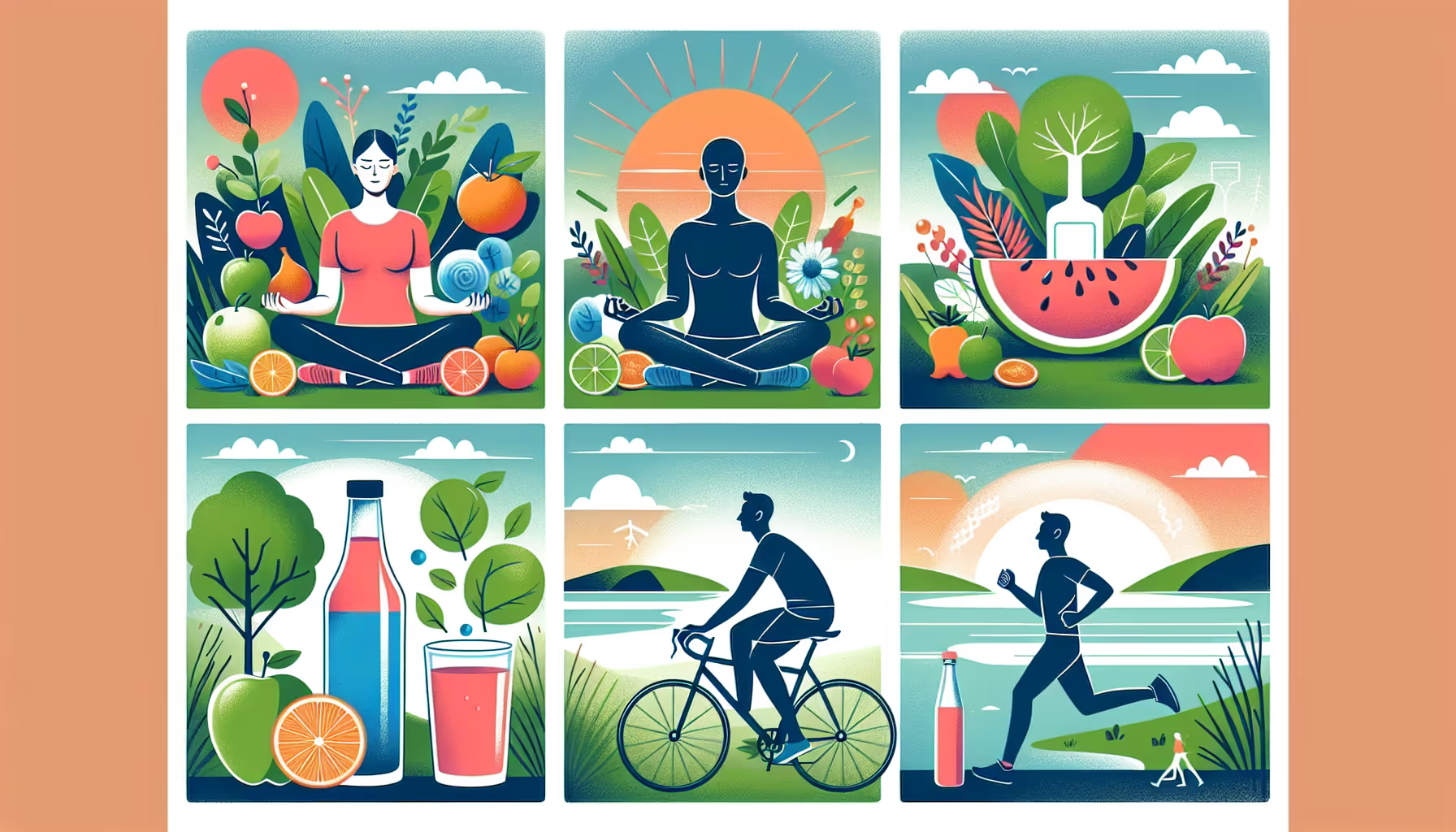
Movement can also help. Exercise does not have to be intense. Walking, stretching, yoga, strength training, or light activity can support sleep, mood, and stress tolerance. Mind-body practices may help people notice cravings without immediately reacting. The National Center for Complementary and Integrative Health explains that meditation and mindfulness practices generally involve focusing attention and increasing present-moment awareness, though health claims should be made carefully because research quality varies by condition and method (National Center for Complementary and Integrative Health [NCCIH], n.d.).
Use natural tools as part of a broader recovery plan. If cravings remain intense, if you keep returning to alcohol after trying to stop, or if withdrawal symptoms appear, it may be time to consider professional care.
Nutrition and Hydration When You Stop Drinking
Alcohol can interfere with appetite, sleep, hydration, energy, and nutrient intake. Many people who drink heavily skip meals, rely on processed foods, or eat inconsistently. When they stop drinking, blood sugar changes, stomach upset, low energy, and mood swings can make recovery feel harder. A simple nutrition plan can help stabilize the day.
Focus on regular meals with protein, complex carbohydrates, fruits, vegetables, and healthy fats. Drink water throughout the day, and consider electrolyte support if you have been sweating, vomiting, or eating poorly, but speak with a clinician if symptoms are severe. Try not to replace alcohol with large amounts of sugar or caffeine, since both can affect anxiety, sleep, and cravings. If nausea or loss of appetite makes eating difficult, small meals may be easier than large ones.
Be careful with supplement claims. Some articles promote herbs or vitamins as ways to stop drinking naturally, but supplements can interact with medications, affect liver function, or create false confidence. During medically managed alcohol withdrawal, clinicians may provide thiamine, folate, or multivitamins based on individual needs, but that is different from self-prescribing supplements at home (University of Michigan Medicine, 2024). If you are interested in vitamins, herbs, or amino acids, discuss them with a provider, especially if you have liver disease, take psychiatric medication, or are trying to detox.
How Mindfulness and Meditation May Help With Cravings
Cravings can feel urgent, but they usually rise, peak, and fade. Mindfulness can help you notice that process without automatically reaching for alcohol. A simple practice is to pause, breathe slowly, name what is happening, and ask, “What do I need right now?” Sometimes the answer is food, rest, connection, movement, or leaving a triggering environment.
Urge surfing is one helpful approach. Instead of fighting the craving or judging yourself for having it, you observe the craving like a wave. Notice where it shows up in the body, how strong it feels, and whether it changes after a few minutes. Pair this with grounding: name five things you see, four things you feel, three things you hear, two things you smell, and one thing you taste. Journaling can also help you identify patterns: time of day, mood, people, places, physical symptoms, or thoughts that tend to come before drinking.
Mindfulness is not always comfortable. For people with trauma histories, silence or body-focused exercises can bring up distress. In those cases, guided support through Trauma Therapy, CBT, or DBT may be safer and more effective than trying to manage intense symptoms alone.
Lifestyle Changes That Make Quitting Alcohol More Sustainable
Stopping drinking is easier to maintain when your daily life supports the change. Start with goals that are clear and honest. Some people aim for abstinence right away, especially if alcohol has caused major consequences or withdrawal symptoms. Others begin by talking with a professional about the safest next step. Whatever the goal, write it down and identify the situations most likely to challenge it.
Build structure into the parts of the day when drinking usually happens. If evenings are difficult, plan dinner, a walk, a shower, a call, and a relaxing activity before cravings start. If weekends are risky, schedule alcohol-free plans in advance. If stress leads to drinking, add coping skills before the stress becomes unmanageable. NIAAA describes behavioral treatments as helping people build skills to stop or reduce drinking, strengthen social support, set reachable goals, and cope with triggers that might lead back to alcohol (NIAAA, n.d.-a).
Tracking can be powerful. Keep a simple log of cravings, mood, sleep, meals, stress, and alcohol-free days. Look for patterns without shame. The goal is not perfection. The goal is information. If the same pattern repeats, adjust the plan or increase support through outpatient treatment, an intensive outpatient program, or another level of care.
Building a Support System When You Quit Drinking
Trying to quit in isolation can make cravings, shame, and stress feel louder. Support gives you accountability and connection. This may include trusted friends, family members, therapists, peer support groups, sponsors, recovery coaches, or treatment providers. Choose people who can be honest without being harsh, supportive without enabling, and consistent without trying to control you.
Tell your support system what you need. You might ask someone to check in at a specific time, avoid offering alcohol, attend a family session, help you leave a high-risk event, or listen without giving advice. If loved ones are involved, family programming can help everyone understand boundaries, communication, and recovery support.
If you are not sure where to begin, SAMHSA’s National Helpline offers confidential, 24/7 treatment referral and information support for people and families facing mental health or substance use concerns (Substance Abuse and Mental Health Services Administration [SAMHSA], n.d.). Peer support can also be a helpful layer of care. NIAAA notes that mutual-support groups may support people who are quitting or cutting back, especially when combined with treatment led by health care providers (NIAAA, n.d.-a).
When Natural Strategies Are Not Enough
Natural strategies may help you start, but they are not enough for everyone. Consider professional support if you have withdrawal symptoms, drink daily or heavily, cannot cut back despite repeated attempts, hide alcohol use, feel intense cravings, drink despite health or relationship consequences, or use alcohol to manage depression, anxiety, trauma, or suicidal thoughts. You may also need more help if your home environment is unsafe, if your social life centers around alcohol, or if you return to drinking after short periods of sobriety.
Treatment is not one-size-fits-all. Some people need a medical detox first. Others may benefit from Residential Inpatient Treatment, a Partial Hospitalization Program, an Intensive Outpatient Program, or ongoing therapy. Medication may also be appropriate for some people. NIAAA identifies three FDA-approved medications for AUD: naltrexone, acamprosate, and disulfiram, and notes that they may be used alone or with counseling (NIAAA, n.d.-a). Arista also offers Medication-Assisted Treatment when clinically appropriate.
Seeking treatment does not mean you failed to stop naturally. It means you are choosing a safer and more supported path.
Frequently Asked Questions
Can I stop drinking naturally without rehab?
Some people can reduce or stop drinking with lifestyle changes, therapy, peer support, and strong accountability. Others need medical detox or structured treatment, especially if they drink heavily, experience withdrawal, or have tried to stop before and could not maintain it.
Is it safe to quit alcohol cold turkey?
Not always. Alcohol withdrawal can be dangerous for people who drink heavily or have used alcohol for a long time. Seek medical guidance before stopping if you have withdrawal symptoms, a seizure history, hallucinations, confusion, or severe anxiety when alcohol wears off.
What helps alcohol cravings naturally?
Helpful tools may include eating regularly, staying hydrated, exercising, sleeping consistently, journaling, practicing mindfulness, calling a support person, leaving triggering environments, and planning alcohol-free routines.
Can meditation help with alcohol cravings?
Meditation may help some people pause, observe cravings, and respond more intentionally. It is best used as a coping skill alongside therapy, support, and medical care when needed.
When should I consider alcohol detox?
Consider detox if you drink daily or heavily, have withdrawal symptoms, use alcohol with other substances, have a history of seizures or delirium tremens, or feel unsafe stopping at home.
Get Support for Quitting Alcohol Safely
Natural strategies can support recovery, but you do not have to figure out the safest path alone. Arista Recovery offers alcohol treatment options that may include detox, therapy, medication support, dual diagnosis care, and ongoing recovery planning. If you are unsure whether you need treatment or simply need guidance on the next step, contact Arista Recovery to speak with someone confidentially.