.webp)


Key Takeaways
- Early Recognition Saves Lives: Understanding the 5 stages of addiction—experimentation, regular use, risky use, dependence, and addiction—enables timely intervention before physical dependency develops, with research showing significantly better outcomes when support begins in earlier stages.
- Assessment Tools Guide Decisions: Structured self-evaluation and professional screening help identify current stage and appropriate treatment intensity, from outpatient counseling for early stages to intensive residential care for advanced dependency.
- Integrated Care Improves Success: Evidence-based programs that address both substance use and co-occurring mental health conditions through coordinated medical, psychological, and social support consistently achieve lower relapse rates and stronger community reintegration.
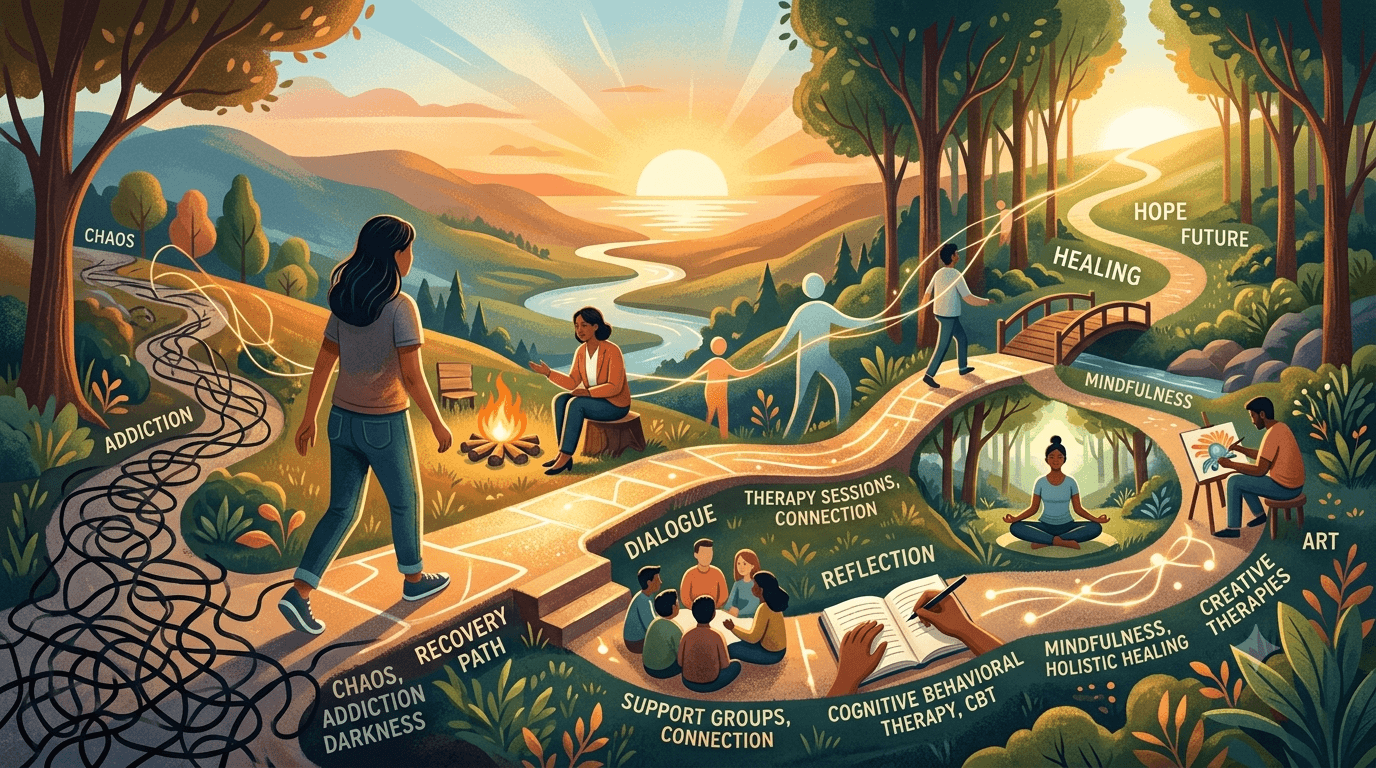
- Recovery is a Chronic Care Process: Like other chronic conditions, addiction recovery requires ongoing support, realistic timelines (often 12-18 months for structured treatment), and adaptive strategies that evolve as needs change over time.
- Family Involvement Strengthens Outcomes: Well-prepared families who understand addiction as a medical condition, set appropriate boundaries, and participate in evidence-based support programs significantly improve recovery success and relationship health.
Understanding the Five Stages of Addiction
Many individuals and families watch substance use unfold in a way that feels confusing or overwhelming. The 5 stages of addiction offer a clear, evidence-based framework to help people catch early warning signs and understand what's happening—long before dependence or crisis develops.
These stages include experimentation, regular use, risky use or misuse, dependence, and addiction itself, each recognized by distinct behaviors and risks that mental health professionals use for assessment and tailored treatment strategies. For example, approximately 80% of individuals in the justice system struggle with substance use, showing just how widespread this progression can be3.
Recognizing where someone stands along this continuum opens the door to well-timed support, family communication, and more hopeful recovery planning.
Experimentation: The Onset of Risk Behaviors
Experimentation is the first stage in the 5 stages of addiction—when someone chooses to try a substance, usually out of curiosity, peer pressure, or social circumstances. At this point, use tends to be irregular and still feels controllable, with no immediate signs of lasting consequence.
Daily responsibilities remain mostly intact and substance use is often seen as recreational. Those with a family history of substance use disorders, social exposure, mental health stressors, or high-stress environments face greater risk7. Many progress no further, but certain patterns signal progression is possible.
Recognizing Early Signs and Influences
Early indicators in the experimentation phase are often hard to spot, but they matter significantly. Shifts in peer groups, secrecy around daily routines, and choosing activities where substance use is present often emerge first.
Practitioners see subtle changes, such as:
- Sudden mood swings or irritability
- Struggling to meet responsibilities
- New patterns of avoiding family time
- Increased interest in substance-related activities
Environmental factors—like increased access to substances, permissive attitudes, or stressful home situations—can set the stage for risk. According to SAMHSA, catching these early changes and responding with open conversation and support can raise the chances of successful intervention while the person still has strong decision-making ability7.
Diagnostic Questions: Personal Risk Assessment
During the experimentation phase, honest self-reflection is vital. Individuals should regularly ask themselves questions grounded in real scenarios:
"Am I starting to think about substances when I'm anxious or under stress? Has my use increased, or do I justify using more often than before?"
Trusted recovery programs stress that catching emerging patterns—such as social isolation, secrecy, or feeling compelled to hide use—gives the best chance for early support7. If these familiar signs appear, it's wise to assess personal boundaries and consult a professional familiar with substance misuse and prevention.
How Experimentation Progresses to Regular Use
Shifting from experimentation to regular use is a gradual process frequently overlooked in the early stages. Clinically, this shift is marked by developing tolerance—needing more substance to achieve previous effects—and by the increasing role of habits, emotional triggers, and social environments.
Individuals often find themselves using substances to cope with negative emotions or to fit in during stressful or routine situations. People with mental health challenges or greater social exposure to substance use are especially vulnerable to this transition, as inadequate coping skills and repeated exposure can turn recreational use into anticipated consumption patterns7.
Regular Use: Patterns and Predictors
As regular use takes hold in the 5 stages of addiction, substance use starts to blend into routines: weekends, social gatherings, or after work. Patterns become identifiable—using at specific times or to manage certain moods.
Many maintain daily obligations at this stage, so changes can be faint. Early recognition is key; research shows that intervening during this phase can help prevent escalation and support sustainable recovery7.
Routine habits, growing tolerance, and reliance on substances for managing stress signal it's time to pay closer attention to use patterns and their impact on daily life.
Self-Assessment: Identifying Subtle Dependencies
Individuals in the regular use stage often struggle to distinguish occasional enjoyment from growing dependency. Essential warning signs include:
| Warning Sign | Description | Impact Level |
|---|---|---|
| Default Response | Substance use becomes automatic response to stress | Moderate |
| Social Planning | Events center around substance availability | Moderate |
| Preoccupation | Thoughts drift toward next opportunity | High |
| Financial Changes | Funds redirected to substance purchases | High |
Recognizing these subtle but persistent patterns can be challenging; honest self-inventory and awareness of how these behaviors begin to replace past interests and priorities allow families and professionals to intervene before physical tolerance or withdrawal develop. Early intervention at this stage has shown success in preventing advancement to more dangerous stages of substance use7.
Decision Framework: Evaluating Frequency and Impact
A structured approach is essential for evaluating whether habitual substance use requires action. Begin by documenting each instance—note the time, setting, and driving emotion behind use for at least two weeks.
Then, assess real-life impacts in these areas:
- Job or school performance
- Relationship strain or distance
- Physical or mental health shifts (sleep, stress, or mood)
- Financial or social disruptions linked to substance needs
Use these findings to compare your functioning now to before these routines began. Many professionals rely on standardized screening tools that factor in frequency and life disruption to guide next steps7.
Honest tracking often clarifies if substance use has subtly started to steer priorities, signaling the need for outside support. This method suits those wanting clarity on whether patterns still reflect choice, or if they've begun shading into dependency and routine self-medication.
Signs It's Time to Seek Support
Recognizing when regular use requires professional help can be challenging. Patterns that raise red flags include:
- Persistent health changes (disrupted sleep or appetite)
- Ongoing relationship tension
- Notable decline in work or school performance tied to substance use
- Routines, mood, or finances shifting to accommodate substances
- Loved ones expressing growing concern
Research confirms that support at this stage, even if daily life seems manageable, can stop the slide toward dependency and make recovery far more achievable7. Trust those early gut instincts, and consider reaching out for a specialized assessment before patterns grow entrenched.
Risky Use and Abuse: Red Flags and Consequences
In the 5 stages of addiction, risky use marks the point where substance involvement leads to visible and harmful consequences—yet control over use slips away. Individuals may notice serious setbacks at work, growing strain in personal relationships, or mounting legal and health issues, all clearly linked to substance misuse.
At this juncture, many want to cut back yet cannot sustain those changes, even when aware of the risks. What sets risky use apart from earlier patterns is not just frequency, but a growing inability to regulate behavior despite mounting evidence of harm.
Decades of practitioner experience and extensive research confirm that stepping in during this phase can halt progression to physical dependence and long-term illness, making timely, intensive intervention vital for those seeking stability and well-being2.
Spotting Functional Impairment and Loss of Control
Functional impairment during risky use is often unmistakable to treatment professionals, though families may feel blindsided. Telltale signs include:
- Missed deadlines and errors in judgment
- Frequent absences at work
- Breaking commitments with family and friends
- Prioritizing substance use over family events
- Becoming less reliable overall
As self-control deteriorates, substance use may creep into situations previously off-limits, like before important obligations. Practitioners observe that people often continue these behaviors even as consequences mount, with impaired decision-making leading to choices that risk legal trouble or physical well-being.
Recognizing and responding to these shifts—supported by research on early intervention—often interrupts the cycle before full dependence takes hold7.
Ethical Considerations: Privacy, Stigma, and Accurate Assessment
During the risky use stage, ethical dilemmas come to the forefront for professionals and families. Assessment must balance accuracy with respect for privacy and autonomy—especially as individuals may underreport or downplay issues due to shame or fear of repercussions.
Practitioners consistently encounter barriers such as stigma, which not only silences honest self-reporting but also discourages those in need from seeking help. Safeguarding client confidentiality remains a top priority; breaches can jeopardize employment, legal standing, and trust within family systems.
Compassionate, culturally sensitive evaluation—guided by adherence to confidentiality laws—gives individuals the security to be open about patterns of substance misuse. Current research shows that ethical, nonjudgmental assessment at this stage builds the trust required for effective early intervention and helps prevent escalation to physical dependence2.
Comparing Professional Criteria vs. Personal Judgement
When assessing risky use, practitioners rely on well-validated frameworks like the Diagnostic and Statistical Manual, using observable criteria such as:
| Professional Criteria | Personal Judgment Challenges | Combined Approach Benefits |
|---|---|---|
| Unsuccessful attempts to cut back | Rationalization and denial | Objective validation |
| Continued use despite harm | Selective focus on control areas | Comprehensive assessment |
| Clear disruptions in work/relationships | Minimizing consequences | Evidence-based clarity |
These clinical standards provide a level of objectivity that personal judgment often lacks, especially as individuals commonly rationalize or downplay substance abuse. Combining both approaches—pairing professional evaluation with honest self-examination—gives the clearest understanding of where someone stands.
Early, accurate identification with evidence-based criteria helps families intervene before physical dependency develops2. Using both perspectives ensures treatment plans are both relevant and respectful of personal autonomy.
Dependence and Addiction: The Turning Point
Reaching the dependence stage in the 5 stages of addiction signals a turning point where substance use transitions from habit to a medical concern requiring immediate professional intervention. People begin confronting loss of control, with tolerance and withdrawal symptoms confirming true physical and psychological dependence.
At this phase, brain chemistry has changed—making it extremely difficult to stop without medical and therapeutic support. Many individuals recognize the life-altering harm, yet repeated attempts to quit fail.
Research underscores that treatment during dependence is vital to slow progression, manage health risks, and give families new hope for recovery2.
Physical Dependence: Tolerance and Withdrawal Explained
Physical dependence marks a profound change in the journey through the 5 stages of addiction. Here, the body adapts to the ongoing presence of substances, making them necessary just to feel normal.
At this point, two core issues emerge:
- Tolerance—needing more of a substance to feel its effects
- Withdrawal—distinct symptoms when a person reduces or stops intake
These physical changes are not just habits; they represent significant shifts in brain chemistry and nervous system balance, as echoed by clinical evidence2. When these symptoms appear, outpatient support may no longer provide adequate safety, and supervised medical detoxification should be prioritized.
Understanding Withdrawal Symptoms & Risks
Withdrawal is a critical phase, and its symptoms are a signal that the body is struggling to regain balance after long-term substance exposure. Physical reactions differ but often include:
| Substance Type | Common Withdrawal Symptoms | Risk Level |
|---|---|---|
| Alcohol | Tremors, nausea, sweating | High (seizure risk) |
| Opioids | Muscle aches, insomnia, severe cravings | Moderate |
| Benzodiazepines | Seizures, heart problems | Very High |
In some cases—particularly with benzodiazepines—serious complications like seizures or heart problems may arise, demanding medical supervision. Experienced clinicians cannot emphasize enough: unmanaged withdrawal can pose significant health threats and should always be guided by professionals familiar with detox protocols and symptom risks2.
Self-Assessment: Are You Physically Dependent?
Assessing your place in the 5 stages of addiction—particularly during physical dependence—demands honest, practical self-observation. Start by noticing if you experience unpleasant physical symptoms when you miss a usual dose:
- Shakes, sweating, or nausea
- Needing more to get the same effect (tolerance)
- Withdrawal symptoms that drive continued use
- Failed attempts to cut back due to physical discomfort
Many experienced treatment professionals recommend tracking these patterns over several weeks. If attempts to cut back lead to withdrawal symptoms that drive continued use, this points to medical dependence, not just habit.
Recognizing these realities as they emerge creates vital opportunities for timely, potentially life-saving intervention2.
Medical Detox: Criteria and Decision Factors
Medical detox is not a one-size-fits-all solution; it's reserved for situations where withdrawal symptoms threaten health or repeated recovery attempts end in overwhelming discomfort. Clinicians weigh factors such as:
- Type and duration of substance use
- Previous withdrawal complications
- Co-existing mental health conditions
- Seizure history and medication interactions
Medical supervision becomes essential for dependencies involving alcohol, benzodiazepines, or certain prescription medications due to seizure and cardiac risks. This approach is appropriate if withdrawal disrupts daily life, safety, or mental health stability.
A thorough medical assessment—considering vital signs, seizure history, and medication interactions—helps determine if 24-hour monitoring and medication management are needed for a safe start to long-term recovery2.
Psychological Dependence and Compulsive Use
Psychological dependence is the point in the 5 stages of addiction where substance use takes center stage mentally and emotionally. Here, cravings are triggered not just by physical need but by routines, stress, or certain situations, often leading to highly compulsive use that feels beyond voluntary control.
Many individuals share that, at this phase, handling everyday life without the substance feels virtually impossible—even when physical withdrawal is not pronounced. What separates psychological dependence from earlier stages is a shift to automatic, ritualized behaviors, with substance use overriding sound decision-making and deeply held values.
Decades of clinical experience and research show real recovery at this point must address both core compulsions and any co-occurring mental health challenges2. Recognizing these drivers helps families and care teams determine when intensive, integrated treatment is truly necessary for lasting change.
Behavioral and Cognitive Patterns of Addiction
During the psychological dependence stage, people often find their routines shaped by automatic, repetitive substance-seeking—sometimes without realizing it. Common patterns include:
- Repeated rituals before use
- Planning daily events around access
- Losing interest in hobbies that once brought joy
- Cognitive distortions like rationalizing "just one time"
- Denying risks despite mounting evidence
Experienced clinicians frequently witness individuals convinced they still have control, even after personal priorities and healthy decision-making have faded. Programs that address both habitual actions and belief patterns can be especially effective in helping break this powerful cycle2.
Decision Framework: Dual Diagnosis and Complexity
When a person reaches psychological dependence, it's common to see mental health concerns—like depression, anxiety, or trauma—surfacing alongside substance use. Experienced clinicians know recovery is much more successful if both substance use disorder and co-occurring mental health conditions are addressed together, not separately.
Careful assessment determines whether symptoms:
- Started before substance use
- Developed during misuse
- Are part of withdrawal
Evidence-based treatment centers integrate psychiatric care, medication management, and counseling for both challenges at once, leading to far better long-term outcomes and fewer relapses2.
When to Consider Intensive Inpatient or Specialized Care
As psychological dependence deepens, certain realities make intensive or specialized care not just helpful, but essential. Consider higher-level care when:
- Multiple outpatient therapy attempts have failed
- Untreated behavioral health needs magnify cravings
- Safety is compromised by repeated crises
- Dangerous behaviors driven by substance urges escalate
- Financial or legal consequences grow out of control
This strategy suits situations where only 24-hour monitoring, integrated dual diagnosis expertise, and structured recovery environments can halt the spiral2. Families may also notice that despite honest attempts at change, the cycle continues to worsen.
In these circumstances, stepping up to residential or specialty programs creates the secure foundation vital for breaking entrenched addiction cycles.
Addiction as a Chronic Condition: Long-Term Realities
Addiction, recognized in the 5 stages of addiction, requires ongoing care that adapts as needs shift—much like other chronic illnesses. A cycle of progress and setbacks is normal on this path; repeated adjustments in therapy, social support, and relapse prevention are necessary.
Sustainable recovery demands strategies for maintaining wellness through daily structure, mental health support, and strong relationships. Drawing on chronic care models helps people build resilience, set realistic goals, and plan for the long haul—key elements proven by research to foster lasting wellness and stability2.
Implementation Pathways: Recovery Models and Approaches
Navigating the 5 stages of addiction calls for recovery models matched to each individual's unique reality. Evidence-based approaches include:
| Treatment Model | Best For | Key Features |
|---|---|---|
| Cognitive Behavioral Therapy (CBT) | Early recovery with insight/motivation | Coping tools, trigger management |
| Residential Therapeutic Communities | Advanced use with life disruptions | Intensive structure, peer accountability |
| Medication-Assisted Treatment | Opioid dependency, severe cravings | Medical support plus counseling |
| Integrated Dual Diagnosis | Co-occurring mental health issues | Coordinated psychiatric and addiction care |
Programs built with these layered, individualized strategies consistently achieve reduced relapse, stronger community ties, and measurable health improvements2.
Skill Building, Community Support, and Aftercare
Sustained recovery requires skills and strong community ties that are realistic and attainable. Practical life skills must be practiced far beyond treatment:
- Managing stress effectively
- Communicating clearly with loved ones
- Regulating emotions
- Securing stable housing
- Maintaining employment
Peer support groups offer more than encouragement; they give people facing substance use disorders honest feedback, shared accountability, and real strategies for navigating setbacks.
Purposeful aftercare starts while someone is still in treatment, continuing through regular check-ins, ongoing therapy, and responsive help during setbacks or times of risk. Research in reputable programs confirms that blending life skills, community involvement, and structured aftercare can reduce relapse rates, improve employment and relationships, and foster meaningful, long-term wellness2.
Resource Planning: Timelines, Budgets, and Success Metrics
Effective recovery planning demands careful consideration of realistic timelines, available resources, and progress measurement. Experienced teams recommend mapping recovery in phases:
- Stabilization: 3-6 months for initial safety and detox
- Skill Building: 6-12 months for developing new coping strategies
- Long-term Support: 12+ months for resilience and relapse prevention
It's essential to measure more than just "days sober"—strong indicators of success include:
- Improved relationships
- Restored health
- Consistent life structure
- Community engagement
Programs rooted in evidence-based care reliably show lower relapse rates and better community integration when goals track real-life changes, not just abstinence2,7. This approach suits families and individuals looking for attainable, sustainable milestones at every stage of substance dependency.
Self-Assessment and Decision-Making Tools
Gaining clarity about where someone stands in the 5 stages of addiction is often challenging, especially when self-perception is clouded by denial or uncertainty. Many experience difficulty spotting substance abuse patterns within their own lives or families, particularly as dependency deepens and outside pressures increase.
Reliable assessment tools—used by seasoned counselors—help bridge this gap by systematically examining personal habits, emotional triggers, and the impact on family or work life. What sets effective recovery apart is the willingness to combine structured screening with honest reflection and practical decision-making support.
Research shows programs that use these targeted tools and provide tailored intervention plans see stronger engagement, lower relapse rates, and improved well-being for both individuals and their communities2. Recognizing your current stage and accessing professional guidance opens the door to recovery choices that feel realistic and provide real hope.
Self-Evaluation: Screening Questions for All Stages
Navigating the 5 stages of addiction often means facing blind spots—self-denial and shame make it hard to see the true impact of substance use. That's why expert-developed screening questions remain the gold standard.
Skilled practitioners rely on targeted tools that examine patterns over time, including changes in frequency, control, daily function, and emerging physical symptoms. Honest answers to these questions highlight underlying issues—such as escalating use, risky behaviors, or diminished control—that can otherwise remain hidden.
Early identification using these practical screening tools creates that critical window for effective help before full dependency takes hold7. Knowing your current stage empowers you to choose treatment interventions that genuinely fit your reality and readiness for change.
Quick Quiz: Where Are You in the Five Stages?
A practical five-question quiz can provide vital insight into your place within the 5 stages of addiction. For each statement below, score yourself: Never (0), Sometimes (1), or Often (2):
- Do you turn to substances to manage stress, mood swings, or uncomfortable emotions?
- Have you tried to cut back or stop, but find it hard to follow through?
- Do you shape your plans or routines around substance availability—or feel uneasy if it's not around?
- Has your use created issues at work, in relationships, or with your responsibilities?
- Have you noticed needing larger amounts for the same effect?
Honest self-scoring shines a light on patterns that often stay hidden until dependency deepens. Research consistently shows that structured self-assessment supports timely intervention and improves long-term recovery outcomes7.
Interpretation Guide: What Your Answers Mean
Reading your quiz results with honesty reveals important clues about where you might fall within the 5 stages of addiction:
| Score Range | Likely Stage | Characteristics | Recommended Action |
|---|---|---|---|
| 0-2 | Experimentation | Occasional use, control maintained | Monitor patterns, set boundaries |
| 3-5 | Regular Use | Routine patterns, emotional triggers | Consider counseling, support groups |
| 6-8 | Risky Use | Disrupted responsibilities, harder control | Professional assessment needed |
| 9-10 | Dependence | Compulsive use, withdrawal signs | Immediate professional intervention |
These markers of progression help you spot when patterns are shifting and when added support is recommended7.
Next Steps: When and How to Seek Professional Help
Taking the next step after a self-assessment means acting before patterns worsen. Your response should match your assessment results:
Experimentation or Early Regular Use
- Seek preventive counseling
- Join a support group
- Start regular self-monitoring
- Build healthy coping strategies
Risky Use or Signs of Dependency
- Schedule professional evaluation immediately
- Contact healthcare provider or mental health specialist
- Research licensed substance use treatment centers
- Address both substance use and mental health concerns
According to SAMHSA, those who act early, especially before symptoms advance, see improved recovery outcomes7. If immediate risks exist, such as self-harm thoughts, unsafe withdrawal symptoms, or legal issues, prioritize emergency assistance rather than waiting for a routine appointment.
Decision Framework: Weighing Recovery Options
Choosing a recovery path requires more than just weighing clinical advice—it means honestly evaluating what will work within your life right now. Many people feel stuck or anxious when sifting through outpatient therapy, residential programs, and group support, unsure which matches their level of dependence, health issues, or personal stress.
Experienced treatment professionals emphasize a decision process that addresses medical needs, mental health, family responsibilities, and readiness for change. This approach reduces rushed choices and instead supports careful planning, matching treatment intensity, accessibility, and support to what you need for real progress.
Peer-reviewed research shows that well-structured, responsive programs are linked to stronger recovery rates, improved day-to-day living, and healthier connections2.
Choosing Between Outpatient and Inpatient Programs
Deciding between outpatient and inpatient programs should be grounded in a candid assessment of daily stability, withdrawal risks, and your home environment.
| Program Type | Best For | Requirements | Intensity |
|---|---|---|---|
| Outpatient | Initial dependency, manageable triggers | Reliable support systems, stable housing | 10-20 hours/week |
| Intensive Outpatient | Moderate dependency, work/family needs | Strong motivation, evening availability | 9-15 hours/week |
| Inpatient | Physical dependence, repeated relapse | Medical supervision, 24-hour support | Full-time residential |
Outpatient care allows many to keep up work and family duties, but requires reliable support systems and the ability to stay abstinent between structured sessions. Conversely, inpatient programs provide 24-hour support—critical for people experiencing physical dependence, repeated relapse, or living in environments unsafe for recovery.
Long experience confirms that choosing higher-level, supervised care improves outcomes where withdrawal or safety concerns exist2. Weighing these realities helps ensure the recovery plan matches personal needs and stage of substance use disorder.
Integrating Dual Diagnosis and Family Needs
When mental health concerns such as depression, anxiety, or trauma exist alongside substance use, treatment becomes more complex and calls for an integrated approach. Dual diagnosis care addresses both conditions together, not separately—this is essential, as these challenges often interact and fuel each other through every phase of the 5 stages of addiction.
Practitioners with experience stress the importance of involving both the individual and their family: loved ones help highlight changes in mood, daily function, and triggers that a person may minimize or miss.
The strongest results come from teams that combine addiction professionals with mental health specialists; together, they coordinate:
- Medication management
- Symptom monitoring
- Therapy sequencing
- Crisis intervention
Co-occurring treatment is vital for those who've witnessed repeated setbacks or ambiguous progress during standard care. Peer-reviewed research confirms that well-designed, integrated programs improve outcomes, reduce relapse, and strengthen long-term wellbeing2.
Privacy, Accessibility, and Ethical Service Selection
Ensuring privacy and accessibility shapes both the effectiveness and trust in addiction treatment. Federal laws such as HIPAA and 42 CFR Part 2 strictly protect health details—clinics cannot share information about substance use disorder treatment without your explicit permission.
These protections are crucial if employment, licensure, or family relationships might be affected by disclosure. Accessibility goes beyond location:
- Flexible scheduling options
- Language support services
- Transportation assistance
- Insurance acceptance
- Sliding fee scales
This approach works best for individuals who need assurance their recovery remains private, especially when social or legal risks loom large. Research shows that programs committed to confidentiality, cultural sensitivity, and evidence-based care foster stronger outcomes and healthier connections2.
Choosing such ethical providers strengthens both the recovery process and personal dignity.
Implementation Pathways: Tailoring Recovery Plans
Effective recovery from the 5 stages of addiction means moving beyond one-size-fits-all solutions. In clinical practice, seasoned professionals find that truly tailored plans consider your unique history, current dependency stage, daily responsibilities, and any co-occurring mental health conditions.
This personalized approach accounts for real-world factors—like work, family, and community support—that often shape recovery outcomes. Intervention strategies must address immediate risks while setting stepwise, achievable goals that evolve as needs change over time.
Evidence consistently shows that recovery plans, when designed around each individual's lived experience and family context, help reduce relapse, support healthier lifestyles, and build lasting community ties2. Embracing this level of customization fosters dignity, hope, and practical progress for individuals and families seeking meaningful change through each step of the addiction recovery journey.
Pathways for Individuals in Crisis
Individuals facing an acute crisis need urgent, coordinated intervention that puts their safety first. Real-world crises include:
- Severe withdrawal symptoms
- Overdose danger
- Thoughts of self-harm
- Medical emergencies
- Legal complications
Skilled specialists aim to stabilize medical and psychiatric symptoms right away, then help individuals transition into residential treatment environments with round-the-clock monitoring and focused therapeutic support.
Decades of practitioner experience show that prompt crisis response, tightly linked to evidence-based protocols, saves lives and can significantly lower long-term relapse and hospitalization rates2. Rapid-access pathways—eliminating waitlists and delaying tactics—are essential for individuals when addiction and mental health needs outpace traditional appointment scheduling.
Support Strategies for Families and Support Systems
Families and loved ones navigating the 5 stages of addiction need practical strategies, not just empathy, to support recovery while safeguarding their own wellbeing. Veteran professionals have seen time and again that effective support systems start by gaining a clear understanding of addiction's progression, then developing skills in:
- Non-enabling communication
- Boundary-setting
- Crisis response
- Self-care practices
Family education programs—which explain dependency risk factors, relapse triggers, and recovery frameworks—are invaluable for demystifying the process and preventing patterns of unintentional enabling.
As needs shift across each stage, families often move from initiating open conversations in early use to learning when urgent intervention is essential. Accessing reputable support groups, family counseling, and evidence-based educational resources equips families to respond constructively and avoid burnout.
Well-designed programs show that when families are equipped and involved in care, relapse falls, family relationships improve, and long-term recovery strengthens2. Families deserve tools and guidance as fundamentally as the individuals progressing through substance dependency.
Wellness-Focused and Holistic Recovery Choices
Integrating wellness-focused and holistic recovery strategies alongside standard treatments addresses far more than substance use alone. Veteran providers see lasting progress when individuals gain access to therapies that support:
- Physical health restoration
- Emotional stability
- Spiritual growth
- Healthy social connections
Holistic recovery blends cognitive behavioral therapy with options such as:
- Meditation and mindfulness practices
- Yoga and movement therapy
- Nutritional counseling
- Expressive therapies like art and music
This approach best serves those intent on reshaping their life for durable wellness—not simply stopping substance use. Clinical studies confirm: thoughtfully layered programs contribute to reduced relapse, improved overall functioning, and stronger community engagement2.
Your Next 30 Days: Planning for Recovery Success
The first 30 days after recognizing a struggle with the 5 stages of addiction can feel overwhelming, yet this window is critical for setting a positive recovery trajectory. Real progress in early recovery depends on laying a structured path: clarifying goals, establishing support systems, and breaking larger changes into steps you can sustain.
Many discover that even with motivation, choosing what to tackle first—whether it's finding the right help, staying accountable, or managing day-to-day pressures—takes guidance and honest planning.
Solid research shows that when treatment is built on intentional routines and clear community supports, people experience stronger outcomes and a real sense of hope2. Starting this process now lays a foundation for lasting transformation through every recovery milestone.
Action Steps: Setting Goals and Building a Support Network
Laying out the first month of meaningful action requires a steady focus on the essentials: define a few clear goals and actively recruit support, whether through family, peers, or professionals specialized in substance use and recovery.
So many individuals sense they are struggling in some stage of the 5 stages of addiction, yet transferring that insight into steady daily progress can feel daunting. Practitioners insist that building momentum hinges on breaking change into specific, realistic tasks—such as connecting with a support group or identifying a trusted accountability partner.
Early recovery is most durable when priorities are safety, structure, and small wins that rebuild hope and confidence. Sound programs consistently show that this balanced approach leads to decreased relapse and stronger community ties for those navigating substance misuse, behavioral change, and the broader journey of addiction recovery2.
Creating a Personalized 30-Day Recovery Plan
A practical 30-day recovery plan is essential during the early stages of substance use recovery. Begin by honestly identifying where you are within the 5 stages of addiction.
Set daily goals in these key areas:
| Week | Safety Focus | Connection Focus | Routine Focus |
|---|---|---|---|
| 1-2 | Remove substance access, enlist support person | Research local support groups | Establish basic daily structure |
| 3-4 | Professional assessment, crisis planning | Attend first support meeting | Replace substance rituals with wellness activities |
Early weeks focus on crisis stabilization and professional assessment; late weeks reinforce new healthy habits and support networks. Research confirms that structured plans, with small daily actions, consistently deliver reduced relapse and stronger community well-being2.
Identifying Resources: Treatment, Aftercare, and Peer Support
Finding reliable support in the first month requires an intentional, step-by-step approach. Start with SAMHSA's National Helpline (1-800-662-HELP), which directs people to vetted addiction treatment programs, recovery groups, and community supports tailored to every stage in the 5 stages of addiction7.
Most seasoned practitioners guide individuals to compare these options:
- Intensive Outpatient Programs: 9-20 hours weekly, maintain work/family
- Residential Treatment: 24-hour support, structured environment
- Medical Detox: Supervised withdrawal management
- Dual Diagnosis Care: Integrated mental health treatment
Peer support networks—like SMART Recovery or groups for co-occurring mental health issues—offer ongoing accountability that's often overlooked but vital. Lasting aftercare includes individualized counseling, relapse prevention, and opportunities to replace substance-focused routines with recovery-driven daily life.
When programs provide this layered support, research shows stronger outcomes, improved health, and enhanced connections2.
Evaluating Progress and Making Adjustments
Tracking progress during the initial 30 days means setting honest, clear benchmarks—then reviewing them weekly with an accountability partner or experienced support. Focus assessment in three areas:
- Emotional Stabilization: Mood, stress management, sleep quality
- Social Rebuild: Peer group participation, family connections
- Day-to-Day Consistency: Completion of recovery tasks, healthy routines
Practitioners find setbacks are common and should prompt practical adjustments—not discouragement—since recovery is rarely predictable or linear.
"Recovery is not about perfection; it's about progress and learning from each experience."
Well-structured programs prove that consistent review and adaptive changes lower relapse risk, increase resilience, and anchor healthier habits within community support2.
Resource Planning: Budgeting and Timelines for Care
Thoughtful resource planning over the first 30 days of recovery can make or break progress through the 5 stages of addiction. Many people underestimate how recovery timelines and support needs shift as dependency deepens.
Experienced clinicians urge individuals to anticipate not only direct care requirements but also ongoing needs—such as transportation, medication management, and balancing family and work commitments.
Timeline planning involves more than a quick fix: initial stabilization takes months, while true rebuilding and relapse prevention span well into later stages. Research consistently shows that setting realistic expectations and preparing for a multi-phase journey gives individuals greater stability, strengthens community ties, and measurably lowers risk of relapse2,7.
Estimating Costs: Insurance, Care, and Living Expenses
Accurately preparing for recovery means evaluating expenses in three practical categories: treatment, insurance, and daily living needs.
| Expense Category | Typical Costs | Insurance Coverage | Planning Tips |
|---|---|---|---|
| Outpatient Treatment | $100-300/session | Often covered with copay | Verify network providers |
| Intensive Outpatient | $3,000-10,000/month | Partial coverage typical | Check pre-authorization requirements |
| Residential Treatment | $6,000-20,000/month | Limited coverage | Explore payment plans |
| Transportation/Living | Variable | Not covered | Budget for lost work time |
Experienced teams urge everyone to review insurance coverage—plans vary greatly in what behavioral health or substance use services they support, and nuances in policies or provider networks matter14.
Anticipate extra costs for transportation, lost work time, or out-of-pocket medications, especially during intensive phases. Addressing these realities early, by requesting detailed breakdowns from prospective programs, helps families avoid surprises and maintain their focus on sustained progress through every stage of dependency.
Setting Realistic Expectations: Milestones and Challenges
Establishing realistic milestones often means letting go of the idea that change follows a simple, upward path. Initial recovery usually calls for focusing on stability—completing detox, keeping appointments, and building daily structure.
Over the next few months, real progress shows up in small ways:
- Fewer intense cravings
- Steadier sleep patterns
- Gradual improvements in relationships
- Better communication skills
- Increased emotional stability
Expect setbacks and persistent challenges—these are widely experienced by those committing to long-term change. Building toward lasting health in substance use recovery usually unfolds over a year or more, with each achievement supported by professional guidance, peer accountability, and research-backed care strategies that consistently foster improved outcomes and community connection2.
Skill Requirements: Professional, Family, and Self-Advocacy
Building momentum in recovery requires mastering three skill areas: professional advocacy, purposeful family engagement, and active self-advocacy. Clinically, people succeed when they:
Professional Advocacy Skills
- Research treatment options thoroughly
- Ask targeted questions about evidence-based care
- Understand privacy safeguards and available supports
- Advocate for appropriate level of care
Family Engagement Skills
- Discuss boundaries and progress openly
- Keep communication honest yet nonjudgmental
- Educate family about addiction as medical condition
- Involve family in appropriate treatment planning
Self-Advocacy Skills
- Document personal needs for care
- Clarify insurance rights with providers
- Communicate treatment preferences clearly
- Stand up for privacy and dignity
Developing these skills helps families avoid unintentional enabling and empowers individuals to stand up for their privacy and treatment journey. Decades of research confirm these advocacy practices are linked to lower relapse and stronger community connections2.
Leveraging Comprehensive, Accredited Support
Choosing accredited addiction treatment isn't just a checkbox—seasoned professionals have seen firsthand how it shapes outcomes at every step in the 5 stages of addiction. Accredited programs (holding credentials like state licensure or JCAHO approval) commit to rigorous, evidence-based care standards that safeguard client rights and provide measurable progress.
These centers blend psychological, medical, and social supports—addressing triggers, relationships, and health together instead of with a single-focus approach. Many underestimate how crucial this coordinated support is for lasting stability, especially when early motivation fades.
Research consistently shows that well-structured, multi-dimensional programs reduce relapse and help individuals regain health, independence, and community connection2.
Why Evidence-Based, Integrated Treatment Matters
Integrated, evidence-based care is the bedrock of success for those working through the 5 stages of addiction, especially when co-occurring mental health concerns or recurring relapse are present.
In my experience, programs that layer proven therapies yield consistently stronger, lasting outcomes:
- Cognitive Behavioral Therapy (CBT): Builds coping tools and addresses triggers
- Medication Management: Supports brain chemistry stabilization
- Structured Group Counseling: Provides peer support and accountability
- Medical Oversight: Monitors physical health and withdrawal
This approach goes beyond surface-level symptom relief. Instead, it addresses the biological, psychological, and social drivers fueling substance use disorder. Facilities following best practices—such as rigorous clinical oversight, individualized treatment plans, and a blend of medical and social supports—show lower relapse rates and improved life stability compared to outdated or single-method programs2.
For families and professionals, placing trust in an evidence-based, integrative model means knowing that recovery tools and supports will shift as needs change, ensuring every phase of the journey receives the right interventions and resources.
The Role of Experiential and Holistic Therapies
Experiential and holistic therapies bring essential depth to recovery programs addressing the 5 stages of addiction. These approaches allow individuals to remake emotional and physical patterns that standard talk therapies may miss:
- Art Therapy: Processes trauma through creative expression
- Equine Therapy: Builds trust and emotional regulation
- Yoga and Meditation: Develops mindfulness and stress management
- Adventure Therapy: Builds confidence and teamwork skills
Many professionals witness how creative and movement-based therapies help process trauma and shore up emotional stability, making healthy coping and self-esteem more accessible.
This path makes sense for those whose stress resilience or communication falters in traditional sessions. Integrating modalities with cognitive behavioral therapy and medical support, rather than using them alone, is proven to reduce relapse and foster improved well-being, stronger relationships, and resilient community ties2.
Confidentiality: HIPAA Compliance and Client Privacy
Protecting privacy throughout all 5 stages of addiction is essential to treatment integrity and individual dignity. Federal HIPAA laws and 42 CFR Part 2 regulations strictly regulate how substance use and mental health information is handled—no detail about diagnosis, attendance, or progress may be released without written patient consent.
These protections reassure families and professionals worried about workplace, legal, or social fallout connected to addiction recovery:
- Employment protection from discrimination
- Legal confidentiality in court proceedings
- Insurance privacy safeguards
- Family relationship protection
In practice, clinicians discuss privacy rights early and often so individuals can decide who, if anyone, learns about their care. Strong safeguards support open communication and autonomy through each step of substance use disorder treatment2,7.
Frequently Asked Questions
Frequently asked questions about the 5 stages of addiction address the real uncertainties people face when navigating substance use disorder, from initial warning signs to ongoing recovery. These responses are grounded in both professional experience and leading research, offering honest, step-by-step guidance for common concerns like assessment, picking a treatment program, or planning next steps.
Many families and individuals feel anxious or lost when confronting these challenges, especially as care options and timelines can be hard to sort through. With current evidence showing that well-designed programs lead to sustained health improvements and stronger community connections2, this section provides straightforward, actionable information for each stage of addiction—including definitions, guidance on early intervention, reliable decision-making tips, and pathways for long-term support.
How do I know which stage of addiction I or a loved one is currently in?
Recognizing where someone falls in the 5 stages of addiction requires close attention to daily behaviors, ability to reduce or stop use, and how substance involvement is affecting relationships or responsibilities. Practitioners recommend monitoring for shifts in patterns: experimentation looks like rare, voluntary use without disruptions; regular use is scheduled or tied to moods; risky use leads to setbacks at work or home despite efforts to cut back. When withdrawal or tolerance emerges, dependence is likely. Objective assessment tools—especially when denial or shame cloud self-reflection—are highly recommended by professionals for a clear, nonjudgmental evaluation7.
What are the signs a treatment program is reputable and effective?
Identifying a reputable treatment program for the 5 stages of addiction involves clear, research-backed criteria. High-quality facilities hold state licensure and recognized accreditations, such as JCAHO, which signal a commitment to rigorous, evidence-based standards. Expert practitioners emphasize the importance of comprehensive care: look for staff with advanced credentials in addiction counseling, mental health, and medical fields, and programs that blend behavioral therapy, medical oversight, and peer support. Effective centers are transparent about therapy models and success metrics while prioritizing client confidentiality. Research confirms that programs designed and led by licensed professionals substantially reduce relapse and lead to stronger long-term outcomes for individuals and families2.
How quickly can I or my family member start treatment after reaching out for help?
Accessing treatment for the 5 stages of addiction often depends on urgency, local program capacity, and insurance verification. When safety is a concern—such as severe withdrawal or crisis—emergency departments or crisis teams usually provide help within hours. Non-emergency outpatient or residential care might begin the same week in some cases, but many encounter waits of several days to a few weeks due to intake assessments and insurance pre-authorization. Programs typically expedite admission if acute risks are present. For rapid connection to local resources, SAMHSA's National Helpline (1-800-662-HELP) specializes in guiding families to appropriate care options immediately7.
What confidentiality protections apply to addiction treatment?
Confidentiality is a cornerstone of ethical addiction treatment—especially for individuals navigating any of the 5 stages of addiction or dual diagnosis concerns. Federal laws like HIPAA and 42 CFR Part 2 safeguard personal details about substance use disorder care, meaning information on diagnosis, progress, or attendance cannot be shared with anyone—even family or employers—without written consent. These heightened protections are vital when employment, licensing, or legal matters are at stake. Experienced clinicians discuss these privacy rights upfront, empowering people to control who learns about their recovery journey. Transparent safeguards help build trust, encourage honest conversation, and protect dignity throughout each phase of substance use disorder treatment2,7.
Are there options for people who need treatment but can't stop working or leave family responsibilities behind?
People moving through the 5 stages of addiction often worry treatment means putting life on hold. Many programs now offer flexible solutions tailored to those balancing careers, childcare, or other vital roles. Intensive outpatient programs—requiring about 9–15 hours weekly—allow people to attend therapy around job and family schedules. Telehealth options and evening or weekend therapy sessions make participation possible without sacrificing daily responsibilities. Employee assistance programs can help arrange confidential support and sometimes temporary adjustments at work. Partial hospitalization programs provide an in-depth level of care during the day, supporting individuals who still need to return home in the evenings. In my experience, these approaches suit those with stable living situations and a solid support system who are committed to recovery but unable to leave key responsibilities behind. Reaching out early is crucial—SAMHSA research finds that timely intervention matched to your real-world commitments improves outcomes and helps prevent escalation in substance use7.
After completing a program, what ongoing support or aftercare is available?
Ongoing support—known as aftercare—is essential for anyone transitioning out of a structured treatment program during the 5 stages of addiction. Leading recovery centers plan aftercare before discharge, emphasizing weekly therapy sessions, regular check-ins with a counselor, and peer support groups that provide true accountability. Many organizations offer alumni networks, peer mentorships, and medication management for those with co-occurring mental health needs. Additional supports often include sober living homes, family therapy, vocational help, and rapid-access crisis services for high-risk moments. Decades of research confirm that strong aftercare reduces relapse, rebuilds community ties, and promotes stable, long-term well-being2.
Can I receive holistic or alternative therapies alongside evidence-based treatment?
Many individuals seeking help at any stage of the 5 stages of addiction benefit when treatment centers blend proven therapies—such as cognitive behavioral therapy and medication-assisted treatment—with holistic supports like art therapy, mindfulness, yoga, and expressive therapies. These complementary options nurture physical, mental, and emotional health, not just symptom suppression. Experienced professionals have found that including holistic therapy can accelerate emotional healing, help process trauma, and build long-term resilience. For those progressing through substance use and addiction patterns, a thoughtfully layered program—never just alternative therapies alone—consistently leads to lower relapse rates and deeper community engagement2.
What are the first steps if I realize I need help right now?
When needing immediate support for any stage in the 5 stages of addiction, begin by making your environment as safe as possible—remove substances and limit access where you can. Call SAMHSA's National Helpline at 1-800-662-HELP for confidential, 24/7 guidance tailored to your location and needs7. This resource provides crisis intervention and referrals to treatment options across all dependency levels. If you notice severe withdrawal, thoughts of self-harm, or medical emergencies, go to the nearest hospital or dial 911 immediately. Sharing accurate details about your substance habits with professionals helps ensure you receive appropriate care at every point on your recovery path. Involving trusted family or friends for support can ease anxiety and help you follow through with next steps.
How do I choose between inpatient, outpatient, and residential programs?
Finding the best fit among inpatient, outpatient, or residential programs during the 5 stages of addiction calls for an honest look at daily stability, safety, and level of support required. Outpatient treatment—usually 10–20 hours a week—enables people with steady routines and strong support systems to stay engaged at work and home while attending therapy. This approach is ideal for those in the earlier stages when cravings and risks remain manageable. Inpatient care, offering 24-hour medical oversight and a structured environment, becomes critical when withdrawal risks or mental health symptoms overwhelm at-home safety. Residential programs combine longer-term structure and treatment, benefitting those who need sustained support without acute medical supervision. Practitioners advise matching the intensity of care to the current stage and recognizing that repeated relapse, unstable housing, or persistent triggers often signal a need for more immersive support. Research confirms that well-designed, individualized programs lower the risk of relapse and help people regain stability, stronger relationships, and better overall health2.
How much should I expect to pay for addiction treatment across different levels of care?
Financial planning is a real concern for many facing the 5 stages of addiction, as expenses for treatment vary based on the level of care, length of stay, and type of support offered. Outpatient, intensive outpatient, medical detox, and residential programs all come with different resource requirements—such as therapy hours, medication management, and supportive services. Insurance, including Medicare and private plans, can help offset behavioral health treatment costs, but co-pays and coverage terms vary widely between providers and plans14. Experienced clinicians urge families to factor in treatment, transportation, medication, and aftercare needs when budgeting and comparing care options.
What insurance plans typically cover substance use treatment, and how can I verify my benefits?
Most major health insurance plans—including employer group coverage, Medicaid, and Medicare—offer benefits for substance use disorder treatment as mandated by the Mental Health Parity and Addiction Equity Act. Medicare covers both inpatient (Part A) and outpatient (Part B) services, but eligibility, copays, and deductibles differ by plan and service type14. Private insurance generally includes coverage for detox, inpatient rehab, outpatient treatment, and medication-assisted therapy, yet exact benefits and limits can vary dramatically. To confirm your options, call the number on your insurance card and request details about behavioral health benefits, covered levels of care, and required authorizations. Ask for a formal written summary before starting treatment to avoid confusion or surprise bills. Experienced practitioners find this step brings clarity and helps clients and families understand their rights at every stage of the 5 stages of addiction.
What integrated options exist for treating co-occurring mental health and substance use disorders?
Integrated dual diagnosis treatment addresses both substance use disorder and mental health conditions—such as depression, anxiety, trauma, PTSD, or bipolar disorder—through coordinated, team-based care. In skilled programs, addiction counselors and psychiatric clinicians work together to deliver therapies like cognitive behavioral interventions, medication management, and trauma-informed counseling. This method is essential during advanced stages of the 5 stages of addiction, when mental health crises and substance misuse intensify and complicate recovery. Practitioners see that programs offering unified, evidence-based care improve recovery rates, lower relapse, and foster meaningful improvements in health and community engagement2.
How long does each stage of addiction typically last before progressing or responding to treatment?
Timelines across the 5 stages of addiction vary widely, shaped by factors like substance type, use frequency, personal history, and mental health conditions. Practitioners see experimentation linger for months or even several years, with many never moving beyond sporadic use. Regular use often develops over 6–12 months, while risky use can emerge within 1–2 years of ongoing patterns—earlier for substances that drive rapid tolerance. Physical dependence, especially with alcohol and opioids, sometimes sets in within weeks to months. Research and clinical experience confirm that early intervention in these stages improves outcomes; outpatient counseling may help in 3–6 months, but advanced dependence usually needs 12–18 months of ongoing, structured treatment and aftercare7.
If I relapse, does it mean treatment has failed?
Experiencing a relapse during recovery from the 5 stages of addiction does not signal failure. Professionals view relapse as a frequent, sometimes expected, event in managing substance use disorder, much like how other chronic conditions, such as diabetes or hypertension, see periodic setbacks requiring plan adjustments. Research shows that 40–60% of people encounter at least one relapse during their first year in recovery. Effective recovery programs treat relapse as important feedback—guiding individuals to reconnect with trusted supports, reevaluate triggers, and adapt their current strategies. This open, nonjudgmental mindset helps build resilience and supports lasting improvement in health, relationships, and daily stability2.
How can families best support someone going through addiction and recovery?
Families supporting a loved one through the 5 stages of addiction face challenges that require both compassion and practical action. Most benefit by first learning about substance use disorder as a medical condition, not a weakness. The most effective support occurs when families set clear boundaries, communicate with honesty, and participate in family counseling to address underlying patterns. It's common for roles to shift: earlier phases call for gentle dialogue and encouragement, while later stages may demand assertive crisis management and knowledge of emergency intervention. This route makes sense when families balance empathy with self-care—avoiding enabling behaviors and emotional burnout. Support groups like Al-Anon and evidence-based educational programs equip relatives to provide encouragement without losing sight of their own wellbeing. Research confirms: well-prepared, involved families strengthen recovery outcomes and create healthier, more resilient relationships2.
Conclusion: Empowered Recovery and What Comes Next
The journey through the 5 stages of addiction is rarely straightforward, and families often feel overwhelmed by conflicting emotions and uncertainty about the future. Recognizing where you or your loved one stands in this progression creates opportunities to catch early warning signs, assess risk factors, and select evidence-based treatments with real promise for recovery.
Professionals consistently find that when individuals and support systems build recovery plans matched to their current stage—addressing immediate safety and long-term wellness—both hope and progress grow stronger. High-quality programs demonstrate measurable reductions in relapse and improvements in education, health, and community connection for those who engage in structured, ongoing care2.
Growth and healing in addiction recovery are ongoing—celebrating steady gains, responding to setbacks with compassion, and drawing on inner strengths allow each person to move toward lasting, meaningful change.
References
- Georgia Department of Corrections - Substance Use Programs. https://gdc.georgia.gov/organization/about-gdc/divisions-and-org-chart/inmate-services-division/substance-use
- Bureau of Prisons - Inmate Substance Abuse Treatment. https://www.bop.gov/inmates/custody_and_care/substance_abuse_treatment.jsp
- U.S. Department of Justice - RSAT Program Report (2003). https://www.ojp.gov/pdffiles1/bja/206269.pdf
- NCBI / NIH – Drug Treatment in State Prisons. https://www.ncbi.nlm.nih.gov/books/NBK234751/
- California Department of Corrections and Rehabilitation - Substance Abuse Treatment Facility. https://www.cdcr.ca.gov/facility-locator/satf/
- Ohio Department of Behavioral Health - Correctional Recovery Services. https://dbh.ohio.gov/community-partners/criminal-justice/correctional-recovery-services
- SAMHSA – Substance Abuse and Mental Health Services Administration. https://www.samhsa.gov
- New York Department of Criminal Justice Services – RSAT Programs. https://www.criminaljustice.ny.gov/ofpa/rsat.htm
- North Carolina Department of Adult Correction – Prison-Based Programs. https://www.dac.nc.gov/divisions-and-sections/alcohol-chemical-dependency-programs/prison-based-programs
- What Types of Addiction Treatment are Available?. https://drugfree.org/article/types-of-addiction-treatment/
- Treatment and Recovery | National Institute on Drug Abuse (NIDA). https://nida.nih.gov/publications/drugs-brains-behavior-science-addiction/treatment-recovery
- Substance Use Disorder Treatment - Commonwealth of Pennsylvania. https://www.pa.gov/agencies/ddap/treatment-and-support/substance-use-disorder-treatment
- Mental health & substance use disorders - Medicare. https://www.medicare.gov/coverage/mental-health-substance-use-disorder