Inpatient Drug and Alcohol Rehab in Paola, Kansas
Inpatient rehab gives recovery its own space. For someone who has tried to stop drinking or using drugs while staying in the same environment, the constant pressure of cravings, access, stress, and old routines can make progress difficult to maintain. Arista Recovery’s Paola, Kansas campus provides residential addiction treatment for adults who need structure, clinical support, and time away from daily triggers.
The Paola location offers medical detox and inpatient drug and alcohol rehab. Treatment planning should consider withdrawal risk, substance use history, medical needs, co-occurring mental health symptoms, family support, and what level of care is clinically appropriate. Some clients begin with detox before moving into residential treatment; others may enter inpatient rehab directly after assessment.







Sources
- Kansas Department for Aging and Disability Services. Substance use disorder treatment services.
- Substance Abuse Center of Kansas. Resource directory.
- FindTreatment.gov. Treatment locator.
- American Society of Addiction Medicine. The ASAM Criteria.
- National Institute on Drug Abuse. Treatment and recovery.
- Substance Abuse and Mental Health Services Administration. 2025 National Directory of Drug and Alcohol Use Treatment Facilities.
Medical Disclaimer
Educational information is not a substitute for medical diagnosis, treatment, or emergency care. If there is immediate danger, suspected overdose, severe withdrawal, suicidal thoughts, or another urgent safety concern, call 911, go to the nearest emergency department, or call or text 988 for crisis support in the United States.
Don’t Wait—Your Healing Starts Here.
At Arista Recovery, we’re dedicated to helping each person who walks through our doors find lasting healing from the inside out. No matter where you are on your journey, we’ll meet you there and walk beside you every step of the way.
Paola Inpatient Rehab Snapshot
- Location type: Residential addiction treatment center.
- Address: 901 E Miami St, Paola, KS 66071.
- For Paola-specific questions, call 913-914-9008; admissions support is also available at 877-279-0095.
- On-site care: Medical detox and inpatient addiction treatment.
- Best fit: Adults who need detox support, residential structure, distance from substance use triggers, or a more intensive addiction treatment setting.
- Continuing care note: Step-down planning may include outpatient treatment, aftercare, recovery support, and family involvement when appropriate.
What the Paola Campus Does
The residential setting can be important when substance use has become tangled with the rhythms of home. A person may know which store will sell alcohol late, which friend will answer a text, or which room in the house is associated with using. Paola gives clients a different environment long enough to begin practicing recovery without those immediate cues.
The Paola campus is built for residential addiction care. Unlike an outpatient center, it gives clients a place to live during treatment, participate in daily programming, receive support from clinical staff, and focus on recovery without leaving after each session.
For many people, the first question is whether detox is needed. Alcohol, opioids, benzodiazepines, and other substances can cause withdrawal symptoms that range from uncomfortable to dangerous. Medical detox before rehab may be recommended when stopping use requires monitoring, symptom management, and a safer transition into treatment.
After detox, or when detox is not clinically required, an inpatient addiction treatment program can help clients work on the behavioral, emotional, and relational patterns connected to substance use. Kansas residents can also review public assessment and referral information through KDADS Substance Use Disorder Treatment Services, but Arista’s admissions process focuses on whether the Paola campus is an appropriate fit.
Who May Benefit From Inpatient Rehab
Some people enter inpatient rehab after a clear crisis, such as an overdose, arrest, job loss, or family ultimatum. Others come because the warning signs are quieter but persistent: hiding bottles, running out of prescriptions early, using alone, missing responsibilities, or needing more of a substance to feel normal. Both patterns can warrant a serious conversation about residential care.
Inpatient treatment may also be useful when a person has insight but not enough support. They may want to stop and still find themselves returning to the same cycle once cravings, insomnia, anxiety, or conflict build. A residential program gives that motivation structure, repetition, and clinical support during a vulnerable stretch of early recovery.
Inpatient rehab may be appropriate when attempts to stop have not lasted, when substance use continues despite serious consequences, or when the home environment makes recovery harder. Someone may be surrounded by people who use, have easy access to substances, or feel unable to get through cravings without immediate support.
The Paola campus may also be considered when withdrawal symptoms, relapse history, co-occurring depression or anxiety, legal pressure, family strain, or work problems point to the need for more structure. Residential care can create a pause between the urgency of active addiction and the decisions required for long-term recovery.
Inpatient treatment is not the same as emergency care. If someone is experiencing overdose symptoms, seizures, severe confusion, chest pain, suicidal intent, psychosis, or another urgent medical or psychiatric concern, call 911 or go to the nearest emergency department before contacting a rehab admissions team.
Services and Levels of Care Available in Paola
Detox and residential treatment are connected, but they are not the same goal. Detox can help the body move through withdrawal with support. Inpatient rehab then focuses on the patterns, decisions, relationships, and coping skills that influence whether recovery can continue after the most urgent physical symptoms pass.
The service mix is intentionally narrower than a broad outpatient menu. Paola is focused on the early, intensive side of addiction treatment: getting through withdrawal when needed, stabilizing in a structured setting, and beginning the deeper work of recovery before life becomes less protected again. That clarity helps families understand why the campus is not the same as an office-based counseling program.
Arista Recovery’s Paola campus offers medical detox and inpatient addiction treatment. Detox focuses on stabilization when withdrawal risk needs clinical oversight. Residential rehab focuses on therapy, recovery education, relapse prevention, peer support, and planning for what happens after the client leaves the inpatient setting.
Care may address alcohol use, opioid use, prescription medication misuse, stimulant use, marijuana use, polysubstance use, and co-occurring mental health concerns that affect recovery. Treatment should be based on assessment rather than on assumptions about a diagnosis, a substance, or the length of stay.
After residential treatment, some clients may step down to outpatient treatment in Overland Park or another appropriate provider closer to home. Step-down planning can help carry treatment gains into the first weeks after discharge, when routines, relationships, and stressors begin to test recovery skills.
What Residential Treatment Looks Like
The transition from detox to rehab is especially important. Once withdrawal symptoms are more stable, the work often shifts from physical stabilization to understanding relapse triggers, coping skills, and the emotional discomfort that can surface when substances are no longer being used to manage daily life.
Clients may also need help preparing for the relationships they will return to. Family members may be relieved, angry, hopeful, guarded, or unsure how to help. Treatment can create space for education and planning so discharge does not depend only on good intentions.
A typical admission begins with screening, intake, and clinical review. The team asks about substances used, withdrawal history, medical concerns, mental health symptoms, medications, recent hospitalizations, family involvement, and prior treatment. Those details help determine whether detox should happen first and what kind of inpatient plan may be needed.
During residential rehab, the day has more structure than life outside treatment. Clients may take part in group therapy in rehab, individual counseling, recovery education, wellness activities, and planning sessions focused on relapse prevention. The routine helps replace the disorganization that often builds around substance use.
Residential care also gives the team time to notice patterns that may not come up in a single appointment. How does the person handle frustration? What happens after a difficult group? Which cravings are strongest? What family dynamics keep repeating? These observations can shape a more useful discharge plan.
The NIDA treatment overview emphasizes that effective treatment often addresses the whole person, not only the substance being used. That can include mental health needs, social supports, medical concerns, family relationships, and practical barriers to continued recovery.
Facility, Access, and Practical Details
A residential admission can feel like a major disruption, especially when work, children, pets, court dates, or family responsibilities are involved. Those concerns should be discussed early. Planning for practical barriers does not mean treatment is less urgent; it helps make admission safer, more organized, and less likely to fall apart at the last minute.
Arista Recovery’s Paola campus is located at 901 E Miami St in Paola, Kansas. The setting gives clients a residential place to focus on treatment while staying within reach of the Kansas City metro and surrounding communities.
Families should ask admissions about arrival timing, transportation, what to bring, medication policies, communication expectations, visitation, and how detox or residential admission is coordinated. These details can vary based on clinical status and program needs, so they should be confirmed before travel.
Because inpatient rehab removes many outside distractions, clients have an opportunity to practice recovery skills in a contained environment before returning to everyday responsibilities. That separation can be especially valuable for people whose home routines have become tied to drinking, drug use, or relapse.
Clinical Approach to Addiction Recovery
A strong inpatient plan should also account for what has not worked before. If a client has relapsed after returning to the same friends, leaving treatment without aftercare, or trying to manage cravings alone, those patterns need to be named while the person is still in a supportive setting. The point is not blame. The point is to leave with a plan that reflects the real risks waiting outside treatment.
Inpatient addiction care should do more than separate someone from substances for a short period of time. The clinical work has to help the client understand what keeps the cycle going: cravings, trauma reminders, pain, grief, boredom, shame, impulsivity, untreated symptoms, or relationships where substance use has become normal.
At Arista Recovery, treatment may include individual counseling, group-based work, recovery education, family involvement, coping-skill development, and planning for triggers after discharge. The family program for addiction recovery may be useful when loved ones need education, communication support, or help understanding their role in the recovery process.
The ASAM Criteria highlight the importance of matching care to the person’s withdrawal risk, medical and emotional needs, readiness, relapse potential, and recovery environment. That framework is especially relevant for inpatient rehab, where the decision should be based on safety and clinical need rather than preference alone.
Local Relevance and Areas Served
The Paola setting may be close enough for families in the Kansas City area to stay involved while still giving clients distance from the most familiar triggers. That balance can matter for people who need separation during treatment but will eventually return to the same region for work, parenting, school, or community support.
The Paola campus serves people from Miami County, the Kansas City metro, eastern Kansas, central Kansas, western Missouri, and nearby Midwest communities. Its location may be close enough for family involvement while still providing meaningful separation from the environment where substance use has been occurring.
State and national resources can help families compare treatment options. The Substance Abuse Center of Kansas resource directory, FindTreatment.gov locator, and SAMHSA National Directory of Drug and Alcohol Use Treatment Facilities can offer a broader context for detox, residential, outpatient, and recovery support resources.
Local relevance matters because discharge planning has to connect back to real life. A Paola client may leave treatment and return to Kansas City, Olathe, Ottawa, Lawrence, Wichita, Topeka, or a smaller community, where continued support requires planning before discharge day.
Timing can matter as much as paperwork. If someone is willing to enter treatment, families may feel pressure to move quickly. Admissions can help explain what can be handled by phone, what may require clinical review, and when emergency care should take priority over a planned rehab admission.
Understanding insurance for inpatient rehab is often one of the first practical steps for families. Arista Recovery can review benefits, discuss possible authorization requirements, and explain what information may be needed to evaluate coverage.
Insurance approval can depend on medical necessity, the recommended level of care, diagnosis, withdrawal risk, prior treatment, plan rules, and network status. A benefits check helps clarify the process, but it does not guarantee admission, coverage, or a specific length of stay.
Before calling, gather insurance details, current medications, recent substance use patterns, withdrawal symptoms, mental health concerns, and any urgent safety issues. If the person has a history of seizures, severe alcohol withdrawal, overdose, or suicidal thoughts, mention that early in the conversation so the admissions team can guide the next step safely.
Frequently Asked Questions
About Inpatient Drug and Alcohol Rehab in Paola
Some common questions our Paola rehab center team receives include:
Yes. The Paola campus offers medical detox when clinically appropriate. Detox needs depend on the substance used, withdrawal history, medical risk, and current symptoms.
Yes. Inpatient rehab is residential, which means clients stay on site while participating in structured treatment.
The discharge plan may include outpatient treatment, aftercare, community support, family involvement, or another level of care, depending on clinical progress.
Family involvement may be recommended when it supports recovery, communication, education, and safe transition planning.
A clinical assessment can review withdrawal risk, relapse history, medical concerns, mental health symptoms, and home environment before recommending inpatient treatment.
Testimonials
Hear From Others in Our Recovery Community
“Choosing Arista Recovery gave me a chance to reset my life. The staff cared in ways I did not think possible.”

“The therapy, the community, the structure, it all worked together. I finally feel like I have a foundation to keep going.”

“From detox to residential, the programs here felt safe and steady. It’s a rehab center that really understands what recovery should look like.”

Begin the Admissions Conversation
If you or someone you love needs inpatient drug and alcohol rehab in Paola, Arista Recovery can help you understand what level of care may be appropriate. Contact admissions to discuss detox needs, residential treatment, insurance, and the information required before a clinical recommendation can be made.
at Arista Recovery's Paola Addiction Treatment Center
Nutritious Meals
Explore group therapy at Arista Recovery and how it can help you recover.
Uber Health Partner
Arista Recovery is an Uber Health partner so we can help you get to treatment at our centers.
Fitness Center
Our state-of-the-art fitness center offers clients a number of options for rebuilding physical health.
Movie Theater
We have an in-house movie theater and popcorn machine for group movie nights & more!
Gardening Center
Our campus includes on-site horticulture center & garden where clients help learn how to garden.
Sand Tray Immersion
Arista Recovery is the only provider in the country to offer sand tray immersion therapy onsite.
Recreation Room
Our facility offers clients a number of recreational activities from board games to books and TVs.
Onsite Salon
Arista Recovery offers our onsite salon services to all clients to help them look their best and feel their best.
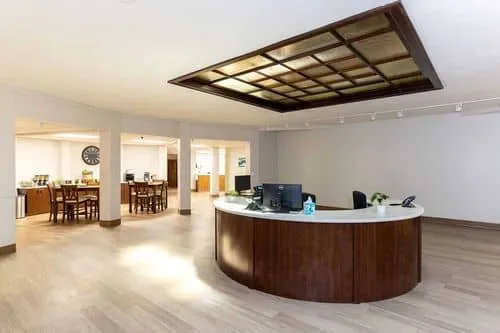
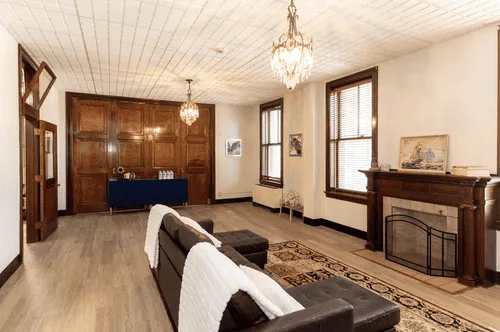
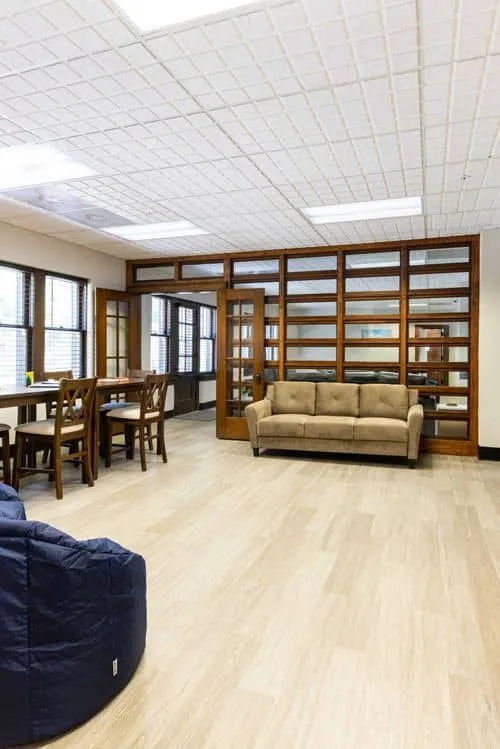
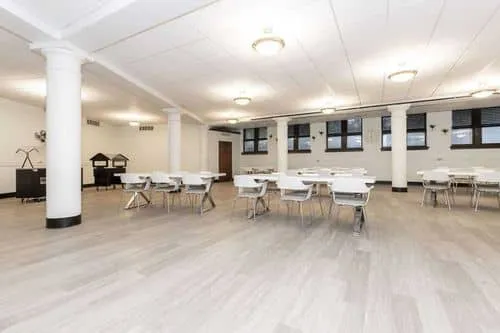
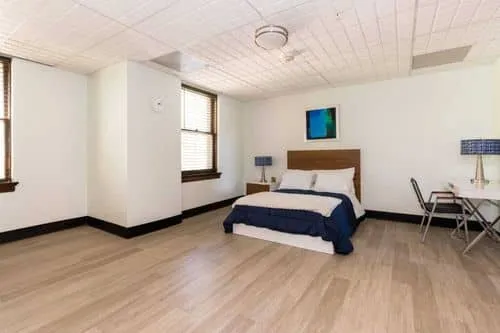
Common Areas & Group Rooms at Arista Recovery's Paola Treatment Center








OUR APPROACH
Our Unique Therapies
Explore our innovative approach to addiction treatment at Arista Recovery. From evidence-based therapies to holistic and experiential methods, we offer an immersive experience that works to treat the root causes of substance abuse our full continuum treatment programs
Educational Therapy
Explore Educational Therapy at Arista Recovery and how it can help you recover.
Cognitive Behavioral
Explore cognitive behavioral therapy at Arista Recovery and how it can help you recover.
Our Admission Process
Simple, Same-Day Admission
Contact Us 24/7
Call, text, or fill out our form anytime. Our based admissions team is always here, always listening, and always ready.
Fast Insurance Verification
We’ll check your benefits quickly and explain your options in plain language—no surprises, just real support.
Confidential Pre-Screening
A short, private conversation helps us match you with the level of care that fits your needs and your life—so you can get back to living it.
Begin Healing
Once you’re ready, we help coordinate transportation and get you admitted, sometimes within hours.