Addiction Counseling and Assessment in Wichita, KS
Asking for help with alcohol or drug use in Wichita does not have to start with a dramatic crisis. Sometimes it starts with a smaller moment: another promise to cut back that did not last, a family argument that keeps repeating, anxiety about withdrawal, or a growing sense that willpower alone is no longer enough. Arista Recovery offers addiction counseling and assessment guidance in Wichita for adults and families who need a private place to sort out what is happening and what level of care may fit. The Wichita consultation center is located at 1029 W Douglas Ave, Suite 212, Wichita, KS 67213, and can help connect people with appropriate treatment options through Arista Recovery when a higher level of care is recommended.
A conversation with the team can begin before you have the right words for what is going on. You may describe alcohol use, prescription medication misuse, cravings, relapse patterns, family concerns, or worries about mental health symptoms. If you want to organize your concerns first, Arista also offers a substance use assessment tool that can help you think through patterns before speaking with admissions.

.webp)
%20(3).webp)

Sources
- Sedgwick County COMCARE Addiction Treatment Services.
- DCCCA
- Substance Abuse Center of Kansas Resource Directory
- KDADS Substance Use Disorder Treatment Services
- Mental Health & Substance Abuse Coalition
- FindTreatment.gov Locator
Medical Disclaimer
The information above is educational and should not be used for diagnosis or as a substitute for professional care. Substance use concerns, withdrawal symptoms, psychiatric symptoms, and safety risks should be reviewed by qualified medical or behavioral health professionals. For overdose symptoms, seizures, chest pain, severe confusion, suicidal intent, or immediate danger, use emergency services right away.
Don’t Wait—Your Healing Starts Here.
At Arista Recovery, we’re dedicated to helping each person who walks through our doors find lasting healing from the inside out. No matter where you are on your journey, we’ll meet you there and walk beside you every step of the way.
Wichita Consultation Snapshot
- Location type: Addiction consultation and assessment center.
- Address: 1029 W Douglas Ave, Suite 212, Wichita, KS 67213.
- Phone: 316-613-0305 for the Wichita office or 877-279-0095 for admissions support.
- Primary focus: Addiction counseling guidance, assessment, treatment planning, and referral into an appropriate Arista level of care when available.
- Best fit: Adults and families in Wichita who are unsure whether counseling, outpatient treatment, detox, or residential care is the safest next step.
- Service boundary: Detox, residential care, and outpatient programming are not all provided on site at the Wichita consultation center. Admissions can explain which Arista location may fit the clinical need.
What the Wichita Consultation Center Does
The Wichita location is built around clarity. Instead of pushing someone toward a single program, the consultation process looks at the substance use concern, the safety risks, the person’s daily responsibilities, and whether another level of care should be considered. That matters because two people can both search for addiction counseling in Wichita and need very different recommendations. One person may be medically stable and ready for outpatient care. Another may be drinking heavily every day, using opioids, or taking benzodiazepines in a way that makes withdrawal dangerous without medical oversight.
An assessment may review what substances are being used, how often use occurs, what happens when use stops, whether cravings are interfering with work or family life, and whether anxiety, depression, trauma, grief, or sleep problems are involved. Kansas state guidance describes substance use treatment services as including assessment, problem identification, treatment, and referral, which is why a thoughtful first step should look beyond the question of whether someone is using too much. It should also look at what kind of care can be safe and realistic.
The Wichita center can also help families understand how to begin. Loved ones often know something is wrong before they know what to ask for. They may notice secrecy, mood changes, isolation, financial stress, or drinking and drug use that keeps returning after consequences. A private call can help the family prepare for next steps while still respecting the privacy and autonomy of the adult who may enter treatment.
Who Addiction Counseling and Assessment Can Help
Counseling and assessment can help when substance use is creating conflict, but the path forward is unclear. Some people call after a DUI, workplace issue, health scare, or relapse. Others call before a public consequence because they can feel their control slipping. Both situations deserve a careful response. Early support can help identify risks before the problem becomes more dangerous, while a higher level of care may be needed when symptoms have already escalated.
The Wichita consultation center may be useful for someone who is drinking more than intended, using drugs to manage stress, taking prescription medications differently than directed, cycling through periods of stopping and returning to use, or avoiding conversations about substance use because of shame. It can also help families who need practical guidance without blaming, threatening, or trying to force an immediate decision.
Assessment is especially important when substance use overlaps with mental health symptoms. Anxiety, depression, trauma, insomnia, panic, grief, or mood swings can all affect how someone uses substances and how they respond to treatment. When both substance use and mental health concerns are present, Arista may discuss dual diagnosis treatment options so the plan does not treat one concern while ignoring the other.
What an Assessment Conversation May Include
A useful assessment is specific. It may ask when substance use began, what has changed recently, what substances are involved, whether the person has tried to stop, and what happened during those attempts. It may also explore health history, current medications, legal or work stress, family support, transportation, prior treatment experiences, and any urgent safety concerns.
Withdrawal questions deserve special attention. Symptoms such as shaking, sweating, vomiting, confusion, hallucinations, seizures, severe anxiety, or rapid changes in heart rate should be taken seriously. If there is a suspected overdose, chest pain, loss of consciousness, severe confusion, or immediate risk of harm, emergency care is the right first step. A consultation center can help with treatment planning, but it does not replace emergency medical services.
Families can prepare by writing down what they have noticed, how often concerns are happening, and what makes the situation feel unsafe. That information can make the first conversation more useful. Still, a full treatment recommendation usually requires direct participation by the person who may enter care, because the clinical team needs to understand the person's symptoms, consent, medical history, and immediate risks.
An assessment can also prevent a common problem: choosing care based only on location or schedule. Convenience matters, but safety comes first. If someone is trying to keep a job while hiding heavy alcohol use, outpatient counseling may sound easier, but detox may need to be addressed first. If someone has strong motivation and a stable home, residential treatment may not be the only reasonable option. The Wichita conversation is meant to sort through those differences before a family makes a rushed decision.
Services and Levels of Care Discussed Through Wichita
The Wichita location supports consultation, assessment, and counseling guidance. It should not be described as a place where every treatment service is provided on-site. During the admissions process, the team can discuss what Arista offers at other locations and whether those services align with the person’s safety needs, symptoms, and goals.
If withdrawal risk is part of the picture, medical detox services may need to be discussed before therapy or outpatient care begins. Alcohol, benzodiazepines, opioids, and some other substances can create withdrawal symptoms that are difficult or unsafe to manage alone. If a person needs a structured setting away from daily triggers, inpatient rehab in Kansas may be a better fit than counseling alone. If the person has enough stability and support to live at home, outpatient addiction treatment in Kansas may provide a more flexible path.
The goal is not to make the most intensive option sound necessary for everyone. The goal is to understand what is safe. A person with strong family support, no serious withdrawal risk, and steady motivation may do well in outpatient treatment. A person with repeated relapse, unstable housing, severe cravings, or a pattern of leaving treatment early may need more structure before outpatient care can be effective.
Facility, Access, and Practical Details
The Wichita consultation center is located in the Douglas Design District, which may be accessible to residents of Wichita, Sedgwick County, Derby, Andover, Maize, Haysville, Park City, and nearby communities. Because this is a consultation setting, the first priority is conversation and planning rather than overnight care. If treatment requires travel to another Arista location, admissions can review timing, insurance, transportation questions, and what to bring.
Local resources may also be part of a broader support plan. Sedgwick County lists COMCARE addiction treatment services, and the Substance Abuse Center of Kansas resource directory provides information on recovery and treatment supports in the region. These resources do not replace a clinical assessment through Arista, but they can help Wichita families understand what other support exists nearby.
Clinical Approach to Addiction Counseling Guidance
Substance use assessment should not feel like an interrogation. People are more likely to speak honestly when they are treated with dignity and when the conversation stays focused on safety, symptoms, and practical next steps. A supportive approach looks at the whole person, not only the substance. It considers stress, trauma, family relationships, mental health, physical health, work demands, culture, motivation, and the kind of environment the person will return to after treatment.
Counseling can help people name patterns that feel confusing in everyday life. That might include drinking to sleep, using stimulants to keep up with work, taking pain medication outside the prescribed plan, using marijuana to numb stress, or returning to opioids after periods of abstinence. Once those patterns are clear, the care plan can focus on realistic coping skills, relapse warning signs, boundaries, and support systems.
For many families, the clinical work also includes communication. Loved ones may need to stop covering for the addiction while still speaking with compassion. They may need to learn the difference between support and control. The Wichita consultation center can help families understand the treatment process without turning the first call into a confrontation.
Wichita and South-Central Kansas Recovery
Wichita is a regional hub for south-central Kansas, so people seeking addiction counseling may be balancing treatment with work, family obligations, school, court requirements, or transportation challenges. A local consultation can help narrow the options before a person commits to a program that may require travel or a different daily schedule.
State and local organizations can also support planning. KDADS substance use disorder treatment services explain Kansas treatment and referral services, while DCCCA and the Wichita-area Mental Health & Substance Abuse Coalition provide additional context for prevention, behavioral health, and community recovery resources. For people who want to compare licensed treatment options, the federal FindTreatment.gov locator can also be useful.
Local support is most helpful when it is used as part of a realistic plan. Community resources, peer support, and family education can help someone stay connected, but they may not provide the same clinical structure as detox, residential rehab, PHP, or IOP. During assessment, it is appropriate to discuss both what can help right now in Wichita and the level of treatment that may be needed through Arista or another provider.
Insurance and Admissions
Insurance questions can be handled early because benefits often shape what treatment options are realistic. Arista Recovery can help you verify treatment coverage and review plan details before admission whenever possible. Verification does not mean the plan has approved payment or authorized care. Coverage can depend on the insurance plan, medical necessity, level of care, provider network, and authorization requirements. Verify treatment coverage
Before calling, gather the insurance card, date of birth, current medications, substance use history, medical diagnoses, mental health history, and any urgent safety concerns. You do not need everything perfectly organized to begin. The admissions team can explain what information matters most and what questions still need to be answered.
Frequently Asked Questions
About Addiction Counseling in Wichita
The Wichita office is a consultation and assessment center. It can help with addiction counseling guidance, screening, and treatment planning. Detox, residential treatment, and outpatient programming may be discussed at other Arista locations when they align with the clinical recommendation.
Start with what has changed. You might mention drinking, drug use, cravings, withdrawal symptoms, relapse history, mental health symptoms, safety concerns, or family stress. You do not need clinical language to begin the conversation.
Yes. Family members can ask general questions, learn how admissions works, and discuss what information may be helpful. Privacy rules may limit what can be shared about another adult without permission, but a family call can still help clarify next steps.
A clinical assessment can help answer that. Outpatient care may be appropriate when the person can stay safe between sessions, has support at home, and does not need medical detox or 24-hour supervision. More intensive care may be recommended when risk is higher.
No. Detox is not required for every person. It may be recommended when stopping alcohol, benzodiazepines, opioids, or other substances could cause significant withdrawal symptoms or medical risk.
Call 911 or go to the nearest emergency department for overdose symptoms, seizures, severe confusion, suicidal intent, violence, chest pain, or loss of consciousness. A consultation center is not a substitute for emergency care.
Testimonials
Hear From Others in Our Recovery Community
“Choosing Arista Recovery gave me a chance to reset my life. The staff cared in ways I did not think possible.”

“The therapy, the community, the structure, it all worked together. I finally feel like I have a foundation to keep going.”

“From detox to residential, the programs here felt safe and steady. It’s a rehab center that really understands what recovery should look like.”

Begin With a Private Assessment in Wichita
If substance use has become harder to manage, Arista Recovery’s Wichita consultation center can help you take the next step without pressure or judgment. Call the Wichita office or the admissions team to discuss what is happening, review treatment options, and ask whether counseling, detox, outpatient care, inpatient rehab, or dual-diagnosis support may be appropriate.
at Arista Recovery's Paola Addiction Treatment Center
Nutritious Meals
Explore group therapy at Arista Recovery and how it can help you recover.
Uber Health Partner
Arista Recovery is an Uber Health partner so we can help you get to treatment at our centers.
Fitness Center
Our state-of-the-art fitness center offers clients a number of options for rebuilding physical health.
Movie Theater
We have an in-house movie theater and popcorn machine for group movie nights & more!
Gardening Center
Our campus includes on-site horticulture center & garden where clients help learn how to garden.
Sand Tray Immersion
Arista Recovery is the only provider in the country to offer sand tray immersion therapy onsite.
Recreation Room
Our facility offers clients a number of recreational activities from board games to books and TVs.
Onsite Salon
Arista Recovery offers our onsite salon services to all clients to help them look their best and feel their best.
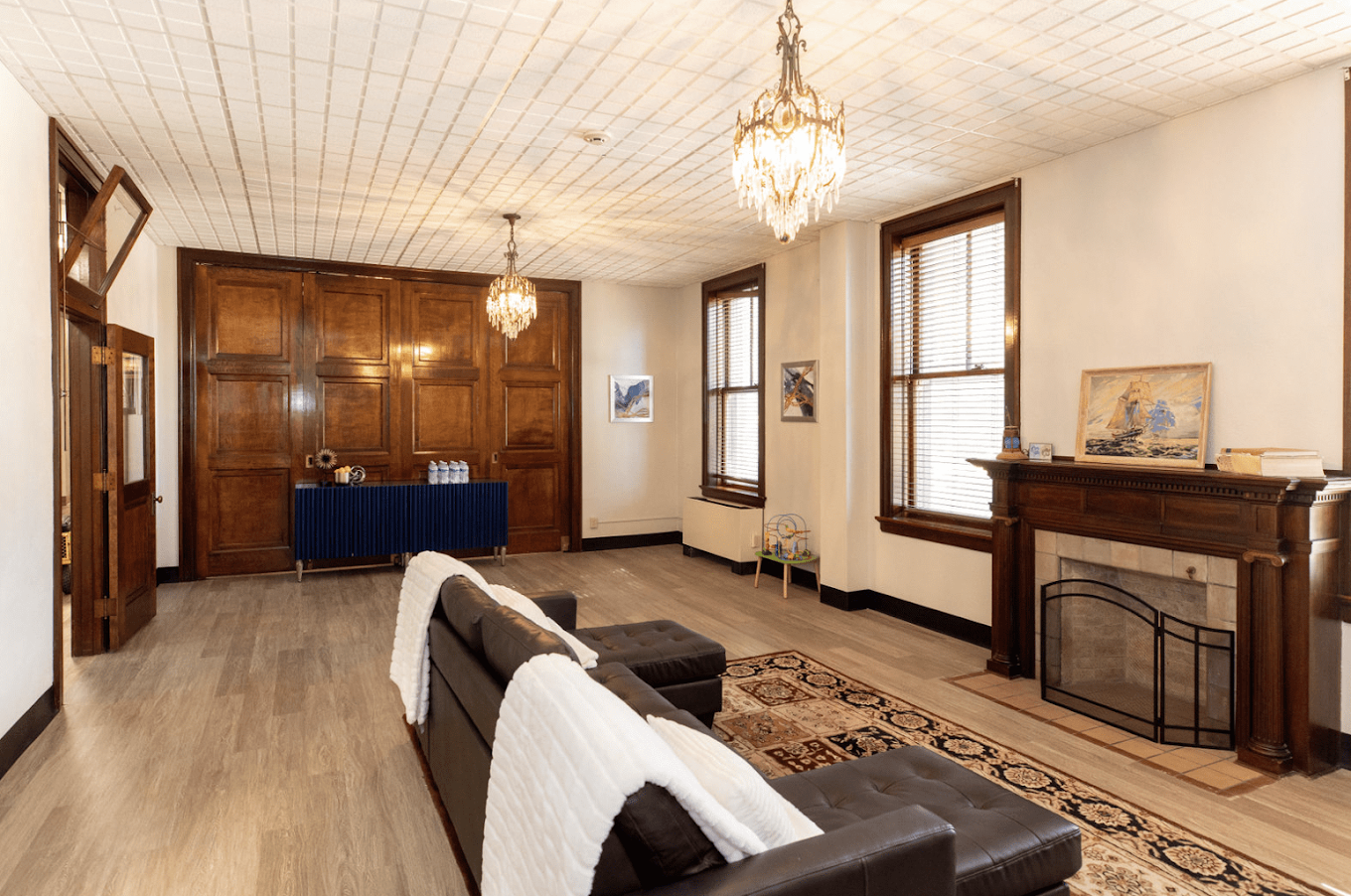
Common Areas & Group Rooms at Arista Recovery's Wichita Treatment Center


.webp)
.webp)
.webp)
OUR APPROACH
Our Unique Therapies
Explore our innovative approach to addiction treatment at Arista Recovery. From evidence-based therapies to holistic and experiential methods, we offer an immersive experience that works to treat the root causes of substance abuse our full continuum treatment programs
Educational Therapy
Explore Educational Therapy at Arista Recovery and how it can help you recover.
Cognitive Behavioral
Explore cognitive behavioral therapy at Arista Recovery and how it can help you recover.
Our Admission Process
Simple, Same-Day Admission
Contact Us 24/7
Call, text, or fill out our form anytime. Our based admissions team is always here, always listening, and always ready.
Fast Insurance Verification
We’ll check your benefits quickly and explain your options in plain language—no surprises, just real support.
Confidential Pre-Screening
A short, private conversation helps us match you with the level of care that fits your needs and your life—so you can get back to living it.
Begin Healing
Once you’re ready, we help coordinate transportation and get you admitted, sometimes within hours.