Inpatient Mental Health & Addiction Treatment Center in Ohio
When mental health symptoms, substance use, or both have reached a point where home no longer feels steady, outpatient support may not be enough. Arista Recovery in Hilliard, Ohio, provides structured residential care for adults who need a more protected setting, daily clinical support, and help deciding what recovery should look like after stabilization.
The Ohio location supports people who may need medical detox, inpatient addiction treatment, inpatient mental health treatment, or an integrated plan for co-occurring concerns. Admission is not based on a website checklist. The right level of care depends on safety, withdrawal risk, symptom severity, medical history, insurance requirements, and the clinical team's determination of what is appropriate.





Sources
- Ohio Department of Behavioral Health. Treatment services.
- Ohio Recovery Housing. Recovery housing resources.
- FindTreatment.gov. Treatment locator.
- National Institute on Drug Abuse. Treatment and recovery.
- American Society of Addiction Medicine. The ASAM Criteria.
- Substance Abuse and Mental Health Services Administration. Substance use treatment options.
Medical Disclaimer
Educational information is not a substitute for medical diagnosis, treatment, or emergency care. If there is immediate danger, suspected overdose, severe withdrawal, suicidal thoughts, or another urgent safety concern, call 911, go to the nearest emergency department, or call or text 988 for crisis support in the United States.
Don’t Wait—Your Healing Starts Here.
At Arista Recovery, we’re dedicated to helping each person who walks through our doors find lasting healing from the inside out. No matter where you are on your journey, we’ll meet you there and walk beside you every step of the way.
Ohio Treatment Center Snapshot
- Location type: Residential treatment center serving adults with addiction, mental health, and co-occurring concerns.
- Address: 5471 Scioto Darby Rd, Hilliard, OH 43026.
- Reach the Hilliard location at 866-806-3392, or contact admissions at 877-279-0095.
- Care available in Hilliard: Medical detox, inpatient addiction treatment, inpatient mental health treatment
- Clinical fit: Adults who need 24-hour structure, withdrawal support, stabilization, or a higher level of support than outpatient care can provide.
- Helpful first step: A mental health assessment quiz can organize symptoms before a call, but it cannot replace a clinical evaluation.
What the Hilliard Location Does
Arista Recovery’s Hilliard campus is designed for people who need care in a residential setting, not just guidance. That difference matters. A consultation center can help someone understand options, but a treatment center can provide a structured place to stabilize, participate in therapy, receive monitoring, and begin planning for life after discharge.
For some clients, the first priority is medical safety. Alcohol, benzodiazepines, opioids, and some patterns of polysubstance use can create withdrawal concerns that should be reviewed before residential therapy begins. The medical detox program gives the clinical team a way to monitor symptoms and decide whether detox should come before the next phase of care.
Others arrive because depression, anxiety, trauma symptoms, mood changes, or emotional instability have become difficult to manage in daily life. Inpatient mental health treatment can provide distance from stressors, regular therapeutic support, and a safer environment for building coping skills. When substance use and mental health concerns are connected, dual diagnosis care helps both sides of the problem stay in view rather than treating them as unrelated issues. Ohio residents can also review public behavioral health options through the Ohio Department of Behavioral Health treatment services.
Who May Need Residential Care in Ohio
A higher level of care may also be appropriate when symptoms change quickly. A person may appear calm during the day but become distressed at night, or they may minimize substance use during a brief appointment while family members are seeing dangerous patterns at home. Residential treatment gives the care team more time to observe those changes, respond to setbacks, and adjust the plan with more context than a single outpatient visit can provide.
Inpatient or residential care may be appropriate when symptoms are disrupting safety, judgment, sleep, relationships, work, school, or the ability to follow through with outpatient appointments. Someone might be drinking daily, returning to opioids after periods of stopping, misusing prescription medication, or cycling through crisis and short-term improvement without lasting stability.
Mental health symptoms can also make recovery more complicated. A person may be using alcohol to quiet panic, relying on stimulants to function through depression, or feeling so emotionally overwhelmed that relapse starts to look like relief. Residential treatment creates space to slow that pattern down long enough for assessment, therapy, medication review when clinically appropriate, and discharge planning.
Family members often notice the need for a higher level of care before the person seeking treatment can name it. Warning signs may include repeated withdrawal symptoms, unsafe behavior while intoxicated, isolation, missed obligations, worsening mood, recent hospitalization, or failed attempts to stay stable with less support. If there is immediate danger, suicidal intent, overdose symptoms, severe confusion, or medical distress, emergency services should be used first.
Services and Levels of Care Available in Hilliard
Because the campus includes both addiction and mental health tracks, admissions should be told which concern feels most urgent right now. A person seeking help after a relapse may need a different starting point than someone whose main struggle is depression, mood instability, or severe anxiety. When both are present, the safest plan may require careful sequencing rather than choosing one issue to address first.
The Ohio campus offers several levels of care that may be included in a treatment plan following clinical review. Medical detox may be recommended when stopping or reducing substance use could cause significant withdrawal symptoms. Inpatient addiction treatment may follow detox or begin directly when withdrawal risk is lower, but daily structure is still needed.
The location also supports inpatient mental health treatment for adults whose primary concern involves mental health symptoms. This can be important when someone needs more than weekly therapy, but the goal is still treatment, stabilization, and planning rather than emergency hospitalization. For clients who have both substance use and psychiatric symptoms, dual diagnosis care can connect therapy, recovery education, relapse prevention, and mental health support in one plan.
Arista’s team may also discuss step-down planning before discharge. Depending on clinical progress and location, a person may transition to outpatient therapy, community support, recovery housing, alumni support, or another appropriate resource. The ASAM Criteria provide a commonly used framework for matching people with treatment intensity based on risk, functioning, and recovery environment.
What Treatment Can Look Like at the Ohio Campus
For clients with both mental health and substance use concerns, the early part of treatment may involve separating overlapping symptoms. Sleep loss, withdrawal, medication changes, trauma responses, and substance-induced mood changes can all affect how someone presents. A structured setting gives the team a clearer window into what improves with stabilization and what may need continued clinical attention.
Family communication may also be addressed when appropriate. Loved ones often need help understanding what treatment can and cannot do, what privacy rules limit, and how to support discharge without trying to control every decision. Those conversations can reduce confusion before the client returns home or steps into another level of care.
Residential treatment usually begins with an admissions and clinical intake process. The team gathers information about substance use history, mental health symptoms, medical concerns, medications, prior treatment, safety risks, and current stressors. That information helps determine whether detox, inpatient addiction care, mental health treatment, or another path is the safest starting point.
Once treatment begins, the day is built around consistency. Clients may participate in group therapy, individual sessions, recovery education, skill-building, and therapeutic activities selected by the care team. The structure is not meant to feel punitive. It is meant to reduce the chaos that often surrounds active substance use, severe symptoms, or repeated crisis cycles.
Treatment also looks beyond the first few days of stabilization. Discharge planning may include relapse-prevention strategies, mental health coping tools, family communication, outpatient recommendations, and coordination with outside providers when needed. The NIDA treatment overview notes that effective treatment often addresses more than drug use alone, including medical, psychological, social, and legal needs.
Local Relevance and Areas Served
Ohio’s size also shapes treatment decisions. Someone in a rural county may not have nearby residential mental health care, while a family in Columbus may be comparing several options but unsure which one can address both withdrawal and psychiatric symptoms. The admissions conversation should narrow that search by focusing on clinical fit rather than distance alone.
The Hilliard campus serves people from the Columbus metro area and communities across Ohio. Families may contact Arista from Columbus, Dublin, Grove City, Dayton, Cincinnati, Cleveland, Toledo, Akron, and smaller communities where residential mental health or addiction treatment options may be limited.
Ohio families may also be looking for continuity after a hospital stay, a failed outpatient attempt, a relapse, or a period of worsening symptoms. Public resources such as the FindTreatment.gov locator and Ohio Recovery Housing can help families understand the broader treatment landscape, while Arista’s admissions process focuses on whether its Hilliard program is an appropriate fit.
For people traveling from another part of the state, the first call should clarify admission timing, transportation, what to bring, and whether they need a medical evaluation before arriving.
Clinical Approach to Mental Health and Addiction Care
The strongest care plans are not built around one label. A person can have an alcohol use disorder and untreated trauma. Another may have depression that worsened after months of stimulant use. Someone else may need detox before the clinical team can clearly understand whether symptoms are substance-induced, part of a primary mental health condition, or both.
At Arista Recovery, treatment planning should account for safety, symptom patterns, recovery history, and the person’s ability to participate in care. Therapy may focus on emotional regulation, relapse triggers, distress tolerance, communication, grief, shame, family stress, and the routines needed after discharge. Medication support or medication-assisted treatment may be discussed when clinically appropriate and available for the person’s needs.
The goal is not to force every client into the same model. It is to build a plan that fits the severity of the current situation while preparing for the next level of care. SAMHSA substance use treatment options describe medications, counseling, recovery support, and continuing care as parts of treatment that may be used depending on the diagnosis and clinical plan.
Facility, Access, and Practical Details
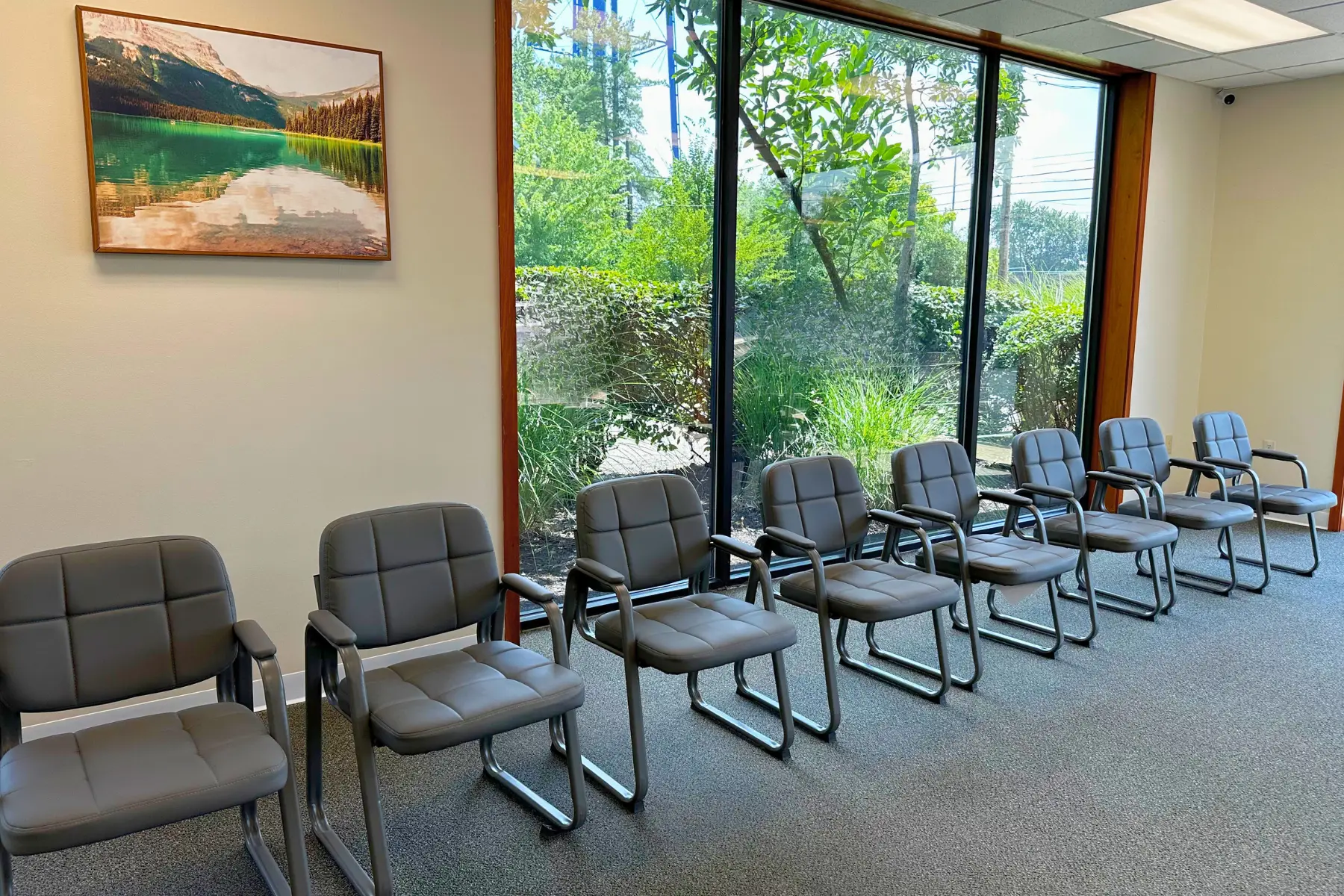
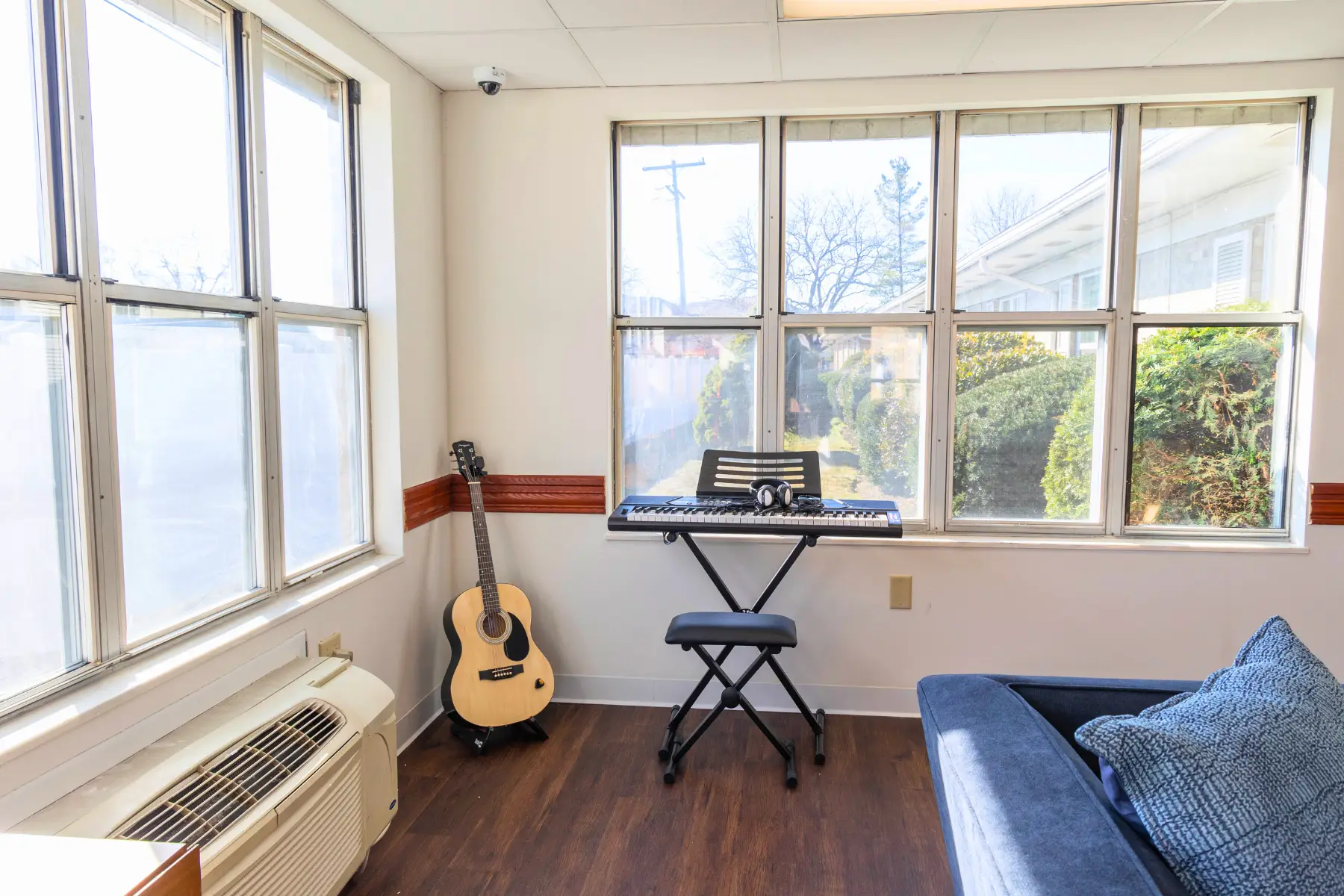
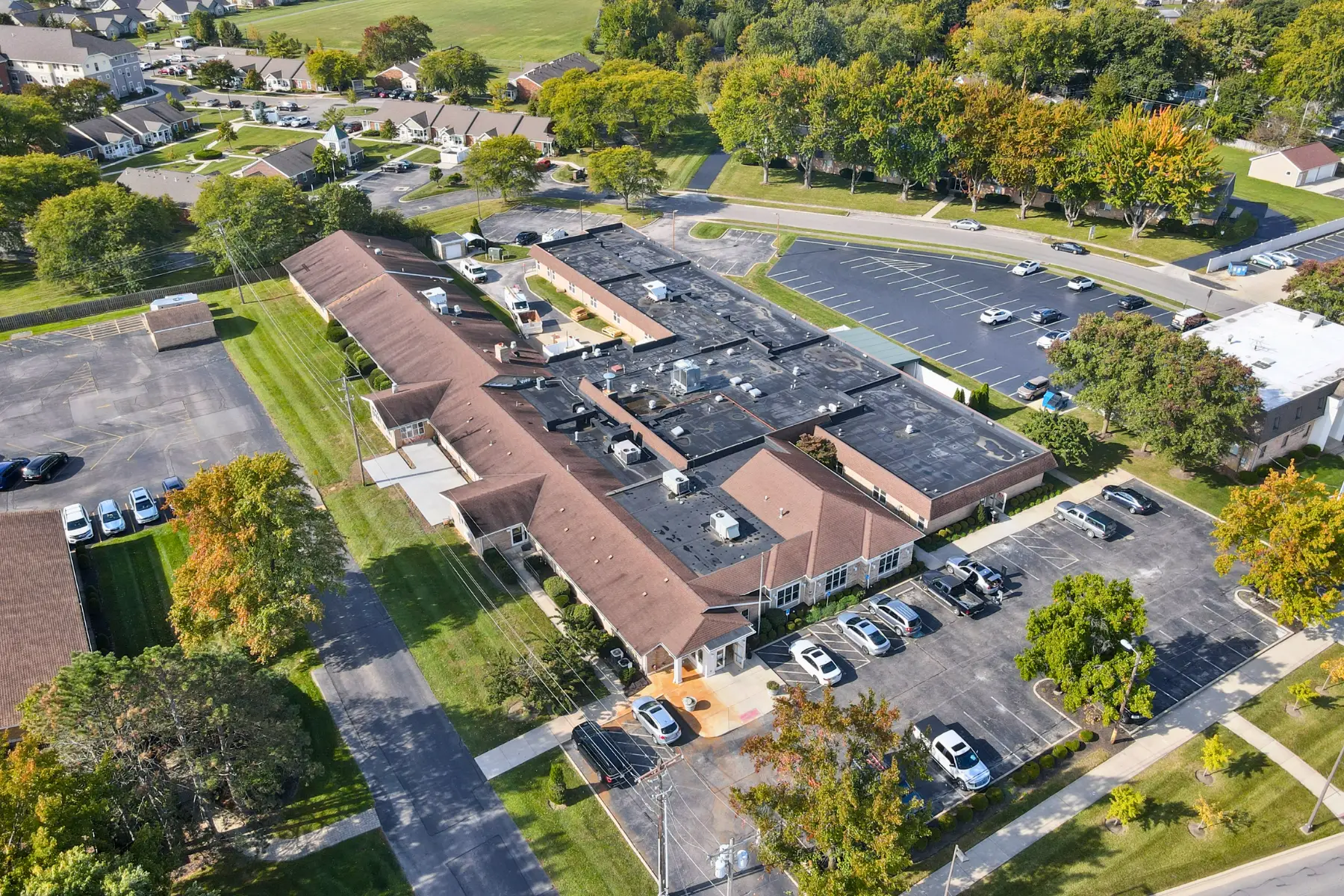
Arista Recovery’s Ohio campus is located in Hilliard, part of the greater Columbus area. The residential setting can be especially useful for people who need physical distance from triggers, unstable routines, or environments where substance use has been hard to interrupt.
Before admission, families often want to know what to bring, how communication works, whether visitation is available, and how to coordinate transportation. Those details can vary by clinical status, program rules, and timing, so admissions should confirm the current guidance before making travel plans.
The setting is intended to support privacy, structure, and stability. A residential environment also allows the care team to observe how symptoms change across the day, how the person responds to groups and therapy, and what kind of support may be needed after discharge.
Admissions can also help families understand what is realistic before they drive to the campus. That conversation may include whether a bed is available, whether detox should be considered, what documentation is needed, and whether a hospital or emergency department is the safer first stop. Clear planning can prevent delays when someone is finally ready to accept help.
Insurance coverage for treatment can affect timing, level-of-care approval, and out-of-pocket cost. Arista Recovery’s admissions team can review benefits, discuss what information may be needed, and explain whether authorization is required before admission.
A benefits check does not guarantee coverage or placement. Insurance plans may consider medical necessity, diagnosis, recent symptoms, withdrawal risk, prior treatment, and provider network rules. The clinical team must also determine whether Arista can safely meet the person’s needs at the time of admission.
It is helpful to have insurance information, current medications, recent hospital or detox history, substance use details, mental health concerns, and any urgent safety issues ready before calling. If the situation involves overdose, chest pain, psychosis, imminent self-harm, or another emergency, call 911 or go to the nearest emergency department first.
Frequently Asked Questions
About Inpatient Mental Health & Addiction Treatment in Ohio
Yes. The Hilliard location offers medical detox, inpatient addiction treatment, and inpatient mental health treatment. A clinical screening helps determine whether the primary concern is substance use, mental health, or both.
No. Detox depends on the substance used, withdrawal history, current symptoms, medical risk, and clinical judgment. Alcohol, benzodiazepines, opioids, and polysubstance use should always be discussed before admission.
Sometimes. Admission depends on current safety, symptom stability, medical needs, and whether residential treatment is clinically appropriate after discharge from a hospital or emergency setting.
Coverage varies by plan, diagnosis, medical necessity, and authorization rules. Admissions can help review benefits, but approval is not guaranteed.
Call 911, go to the nearest emergency department, or contact 988 for mental health crisis support. Residential treatment is not a substitute for emergency medical or psychiatric care.
Testimonials
Hear From Others in Our Recovery Community
“Arista Recovery made me feel safe and seen. The Hilliard staff didn’t just treat symptoms, they helped me heal as a person.”

“My time at Arista gave me tools I never thought I could find. It was structured, supportive, and life-changing.”

“I came in broken, and I left with confidence. The community at Arista made all the difference.”

Start With a Confidential Admissions Conversation
If symptoms have become too difficult to manage at home, Arista Recovery can help you understand whether the Hilliard, Ohio campus may be an appropriate next step. Call admissions to discuss current concerns, review insurance, and learn what information is needed before a clinical recommendation can be made.
at Arista Recovery's Paola Addiction Treatment Center
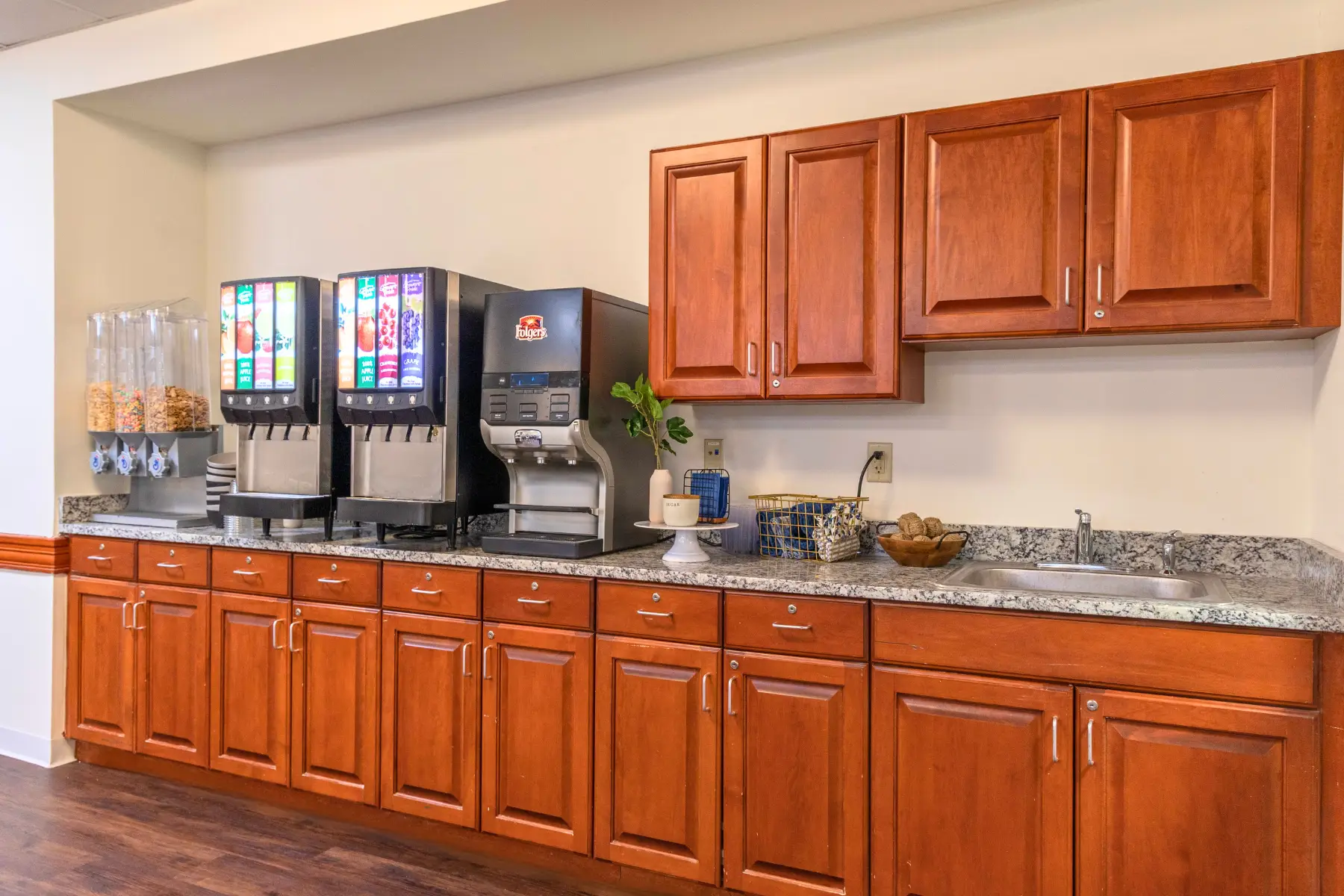
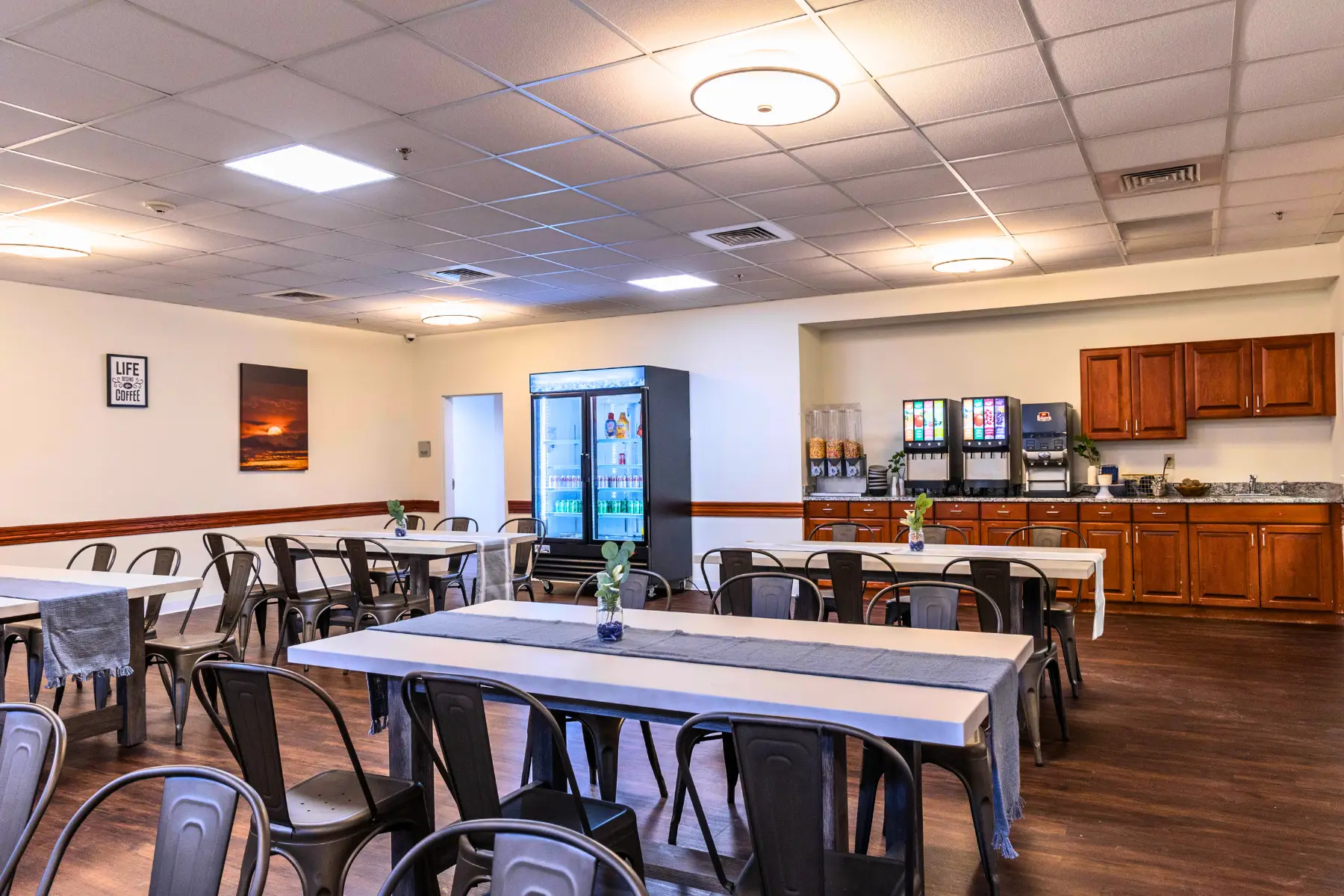
Nutritious Meals
Explore group therapy at Arista Recovery and how it can help you recover.
Uber Health Partner
Arista Recovery is an Uber Health partner so we can help you get to treatment at our centers.
Fitness Center
Our state-of-the-art fitness center offers clients a number of options for rebuilding physical health.
Movie Theater
We have an in-house movie theater and popcorn machine for group movie nights & more!
Gardening Center
Our campus includes on-site horticulture center & garden where clients help learn how to garden.
Sand Tray Immersion
Arista Recovery is the only provider in the country to offer sand tray immersion therapy onsite.
Recreation Room
Our facility offers clients a number of recreational activities from board games to books and TVs.
Onsite Salon
Arista Recovery offers our onsite salon services to all clients to help them look their best and feel their best.
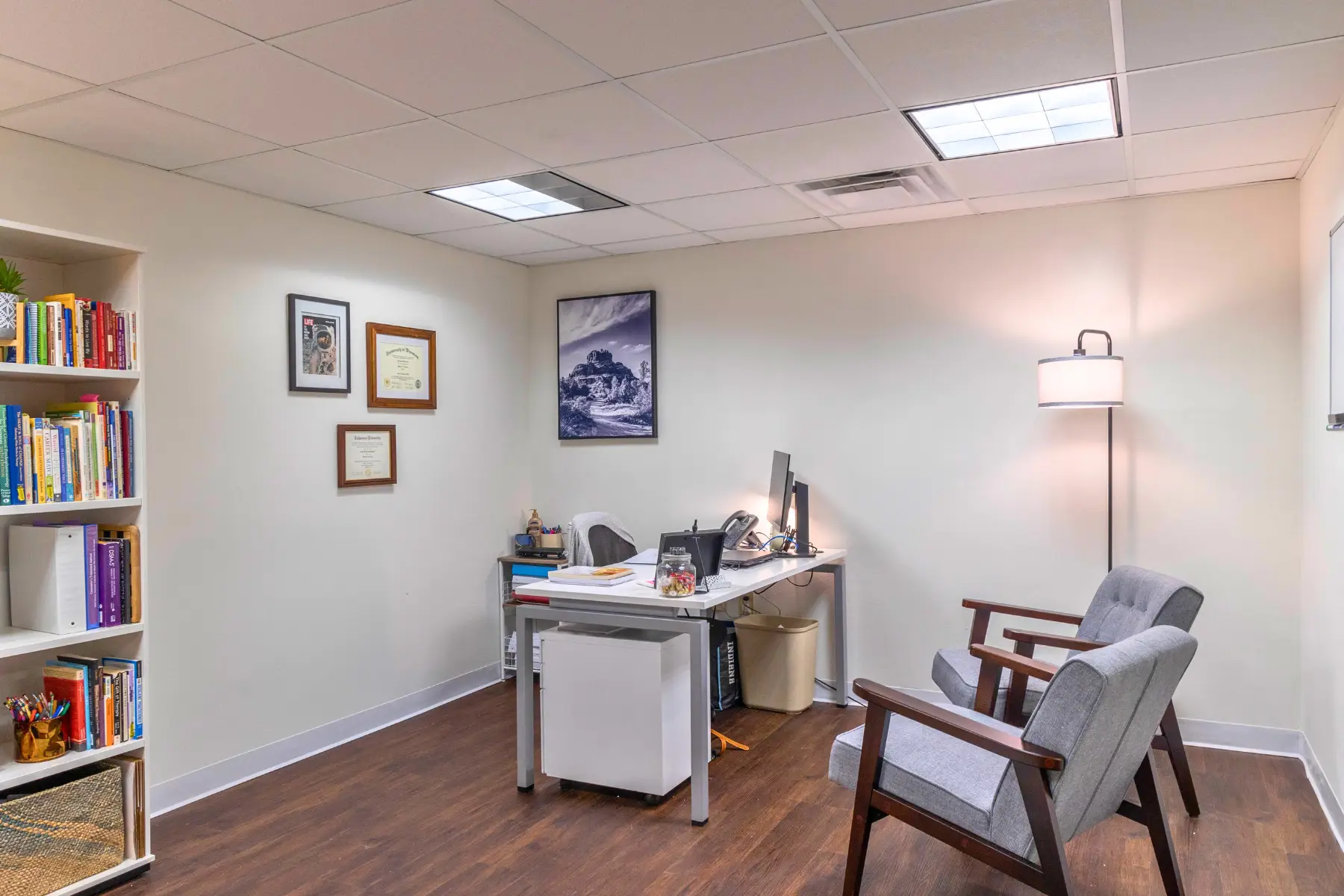
Our Hillard, Ohio Recovery Campus




OUR APPROACH
Our Unique Therapies
Explore our innovative approach to addiction treatment at Arista Recovery. From evidence-based therapies to holistic and experiential methods, we offer an immersive experience that works to treat the root causes of substance abuse our full continuum treatment programs
Educational Therapy
Explore Educational Therapy at Arista Recovery and how it can help you recover.
Cognitive Behavioral
Explore cognitive behavioral therapy at Arista Recovery and how it can help you recover.
Our Admission Process
Simple, Same-Day Admission
Contact Us 24/7
Call, text, or fill out our form anytime. Our based admissions team is always here, always listening, and always ready.
Fast Insurance Verification
We’ll check your benefits quickly and explain your options in plain language—no surprises, just real support.
Confidential Pre-Screening
A short, private conversation helps us match you with the level of care that fits your needs and your life—so you can get back to living it.
Begin Healing
Once you’re ready, we help coordinate transportation and get you admitted, sometimes within hours.