Outpatient Addiction Treatment in Overland Park, KS
Outpatient addiction treatment is often the point where recovery has to become practical. You may need therapy, structure, and accountability, but you may also need to keep working, care for family, attend school, or rebuild trust at home. Arista Recovery’s Overland Park location is designed for adults who need addiction treatment that fits into daily life rather than replacing it with residential care.
The Overland Park center offers outpatient levels of care, including PHP, IOP, standard outpatient treatment, and aftercare. A clinical assessment helps determine whether outpatient care is safe and whether a higher level of support should come first, especially when withdrawal, unstable housing, severe mental health symptoms, or repeated relapse are part of the situation.




Sources
- Johnson County Mental Health Center. Substance use services.
- United Community Services of Johnson County. Drug & Alcoholism Council of Johnson County.
- Kansas Department for Aging and Disability Services. Substance use disorder treatment services.
- City of Overland Park. Mental health services.
- FindTreatment.gov. Treatment locator.
- American Society of Addiction Medicine. The ASAM Criteria.
Medical Disclaimer
Educational information is not a substitute for medical diagnosis, treatment, or emergency care. If there is immediate danger, suspected overdose, severe withdrawal, suicidal thoughts, or another urgent safety concern, call 911, go to the nearest emergency department, or call or text 988 for crisis support in the United States.
Don’t Wait—Your Healing Starts Here.
At Arista Recovery, we’re dedicated to helping each person who walks through our doors find lasting healing from the inside out. No matter where you are on your journey, we’ll meet you there and walk beside you every step of the wa
Overland Park Outpatient Snapshot
- Location type: Outpatient addiction treatment center.
- Address: 9401 Reeds Road, Suite 101, Overland Park, KS 66207.
- Call the Overland Park office at 913-379-4732, or speak with admissions at 877-279-0095.
- Outpatient options: Partial hospitalization, intensive outpatient programming, standard outpatient treatment, and aftercare.
- Best fit: Adults who can live outside treatment while attending structured sessions and building relapse-prevention skills.
- Safety note: Outpatient treatment may not be appropriate when detox, 24-hour supervision, or emergency psychiatric care is needed first.
What the Overland Park Location Does
This kind of care is especially useful when the problem shows up in everyday routines rather than in a single dramatic event. A client might be sober during the week but struggling every Friday night, or they may keep a job while privately feeling that substance use is taking more control. Outpatient treatment can work directly with those patterns while they are still happening.
The Overland Park office provides structured outpatient addiction care for people who need more than occasional counseling but do not necessarily need to live at a treatment center. It can serve as a starting point for someone stable enough to participate from home, or as a step-down after detox or inpatient rehab.
Because outpatient care occurs alongside daily responsibilities, treatment must quickly focus on real-life situations. Sessions may address cravings after work, conflict at home, weekend triggers, medication misuse, isolation, stress, and the routines that make recovery easier to maintain between appointments.
The location is not a medical detox or residential facility. If a person is at risk for dangerous withdrawal, cannot remain safe at home, or needs round-the-clock structure, the admissions team may discuss a higher level of care before outpatient treatment. Kansas residents can also review public options through KDADS Substance Use Disorder Treatment Services and Johnson County Mental Health Substance Use Services.
Who Outpatient Care Can Support
Some people come to outpatient care because they are early in recognizing the problem. Others arrive after a relapse and already know they need structure. Both situations deserve a careful assessment. A person who looks functional from the outside may still be dealing with strong cravings, secrecy, withdrawal symptoms, or mental health concerns that require a more intensive schedule than weekly therapy.
Outpatient care can also support families who are trying to set healthier boundaries. Loved ones may need help understanding why accountability matters, why treatment attendance cannot be forced, and when a relapse should prompt a higher level of care. Those discussions can make the home environment less reactive and more recovery-focused.
Outpatient addiction treatment may be a good fit when substance use is interfering with life, but the person can still attend scheduled care and remain safe between sessions. Someone may be returning to alcohol after work, using marijuana or stimulants despite consequences, misusing prescription medication, or struggling to maintain progress after a higher level of care.
The Overland Park setting can also help people who have already completed detox or inpatient rehab and need continued support while returning to their home environment. Step-down care is often where recovery skills are tested: responding to stress without using, rebuilding a schedule, managing relationships, and staying connected when motivation changes.
Outpatient treatment is not the safest starting point for everyone. Severe withdrawal symptoms, recent overdose, active suicidal thoughts, psychosis, mania, or an unsafe living situation may require emergency care, detox, inpatient treatment, or another level of support before outpatient sessions can be effective.
Services and Levels of Care Available in Overland Park
Aftercare may be especially important for people who have already completed a more intensive program. Leaving residential care can bring relief, but it can also expose old stressors, unresolved conflicts, and the small daily choices that shape recovery. Continuing care in Overland Park can keep support active while independence increases.
The level of care should match what is actually happening outside sessions. Someone who is avoiding use but feels emotionally fragile may need a different schedule than someone who is still using several times a week. Someone stepping down from residential treatment may need more frequent contact at first, then gradually reduce support as routines stabilize.
Arista Recovery’s Overland Park location offers multiple outpatient options. A partial hospitalization program may provide a more intensive daytime structure without an overnight stay. An intensive outpatient program can offer several weekly sessions for people who need consistent support while living at home. Standard outpatient treatment and aftercare may help reinforce progress after a more intensive phase of care.
Treatment may include group therapy for addiction recovery, individual work, relapse-prevention planning, family involvement when appropriate, and practical skills for managing cravings. Cognitive behavioral therapy for addiction may be used to help clients recognize thought patterns, triggers, and behaviors that keep substance use active.
If anxiety, depression, trauma symptoms, or mood instability are affecting recovery, dual diagnosis treatment may be discussed as part of the clinical picture. Outpatient care should be flexible enough to respond to mental health symptoms without losing sight of substance use patterns, safety, and relapse risk.
What Outpatient Treatment Looks Like
Because clients return home after programming, outpatient treatment should include honest planning for the hours outside the office. That may mean deciding who to call during cravings, removing alcohol from the home, changing routes after work, avoiding certain social settings, or creating a plan for paydays, pain flare-ups, loneliness, or family conflict.
Progress is reviewed over time rather than assumed after attendance alone. If symptoms worsen, sessions are missed, substance use continues to escalate, or the person cannot stay safe between visits, the treatment recommendation may need to change. Outpatient care works best when there is room to step up or down as clinical needs shift.
Care usually begins with a screening or assessment conversation. The team will ask about substance use, withdrawal history, medical concerns, mental health symptoms, past treatment, work or family obligations, and current safety. That information helps determine whether PHP, IOP, outpatient therapy, aftercare, or a referral to a higher level of care is appropriate.
Once treatment begins, the rhythm differs from that of residential rehab. Clients leave the facility after programming and return to their daily environments. That can be a strength when someone is ready for it, because therapy can focus on what happened since the last session and what needs to change before the next one.
Outpatient work may include planning for high-risk times of day, building sober routines, repairing communication, practicing refusal skills, strengthening accountability, and identifying what to do when cravings return. The ASAM Criteria emphasize matching treatment intensity to withdrawal risk, biomedical needs, emotional and behavioral concerns, readiness, relapse potential, and recovery environment.
Office Access and Practical Details
For many Johnson County clients, the practical appeal of Overland Park is that treatment can be built around the same roads, schedules, and responsibilities that shape everyday life. That convenience should not be mistaken for casual care. Consistent attendance, participation, and honesty about relapse risk are still essential.
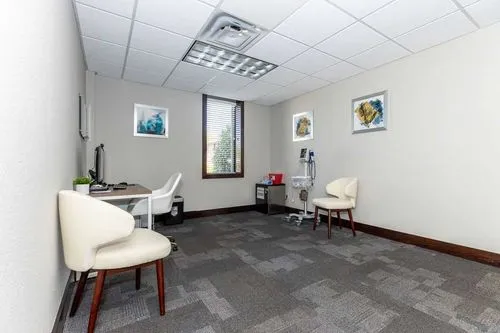
Arista Recovery’s Overland Park office is located at 9401 Reeds Road, Suite 101, in a part of Johnson County that is accessible to many people across the Kansas City metro. Because care is outpatient, clients typically travel to scheduled programming and return home the same day.
Practical planning matters. Before starting treatment, it can help to ask about the expected schedule, session frequency, family involvement, work conflicts, transportation, telehealth availability, if applicable, and what happens if a higher level of care becomes necessary.
Outpatient treatment works best when the home environment can support recovery. If the person is living with active substance use, has no reliable transportation, or cannot stay safe between sessions, admissions should know that before a level-of-care recommendation is made.
Clinical Approach to Outpatient Recovery
This is also where local context becomes clinically relevant. A client may need to plan for the same workplace stress, family obligations, social circles, or neighborhood triggers that contributed to past use. Outpatient treatment can help turn those situations into specific recovery plans rather than broad promises to 'do better.'
Outpatient treatment has to balance compassion with accountability. Clients are not removed from their usual environment, so care should help them notice the exact patterns that lead to use. A plan might address the drive home from work, loneliness after the kids go to bed, pain medication after surgery, or the social pressure that shows up every weekend.
Arista’s clinical approach may include evidence-informed therapies, relapse-prevention education, group support, family communication, and emotion-regulation skills. The current Overland Park program information describes outpatient therapy options that may include CBT, DBT, trauma-informed care, motivational interviewing, solution-focused approaches, SMART Recovery, and life-skills work when appropriate.
The goal is not to make outpatient care feel like a lighter version of treatment. The goal is to make it relevant to life outside the office. Sessions should help clients prepare for the decisions they will face between appointments, including how to respond to conflict, cravings, boredom, anger, shame, or unexpected stress.
Local Relevance and Areas Served
The Overland Park location serves people from Johnson County and the surrounding Kansas City metro, including Overland Park, Leawood, Lenexa, Olathe, Shawnee, Prairie Village, Mission, and nearby communities on both sides of the state line.
Local resources can be part of a broader support system. The Drug & Alcoholism Council of Johnson County and Overland Park mental health services can help residents understand prevention, local access, and public safety resources, while the FindTreatment.gov locator offers a federal search tool for treatment providers.
For many clients, the value of outpatient treatment is that it keeps recovery connected to local life. Skills learned in treatment can be practiced at home, at work, with family, and in the same community where long-term recovery has to happen.
Admissions may also ask about availability and transportation because the best outpatient plan is one that the client can actually attend. A schedule that looks appropriate clinically will not help if it conflicts with work, childcare, court requirements, or other obligations that cannot be moved. Those details should be part of the first conversation rather than an afterthought.
Before scheduling care, many families want to verify insurance benefits and understand what outpatient services may be covered. Arista Recovery can review plan information, explain what details may be needed, and help clarify whether PHP, IOP, outpatient treatment, or aftercare may require authorization.
Coverage can depend on the plan, diagnosis, medical necessity, network status, and the level of care recommended after assessment. A benefits review is useful, but it does not guarantee approval or mean that outpatient care will be the safest choice.
When calling, be prepared to share recent substance use patterns, withdrawal concerns, current medications, mental health symptoms, prior treatment history, and schedule needs. If there is immediate medical danger, overdose risk, suicidal intent, or severe psychiatric instability, emergency services should come before outpatient admission planning.
Frequently Asked Questions
About Outpatient Addiction Treatment in Overland Park
Some common questions we receive about our Overland Park rehab center include:
No. Overland Park provides outpatient care. Clients attend scheduled programming and return home afterward.
PHP generally involves a higher level of daytime clinical support. IOP is still structured, but often involves fewer hours per week. A clinical assessment helps determine fit.
Many people choose outpatient treatment because they need to balance care with daily responsibilities. The schedule should be confirmed before starting.
Outpatient care may not be safe during significant withdrawal. Admissions can discuss whether detox or residential treatment should happen first.
It may be especially when mental health symptoms affect recovery. If symptoms are severe or unsafe, a higher level of mental health care may be needed.
Testimonials
Hear From Others in Our Recovery Community
“Arista Recovery gave me a new perspective on life. The Overland Park rehab staff treated me with respect and helped me feel capable again.”

“I was nervous to start, but this place made me feel at home. The structure, the therapy, and the support made a real difference.”

“The community here is strong, and the staff genuinely care. Choosing Arista’s Kansas drug rehab program was the best decision I’ve made.”

Talk With Admissions About Outpatient Fit
Outpatient treatment can be a strong next step when support is needed, but residential care is not the right fit. Contact Arista Recovery to discuss current substance use concerns, review insurance, and learn whether the Overland Park outpatient center may match your clinical needs and daily responsibilities.
at Arista Recovery's Paola Addiction Treatment Center
Nutritious Meals
Explore group therapy at Arista Recovery and how it can help you recover.
Uber Health Partner
Arista Recovery is an Uber Health partner so we can help you get to treatment at our centers.
Fitness Center
Our state-of-the-art fitness center offers clients a number of options for rebuilding physical health.
Movie Theater
We have an in-house movie theater and popcorn machine for group movie nights & more!
Gardening Center
Our campus includes on-site horticulture center & garden where clients help learn how to garden.
Sand Tray Immersion
Arista Recovery is the only provider in the country to offer sand tray immersion therapy onsite.
Recreation Room
Our facility offers clients a number of recreational activities from board games to books and TVs.
Onsite Salon
Arista Recovery offers our onsite salon services to all clients to help them look their best and feel their best.





OUR APPROACH
Our Unique Therapies
Explore our innovative approach to addiction treatment at Arista Recovery. From evidence-based therapies to holistic and experiential methods, we offer an immersive experience that works to treat the root causes of substance abuse our full continuum treatment programs
Educational Therapy
Explore Educational Therapy at Arista Recovery and how it can help you recover.
Cognitive Behavioral
Explore cognitive behavioral therapy at Arista Recovery and how it can help you recover.
Our Admission Process
Simple, Same-Day Admission
Contact Us 24/7
Call, text, or fill out our form anytime. Our based admissions team is always here, always listening, and always ready.
Fast Insurance Verification
We’ll check your benefits quickly and explain your options in plain language—no surprises, just real support.
Confidential Pre-Screening
A short, private conversation helps us match you with the level of care that fits your needs and your life—so you can get back to living it.
Begin Healing
Once you’re ready, we help coordinate transportation and get you admitted, sometimes within hours.