.webp)


Key Takeaways
- Recovery communities reduce relapse risk by up to 50% through peer support, shared accountability, and genuine connection that breaks isolation and builds lasting resilience.
- Self-assessment is essential for choosing the right fit - evaluate your needs for accessibility, cultural responsiveness, privacy standards, and program philosophy before committing.
- Multiple pathways exist to match diverse circumstances - from integrated clinical care to family-centered approaches to flexible digital platforms that overcome geographic barriers.
- Success requires consistent participation over 60-90 days to build meaningful connections, with structured milestones and peer feedback driving sustainable progress.
- Quality communities feature certified staff, clear privacy protocols, and measurable outcomes - look for credentials, oversight, and transparent documentation of effectiveness.
Understanding Communities for Recovery and Their Impact
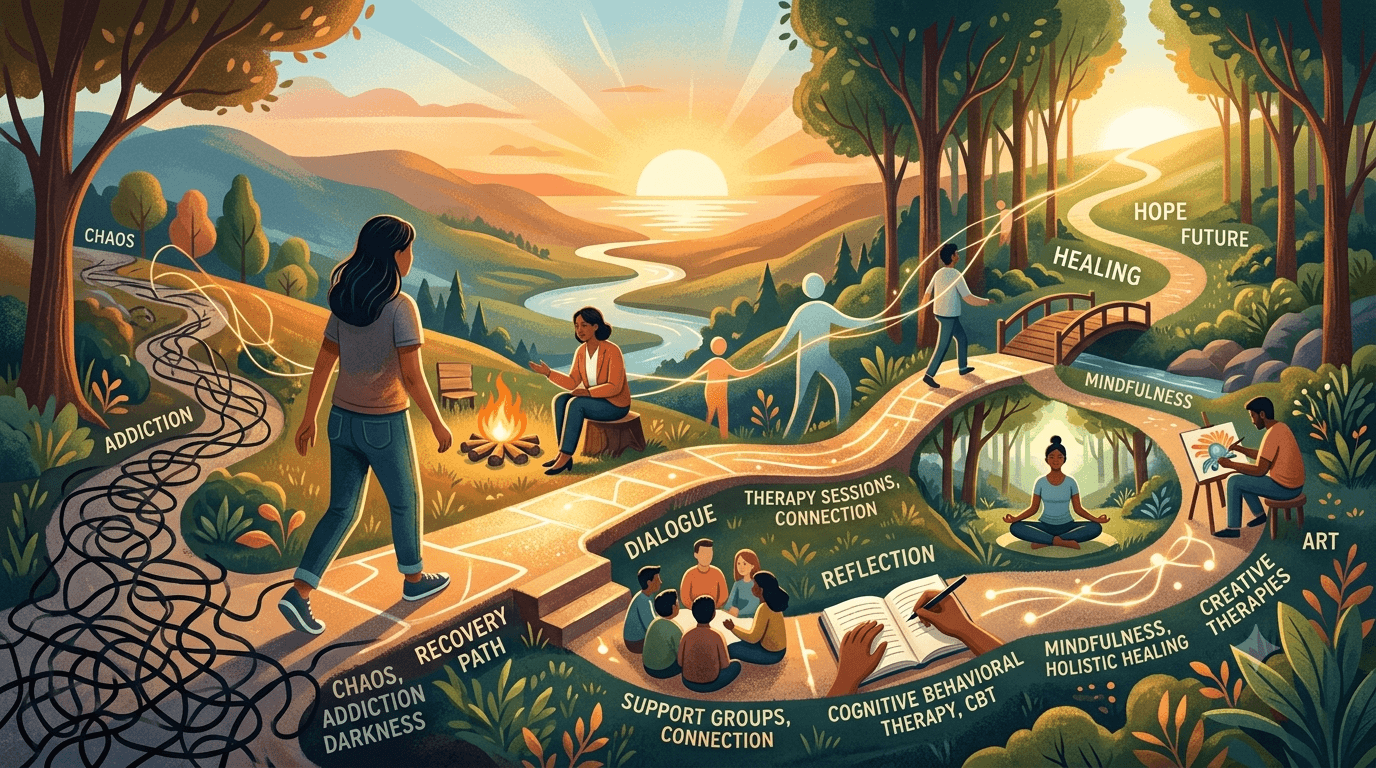
Recovery is about rebuilding trust, finding renewed purpose, and creating stability—not just stopping substance use. Communities for recovery are often the missing link between medical treatment and lasting change. They offer genuine peer support, shared recovery stories, and daily encouragement, which studies show reduces relapse and improves well-being1. These environments help people reconnect, breaking the isolation that many experience during early healing. Support networks range from mutual-aid groups to online recovery platforms and are each designed to nurture connection and hope when people need it most.
Defining Recovery Communities and Peer Support
Recovery communities are intentionally built networks where people with shared experiences create safe spaces for connection, mutual support, and growth outside traditional clinical settings. Peer support forms the backbone of these environments, anchored in mutual trust and understanding, not professional hierarchy. This allows individuals to safely express challenges while receiving practical, compassionate guidance from peers who have walked the journey themselves. Research confirms that these authentic connections foster resilience and long-term healing, as participants build strength through shared wisdom and reciprocal support3.
These communities can take different shapes. Twelve-step groups such as Alcoholics Anonymous use structured spiritual steps and regular meetings to build accountability2. Non-12-step models like SMART Recovery emphasize self-reliance and practical tools, while holistic models blend peer groups with wellness practices like yoga, mindfulness, or art therapy to support mind, body, and social connection4.
Key Benefits: Hope, Healing, and Long-Term Success
When people engage fully with communities for recovery, the impact is both practical and powerful. Consistent participation in recovery support networks has been linked to as much as a 50% reduction in relapse risk, a reflection of just how vital peer support can be in sustaining lasting recovery3. These healing environments nurture accountability, deepen social skills, and foster emotional growth. Empowerment grows as individuals experience acceptance and witness peers embracing progress, not perfection. Recovery support networks shift the narrative from secrecy and shame to openness and visible achievement, actively chipping away at stigma7. Through group activities and mentorship, individuals learn healthy coping, rebuild relationships, and pursue goals in education or work, which are key factors in sustaining quality of life4.
Current Landscape: Trends, Technology, and Barriers
The recovery landscape is changing fast, with technology bringing communities for recovery into more people's lives. Virtual and hybrid models, from online support groups to telehealth peer meetings, give people flexible, around-the-clock connection and crisis support7. Yet, persistent hurdles remain. Geographic gaps, cultural mismatches, and insurance roadblocks often prevent people from accessing peer support. Many rural regions lack recovery centers, while inadequate internet access can block virtual participation9. In response, leading communities for recovery are shaped by rigorous research and policy guidance. New standards require peer support organizations to use data-driven practices, integrating evidence-based frameworks and trauma-informed care to improve program quality and long-term outcomes8.
Self-Assessment and Decision Framework for Recovery Support
Making meaningful progress in recovery often depends on selecting a community that genuinely fits your life, circumstances, and goals. This self-assessment process examines readiness, unique needs, and the logistics that shape ongoing involvement. A careful look at which peer support models support your wellness, lifestyle, and family can transform uneven progress into lasting stability.
Self-Assessment: Questions to Guide Your Journey
Effective recovery support starts with honest self-assessment. Recognizing when it's time to reach out to peer support begins with noticing patterns of isolation or feeling misunderstood. Many individuals realize traditional treatment can address physical health, yet social and emotional healing often require connection with those who have walked a similar path3. A thorough self-inventory is essential for finding where you truly belong. Experienced practitioners agree: clarity comes from honestly assessing not just your personal values and motivations, but also your learning style, social ease, and past experiences with peer support7.
Ask yourself: Are you energized by big groups or do you prefer smaller gatherings? Do you need structure and set routines, or does flexibility help you thrive?
It's also important to understand challenges, as many people face layered obstacles—such as untreated mental health conditions, past trauma, or unstable living situations. Effective peer support networks recognize how these co-occurring needs, along with family stress and community beliefs, shape recovery outcomes5,4.
Decision Framework: Evaluating Recovery Community Options
To make effective decisions about communities for recovery, practitioners rely on a structured evaluation framework that weighs accessibility, program philosophy, and practical requirements7. This helps individuals and families compare mutual aid groups, digital peer networks, and holistic community models.
| Criteria | Key Considerations | Impact on Success |
|---|---|---|
| Accessibility | Location, transportation, internet access, meeting times | Determines consistent participation |
| Modality | In-person, online, or hybrid options | Affects comfort and engagement |
| Inclusivity | Cultural responsiveness, language accessibility, diverse backgrounds | Builds trust and belonging |
When comparing evidence-based and peer-led models, ethical oversight and safety matter. Evidence-based communities operate with professional supervision and standardized training, while peer-led groups value shared responsibility. Both require an honest evaluation of safety guidelines. Additionally, protecting privacy is essential. Standards can vary from full HIPAA compliance with formal protocols to informal groups with basic confidentiality agreements8. When insurance or healthcare integration is involved, strict data safeguards and consent procedures are non-negotiable15.
Resource Planning: Budget, Logistics, and Skill Requirements
Sustaining involvement in communities for recovery hinges on realistic resource planning. Effective budgeting requires looking beyond program fees to ongoing costs like transportation, childcare, and technology for virtual meetings. While some networks are free, others involve investment15. Setting a realistic timeline with clear milestones is also essential. A practical timeline marks the first 60-90 days as a critical period for establishing belonging through consistent participation, with significant progress often noted at the 6-month and 12-month marks7. Finally, developing practical skills is central to progress. Self-advocacy—such as expressing boundaries and asking for help—along with life skills like communication and conflict resolution, are essential for building confidence and resilience.
Implementation Pathways for Diverse Recovery Journeys
Turning assessment into action requires choosing a recovery plan matched to real-world needs. Success depends on aligning each step with mental health needs, social support, and individual strengths. Three core approaches guide these journeys: integrated clinical and peer support models, family-driven or holistic environments, and flexible digital pathways that address barriers. Each model helps individuals build genuine support systems, using evidence-based practices and community connection to turn recovery intentions into real, sustainable progress7.
Pathway A: Integrating Peer Support with Clinical Care
Integrated care models weave clinical treatment with authentic peer support, uniting professional expertise and lived experience. This strategy suits those with complex or dual mental health needs. Successful integration happens when healthcare providers and certified peer specialists maintain active, two-way communication through collaborative meetings and shared progress documentation7. Licensed clinicians handle medical evaluations and therapy, while peer networks deliver social connection and daily skill-building. This careful alignment helps clients sustain gains and translate structured treatment into lasting change8.
For those with a dual diagnosis, this approach is fundamental. Practitioners have observed that when either substance use or mental health goes untreated, relapse risk rises sharply5. Quality is ensured through rigorous certification and outcomes tracking. Certified peer recovery specialists complete 40–80 hours of formal training in ethics, boundaries, and crisis management, safeguarding both participants and the integrity of the support network8.
Pathway B: Family, Sober Living, and Holistic Integration
Family-focused and holistic approaches create environments where healing happens together. This path is most effective when families actively participate, learning communication skills, boundary-setting, and how to recognize triggers to reduce stress and prevent enabling behaviors4. Sober living homes can also provide transitional support, offering structured, substance-free environments where residents practice recovery skills through daily routines and peer-led accountability. Studies on sober living homes show they are effective because they foster connection and promote essential life skills in a structured environment3,15. This pathway is often enhanced with wellness and experiential therapies like art, mindfulness, and outdoor activities, which help individuals process complex emotions, reduce anxiety, and rebuild self-confidence among peers4.
Pathway C: Digital, Rural, and Flexible Recovery Models
Flexible recovery models, including virtual support networks and telehealth-based peer services, have reshaped access to communities for recovery. By offering 24/7 digital access, they help rural residents, busy professionals, and those with limited transportation stay engaged7. Virtual communities are particularly beneficial for those who have experienced exclusion or stigma, offering anonymity and culturally tailored peer support that can fill gaps left by conventional models. These platforms overcome geographic and socioeconomic barriers, as they can mitigate challenges like unreliable transportation, lack of childcare, and rigid work obligations9. They also provide support for working professionals and minority groups by offering confidential digital meetings, mentorship from peers who understand workplace pressure, and culturally competent programming that honors identity and combats isolation7.
Your Next 30 Days: A Practical Recovery Community Plan
Building a foundation in the first 30 days is essential. This phase isn't about fast transformation; it's about steady, daily steps that foster social connection and wellness skills, one week at a time7. With the right support and a practical plan, participants can lay the groundwork for long-term resilience.
Setting Milestones and Tracking Progress in Recovery
Tracking progress moves recovery from hope to action. Skilled practitioners rely on structured assessment tools, like the Recovery Capital Index, to measure strengths in social support, housing, employment, and mental health7. These evaluations help pinpoint risk factors and identify where skills may need reinforcement. Genuine progress also comes from ongoing feedback within peer networks. Frequent check-ins and open discussions can reveal subtle changes in mood or motivation before setbacks escalate7. Finally, acknowledging achievements is essential. Integrating rituals like milestone celebrations or storytelling sessions confirms a person's growth, breaks the cycle of shame, and strengthens community pride and motivation7.
Building a Personalized Support System
Strong recovery outcomes often begin with a deliberately built support network. A dependable system is built by intentionally identifying three kinds of allies:
- Trusted family members who offer encouragement and help reinforce boundaries.
- Peer allies with lived experience who bring authenticity and practical advice.
- Healthcare professionals who contribute expert guidance and help coordinate care.
These peer relationships, formed in safe environments, foster mutual accountability and deeper trust7. Routines also build a predictable rhythm that anchors recovery. Consistent patterns like daily check-ins with peers and set times for self-care create natural accountability and minimize chaos7. Technology can serve as a lifeline, with mobile apps like Sober Grid and Recovery Dharma offering real-time peer support, safety check-ins, and progress tracking to keep individuals engaged and accountable7.
Overcoming Setbacks: Resilience and Ongoing Adaptation
Setbacks are part of the recovery journey, not a sign of failure. Effective communities for recovery teach that resilience comes from learning to adapt when challenges arise. This means developing coping strategies that work in real-world situations—from managing stress at work to handling family conflicts without compromising recovery7. Peer networks provide essential perspective during difficult times, helping individuals see setbacks as temporary obstacles. Recovery communities that emphasize ongoing adaptation help members develop flexibility and problem-solving skills that strengthen over time.
Crisis Response Plan Template
Having a written crisis plan can make the difference between a temporary setback and a major relapse. Include emergency contacts, coping strategies that have worked before, and specific steps to take when you feel overwhelmed. Share this plan with trusted peers and family members so they know how to support you during difficult moments.
Your Next 30 Days: A Practical Recovery Community Plan
Building a foundation in the first 30 days is essential for anyone entering communities for recovery. Practitioners recognize that meaningful change happens incrementally—by setting routines, engaging with peer support networks, and establishing comfort with new habits.
This phase isn't about fast transformation; it's about steady, daily steps that foster social connection and wellness skills, one week at a time. With the right support and a practical plan, participants can lay groundwork for long-term resilience, using evidence-based tools that reinforce accountability and belonging throughout the recovery journey.
Setting Milestones and Tracking Progress in Recovery
Tracking progress in communities for recovery moves recovery from hope to action. Experienced practitioners trust structured milestone setting—not just for motivation, but to catch issues before they grow.
Regular check-ins, peer accountability, and honest self-reflection give individuals tangible proof of progress and highlight areas needing support.7 Effective recovery support networks prioritize both consistent attendance and improvements in well-being, emphasizing real-life changes like relationship growth and emotional stability. Commitment to clear goals and structured tracking transforms participation in peer networks into lasting, measurable wellness.
Measurement Tools: Relapse Risk and Well-Being
Skilled practitioners rely on structured recovery assessment tools to monitor progress in communities for recovery and guide effective support. Reliable instruments—like the Recovery Capital Index—measure strengths in social support, housing stability, employment, and mental health, all key for long-term wellness.7
These evaluations help pinpoint risk factors for relapse, such as unaddressed triggers or stress, and identify where practical skills or emotional resilience may need reinforcement. Regular use of these tools within peer support networks establishes unbiased benchmarks, celebrates growth, and signals early if extra guidance or intervention is needed.
Iterative Improvement: Feedback from Peer Networks
Genuine progress in communities for recovery comes from ongoing feedback between peers—not one-way advice. Practitioners have witnessed that frequent peer check-ins and open discussions reveal subtle changes in mood, motivation, or stress, often before setbacks can escalate.7
These peer support networks create an early-warning system, allowing members to adjust their recovery plans quickly and prevent small challenges from growing. Structured feedback can include group reflection, mentorship chats, and honest review of goals. This process is widely recognized as key to reinforcing progress, strengthening resilience, and maintaining true connection in any recovery community.
Celebrating Successes Along the Journey
Acknowledging achievements—big or small—is essential in communities for recovery. Practitioners often recommend integrating rituals like milestone chips, group applause, or storytelling sessions, which confirm a person's growth within their peer support network.
These moments break the cycle of shame and self-criticism, replacing it with genuine encouragement and community pride. Recovery centers that recognize progress consistently see higher motivation and group cohesion among participants.7 Celebrating successes doesn't just inspire individuals; it strengthens the fabric of the entire recovery community.
Building a Personalized Support System
Experience shows that strong recovery outcomes often begin with a deliberately built support network—combining family, peers, and professionals, each with a specific role in your healing. In communities for recovery, these relationships provide honest accountability, shared wisdom, and a safety net when setbacks threaten progress.
Practitioners find that clear communication routines and regular check-ins prevent the disconnection that can stall recovery.7 Using both in-person and digital support tools, individuals in recovery create a stable system that counters isolation, encourages milestone achievements, and reinforces wellness every step forward.
Identifying Allies: Family, Peers, and Professionals
A dependable support system in communities for recovery is built by intentionally identifying three kinds of allies:
- Trusted family members—those willing to learn recovery principles—offer essential encouragement and help reinforce boundaries at home.
- Peer allies with lived experience bring authenticity and practical advice found only in recovery support networks.
- Healthcare professionals (therapists, certified peer specialists) contribute expert guidance, understand relapse risks, and help coordinate care.
Practitioners have seen that these peer relationships, formed in safe environments, foster mutual accountability and deeper trust.7 Strong networks emerge when all three allies communicate openly and share the goal of lasting wellness and connection.
Creating Routines for Accountability and Self-Care
Routines build a predictable rhythm that anchors recovery, transforming intentions into habits that last. Practitioners have learned that communities for recovery gain strength when members adopt consistent patterns: daily check-ins with peers, set times for self-reflection, and morning or evening wellness activities.7
These structures minimize chaos, provide clear expectations for self-care, and create natural accountability within peer support networks. Essential elements include both stress management and healthy boundaries, ensuring that resilience grows alongside community connection. Over time, routines shift from feeling like work to forming a reliable safety net through every stage of recovery.
Utilizing Community and Technology-Based Tools
Technology now serves as a lifeline in many communities for recovery, especially when in-person connection is limited. Mobile apps like Sober Grid and Recovery Dharma offer real-time peer support, safety check-ins, and progress tracking to keep individuals engaged and accountable.7
Online forums and video meeting platforms expand recovery networks, reduce isolation, and encourage daily participation. Practitioners see the best results when people use both digital and community resources—like online support groups and local wellness workshops—to build a seamless web of support that adapts with their recovery journey, honoring privacy and personal comfort.
Overcoming Setbacks: Resilience and Ongoing Adaptation <p class
Conclusion
Communities for recovery offer more than support—they provide the foundation for lasting transformation through genuine connection, shared wisdom, and mutual accountability. The evidence is clear: people who engage with peer support networks experience significantly lower relapse rates and improved quality of life compared to those who navigate recovery alone.
Your journey toward healing doesn't have to be a solitary struggle. Whether you choose integrated clinical care, family-centered approaches, or flexible digital communities, the key is finding a support system that matches your unique needs and circumstances. The self-assessment tools and decision frameworks outlined here can guide you toward communities that will truly serve your recovery goals.
At Arista Recovery, we understand that sustainable wellness requires more than clinical treatment—it demands genuine community connection and ongoing peer support. Our comprehensive programs integrate evidence-based therapies with peer mentorship and family involvement, creating an environment where lasting recovery can flourish. If you're ready to take the next step in your recovery journey, reach out to learn how our supportive community can help you build the foundation for long-term wellness and hope.
References
- Substance Abuse and Mental Health Services Administration (SAMHSA). Recovery Support Services. https://www.samhsa.gov/find-help/recovery
- National Institute on Drug Abuse (NIDA). Treatment and Recovery. https://nida.nih.gov/publications/drugs-brains-behavior-science-addiction/treatment-recovery
- Journal of Substance Abuse Treatment. Recovery Communities and Peer Support Research. https://www.jsatjournal.com
- National Recovery Study. Long-term Recovery Outcomes. https://www.recoveryresearch.org
- American Psychological Association (APA). Recovery and Peer Support Guidelines. https://www.apa.org/topics/recovery
- National Council for Mental Wellbeing. Recovery Community Resources. https://www.thenationalcouncil.org
- Recovery Research Institute. Evidence-Based Recovery Support. https://www.recoveryresearchinstitute.org
- Center for Substance Abuse Treatment (CSAT). Recovery Community Standards.
- National Association of State Alcohol and Drug Abuse Directors (NASADAD). Access and Equity in Recovery. https://www.nasadad.org
- National Recovery Month. Community Recovery Initiatives. https://www.recoverymonth.gov
- DrugFree.org. Types of Addiction Treatment. https://drugfree.org/article/types-of-addiction-treatment/
- Bureau of Prisons. Substance Abuse Treatment Program. https://www.bop.gov/inmates/custody_and_care/substance_abuse_treatment.jsp
- Kaiser Family Foundation. Substance Use and Mental Health Treatment Facilities. https://www.kff.org/mental-health/a-look-at-substance-use-and-mental-health-treatment-facilities-across-the-u-s/
- Medicare. Coverage Mental Health & Substance Use Disorder Services. https://www.medicare.gov/coverage/mental-health-substance-use-disorder
- American Psychiatric Association. Role of Peer Recovery in Mental Health and Addiction. [Synthesis from APA publications]