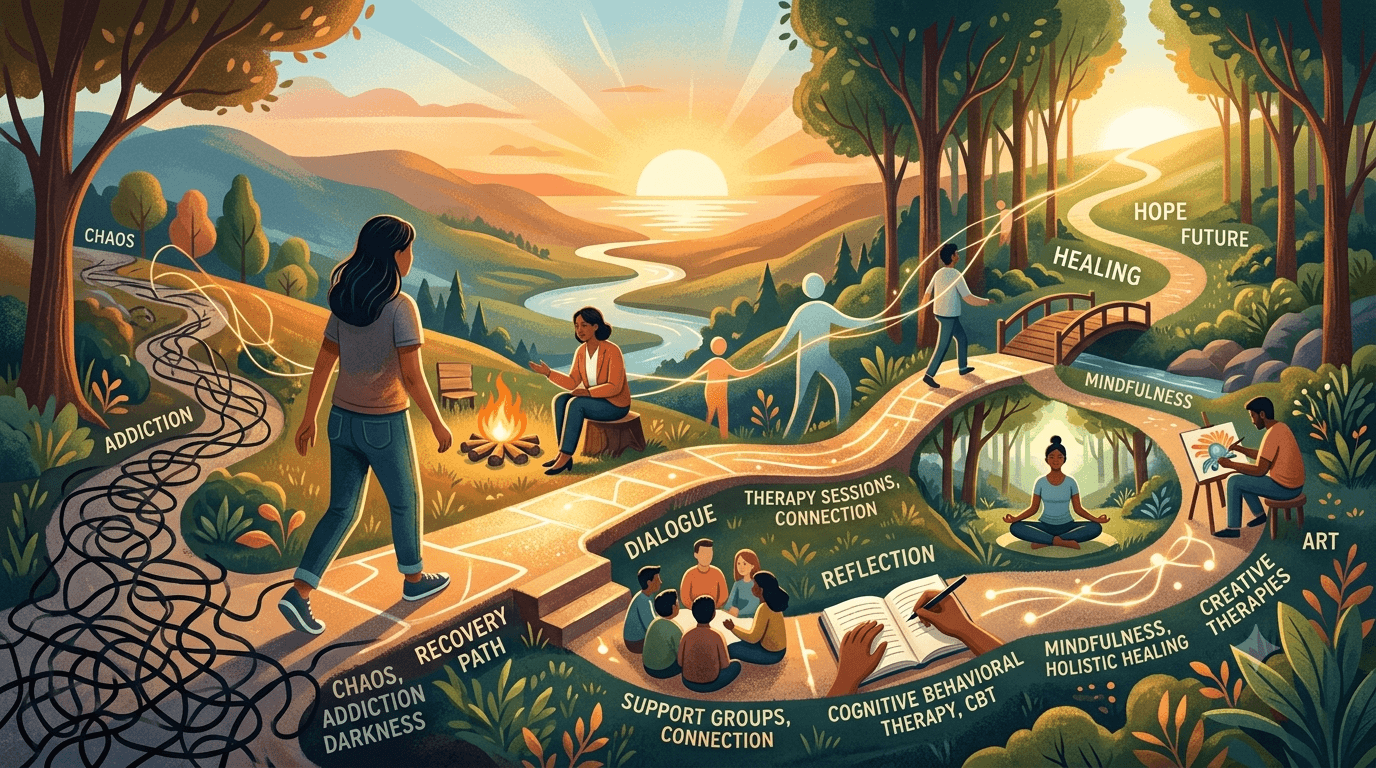
.webp)


Key Takeaways
- Evidence-based treatment matters: Greensboro rehab programs using cognitive-behavioral therapy, therapeutic communities, and structured relapse prevention consistently deliver better outcomes than unproven approaches.
- Match your needs to the right level of care: Residential programs work best for those facing repeated relapse or needing medical supervision, while outpatient options suit individuals with stable housing and strong support systems.
- Dual diagnosis treatment is essential: Integrated programs addressing both substance use and mental health conditions together produce stronger, more lasting recovery than treating either issue alone.
- Insurance and financial assistance are available: Federal parity laws require insurance coverage for addiction treatment, and Medicare covers many behavioral health services, making quality care accessible to more families.
- Recovery is a long-term process: Programs lasting 9-12 months show significantly better outcomes, and continuing care through alumni programs and aftercare services greatly improves long-term success.
Understanding Your Local Recovery Options
Exploring local recovery options in Greensboro often feels overwhelming, especially when you're sorting through dozens of program types and promises. Many individuals and families share this challenge—seeking real help but unsure where to begin. Greensboro rehab facilities offer a spectrum of addiction treatment choices rooted in evidence-based care, from residential programs that provide round-the-clock support to outpatient solutions designed for busy lives and family responsibilities.
These centers often blend mental health treatment with substance use services, knowing that effective recovery addresses both emotional health and addiction together. By understanding the local landscape—including dual diagnosis programs and trauma-informed approaches—you gain the clarity needed to choose a path that truly fits your needs, priorities, and wellness goals.10
Defining Evidence-Based Treatment Pathways
Evidence-based treatment pathways in Greensboro rehab are grounded in clinical research and real-world results, not guesswork or untested methods. These approaches—such as cognitive-behavioral therapy, structured relapse prevention plans, and therapeutic community models—consistently deliver improved recovery outcomes versus approaches lacking scientific support.2
Practitioners in reputable addiction treatment centers rely on these validated strategies, often offering residential treatment, intensive outpatient care, and dual diagnosis support for those with both addiction and mental health needs. Exploring these options helps you choose care that fits your actual situation, not just what sounds good on paper.
Residential and Outpatient Program Fundamentals
Residential and outpatient programs remain the backbone of successful Greensboro rehab, each structured around distinct levels of supervision and daily life needs. Residential care provides 24/7 support in a focused healing space, removing everyday distractions so clients can work deeply on recovery.
Outcomes improve when individuals complete the full recommended stay. Outpatient programs offer flexibility—enabling people to maintain their jobs and family roles while still receiving rigorous, scheduled treatment and group therapy. Both program types are rooted in research-backed methods proven to increase long-term recovery and reduce relapse for individuals and families seeking a structured path forward.8
Role of Cognitive and Experiential Therapies in Outcomes
Cognitive and experiential therapies play a vital role in effective Greensboro rehab programs by equipping individuals with skills to manage triggers and build resilience. Cognitive-behavioral therapy (CBT) targets the thought patterns that drive substance use, helping clients create actionable relapse prevention strategies.
Practitioners see better outcomes when CBT is paired with medication or other behavioral therapies. Experiential therapies, including art or adventure-based activities, engage both the mind and body, offering space to process trauma and foster healthy connections. These evidence-based approaches continue to show real-world impact for many in recovery.1
Self-Assessment: Identifying Your Unique Needs
Accurate self-assessment is the foundation for choosing a Greensboro rehab path that matches your daily reality and recovery goals. Many people feel uncertain when weighing options, but it's vital to consider work demands, ongoing family responsibilities, and your mental and emotional health.
Honest review of your substance use history—including prior attempts at recovery—can clarify the level of care needed. Facilities often provide screening tools to identify co-occurring disorders, trauma backgrounds, and sources of social support, which research shows are linked to stronger outcomes when addressed directly in treatment. This step gives you a grounded starting point and reduces the risk of choosing an environment—outpatient or residential—that doesn't fit your actual needs.1
The Integration of Mental Health and Addiction Recovery
True recovery in Greensboro rehab requires a thoughtful blend of mental health and addiction care—these are inseparable for sustained healing. Many people discover their struggles with substance use are closely tied to conditions like depression, anxiety, or trauma, which demand professional attention.
Integrated, or dual diagnosis, programs directly address these realities by combining addiction treatment and evidence-based mental health therapies. Research clearly supports this approach. Effective local centers ensure clients receive psychiatric assessment, tailored therapy, and medication management if needed. When both emotional health and substance use are treated together, clients build stronger foundations to avoid relapse and manage life's challenges—especially in settings where holistic healing is prioritized.10
Dual Diagnosis: Why It Matters for Sustainable Recovery
Dual diagnosis care gives people living with both substance use issues and mental health conditions—such as depression or trauma—the chance to truly move forward. The best results come when Greensboro rehab centers treat both challenges together, not in isolation.
This integrated model leads to stronger recovery and fewer setbacks than programs focusing on addiction alone. Practitioners regularly see that untreated anxiety, mood disorders, or trauma can quickly undermine sobriety unless identified and addressed within treatment. Evidence-based dual diagnosis programs offer psychiatric care and addiction counseling side by side, giving people the support needed for lasting stability.10
Addressing Trauma, Anxiety, and Co-occurring Disorders
Addressing trauma, anxiety, and co-occurring mental health disorders in Greensboro rehab demands truly specialized care. Many professionals in the field recognize that underlying emotional wounds often fuel substance use, complicating recovery if left untreated.
Effective treatment centers deliver trauma-informed care—integrating cognitive-behavioral therapy with relapse prevention to directly target the interplay of distress and addiction. This approach works best when therapies like EMDR, anxiety management, and mood stabilization are combined into an individualized plan, creating a path that supports long-term recovery and addresses emotional wellness alongside sobriety.2
Understanding Medication-Assisted Versus Abstinence Models
Choosing between medication-assisted treatment (MAT) and abstinence-based models in Greensboro rehab involves real differences in philosophy, daily structure, and clinical support. MAT—using medications like buprenorphine, methadone, or naltrexone—can make withdrawal more manageable and reduce cravings, often paired with therapy to address underlying patterns and relapse risks.
This combination delivers stronger outcomes for many, especially those with opioid use disorder. In contrast, abstinence-based models focus on behavioral changes, spiritual support, and community—ideal for those who prefer a drug-free approach. Recovery centers offer both, adapting based on each person's history, health profile, and goals.1
Ethical and Transparency Considerations in Treatment
Ethics and transparency are non-negotiable pillars for anyone seeking quality care at a Greensboro rehab facility. During moments of crisis, most people feel exposed—making it essential to choose programs that operate with unwavering honesty and professional accountability.
Reputable treatment centers maintain licensing, recognized accreditation, and open reporting on care outcomes so you can judge real effectiveness. Studies confirm that individuals engaged in evidence-based treatment are much more likely to achieve lasting sobriety compared to those receiving minimal or non-clinical support. Facilities that put transparency first provide clear information about their clinical approaches, staff expertise, and results—empowering individuals to make informed, confident decisions for themselves or loved ones. These ethical standards safeguard dignity and directly support long-term recovery for every client.10
Upholding Privacy, HIPAA, and Confidentiality
Every Greensboro rehab must adhere to the highest standards of privacy and confidentiality to protect clients throughout the treatment journey. HIPAA (Health Insurance Portability and Accountability Act) sets a legal baseline: facilities rigorously safeguard medical records, therapy notes, and session details.
Federal guidelines for substance use disorder care go further, prohibiting disclosure of any client information—even to family, employers, or authorities—without explicit, written consent. Staff in trusted addiction recovery centers receive dedicated training on these rules, and secure documentation systems are mandatory. These safeguards reassure individuals seeking addiction or dual diagnosis support that their care remains private, encouraging open dialogue about challenges and goals.10
Evaluating Program Credibility, Accreditation, and Outcomes
Discerning which Greensboro rehab programs deliver true quality requires more than trusting websites or phone consultations. Credible addiction treatment centers hold recognized accreditation—such as The Joint Commission or CARF International—which signals they consistently meet rigorous safety and clinical care standards.
These credentials involve regular, independent evaluations of clinical protocols and client safety. Equally important, reputable facilities share outcome data like completion rates and post-treatment sobriety, offering objective proof of effectiveness. Centers committed to transparency will clearly outline their therapeutic methods, qualifications of their team, and measurable results, empowering families to make decisions rooted in evidence—not just hope.10
Ensuring Access: Insurance, Telehealth, and Inclusivity
Accessing quality care at a Greensboro rehab often hinges on breaking down real barriers—not just financial, but geographic and cultural as well. Many families encounter obstacles like limited insurance knowledge, long commutes, or uncertainty about program inclusiveness.
Federal parity laws now require insurance plans to cover addiction treatment on par with other health conditions, yet verifying coverage details can be a challenge. Telehealth options have transformed accessibility, especially for those in rural areas or balancing work and home life; recovery sessions, group therapy, and aftercare can now happen right from home.
Leading centers actively remove hurdles by offering sliding-scale fees, multilingual staff, and culturally aware programming designed for veterans, the LGBTQ+ community, and people with disabilities. Importantly, Medicare covers certain mental health and substance use services, making treatment possible for more people in need. Inclusive and flexible access remains essential—no one should miss out on evidence-based recovery because of financial or logistical barriers.13
Decision Framework for Choosing Greensboro Rehab
Choosing the right Greensboro rehab requires a clear, step-by-step plan that accounts for clinical standards, your life responsibilities, and personal preferences. Many individuals feel pressure and confusion when matching available treatment options—like inpatient care, outpatient rehab, or specialty services—with their unique needs.
To make this process actionable, experts recommend using a personalized decision matrix to weigh factors such as treatment effectiveness, staff experience, schedule flexibility, and your support system. Evidence from cognitive-behavioral therapy and therapeutic community approaches consistently supports this structured decision-making, especially for reducing relapse risk and building sustainable recovery2. Whether you're seeking a residential facility, an outpatient program, or dual diagnosis care, a patient-centered framework helps filter marketing promises and empowers you to select what truly matches your immediate and long-term wellness goals.
Criteria for Selecting Local Rehab Services
Selecting the right Greensboro rehab means moving beyond brochures and online reviews to evaluate what truly drives lasting recovery. Many families and professionals feel frustrated when faced with services that promise results but offer little evidence.
Reliable addiction rehab centers set themselves apart through documented outcomes, evidence-based therapies, and detailed accreditation standards like those set by The Joint Commission or similar organizations. When assessing treatment options, look at the range of therapy methods, staff training, staff-to-client ratios, program length, and the integration of mental health support. Because substance use recovery isn't one-size-fits-all, compare facilities' approaches—such as medication-assisted versus abstinence-based care—to determine what aligns with your needs. This level of detail helps you identify a recovery setting that's accountable and structured to support genuine progress for complex mental health and addiction challenges.10
Comparing Program Types, Length, and Specialties
When choosing among Greensboro rehab programs, understanding the differences in care models is essential. Residential treatment delivers around-the-clock structure for several weeks or months, which is especially beneficial if your history includes repeated relapse or co-occurring conditions.
Intensive outpatient and partial hospitalization (often 9–15 hours weekly or longer day programs) work well when life responsibilities can't pause completely. Specialists often develop tailored tracks—for example, programs for working professionals or individuals coping with trauma. Longer engagement in any model consistently leads to stronger, more lasting recovery outcomes.8
Assessing Evidence-Based Therapies and Staff Expertise
Evaluating Greensboro rehab options means focusing on two essentials: the clinical approaches a program provides and who actually delivers the care. Families and individuals have learned firsthand that centers using research-backed therapies like cognitive-behavioral therapy, dialectical behavior therapy, and trauma-informed interventions consistently foster better recovery.1
The most effective facilities insist on hiring licensed, credentialed staff whose training specifically matches these evidence-based models. Look for clear transparency about staff licensure, certification, and ongoing education. This level of clinical rigor drives meaningful changes—especially in programs treating co-occurring disorders or trauma.
Evaluating Client Outcomes and Testimonials
Real insight into a Greensboro rehab program's impact comes from clear, measurable outcomes paired with genuine client testimonials. It's common to see glowing reviews, but unless centers disclose specific data—such as recovery rates at 6 or 12 months—families are left guessing about true effectiveness.
Experts in substance use treatment routinely stress the value of outcome transparency, including sharing long-term follow-up as well as post-treatment quality of life. Centers committed to integrity will provide verified results and testimonials that focus on concrete changes, not vague praise. Research proves participants in evidence-based residential programs experience far fewer relapses and legal issues after discharge.8
Weighing Flexibility, Accessibility, and Support Systems
Treatment decisions at a Greensboro rehab often rest on how well a program fits the realities of daily life—balancing job demands, family care, transportation issues, and the strength of existing support networks. Countless people seeking addiction recovery report these as make-or-break factors.
Effective centers respond by offering services like evening groups, transportation help, and strong aftercare—all proven tools for keeping recovery on track. Research underscores that programs actively integrating group therapy and real-life support features see higher success, particularly for those managing mental health challenges alongside addiction. Prioritize facilities that address not only treatment quality but also practical needs, so sustained engagement remains possible when life feels overwhelming.2
Flexible Scheduling for Professionals and Families
Flexible scheduling transforms recovery at Greensboro rehab into a realistic option for working professionals and families who cannot disrupt daily commitments. Expert practitioners have learned that when programs offer appointment blocks outside standard hours—such as evenings or weekends—clients are far likelier to complete therapy cycles and sustain progress.
In practice, effective outpatient addiction treatment in Greensboro provides confidential scheduling, workplace-specific counseling, and routines adapted for parents and caregivers. Centers continually update group formats and session times based on client feedback, especially for those balancing high job stress or caregiving. Interactive group therapies, not just lecture-style meetings, prove especially valuable for people facing co-occurring conditions. This program design supports real-world responsibilities while prioritizing the quality and continuity of care.2
Transportation, Aftercare, and Community Resources
Consistent access to Greensboro rehab often depends on practical supports like transportation solutions and strong aftercare resources. Many individuals face genuine barriers reaching outpatient therapy, especially in areas where bus routes are limited or appointment times conflict with job obligations.
Trusted treatment providers frequently offer ride coordination, gas cards, or partnerships with local agencies to help ease this burden. Aftercare remains just as vital—programs connecting clients with alumni groups, sober living networks, and crisis support foster continuity well beyond discharge. Research highlights that ongoing, evidence-based engagement with local mutual aid, peer mentorship, and family counseling can dramatically increase long-term recovery rates.10
Holistic and Experiential Program Enhancements
Holistic and experiential therapies at Greensboro rehab create vital opportunities for healing that traditional talk therapy alone can miss. Treatment professionals routinely witness the positive effects of offerings like art therapy, music therapy, equine-assisted programs, and nature-based counseling; these options promote nonverbal expression and address trauma when words fall short.
Leading facilities weave in mindfulness, yoga, and nutrition education, responding to the real-world needs of clients seeking full-body and emotional wellness. Research confirms that interactive, creative approaches—not just lectures—boost recovery engagement and success, especially for those with co-occurring mental health concerns. This route fits individuals who benefit from hands-on or creative outlets when verbal processing is difficult.2
Building Your Personalized Recovery Decision Matrix
Building a personalized recovery decision matrix helps transform a mountain of confusing treatment choices into a tool for confident, informed action. Many families in Greensboro rehab settings tell us decision fatigue is real—especially when urgent needs collide with complex program claims.
Experienced practitioners recommend mapping your core priorities—like therapy quality, program length, accessibility, and family involvement—against each local recovery center. By systematically rating how well each facility addresses your needs, you create a path that filters out noise and keeps evidence-based effectiveness at the center. Research validates that using structured tools and prioritizing therapies like cognitive-behavioral therapy or therapeutic communities leads to stronger, more sustainable recovery outcomes. This approach is ideal for anyone overwhelmed by options, determined to match their clinical and real-life needs to the most appropriate Greensboro rehab support available.2
Scoring Weight: Clinical Quality vs. Lifestyle Needs
Assigning appropriate weight to clinical quality and lifestyle needs is a critical skill when choosing a Greensboro rehab program. Seasoned professionals know that individuals sometimes sacrifice clinical excellence for more convenient schedules—or, conversely, commit to a rigid model that disrupts family or work life.
Research confirms that therapeutic communities and cognitive-behavioral therapy with relapse prevention remain foundational for reducing relapse and recidivism. For the best fit, recovery planners often recommend scoring facilities by listing attributes in two categories: "clinical rigor" (such as licensure, evidence-based methods, and transparent outcomes) and "lifestyle support" (flexible appointments, transportation, and aftercare resources).2
Scoring should reflect your true situation—parents or professionals may value adaptive logistics, while someone with complex dual diagnosis may give more weight to specialized clinical services. This honest ranking helps individuals and families commit to a program that won't just look good on paper but actually supports successful, sustainable recovery.
Balancing Budget, Insurance, and Location Proximity
Balancing budget with insurance coverage and location is a practical challenge many families face when comparing Greensboro rehab options. It's common for effective addiction recovery centers to be further from home or have varying program costs.
Insurance, including Medicare, can help cover essential behavioral health services. In-person proximity supports frequent family visits and easier aftercare but may limit your choices if local programs lack specialized care for dual diagnosis or trauma. Experienced providers recommend weighing location convenience, insurance coverage, and your need for clinical expertise to find the most supportive environment.13
Decision Support Tools: Self-Assessment Checklists
Reliable decision support tools anchor the recovery planning process for anyone searching for the right Greensboro rehab. In the field, practitioners rely on structured self-assessment checklists that prompt you to consider questions about the severity of your substance use, daily stress levels, family dynamics, and available support.
These checklists also address key behavioral health services needs and logistical realities, such as transportation and accessibility. Pennsylvania's Treatment Atlas is one resource that lets individuals compare addiction recovery center options based on evidence-based care, insurance compatibility, and other criteria—highlighting growing momentum for transparency and patient empowerment in treatment choice. Most reputable local centers in Greensboro rehab use similar screening tools during intake to help ensure you align with the therapeutic intensity and program model most likely to support long-term success.11
Implementation Pathways to Lasting Recovery
Making the leap from discussing Greensboro rehab options to actually beginning recovery requires a plan built on proven structure and compassion. Clinical experience shows many individuals know their choices, yet the hurdles of daily routines—work, family, finances—can stall progress when support isn't specific enough.
Effective addiction recovery centers in Greensboro have developed three clear pathways: intensive residential treatment, flexible outpatient programs, and holistic therapies each tailored to distinct recovery needs. Research makes clear that those in structured residential programs report lower relapse and recidivism rates. These implementation routes, whether focused on medical supervision, outpatient flexibility, or whole-person wellness, ground evidence-based care in real lives. By aligning personal circumstances with the right level of behavioral health services, individuals transform recovery planning into sustained, day-to-day action.8
Pathway One: Intensive and Residential Care
Intensive and residential programs at Greensboro rehab provide a structured, immersive environment for those needing constant medical oversight and a break from outside stressors. This setting is especially effective for individuals coping with severe substance use, recurrent relapse, or dual mental health diagnoses that require urgent stabilization.
Experienced providers in addiction recovery center settings recommend this path when sustained attention, peer accountability, and in-depth therapy are necessary for safety and progress. Typical stays span several weeks to a few months, allowing enough time for detoxification, psychiatric assessment, individual and group counseling, and skill-building. Research shows therapeutic communities within residential treatment consistently lower relapse and recidivism rates. The daily rhythm, close professional support, and mutual encouragement lay a foundation for lasting behavioral health change that continues long after discharge.8
Navigating Admission to Medical Detox or Inpatient Rehab
Starting admission to medical detox or inpatient rehab at a Greensboro rehab center can feel daunting, especially during a crisis when safe withdrawal and stabilization are urgent. In practice, the process involves a rapid clinical assessment by licensed staff who evaluate both substance use and medical needs to determine the safest level of care.
Admission typically includes an intake interview, a thorough medical and psychological evaluation, and clear discussions about behavioral health services and available support systems. Centers often have dedicated admissions coordinators to guide families through paperwork, insurance verification, and the development of an initial treatment plan tailored to each individual's situation. This thorough, stepwise approach ensures safety and sets the stage for effective, evidence-based recovery.8
Therapeutic Community Milestones and Aftercare
Therapeutic community programs at Greensboro rehab outline clear, phased milestones to track progress—from emotional stabilization to increasing everyday responsibilities. Weekly reviews assess growth in emotional regulation, peer relationships, and practical life skills.
As clients demonstrate new strengths, privileges and responsibilities expand accordingly, which helps reinforce confidence and readiness for transition. Research confirms that intensive residential programs using this model see notably lower relapse and recidivism rates. High-quality addiction recovery centers start aftercare planning well before discharge, mapping out support networks, counseling appointments, and transportation arrangements to close the gap between structured care and independent living. These steps are essential for clients, especially those with co-occurring mental health needs, as they build lasting recovery support outside the facility.8
Transitioning to Sober Living and Long-term Supports
Transitioning out of residential care at a Greensboro rehab calls for thoughtfully structured sober living and reliable long-term supports. Many people struggle to stay on track when returning to homes or communities where familiar triggers resurface.
Sober living homes offer a crucial bridge, pairing peer accountability with safe, substance-free routines and regular requirements like community meetings or work. These environments help individuals strengthen daily skills and independence while staying connected to an active support network. Recovery professionals see lasting results when step-down care includes continued therapy, alumni engagement, and community resources tailored to evolving needs. Research highlights that therapeutic communities and ongoing relapse prevention support lower recidivism and help sustain recovery. A careful approach to this transition, with a strong behavioral health services plan, gives the best chance for stability and long-term wellness.2
Pathway Two: Outpatient and Flexible Recovery Plans
Outpatient and flexible recovery plans at Greensboro rehab offer a lifeline to those who must balance treatment with ongoing life demands—like employment, caregiving, or school. These plans work particularly well when stable housing, transportation, and a supportive environment are in place.
Clinically, addiction recovery center professionals structure offerings from daily programming down to weekly counseling, always guided by evidence-based practices such as cognitive-behavioral therapy or group work. Research shows that increased access to intensive outpatient and partial hospitalization programs empowers more people to pursue help without uprooting their lives. Flexible scheduling, medication management, and crisis support have become critical features for working adults and parents in Greensboro. By supporting new coping skills within day-to-day environments, these outpatient options prioritize steady progress and meaningful engagement in long-term behavioral health services.9
Optimizing Intensive Outpatient and Partial Hospitalization
Intensive outpatient and partial hospitalization programs at Greensboro rehab give individuals firm structure while respecting the need to honor family, work, and community roles. Typically involving 9 to 20 hours a week, these behavioral health services include customized group therapy, personal counseling, and real-world skill-building—letting clients practice recovery tools in daily life.
Partial hospitalization blends medical supervision with intensive therapy during the day, while evenings remain open for home responsibilities. Research confirms the expansion of these levels of care has improved access for those balancing treatment with life's demands, helping more people in Greensboro sustain progress without sacrificing stability.9
Blending Career and Family with Therapy Engagement
Juggling work, family, and therapy engagement at a Greensboro rehab facility means facing pressures many professionals and caregivers quietly carry. Experienced addiction recovery center teams have seen how employment uncertainties, parental duties, and rigid schedules can cause immense strain, increasing risks for missed sessions or relapse.
This path makes sense for those who cannot pause life, so treatment programs now offer workplace-friendly scheduling, discreet support around job needs, and therapy sessions accessible during evenings or weekends. Evidence shows flexible outpatient and partial hospitalization programs have opened vital doors for individuals with busy lives, enabling lasting participation without sacrificing career or parental responsibilities. Selecting a Greensboro rehab that coordinates with employers, includes family therapy opportunities, and personalizes schedules makes it possible to sustain real change within the demands of everyday life. Behavioral health services work best when integrated with the realities of work and home, not set apart from them.9
Continuing Care: Virtual Options and Alumni Programs
Continuing care in Greensboro rehab now routinely includes virtual therapy sessions, telehealth check-ins, and alumni programs that sustain connection after discharge. For many in addiction recovery, ongoing digital access means missed appointments due to job or family demands become far less likely.
Virtual behavioral health services offer structured support groups and individual counseling, designed to reinforce coping skills when real-world stress returns.
- Scheduled video sessions provide ongoing accountability
- Online peer support groups and crisis hotlines remain available
- Alumni networks connect recent graduates to mentorship and shared success stories
Recent evidence demonstrates that expanding intensive outpatient and partial hospitalization programs has allowed more people to access flexible, high-quality recovery support even as life grows complicated. These digital and alumni offerings form a practical safety net, helping individuals maintain steady progress and stay engaged in long-term addiction recovery center communities.9
Pathway Three: Family, Holistic, and Specialized Therapies
Family, holistic, and specialized therapies form a distinct pathway at Greensboro rehab, empowering individuals and their loved ones to heal together and address challenges beyond what standard talk therapy can reach. Many facing substance use disorder in Greensboro discover that progress accelerates when treatment centers involve family systems, creative modalities, and tailored interventions for trauma or co-occurring mental health conditions.
Providers promote evidence-based family counseling, interactive group work, and innovative techniques such as art therapy, music therapy, and nature-based activities. This approach works best when clients require support for relational healing, emotional expression, or culturally specific needs. Research underscores that interactive therapies and family-focused programming significantly improve engagement and outcomes, especially for groups dealing with complex behavioral health issues. Programs often feature education, couples counseling, and specialty tracks, helping every person access recovery on their own terms through a true addiction recovery center partnership.2
Strengthening Family Systems During Recovery
Effective Greensboro rehab recognizes that substance use challenges impact the whole family—not just the individual in care. Those providing addiction recovery services consistently witness that fractured trust, repeated miscommunication, and unresolved conflict often persist unless families participate in their own healing process.
By prioritizing family therapy as a core part of treatment, reputable recovery centers equip loved ones with tools grounded in structural and multi-dimensional family therapy—teaching transparent communication, healthy boundaries, and accountability. When family members engage in educational sessions, trauma-informed counseling, and guided relationship work, positive patterns begin to replace old cycles. Interactive group-based support, especially in programs treating co-occurring mental health disorders, reliably helps families rebuild a supportive foundation for sustainable wellness.2
Incorporating Holistic, Art, and Experiential Therapies
Many individuals and families navigating Greensboro rehab find that holistic and experiential therapies give voice to challenges traditional talk therapy can't always reach. Addiction recovery center practitioners regularly integrate art therapy, music-based exploration, and drama or movement sessions—allowing people to process emotions and trauma when words fall short.
Programs often add adventure counseling or equine-assisted activities, creating hands-on opportunities for trust-building and emotional regulation. Facilities that prioritize interactive, group-based healing—not just didactic instruction—see higher engagement, especially among those with co-occurring mental health needs. Research strongly supports the use of these experiential and creative approaches for deeper recovery and lasting wellness.2
Unique Approaches for Relapse Prevention and Wellness
At reputable Greensboro rehab centers, unique relapse prevention and wellness strategies blend evidence-based therapies with innovative, practical tools that meet real-life needs. Many treatment professionals find that standard relapse prevention can miss the mark if it only focuses on avoiding triggers—true progress often comes from actively building healthier routines that reinforce new habits.
Programs now incorporate mindfulness practice, adventure-based counseling, and somatic therapies, supporting greater self-awareness and emotional stability.
- Mindfulness-based relapse prevention for greater control over impulses
- Group fitness or nutrition education to reinforce whole-person health
- Creative therapies and peer support networks for ongoing engagement
Research consistently demonstrates that therapeutic communities and cognitive-behavioral therapy paired with proactive relapse prevention reduce recidivism and strengthen lasting change. These wellness approaches recognize that the most sustainable recovery often grows from a complete lifestyle shift, not just removing substances.2
Frequently Asked Questions
When people consider Greensboro rehab, real-world questions about addiction recovery center options, financial logistics, and expectations come up time and again. It's common—and completely normal—to feel confused or uncertain when weighing treatment pathways, especially for those managing work, family, or behavioral health services needs. Evidence shows that engaging in evidence-based rehab increases the likelihood of maintaining real, long-term sobriety compared to minimal support. The following FAQ answers reflect the specific concerns clients and families share most often, pairing clear guidance with validation for your circumstances. Addressing these details head-on helps create a smoother, more confident recovery journey in your local area.10
How do I decide between residential and outpatient rehab in Greensboro?
Choosing between residential and outpatient rehab in Greensboro should start with an honest look at your current environment, daily pressures, and support system. Residential care is ideal when someone faces ongoing relapse, needs withdrawal monitoring, or struggles with day-to-day triggers that make home risky. It offers round-the-clock structure and a dedicated therapeutic community so individuals can fully focus on recovery.
Outpatient rehab works when you have stable housing, reliable transportation, and a strong support network—allowing daily life and addiction recovery to coexist. Extensive research supports that intensive residential programs reduce chances of relapse and rearrest. Every Greensboro rehab facility should help clients weigh prior recovery attempts, mental health needs, and personal safety, matching the level of behavioral health services to what will truly support progress.8
Is virtual or telehealth outpatient rehab available for Greensboro residents?
Virtual and telehealth outpatient rehab services are now standard offerings at many Greensboro rehab centers, recognizing the real challenges that work, transportation, or family obligations present. Local addiction recovery centers regularly deliver secure video counseling, digital group therapy, and online relapse prevention sessions—making it possible for individuals to stay engaged even if in-person attendance isn't feasible.
Research shows these telehealth models improve access, especially for those managing jobs or child care. Leading behavioral health services in Greensboro now couple remote and in-person care, allowing for personalized support that adapts around life's realities—so recovery remains consistent, no matter your schedule or location.9
What makes holistic or alternative therapies effective as part of substance use recovery?
Holistic and alternative therapies within Greensboro rehab enrich traditional talk therapy by opening accessible channels for emotional, physical, and spiritual healing. Providers in the addiction recovery center field regularly observe that techniques like art therapy, music-based group work, mindfulness, and equine-assisted activities help clients process trauma and emotions that might not surface in verbal sessions alone.
These evidence-based behavioral health services are especially powerful for individuals with co-occurring mental health conditions or those who struggle with self-expression in standard therapy formats. Facilities offering these experiential therapies consistently report improved engagement and long-term recovery, confirming that healing often accelerates when nonverbal modalities are integrated alongside cognitive interventions.2
Can family members be involved in the treatment and recovery process?
Family involvement at a Greensboro rehab often marks a turning point in long-term healing and relapse prevention. Addiction recovery center experience shows that active family participation—through structured education, skills groups, and guided therapy—rebuilds trust and improves outcomes for everyone.
Many programs offer educational workshops on substance use, communication training, and practical boundary-setting for loved ones. Research emphasizes that interactive group therapy and family-focused counseling strengthen recovery, especially for those facing co-occurring mental health concerns. These approaches empower relatives to contribute to the recovery journey by learning healthy support—and by addressing their own needs as well. Family systems thrive when everyone commits to growth, accountability, and open understanding together.2
How does confidentiality work—will my job or community find out about my treatment?
In Greensboro rehab, strict confidentiality rules protect your privacy and ensure that your participation in addiction recovery remains confidential. Federal law—specifically 42 CFR Part 2—sets privacy protections for substance use treatment that are even more strict than HIPAA, forbidding treatment providers from sharing your information with employers, community members, or legal authorities without your explicit written consent.
High-quality addiction recovery centers reinforce these standards with secure record systems and ongoing staff training, safeguarding every client's dignity at each step. These safeguards empower individuals to engage honestly in behavioral health services without fear of community stigma or workplace consequences.10
What are the signs you may need a more intensive level of care?
Recognizing the need for more intensive care during Greensboro rehab often surfaces when certain red flags appear. Warning signs include persistent cravings or repeated relapse even after full engagement in outpatient addiction recovery center programs.
If daily life feels unmanageable due to overwhelming triggers, or if symptoms like severe depression, anxiety, or trauma disrupt your ability to function, these are clear indicators that outpatient behavioral health services may no longer meet your needs. Medical concerns—such as complications from substance use or significant withdrawal symptoms—require clinical monitoring only available through residential settings. Research shows that individuals who participate in 9 to 12 months of structured treatment have significantly improved outcomes and lower relapse risk compared to shorter stints. Trusted Greensboro rehab providers will assess your history and current symptoms to determine if a transition to a higher level of care could offer greater stability, safety, and hope for lasting change.1
How does Greensboro rehab support continuing care after discharge?
Many individuals worry about how to stay connected and supported once they leave a Greensboro rehab program. Addiction recovery centers in Greensboro emphasize ongoing care that bridges the gap between structured treatment and long-term independence.
Supportive alumni programs, monthly check-ins, group therapy, peer mentorship, and access to behavioral health services help maintain accountability and connection. Research confirms that these continuing care strategies—like scheduled follow-up counseling and 24/7 crisis hotlines—greatly improve long-term recovery compared to unaided approaches. Center staff often coordinate with local sober living homes, vocational programs, and family therapy to reinforce progress and strengthen recovery beyond the initial treatment period.10
What is the average cost range for rehab in Greensboro, and what affects the price?
Determining costs for Greensboro rehab can be overwhelming, as fees are shaped by the type of care, program length, clinician specialization, and support services included. Addiction recovery centers may adjust pricing based on residential or outpatient settings, staff-to-client ratios, and added therapies for dual diagnosis or trauma needs.
Facilities with access to psychiatric support or holistic therapies may require higher investment. Location often influences expenses, while behavioral health services like transportation or aftercare add further variables. Importantly, insurance—especially under parity laws and Medicare—now covers many behavioral health needs, easing financial barriers for most families. Always clarify what's covered and discuss options with each provider.13
How quickly can I start treatment—are same-day admissions possible?
Getting started at a Greensboro rehab often feels urgent, especially when withdrawal or crisis makes waiting even a day seem overwhelming. Most addiction recovery centers strive to offer admissions within 24 to 72 hours, depending on bed availability, your clinical needs, and insurance confirmation.
Medical detox programs prioritize rapid or same-day entry for those in medical distress, while residential behavioral health services may keep a short waitlist, with urgent safety cases moved up. Outpatient and partial hospitalization programs provide even quicker intake—sometimes within a day or two. Insurance processing may cause a brief delay, so having documents ready can help. Research confirms that entering intensive treatment quickly reduces the risk of relapse and legal issues.8
How do I use insurance or find financial assistance for treatment?
Navigating insurance for Greensboro rehab often begins with a straightforward call to your provider, asking for details about substance use and behavioral health services coverage. Many clients learn that insurance plans are required by federal parity laws to cover addiction treatment—often including both inpatient and outpatient recovery options—at the same level as medical care.
Experienced addiction recovery center staff recommend requesting an insurance verification upfront; most facilities provide specialists who clarify what's covered, explain deductibles and co-pays, and help secure any needed preauthorizations. For those who qualify, Medicare covers many substance use and mental health services, easing access for eligible adults. Financial assistance routes—sliding-scale fee arrangements, individualized payment plans, and potential scholarship support—are available at most reputable Greensboro rehab programs. These resources mean families rarely need to face the path to recovery alone.13
What should I look for to verify the quality and safety of a Greensboro rehab center?
Validating the quality and safety of a Greensboro rehab requires more than skimming marketing claims. Look for third-party accreditation, with organizations such as The Joint Commission or CARF International regularly auditing addiction recovery centers for strict safety and clinical standards.
High-quality programs share outcome data and clearly detail their therapeutic philosophy, therapy modalities, and staff credentials. Person-first, evidence-based care matters—therapeutic communities and cognitive-behavioral therapy with structured relapse prevention are proven to reduce recidivism and foster lasting recovery. A trustworthy behavioral health services provider will also show complete licensing, transparent privacy policies, and willingly review specific outcome measures and staff experience when asked.2
How long do programs typically last, and why does the duration matter?
Program length at Greensboro rehab varies to meet individual needs, but most residential stays last 30 to 90 days, and structured outpatient programs often extend from three to nine months. Longer engagement—especially 9–12 months—yields stronger, more stable outcomes according to addiction recovery center research.1
Effective behavioral health services focus on skill-building, trauma work, and steady therapeutic support because lasting recovery cannot be rushed. Practitioners witness that taking extra time to rebuild coping skills and address mental health directly protects against relapse and supports real change.
What if I have already relapsed after previous treatment—are there alternative approaches?
Relapse can feel deeply discouraging, yet many individuals discover that returning to Greensboro rehab after a setback leads to stronger, lasting recovery—especially when the next step is tailored with care and honesty. Treatment professionals emphasize that setbacks often reveal unmet needs: undiagnosed mental health challenges, trauma, or simply not enough therapeutic intensity.
Greensboro addiction recovery centers increasingly adopt interactive group therapy and dual diagnosis programs to directly address these gaps. Practitioners guide clients toward longer residential care, medication-assisted treatment for those who haven't found success with abstinence models, and robust aftercare involving sober living and ongoing outpatient support. This approach matches the real-world complexities families and individuals face during recovery.2
Does your facility provide integrated treatment for mental health and addiction?
High-quality Greensboro rehab programs recognize that sustainable recovery often hinges on treating both substance use disorder and mental health issues in tandem—a reality many families confront firsthand. Research proves that integrated, or dual diagnosis, approaches—where addiction recovery center teams include psychiatrists, therapists, and addiction counselors—consistently lead to better long-term results than treating either condition alone.10
In practice, integrated behavioral health services mean clients access psychiatric evaluation, medication management as needed, trauma therapy, and specialized group support all within one coordinated care plan. This method is especially valuable for individuals whose anxiety, depression, or trauma may be intertwined with substance use, ensuring no part of their healing is overlooked or fragmented.
How do medication-assisted treatments (MAT) differ from abstinence-only models?
Medication-assisted treatment (MAT) and abstinence-only models reflect two very different routes toward recovery in Greensboro rehab. MAT combines FDA-approved medicines—such as buprenorphine, methadone, or naltrexone—with structured behavioral health services and counseling.
This approach makes withdrawal more tolerable and reduces cravings, delivering strong support for opioid use disorder, especially when combined with cognitive-behavioral therapy. Abstinence-based models, by contrast, emphasize total sobriety without medications, focusing on behavior change, peer-driven therapeutic communities, and a supportive addiction recovery center environment. Many treatment providers in Greensboro offer both frameworks, tailoring the choice to your medical history, prior results, and recovery philosophy after thorough assessment and collaborative discussion.1
Conclusion
Sustained recovery from substance use disorders grows out of ongoing effort, honest assessment, and the support of a strong community—well beyond the initial phase of treatment. Many people in Greensboro find that taking brave steps toward healing requires more than one approach, especially as daily stressors and unexpected challenges arise.
This guide has outlined practical strategies: evidence-based care models, individualized recovery planning, and thorough use of local addiction recovery center and behavioral health services. Robust research demonstrates that people who access structured, evidence-based treatment in Greensboro rehab achieve markedly better long-term outcomes than those relying on minimal or informal support. Recovery means building new routines, practicing healthy coping skills, and renewing relationships—progressing one day at a time. With accurate knowledge and a patient, stepwise plan, lasting change remains possible for individuals and families committed to a healthier, substance-free future.10
Ready to Take the Next Step?
If you're looking for individualized, whole-person recovery support that actively works with the life you're trying to build—not against it—connect with our admissions team today. From flexible outpatient care to that accommodates your schedule and ongoing responsibilities to the structured time and space needed to heal in residential treatment, we have the options you need to succeed.
We'll work directly with your insurance provider so you can focus on what really matters: creating a life you love. Call us today for a healthier, happier, substance-free tomorrow.
References
- National Library of Medicine (NCBI) - Drug Treatment in State Prisons. https://www.ncbi.nlm.nih.gov/books/NBK234751/
- Jail-Based Substance Abuse Treatment Literature Review (2011). https://isr.unm.edu/reports/2011/jail-based-substance-abuse-treatment-literature-review..pdf
- Palo Alto University - Addiction Treatment in Correctional Settings. https://paloaltou.edu/resources/business-of-practice-blog/addressing-substance-abuse-behind-bars
- US Sentencing Commission - Recidivism and BOP Drug Programs. https://www.ussc.gov/research/research-reports/recidivism-and-federal-bureau-prisons-programs-drug-program-participants-released-2010
- Prison Policy Initiative - Punishing Drug Use. https://www.prisonpolicy.org/blog/2024/01/30/punishing-drug-use/
- U.S. Department of Justice - Prison Reform Initiatives. https://www.justice.gov/archives/prison-reform
- New York Department of Criminal Justice Services - RSAT Program. https://www.criminaljustice.ny.gov/ofpa/rsat.htm
- Inmate Substance Abuse Treatment - BOP. https://www.bop.gov/inmates/custody_and_care/substance_abuse_treatment.jsp
- What Types of Addiction Treatment are Available?. https://drugfree.org/article/types-of-addiction-treatment/
- Treatment and Recovery | National Institute on Drug Abuse (NIDA). https://nida.nih.gov/publications/drugs-brains-behavior-science-addiction/treatment-recovery
- Substance Use Disorder Treatment - Commonwealth of Pennsylvania. https://www.pa.gov/agencies/ddap/treatment-and-support/substance-use-disorder-treatment
- Home | SAMHSA - Substance Abuse and Mental Health Services .... https://www.samhsa.gov
- Mental health & substance use disorders - Medicare. https://www.medicare.gov/coverage/mental-health-substance-use-disorder