.webp)


Key Takeaways
- Assessment-driven placement: Use the six-dimension clinical framework to match your needs with the right level of care—detox, inpatient, or outpatient programs.
- Evidence-based selection: Prioritize Joint Commission-accredited facilities that share transparent outcome data and employ credentialed professionals.
- Integrated dual diagnosis care: Seek programs that address both substance use and mental health conditions simultaneously for comprehensive healing.
- Family involvement strategy: Engage loved ones in structured therapy and education programs to rebuild trust and strengthen long-term recovery support.
- Flexible treatment options: Consider evening IOP, telehealth services, and holistic therapies to balance recovery with work and family responsibilities.
Understanding Types of North Carolina Drug Rehab
When choosing a North Carolina drug rehab, it's essential to understand that treatment options range widely, including detox, residential rehab, outpatient programs, and holistic therapies. Many people find this variety overwhelming, especially when each approach fits different histories and severity of substance use.1,5 The best programs personalize care based on individual health, unique strengths, and life responsibilities—so clarity on these options is the first step toward building real hope for lasting change.
"Do you need 24/7 support or can you maintain your daily life while in care? Are mental health or trauma concerns part of your recovery needs? What kinds of therapies help you feel safe and engaged?"
Levels of Care: Detox to Outpatient Programs
North Carolina drug rehab centers deliver care across structured levels to truly match the realities of each person's life. Medically supervised detox supports safe withdrawal, while residential rehab offers a stable, therapeutic setting with round-the-clock care for those needing intensive support.4 Outpatient options—including intensive outpatient (IOP) and partial hospitalization (PHP) programs—allow individuals to continue working or caring for family while accessing treatment.
Clinicians carefully review six dimensions—such as medical status, relapse risk, and readiness to change—to place each person on the correct path.2 This system provides both structure and adaptability, supporting steady, lasting progress in recovery.
Medically Supervised Detox—First Important Step
Medically supervised detox is the starting point for many entering a North Carolina drug rehab, offering critical safety during withdrawal. Licensed medical staff monitor your health day and night, stabilizing vital signs and addressing symptoms that can be both physically and emotionally challenging.7
This approach works best when withdrawal symptoms are severe or previous quit attempts have felt dangerous or overwhelming.
Inpatient, Residential, and Outpatient Rehab Choices
North Carolina drug rehab centers structure care to meet real-life needs:
- Inpatient rehab offers constant medical oversight—this is essential for people facing significant health risks or a fragile early recovery4
- Residential treatment extends support, creating a therapeutic community and longer stays for those needing time away from daily triggers
- Outpatient rehab, including IOP and PHP options, works when you need to balance treatment with job or family responsibilities3
These formats cover various stages of substance use treatment, making access to intensive or flexible addiction care possible for different situations.
Transitional Options: Sober Living and Step-Down Care
Transitional care fills a critical gap in the recovery process by providing structure and support after completing core treatment at a North Carolina drug rehab facility. Sober living homes—commonly accommodating between 6 and 12 residents—promote consistent routines, personal accountability, and substance-free living while people rebuild work or education commitments.3
Step-down care layers in a gradual reduction of formal therapy while keeping vital peer and professional support accessible. This solution fits those seeking extra stability before full independence—especially when ongoing community and behavioral health resources are essential for ongoing success.
Integrated Therapies: Evidence-Based and Holistic
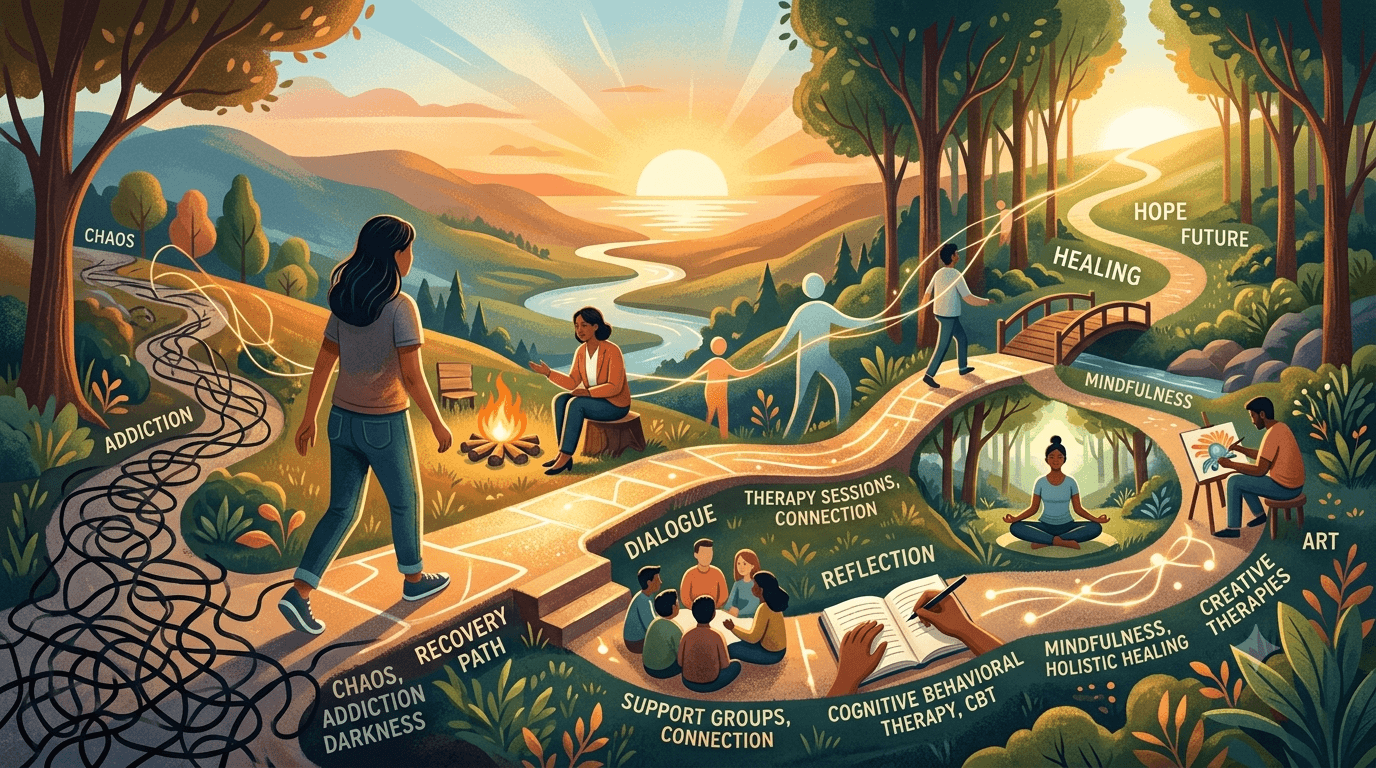
High-quality North Carolina drug rehab programs recognize that lasting recovery usually requires both proven therapies and holistic care. Facilities blend evidence-based approaches—such as cognitive behavioral therapy and trauma-informed counseling—with creative therapies like art or mindfulness and experiential healing.8 This therapeutic combination meets diverse emotional and mental health needs, especially for individuals who have not progressed with traditional counseling alone.
Core Behavioral Therapies: CBT, DBT, and Group
In every quality North Carolina drug rehab, evidence-based behavioral therapies are the backbone of treatment:
- Cognitive Behavioral Therapy (CBT) equips people to spot personal triggers, learn healthier coping skills, and practice relapse prevention techniques—all grounded in real-life situations8
- Dialectical Behavior Therapy (DBT) offers tools for emotion regulation and distress tolerance, which is especially helpful for those dealing with mental health challenges alongside substance use
- Group therapy—led by skilled clinicians—fosters peer support, allowing participants to exchange stories, build communication, and gain insight from others navigating similar journeys
Trauma and Dual Diagnosis Treatment Approaches
Many entering a North Carolina drug rehab face unresolved trauma or co-occurring mental health conditions—anxiety, depression, PTSD—that intensify substance use struggles. The most trusted treatment centers deliver trauma-informed care and dual diagnosis support, integrating specialized therapies like EMDR, trauma-focused CBT, and dedicated groups for trauma survivors.
This strategy fits individuals whose addiction stems from distressing life events or persistent mental health symptoms. Reliable programs create environments where clients can process past wounds safely, supporting both healing and ongoing sobriety through evidence-based methods.8
Holistic Modalities: Art, Equine, and Experiential
Holistic therapies add valuable depth to recovery, especially for those who have not found success with talk therapy alone. In a North Carolina drug rehab, individuals can choose programs offering:
- Art therapy for emotional expression
- Equine-assisted sessions that develop communication and self-confidence
- Adventure-based experiential treatment to build stress resilience and healthy peer connections1
These approaches support whole-person healing—mind, body, and spirit—while fostering engagement for many who struggle with traditional clinical settings.
Understanding Accreditation, Quality, and Privacy
Every trusted North Carolina drug rehab invests in independent accreditations and transparent policies that show families their loved one's recovery is in capable hands. Centers with respected credentials—like Joint Commission certification—demonstrate rigorous screening of protocols, staff, and evidence-based treatment standards.4 These markers help people identify safe, ethical providers.
The Value of Joint Commission and State Accreditations
Accreditation serves as more than a formality in the world of North Carolina drug rehab—it's a direct signal of safe, trustworthy care. Programs with Joint Commission certification have proven themselves through on-site inspections, strict reviews of clinical protocols, and verification of staff qualifications and outcomes.4
State accreditations add another layer, requiring facilities to meet North Carolina's specific standards for substance use disorder treatment. Consider this route when you want proven accountability, ethical practices, and care genuinely grounded in evidence-based standards rather than marketing claims.
Ethical Considerations: HIPAA and Confidentiality
Protecting privacy is a foundational principle for every reputable North Carolina drug rehab. Facilities are legally and ethically bound by HIPAA—the Health Insurance Portability and Accountability Act—to keep each person's health information confidential, from admission through ongoing therapy.10
Confidentiality protocols strictly govern access to details like treatment sessions, progress notes, and sensitive disclosures, ensuring information is shared only with those explicitly authorized. Many seeking addiction treatment worry about workplace, social, or legal consequences; these anxieties are valid and widely shared.
Transparency in Outcomes and Data Accuracy
Families and individuals searching for a reliable North Carolina drug rehab deserve more than promises—they need clear, accurate proof of results. The most reputable addiction treatment centers share verifiable data, including:
- Program completion rates
- Relapse rates at 6, 12, and 24 months
- Long-term sobriety milestones
- Patient satisfaction scores4,10
This consistent transparency reassures those choosing care that the facility stands behind measurable, real-world recovery outcomes.
Self-Assessment and Personalized Decision Framework
Every individual's recovery path starts with honest self-assessment—a step many find challenging but absolutely vital when seeking a North Carolina drug rehab. Facing substance use disorder means navigating complex choices, yet personalized treatment only succeeds when goals, mental health status, and personal history are truly understood.2,5
This approachable framework empowers people to reflect on current routines, symptom patterns, and support networks. The strongest rehab centers tailor services—including intensive inpatient options and flexible outpatient care—to match a spectrum of backgrounds and preferences.
Self-Assessment: Key Diagnostic Questions
Honest self-assessment is a non-negotiable first step toward effective substance use treatment—one that many find intimidating, yet it's vital for matching needs with the right North Carolina drug rehab program. Clinicians rely on six core factors—like withdrawal risk, medical stability, mental health symptoms, and readiness for change—to inform placement and ensure patient safety.2
Evaluating Substance Use, Triggers, and Readiness
Building a clear picture of substance use—frequency, methods, and underlying triggers—directly shapes the quality of care one receives at a North Carolina drug rehab. Experienced clinicians dig into details such as withdrawal experiences, daily routines, and recurring stressors because these patterns often reveal why substance use continues or intensifies.2
Self-Assessment Checklist: Substance Use Patterns
- How often do you use substances (daily, weekly, occasionally)?
- What situations or emotions trigger your substance use?
- Have you experienced withdrawal symptoms when stopping?
- How has substance use affected your work, relationships, or health?
- What previous attempts at quitting have you made?
Assessing Mental Health and Support Needs
Mental health struggles often appear alongside substance use disorders, making an in-depth evaluation essential when seeking a North Carolina drug rehab. Clinicians examine co-occurring conditions—like anxiety, depression, or trauma—using integrated, not separate, treatment models proven to improve outcomes.8
Facilities assess six areas, including emotional and social health, to match clients with dual diagnosis programs and intensive counseling.2 Strong peer and family support networks can boost resilience, but honest assessment of loneliness or stressful environments is vital.
Lifestyle, Location, and Practical Priorities
Daily realities—like where you live, your job demands, and family needs—directly influence which North Carolina drug rehab programs truly fit. Location shapes ease of access, drives whether loved ones can visit, and affects ongoing connection to outpatient or support groups.3
Responsibilities such as work shifts, childcare, or lack of reliable transportation can make attending residential treatment unrealistic for some. Clinicians use practical details—housing stability, local community supports, or transportation access—as one of six dimensions for care planning.2
Decision Framework: What Matters Most for Success
Building a successful recovery plan depends on carefully weighing what matters most for each individual or family. The most trusted North Carolina drug rehab centers continuously adapt treatment plans by considering intensity of care, family engagement, and fit with daily responsibilities—decisions guided by research confirming that longer, tailored treatment leads to stronger outcomes.5,2
Program Intensity, Duration, and Continuum of Care
Recovery outcomes in a North Carolina drug rehab are closely tied to both how intense and how long treatment lasts. Evidence shows the best results come when clients commit to programs for 90 days or longer, especially in intensive outpatient settings.5
Insurance, Cost, and Accessibility Factors
Navigating the financial realities of North Carolina drug rehab is crucial for many families and individuals. Most centers accept insurance—including Medicare, Medicaid, and private plans—yet the actual process of insurance verification can be time-intensive and may require advocacy through dedicated specialists.11
Individuals should review their coverage details for behavioral health, ask about covered and non-covered services, and confirm their expected out-of-pocket costs. This method is especially helpful for those seeking addiction treatment without jeopardizing stability or delaying access due to confusion or approval hurdles.
Importance of Family Involvement and Support
Family engagement remains a decisive factor in recovery for those attending North Carolina drug rehab. Many treatment programs invite family members into counseling, education workshops, or peer support groups, recognizing that household dynamics shape a person's chances of long-term sobriety.8
Families who learn about substance use disorder as a medical diagnosis—not a personal failing—help reduce shame and build open communication. Strong programs support families in learning healthy boundaries, addressing stress, and fostering connection.3
Common Controversies and Individual Preferences
When selecting a North Carolina drug rehab, individuals often face personal decisions rooted in beliefs and preferences—whether it's comfort with 12-step models, openness to medication-assisted treatment, or needs around privacy.5 For some, a spiritual approach provides support; others require science-based, secular programs to stay engaged.
12-Step vs. Non-12-Step Rehab: Cultural Fit
Personal beliefs around spirituality, autonomy, and community support shape which North Carolina drug rehab program will truly help someone stay engaged:
- Traditional 12-step programs focus on support through spiritual principles, peer-led groups, and sponsorship relationships, which often resonate with people who value structure and shared accountability5
- Non-12-step approaches rely on evidence-based therapies like cognitive behavioral techniques and individual empowerment—these suit individuals who are more comfortable in secular, science-driven environments
North Carolina treatment centers offer both styles, understanding that recovery alignment with core personal values—spiritual or secular—often leads to stronger treatment engagement and more sustainable outcomes.
MAT Acceptance and Recovery Philosophies
Acceptance of Medication-Assisted Treatment (MAT) in North Carolina drug rehab settings often divides both professionals and those seeking help, especially when managing opioid or alcohol use concerns. Some treatment centers fully embrace MAT—integrating medications such as naltrexone, methadone, and buprenorphine into individualized recovery plans—reflecting strong evidence that MAT reduces relapse and helps sustain sobriety.8
Others maintain an abstinence-only policy rooted in traditional recovery philosophies. This approach fits people whose cravings or withdrawal symptoms respond best to medical support, while abstinence-only programs appeal to those who feel most confident in medication-free recovery environments.
Privacy, Stigma, and Workplace Concerns
For many seeking help at a North Carolina drug rehab, professional reputation and social stigma remain major obstacles. These challenges are widely experienced—especially among executives, healthcare workers, and those with security-sensitive positions.
Reputable treatment centers implement robust confidentiality safeguards required by HIPAA, protecting your recovery details from employers and outside parties.10 Discrete admission procedures, flexible program hours, and secure communications help ensure privacy and mitigate fears about workplace consequences.
Implementation Pathways for Unique Recovery Journeys
Putting a recovery plan into motion means more than just choosing a North Carolina drug rehab—it involves connecting people to pathways built for their unique backgrounds and practical needs. Many find success increases when professional advice matches specific scenarios: whether that means urgent intervention, support for co-occurring mental health issues, or programs sensitive to work and family life.3
Implementation for Crisis, Co-occurring, and Relapse Needs
Crisis and complex recovery challenges call for immediate, expert action in any North Carolina drug rehab. When withdrawal symptoms become medically urgent, recovery attempts keep failing, or mental health and substance issues collide, timely access to addiction treatment programs becomes critical.2
Immediate Support: Detox and Rapid Admission
In a crisis, the most effective North Carolina drug rehab centers mobilize rapid admission procedures focused on safety, dignity, and swift stabilization. Leading programs operate 24-hour crisis hotlines with skilled staff who complete brief, actionable assessments by phone and coordinate immediate transportation to secure detox services—often within the same day.7
Crisis Admission Timeline
- Hour 1: Crisis hotline assessment and safety evaluation
- Hours 2-6: Insurance verification and bed availability check
- Hours 6-24: Transportation coordination and admission
- Day 1-3: Medical stabilization and withdrawal management
This approach fits those needing urgent intervention—when hesitation risks severe health crises—by providing direct access to substance use disorder treatment and essential safety nets.
Dual Diagnosis and Integrated Care Planning
People entering a North Carolina drug rehab with both mental health and substance use disorders need an integrated, evidence-based plan—treating one issue in isolation rarely produces lasting results. The most reputable addiction treatment programs assess psychiatric symptoms, trauma history, and medical needs together, then craft coordinated recovery support strategies built around both therapeutic and medication options.8
This solution fits those facing depression, anxiety, or PTSD alongside addiction, as dual diagnosis expertise and unified addiction treatment programs are essential for consistent progress and genuine healing.
Alternative Approaches for Repeat or Resistant Cases
When repeated rehab attempts or conventional methods haven't led to real progress, individuals often need a more tailored approach from a North Carolina drug rehab. Experienced providers draw on strategies like intensive case management, harm reduction, and extended-program formats designed for treatment-resistant substance use disorders.8
This path is especially helpful when past relapses reveal deeper, unaddressed factors or complex needs. Facilities in North Carolina adapt their addiction treatment programs by combining unique therapy options, longer engagement, and specialized staff who understand how persistence and flexibility support recovery where traditional paths have stalled.
Resource Planning: Budgeting, Timelines, and Skills
Thoughtful resource planning is foundational for success in any North Carolina drug rehab journey. Many underestimate what's needed—preparing financially, aligning recovery timelines, and building daily life skills are essential steps, not afterthoughts. Recovery facilities offer tailored planning, guiding individuals through insurance details, realistic time commitments, and skill-building that extends well beyond discharge.5
Insurance Verification and Financial Aid Resources
Access to a trusted North Carolina drug rehab often depends on careful insurance and financial planning. Most reputable addiction treatment facilities work with Medicare, Medicaid, and private health plans, but the details of coverage for substance use disorder treatment can feel overwhelming without expert help.11
Insurance Verification Checklist
- Call your insurance provider to verify behavioral health benefits
- Ask about deductibles, copays, and out-of-network costs
- Confirm coverage for detox, inpatient, and outpatient services
- Request pre-authorization if required
- Inquire about medication-assisted treatment coverage
Financial aid options—such as sliding-scale fees or payment plans—are commonly available, making addiction treatment programs more accessible.
Understanding Timelines and Treatment Milestones
Every North Carolina drug rehab journey progresses through well-defined stages, each marked by measurable milestones that professionals use to track growth and adjust support. Clinically, detoxification generally spans 3–7 days, followed by intensive residential treatment for 30–90 days or outpatient care lasting 3–12 months.5
Rehabilitation centers set clear markers: stabilization, active therapy engagement, practical skill-building, and structured transition planning. This structure gives individuals and families the transparency and predictability they need—making it easier to set realistic goals and measure progress.
Preparing for New Routines: Life and Family Skills
Establishing solid daily routines and rebuilding family relationships are foundational for anyone leaving a North Carolina drug rehab. Substance use disorder can disrupt not just emotional well-being, but also routines around sleep, meals, and communication—areas that support or undermine relapse prevention.3
High-quality addiction treatment programs provide concrete training in time management, budgeting, stress coping strategies, and healthy dialogue. These life skills are essential when transitioning home, especially as clinicians use environmental factors and support systems to determine aftercare plans.2
Pathways for Professionals, Families, and Holistic Seekers
Every person's path through North Carolina drug rehab is shaped by daily responsibilities, family needs, and how they connect with healing. Professionals balancing demanding jobs often need addiction treatment programs with flexible, evening, or weekend scheduling to keep careers stable while accessing evidence-based services.3
Flexible Programs: Outpatient and IOP for Working Adults
Many working adults in North Carolina face real hurdles when balancing career demands and substance use treatment. North Carolina drug rehab programs now offer intensive outpatient (IOP) and partial hospitalization (PHP) options designed for professionals—think evening sessions and weekend availability, letting individuals keep their jobs and household routines intact.3
Family-Based Healing and Relationship Support
Family involvement transforms the recovery journey, especially in a North Carolina drug rehab setting. Leading addiction treatment programs bring relatives into the process through counseling, workshops, and structured support groups designed to restore trust and rebuild communication.3
These sessions provide families with practical skills for setting boundaries and improving dialogue—often a turning point for households strained by substance use disorder. Viewing addiction as a treatable health condition, not a moral shortcoming, helps reduce shame and blame at home.
Holistic Recovery: Tranquil Environments and Experiential Therapy
Holistic recovery at a North Carolina drug rehab is about much more than talk therapy—it's a whole-person approach that integrates the healing of mind, body, and spirit. Leading addiction treatment programs offer tranquil settings featuring outdoor spaces, meditation gardens, and peaceful accommodations that facilitate stress reduction and self-reflection.1
Experiential therapies—such as art therapy, equine-assisted activities, and mindfulness practices—give individuals options for emotional expression beyond words, reaching people whose substance use disorder is tied to unresolved trauma or chronic stress.8
Measuring Success and Crafting Your Next 30 Days
Success at a North Carolina drug rehab centers on concrete improvements in daily living, mental health, and supportive relationships—not just program completion. Leading addiction treatment programs use well-defined outcome measurement tools, blending clinical progress, personal wellness, and family involvement to reflect true healing.4
Reliable Success Metrics for Recovery Outcomes
The most successful North Carolina drug rehab centers set clear standards for tracking progress that reach beyond just finishing a program. They routinely evaluate sobriety duration, improvements in mental health, strengthened family relationships, and renewed community involvement—each a real marker of long-term healing.4
Tracking Sobriety, Mental Health, and Quality of Life
In high-quality North Carolina drug rehab settings, success means more than just time abstinent. Centers carefully track sobriety duration, but also rely on standardized tools to measure mental health symptoms, emotional regulation, and overall functioning.4
Wellness can't be separated from daily life, so progress is also gauged by better sleep, stress management, and engagement in activities that restore meaning. These broad indicators—drawn directly from real-life experiences—allow care teams and families to recognize both quiet wins and areas that may need additional recovery support.
The Role of Family, Peer, and Community Engagement
Lifelong recovery from substance use thrives when individuals engage deeply with family, peers, and their broader community. Trusted North Carolina drug rehab programs deliberately invest in rebuilding these supports—introducing honest family dialogues, structured boundary-setting, and peer-led groups that foster practical accountability.3
People gain a sense of belonging and real-world feedback by joining group therapy or participating in recovery-focused activities. Recovery centers also encourage involvement in volunteer work and healthy recreational outlets, helping each person build lasting, positive social connections.8
The Importance of Aftercare and Ongoing Support
Long-term recovery from substance use disorder requires more than completing a program—aftercare and continued support services are proven to lower relapse and maintain stability in daily life.10 The strongest North Carolina drug rehab centers build aftercare plans around each individual's needs, including:
- Alumni connections and peer mentorship
- Ongoing counseling and therapy sessions
- Resources like housing or job support
- Regular check-ins and progress monitoring
This ongoing recovery support strategy prepares people for the realities of independent living, emphasizing practical milestones and keeping progress sustainable.
Your Next 30 Days: Take Action with Confidence
In the first 30 days after leaving a North Carolina drug rehab, taking purposeful steps is key to building real momentum for recovery. What helps most is setting honest, achievable goals—like reconnecting with support groups or veterans of addiction treatment programs—while scheduling therapy or case management sessions to stay accountable.4
Set Goals and Complete Your Assessments
Early in the recovery journey, people see real progress by making their goals visible and specific. At a North Carolina drug rehab, setting clear objectives—such as targeting sobriety milestones, improving sleep habits, or rebuilding trust with loved ones—directly supports motivation and accountability.4
Completing a thorough assessment is equally essential. These tools evaluate six core aspects: withdrawal risks, health conditions, emotional status, readiness for change, relapse potential, and daily environment.2 Opening up about substance use patterns and behavioral health realities gives care teams the information needed to tailor addiction treatment for genuine, sustainable progress.
Engage With Qualified, Accredited Providers
Engaging with accredited North Carolina drug rehab providers is one of the most reliable ways to protect your recovery and ensure high standards of care. Credentialed addiction treatment centers—those with Joint Commission approval and state licensing—consistently uphold strict clinical protocols, verify staff training, and require ongoing evidence-based practices.4
Look for providers committed to transparency, sharing real outcome data and adapting care based on current addiction recovery outcomes and behavioral health improvement. These quality markers make a meaningful difference, allowing individuals and families to invest confidently in programs that prioritize safety, professionalism, and measurable success.
Plan for Support: Lean on Family and Experts
Building momentum after North Carolina drug rehab hinges on a strong web of support—both professional and personal. Trusted treatment specialists guide individuals through proven recovery support strategies and evidence-based care, while families or close friends offer emotional stability and encouragement throughout setbacks and victories alike.3
Many find that involving loved ones in structured family education programs, with a focus on treating substance use disorder as a chronic health issue—not a moral shortcoming—reduces stigma and strengthens trust.8
Navigating Resources: Leveraging Best-in-Class Support
Locating the right North Carolina drug rehab means understanding which supports and amenities truly advance recovery. Providers committed to excellence invest in therapeutic environments—like serene meditation areas and well-equipped fitness centers—that reduce stress and restore dignity throughout substance use disorder treatment.5
Accessing Modern Amenities and Unique Therapies
Selecting a North Carolina drug rehab with modern amenities gives individuals a practical foundation for lasting recovery. Established facilities feature thoughtful spaces—meditation gardens, fitness centers, and quiet reading lounges—where stress can be managed and dignity preserved during addiction treatment programs.5
Among the most effective options, clients can access innovative experiential therapies like art therapy studios, equine-assisted sessions, and trauma-focused outdoor activities.1 These experiential healing opportunities add vital depth for those who struggle with traditional talk therapy alone.
Ensuring Evidence-Based, Measurable Results
Reliable North Carolina drug rehab centers stand apart by publishing clear, measured outcomes and faithfully implementing clinical guidelines rooted in research. They track key recovery milestones—such as sustained sobriety, client retention, and well-being at 6, 12, and 24 months—using standardized assessment tools.4,10
These programs prioritize evidence-based therapies, including cognitive behavioral therapy and trauma-informed care, verified by independent audits and peer review processes. For families and individuals, this commitment means every intervention supports real progress—never guesswork.
Choosing Providers with Easy Access and Compassionate Care
People searching for a North Carolina drug rehab often face urgent challenges—delays, stigma, and overwhelming systems can discourage even the most motivated. Leading centers remove these barriers with 24-hour helplines, same-day intake options, clear instructions, and transportation support that prioritizes immediate addiction treatment services.11
Compassionate care means staff are trained to understand trauma and meet each individual without judgment, respecting privacy and dignity throughout recovery. These accessible, person-first approaches are critical for anyone needing addiction recovery support, especially when a welcoming environment can make all the difference in sustained healing and program success.
Frequently Asked Questions
Uncertainty is common when choosing a North Carolina drug rehab—many families and individuals struggle to understand which addiction treatment programs, support options, or levels of care match their needs. These frequently asked questions arise from real concerns, like privacy safeguards, insurance coverage, and the difference between outpatient and inpatient care.4 Reliable guidance clears up confusion around local behavioral health services and recovery support strategies.10
How do I decide between inpatient, outpatient, or detox programs if I am unsure what I need?
Choosing the right North Carolina drug rehab program starts with a clinical assessment, not guesswork. Skilled providers use a structured, six-dimension framework—evaluating factors like withdrawal safety, mental health status, daily life stability, and risk of relapse—to guide your options.2 If withdrawal, medical needs, or psychiatric symptoms put your well-being at risk, inpatient or residential rehab usually makes sense. Outpatient addiction treatment can be an excellent fit when you have a supportive environment and stable routine.3 Most centers offer free assessments to remove confusion and help you access recovery support that's tailored, not generic.
What is the average cost of drug rehab in North Carolina, and what are typical price ranges for different types of programs?
Determining the cost of a North Carolina drug rehab program often creates anxiety for families and individuals, especially when budgeting for evidence-based care. Prices can shift based on the level of treatment—detox, inpatient, or outpatient—and the inclusion of therapies like dual diagnosis or experiential addiction treatment programs. Most programs offer support navigating financial options, such as payment plans or sliding fees, and many people find it helpful to seek clear communication about insurance and out-of-pocket estimates before starting recovery.5
Do most North Carolina rehab centers accept insurance, and how can I verify my coverage?
Most accredited North Carolina drug rehab centers accept insurance, including Medicare, Medicaid, and major private health plans, which helps many people access addiction treatment programs and behavioral health services.11 To verify your coverage, talk to your provider's insurance specialist or call the number on your insurance card. Ask specific questions about detox, inpatient, outpatient, and medication-assisted treatment coverage. Facilities often have experienced staff to guide you through the verification process, making it much less confusing for families entering recovery.
How long does it usually take to get admitted and begin treatment in North Carolina?
Timelines for admission at a North Carolina drug rehab can differ—urgent detox needs may be met within 24–48 hours at facilities equipped with crisis protocols.4 For non-emergency outpatient addiction treatment programs, expect 3–5 business days for insurance checks and clinical screenings. Residential rehab often requires a week or two, as thorough assessments and bed availability are real challenges. Leading providers streamline behavioral health services to remove barriers and help individuals act on their motivation for recovery as quickly as possible.
Is virtual or telehealth treatment available for substance use disorders in North Carolina?
Telehealth options have become a cornerstone in North Carolina drug rehab care, widening access for those who face transportation, scheduling, or geographic barriers. Most accredited rehab centers now offer online individual therapy, group counseling, and even medication management—making remote addiction treatment programs genuinely practical for busy adults and rural residents.10 These virtual behavioral health services are especially impactful for outpatient rehab and continuing care support, keeping individuals actively engaged in their recovery when in-person visits are not feasible.
How can I protect my privacy and confidentiality when entering rehab?
Safeguarding privacy is a fundamental concern for anyone considering a North Carolina drug rehab. Accredited facilities strictly follow HIPAA regulations, maintaining robust confidentiality protocols that shield your medical records, treatment details, and personal identity from unauthorized disclosure—including employers, insurers, or anyone else—unless you offer clear written consent.10 Discreet admissions, secure record-keeping, and private communication channels are standard. Many leading addiction treatment programs also provide flexible scheduling and confidential environments, making it possible to receive behavioral health services while maintaining dignity and minimizing exposure in daily life.
What should I do if I have a co-occurring mental health condition, like anxiety or depression?
When substance use is linked with anxiety, depression, or trauma, the right North Carolina drug rehab centers focus on integrated treatment for dual diagnosis. These facilities assess six key factors—such as emotional health and relapse risk—to ensure that both mental health and addiction receive coordinated care.8,2 Effective addiction treatment programs offer licensed psychiatric support, tailored therapy groups for co-occurring disorders, and evidence-based approaches like trauma-informed cognitive behavioral therapy. This integrated path is essential when lasting recovery depends on addressing both challenges together.
Are there flexible or evening/outpatient options for people with busy work or family schedules?
Balancing recovery with career or family duties is a significant concern for many seeking a North Carolina drug rehab. Treatment centers across the state now offer flexible outpatient programs—including evening intensive outpatient (IOP) sessions and weekend options—so individuals can maintain employment or caregiving roles while receiving evidence-based addiction treatment programs.3 Many facilities supplement these behavioral health services with telehealth appointments, supporting participation despite travel or shift work.10 This innovation makes practical, sustained healing attainable in real-world routines where daily responsibilities cannot be paused.
What evidence should I look for that a program is truly accredited and provides high-quality care?
When evaluating a North Carolina drug rehab, begin by confirming Joint Commission accreditation—this is the top benchmark for quality in addiction treatment programs and signals rigorous clinical review and patient safety protocols.4 Look for both state licensing and transparent disclosure of program outcomes, such as measurable recovery rates at 6, 12, and 24 months.10 High-quality facilities employ credentialed professionals in addiction and behavioral health services, and openly share their treatment philosophies, protocols, and references. Prioritize evidence-based care: therapies like cognitive behavioral therapy and trauma-informed interventions must be grounded in published research, not experimental practice.8
How can family members participate meaningfully in the recovery process?
Families often play a crucial role in recovery at a North Carolina drug rehab by actively joining therapeutic groups, attending educational sessions, and participating in recovery support strategies offered by the treatment center.3 These opportunities help rebuild honest communication, set healthy boundaries, and address the emotional effects substance use disorder has on everyone at home.8 Family therapy provides a space for loved ones to work through their own stress, learn relapse prevention skills, and strengthen partnership for long-term behavioral health improvement.
How are relapse and setbacks handled within North Carolina rehab programs?
Relapse and setbacks are handled by North Carolina drug rehab centers as expected parts of recovery—not personal failures. Programs quickly provide wraparound support, reviewing medical needs, underlying triggers, and recovery goals without blame.8 Staff adjust treatment plans, strengthen coping skills, and involve behavioral health resources to address the real reasons for setbacks. Nearly all reputable addiction treatment programs maintain 24/7 crisis support, alumni networks, and peer accountability for immediate help.10
What is the typical duration of rehab programs, and how is the right length determined?
Program duration at a North Carolina drug rehab hinges on both individual needs and treatment intensity. Medical detox typically spans 3–7 days, residential programs often last 30–90 days, and outpatient services regularly extend 3–12 months for meaningful progress.5 Research confirms that longer, tailored care—especially a 90-day minimum for intensive outpatient—delivers stronger outcomes.5 Clinicians use a structured, six-dimension framework assessing withdrawal risks, medical conditions, readiness for change, and relapse factors to determine length.2
What are the main differences between 12-step and non-12-step rehab programs?
North Carolina drug rehab centers often offer both 12-step and non-12-step addiction treatment programs, recognizing that personal beliefs shape engagement and recovery outcomes. The 12-step model centers on spiritual principles, community connection, and peer sponsorship, requiring acknowledgment of a higher power and regular group reflection.5 In contrast, non-12-step approaches emphasize self-efficacy, personal responsibility, and evidence-based therapies like cognitive behavioral therapy or SMART Recovery.8 The type of program that leads to sustainable progress depends on each person's cultural background, values, and comfort with spiritual or secular language in addiction treatment.
Can I access sober living or step-down care after completing a primary rehab program?
Absolutely—after completing a primary program at a North Carolina drug rehab, transitional supports like sober living and step-down care are widely available and vital for many people bridging early recovery toward long-term independence. Sober living homes, typically housing 6–12 peers, create structure and accountability, fostering substance-free routines and practical life skills while individuals return to work, school, or family life.3 Step-down programs maintain therapeutic connections as clinic visits taper off, sustaining engagement in addiction treatment and recovery support strategies.
What support is available for people seeking a more holistic or experiential recovery approach?
For individuals drawn to holistic healing, North Carolina drug rehab centers offer a range of integrative therapies alongside evidence-based addiction treatment. These programs combine experiential options like art therapy—which helps people process complex emotions in a supportive space—and equine-assisted activities, where trust and communication skills develop through guided interaction with horses.1 Many recovery support strategies also include adventure-based therapy, mindfulness, meditation, and yoga to nurture mind-body balance and emotional well-being.8 This approach is ideal when traditional talk therapy hasn't resonated and when people want addiction care that honors personal spirituality, creative expression, or connection to nature.
Conclusion: Build Your Recovery With Confidence
Finding lasting recovery at a North Carolina drug rehab is not a simple task—it's a decision that asks for honesty, perseverance, and collaboration. Many experience hurdles choosing among behavioral health services, weighing outpatient, residential, or holistic addiction treatment programs. Reputable centers respond with transparent outcome data, proven therapies, and compassionate professionals who walk alongside each step.4
What builds real momentum is a plan tailored to personal needs—using the assessment frameworks and implementation tools shared here ensures each choice fits unique goals and challenges.5 With these supports in place, individuals and families empower themselves to seek care—confident that with evidence-based resources, long-term recovery and improved wellness are truly within reach.
References
- Levels of Care for Substance Use Treatment | Psych Central. https://psychcentral.com/lib/levels-of-treatment-for-substance-abuse
- [PDF] Overview of Substance Use Disorder (SUD) Care Clinical Guidelines. https://www.medicaid.gov/state-resource-center/innovation-accelerator-program/iap-downloads/reducing-substance-use-disorders/asam-resource-guide.pdf
- Chapter 3. Intensive Outpatient Treatment and the Continuum of Care. https://www.ncbi.nlm.nih.gov/books/NBK64088/
- Levels of Care | National Association of Addiction Treatment Providers. https://www.naatp.org/levels-care
- Treatment Types for Mental Health, Drugs and Alcohol - SAMHSA. https://www.samhsa.gov/find-support/learn-about-treatment/types-of-treatment
- Bureau of Prisons – Inmate Substance Abuse Treatment. https://www.bop.gov/inmates/custody_and_care/substance_abuse_treatment.jsp
- Drug-Free.org – What Types of Addiction Treatment Are Available?. https://drugfree.org/article/types-of-addiction-treatment/
- National Institute on Drug Abuse (NIDA) – Treatment and Recovery. https://nida.nih.gov/publications/drugs-brains-behavior-science-addiction/treatment-recovery
- Pennsylvania Department of Drug and Alcohol Programs. https://www.pa.gov/agencies/ddap/treatment-and-support/substance-use-disorder-treatment
- SAMHSA – Substance Abuse and Mental Health Services Administration. https://www.samhsa.gov
- Medicare.gov – Mental Health & Substance Use Disorders Coverage. https://www.medicare.gov/coverage/mental-health-substance-use-disorder