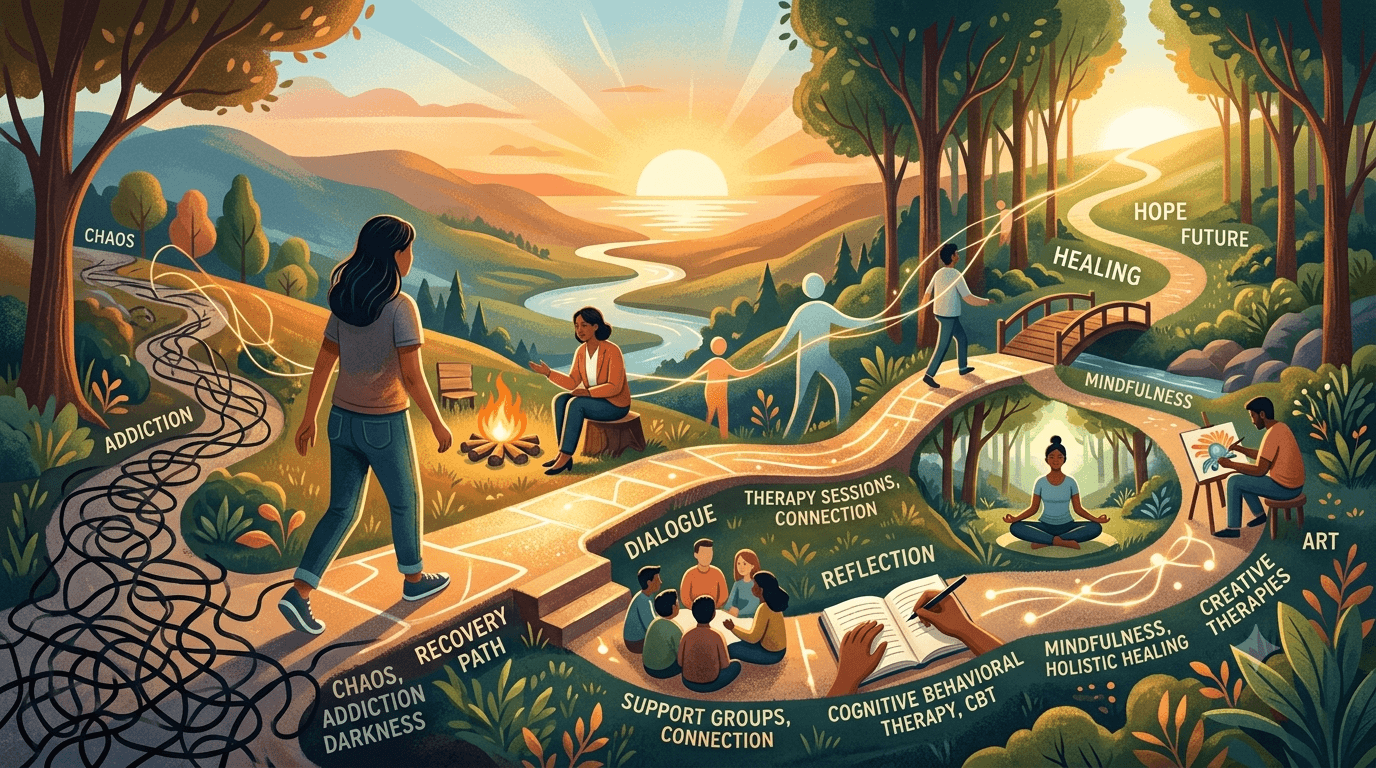
.webp)


Key Takeaway
- Individualized treatment planning consistently delivers better outcomes than one-size-fits-all approaches, with research showing higher retention and success rates when care addresses personal circumstances, co-occurring conditions, and daily obligations.
- Evidence-based interventions form the foundation of effective recovery, including medication-assisted treatment (which can reduce relapse rates by up to 50%), cognitive behavioral therapy, and integrated mental health care for dual diagnosis needs.
- Structured aftercare and relapse prevention are critical for sustained recovery, with individuals who engage in ongoing support services showing significantly higher long-term sobriety rates compared to those who discontinue care after initial treatment.
- Financial planning and insurance verification should begin early, as Medicare, Medicaid, and most private plans now cover substance use disorder treatment, including detox, therapy, and medication-assisted treatment options.
- Crisis support is available 24/7 through multiple channels: call 911 for life-threatening emergencies, 988 for suicide and crisis support, or 1-800-662-HELP for SAMHSA's National Helpline for immediate referrals and guidance.
Understanding Prescription Drug Rehabilitation and Recovery
Medication dependency can leave individuals and families facing deep uncertainty. For those navigating prescription drug misuse, real recovery begins with a plan rooted in expert care and ongoing support. Prescription drug rehabilitation is not just about stopping a medication—it means tackling physical dependence, emotional distress, and reshaping daily life.
Programs that deliver positive results pair therapies proven by research, skilled medical oversight, and connection to support systems. Over 18 million Americans report misuse annually,1 showing how critical effective, accessible care is. Gaining clarity on what recovery truly involves empowers people to take their next step with confidence.
Defining Prescription Drug Rehabilitation Success
True success in prescription drug rehabilitation is not just measured by stopping medication misuse—it is about regaining quality of life and restoring daily function. Recovery is reflected in reduced relapse rates, improved mental and physical well-being, and stronger family and community connections.
Over 70% of people completing a full prescription drug rehab program report notable improvements one year later.2 Experienced providers embrace the reality that 40–60% may face setbacks along the way, similar to managing other chronic illnesses.14 Recognizing this, effective programs prioritize continued engagement over perfection.
Evidence-Based Outcomes in Drug Rehab
Years in the field have shown that evidence-based practices are the cornerstone of effective prescription drug rehabilitation. Medication-assisted treatment, for example, can lower the risk of relapse by as much as 50% compared to non-medication methods.7
Programs built on cognitive behavioral therapy and motivational interviewing lead to more people staying engaged and maintaining abstinence. When treatment addresses both substance use issues and mental health needs together, real-world outcomes like daily functioning and quality of life improve.5 Practitioners committed to using proven, well-researched approaches ensure that each person receives high-quality interventions with documented success.8
Real Recovery: Relapse as Part of Healing
The process of prescription drug rehabilitation often includes setbacks—an experience common to many managing chronic conditions, not just substance use. Relapse in this context should be viewed as part of the learning and healing process, not a personal failure.
Decades of research show that 40–60% of individuals may return to substance use at least once during recovery, a rate similar to diabetes and hypertension management.14 Effective programs equip individuals with strong relapse prevention plans, early-intervention protocols, and encourage immediate re-engagement with treatment after setbacks. This open approach breaks down shame, helping people remain connected to care and fostering long-term sobriety.
The Role of Integrated Mental Health Care
Many people working to overcome prescription medication dependency also carry the weight of depression, anxiety, trauma, or related mental health concerns. The evidence is clear: addressing substance use disorders and mental health conditions together—rather than in isolation—significantly boosts recovery outcomes.5
Experienced clinicians have seen individuals struggle to maintain progress when emotional health is left untreated, often resulting in self-medication or stalled healing. In top-tier prescription drug rehabilitation, integrated mental health care is not an optional add-on; it is essential for genuine progress and reduced risk of relapse.
Self-Assessment: Are You Ready for Change?
Recognizing the need for prescription drug rehabilitation often starts with honest self-examination. Many adults find themselves questioning whether their medication use is still helpful or if it now brings more harm than benefit.
Tools for self-assessment can clarify this turning point and reveal patterns that point toward substance use disorder. Readiness for change varies, and it's common to feel unsure. In 2023, about 1.5 million adults took the step to seek treatment,2 showing that support and hope are within reach. Reflecting on current habits helps lay the groundwork for choosing the right treatment and moving toward recovery.
Key Questions to Identify Your Needs
A practical self-assessment for prescription drug rehabilitation starts with clear-eyed, specific questions. Ask yourself:
- Do I ever take prescription medication more often or in higher amounts than directed?
- Have I noticed cravings, strong urges, or distress if medication is late or unavailable?
- Is my mood, energy, or ability to meet work or family obligations affected by my medication use?
- Has a loved one or health provider shared concerns about my prescription habits?
Addressing these questions can highlight patterns of substance misuse2 and point toward whether specialized addiction treatment might support your long-term wellness.
Recognizing Signs of Prescription Drug Dependence
Many people do not immediately recognize the early signs of prescription drug dependence, as changes often unfold slowly. Key indicators include escalating medication use beyond what is prescribed, cravings between doses, and developing a higher tolerance just to experience the same effects.
Individuals frequently notice disrupted sleep, mood instability, or waning interest in once-enjoyed activities as dependence grows. Patterns such as isolating from loved ones, neglecting work or social obligations, or obtaining medications from multiple doctors signal advancing substance use disorder. If you notice these trends, it may be time to explore prescription drug rehabilitation or a professional assessment.2
Assessing Motivation and Barriers to Recovery
Motivation to pursue prescription drug rehabilitation ebbs and flows, especially when fear of withdrawal, job worries, or family concerns feel heavy. In practice, many adults express hesitation due to anxiety about detox, uncertainty about life without medication, or lack of access to consistent care.
Honest self-reflection often reveals barriers, such as financial limitations or limited local treatment options, that slow progress. Overcoming these barriers is often possible when a person clearly identifies personal reasons for recovery—improved daily health, restored relationships, or the desire to regain control. Internal motivation predicts stronger retention and long-term outcomes than outside pressure alone.14
Ethical Considerations in Addiction Treatment
Every individual walking into prescription drug rehabilitation deserves care built around dignity, respect, and personal agency. Skilled healthcare teams must balance rigorous safety protocols with honoring a person's right to make informed choices about their recovery path.
Ethical addiction treatment centers lay out every option—sharing real risks, likely outcomes, and what's unknown—without pressure or guaranteeing effortless success. Strict confidentiality is non-negotiable, reinforced by regulatory standards designed to protect sensitive information throughout substance use treatment.16 Consistently, evidence shows that when people are supported by honesty, transparency, and choice, engagement and lasting recovery improve over punitive or shaming models.14
Ensuring Confidentiality and HIPAA Compliance
Safeguarding personal health information is not optional in prescription drug rehabilitation—it's the bedrock of patient trust. Federal HIPAA regulations require every addiction treatment provider to lock down medical records, tightly control information-sharing, and get clear written consent before discussing anything with families or employers.
For those in substance use care, enhanced privacy rules under 42 CFR Part 2 offer even stricter protection, shielding participation details even from legal requests without explicit permission.16 Leading rehab centers invest in encrypted digital records, secure messaging platforms, and ongoing staff training, so individuals can focus on healing knowing their sensitive information stays private from start to finish.
Respecting Patient Autonomy and Choice
True ethical practice in prescription drug rehabilitation requires genuine partnership—one where each person's choices drive their path forward, not provider agendas. Practitioners with deep experience have seen that offering every treatment option, laying out clear pros and cons, and inviting questions honors an individual's right to shape their recovery.
Collaborative planning, rather than top-down direction, leads to higher engagement and retention for those navigating substance use treatment.14 By factoring in a person's values, culture, and lived reality—alongside medical guidance—treatment teams support dignity and restore a sense of control, which is often the foundation for lasting progress.
Accuracy and Transparency in Treatment Planning
Experienced practitioners in prescription drug rehabilitation know that accuracy and openness are non-negotiable. Individuals and families deserve straightforward details on treatment timelines, relapse rates, staff credentials, and what recovery actually looks like—supported by real data, not lofty guarantees or vague claims.
For example, ethical programs will explain that relapse is possible, sharing that 40–60% may face setbacks on the path to recovery.14 Treatment facilities committed to transparency routinely present their accreditation status, share outcome statistics, and welcome honest dialogue about therapy expectations. Being clear about expectations and using evidence-based information strengthens trust and allows people to make fully informed choices throughout their journey.
Designing A Personalized Path to Recovery
Creating a personalized path to recovery in prescription drug rehabilitation means tailoring every step to the individual—not just treating the disorder, but respecting real-world obstacles and strengths. Skilled clinicians know that what works for one person may simply not fit someone else's medical history, support system, or daily routine.
Research confirms that individualized treatment planning delivers much stronger retention and outcome rates than standard, uniform programs.14 This process should consider co-occurring mental health needs, living environment, and practical constraints like career or caregiving. With this in mind, the next section will explore proven frameworks and assessments used to guide these critical early decisions.
Decision Framework: Choosing Your Rehab Approach
Choosing the right prescription drug rehabilitation approach truly shapes recovery outcomes. Experienced clinicians stress the value of honest evaluation—consider your health needs, current support, daily obligations, and what professional recommendations align with your goals.
Those who actively engage in treatment selection tend to experience higher commitment and better long-term results.14 Prioritize safety standards, research-supported methodologies, and flexibility to adjust as your situation changes. Understanding these key factors isn't just routine—it's how individuals and families reliably separate effective rehab programs from those lacking clinical rigor or accountability.
Criteria That Matter: Safety, Evidence, Flexibility
In prescription drug rehabilitation, experienced providers never cut corners on safety, evidence, or adaptability. To ensure real progress, start by insisting on 24/7 medical oversight during detox and documented emergency protocols.
Evidence-based care—such as cognitive behavioral therapy, medication-assisted treatment, and integrated behavioral health services—must be the foundation, not an afterthought.8 Quality programs show flexibility by tailoring schedules or adding support for changing needs, knowing recovery isn't one-size-fits-all.
Weighing Treatment Modalities: Detox, MAT, Therapy
Every effective prescription drug rehabilitation plan relies on three core interventions, each addressing different realities of recovery:
- Medical detoxification is the first line when someone needs safe management of withdrawal—a process that should always be done under close medical supervision to monitor for risks, provide comfort medications, and prevent complications.
- Medication-assisted treatment (MAT) incorporates FDA-approved medicines like buprenorphine or naltrexone to reduce cravings and dramatically lower relapse rates—clinical research points to up to 50% reduction in relapse with MAT.7
- Intensive behavioral therapies, especially cognitive behavioral therapy, help individuals reshape thinking patterns and develop daily coping strategies.
This combination is vital when addressing opioid use disorder, prescription medication dependence, or long-term substance misuse, and proven results come when programs provide both robust medical oversight and skilled mental health support together.
Co-Occurring Disorders and Dual Diagnosis Priorities
Untreated mental health conditions often complicate prescription drug rehabilitation and make sustained recovery much harder. Dual diagnosis programs—those built to address substance use disorder and mental health, like anxiety or trauma, at the same time—show clear, research-backed advantages.
In practice, this approach suits individuals navigating depression, post-traumatic stress, or similar diagnoses alongside medication misuse. Integrated care models connect psychiatric services, medication management, and therapy so no problem slips through the cracks, resulting in measurably better recovery outcomes.5 Leading facilities run thorough screenings early, ensuring treatment plans include mental health supports from day one—not as an afterthought.
Implementation Pathways for Varied Life Situations
Every person's pathway through prescription drug rehabilitation is shaped by their daily realities—some must balance recovery with careers or family duties, while others face urgent medical or psychological needs. Experienced clinicians have consistently seen that programs allowing for flexible scheduling, varying program intensity, and specialized offerings see higher engagement and recovery rates because they accommodate these wide-ranging life circumstances.
This approach is ideal for anyone seeking treatment that respects personal obligations and complexities while maintaining safety, evidence-based practices, and clinical oversight. Matching treatment type and schedule to each individual's unique context supports stability—not disruption—throughout the recovery process.14
Acute Crisis: Medical Detox and Intensive Inpatient
When medication dependence reaches a crisis, immediate action with intensive inpatient prescription drug rehabilitation is essential. High-acuity detox situations—such as withdrawal involving seizures, cardiac irregularities, or multimedicine use—demand 24/7 medical oversight by skilled clinicians who specialize in substance use disorder care.
"These inpatient environments provide structured safety, continuous monitoring, and evidence-based protocols, dramatically reducing the risk of dangerous complications." — Clinical Research on Intensive Treatment Outcomes14
Experienced teams not only manage withdrawal symptoms but also start crucial therapeutic work, laying a strong foundation for long-term opioid detox, benzodiazepine withdrawal, or other prescription medication recovery.
Balancing Recovery with Work or Family Life
Outpatient prescription drug rehabilitation provides essential flexibility for people juggling employment or caregiving. As many working professionals and family caregivers share, missing income or being absent from vital home duties isn't always possible.
Partial hospitalization and intensive outpatient programs make evidence-based therapy, medical oversight, and peer support accessible—without requiring an overnight stay. Evening or weekend sessions are common, letting individuals uphold work and family responsibilities while building recovery skills. This approach suits those with stable routines and reliable support at home. Research confirms that individualized plans in substance use treatment significantly boost both retention and recovery rates compared to standardized options.14
Seeking Holistic and Experiential Treatment Options
For individuals drawn to whole-person recovery, prescription drug rehabilitation increasingly integrates holistic and experiential therapies alongside standard clinical interventions. These programs recognize that real healing calls for attention to physical, mental, and emotional wellness—not just symptom reduction.
Activities like art or music therapy, yoga, equine-assisted interventions, and meditation are frequently offered at quality treatment centers. This approach is ideal for those who value growth beyond symptom management and are seeking a deeper sense of renewal. Current research supports that individualized, diverse treatment options yield stronger retention and improved recovery outcomes than one-size-fits-all models.14
Resource Planning: Budgeting, Timelines, and Support Needs
Thoughtful resource planning forms the backbone of sustainable prescription drug rehabilitation. Individuals often feel most empowered when they have a realistic sense of the time, support, and planning required for meaningful change.
Experienced clinicians urge early attention to these practical details—clear schedules, access to trusted support systems, and steadfast commitment—to prevent common pitfalls, like early dropout or unexpected disruptions. Building a support network that includes case managers, counselors, and peer recovery specialists can make a measurable difference in long-term healing.14
Estimating Costs for Levels of Care and Insurance
Financial planning for prescription drug rehabilitation must begin with verifying what your health insurance covers and understanding required steps like pre-authorization. Many insurance plans, including Medicare and Medicaid, provide coverage for medically necessary substance use disorder treatment—such as detox services and medication-assisted therapies—which eases access for many individuals.16
Insurance Coverage Breakdown
- Medicare: Covers inpatient and outpatient substance use treatment
- Medicaid: Provides comprehensive addiction treatment coverage
- Private Insurance: Required to cover substance use disorder treatment under ACA
- Payment Options: Sliding scale fees, payment plans, financial assistance programs
Early outreach to your insurer or benefits specialist can clarify support for outpatient and residential rehabilitation, reducing surprises down the road. Leading programs offer coordinated assistance with insurance paperwork and often help explore payment arrangements, so fewer families are blocked by financial concerns.
Timeframes: What to Expect from Start to Aftercare
Clear recovery timelines help manage expectations for prescription drug rehabilitation and reduce anxiety about each stage:
Individualized treatment plans—adapted as people progress—are linked to higher retention and long-term success.14 Sustainable recovery requires flexible, honest pacing at every step.
Skills and Professional Support Required for Success
Sustained success in prescription drug rehabilitation demands both practical self-management skills and reliable professional support. Emotional regulation, stress management, and strong communication form the backbone of daily resilience—these are skills learned and reinforced through therapy and real-life challenges.
Many people also benefit greatly from structured relapse prevention tactics and problem-solving exercises, as these directly support addiction recovery. Leading rehab programs assemble teams including addiction counselors, medical providers, case managers, and peer recovery specialists to provide coordinated, ongoing care6. This integrated support network helps individuals replace old patterns with healthier routines and ensures no one has to face complex recovery alone.
Measuring Progress and Sustaining Recovery
Sustaining recovery from prescription drug rehabilitation means taking deliberate steps to track real progress—the kind that translates to daily stability and renewed hope. In practice, ongoing measurement combines clinical markers, personal achievements, and supportive input from trusted relationships.
Experienced clinicians have learned that structured aftercare and focused relapse prevention planning are directly tied to higher long-term sobriety rates.14 While no journey is without hurdles, consistently monitoring outcomes enables timely support when setbacks or uncertainty arise. Building this framework helps individuals and their families see change, spot patterns early, and keep everyday growth in clear focus.
Tracking Milestones: How to Measure Real Recovery
Progress in prescription drug rehabilitation must be measured holistically, recognizing real change beyond abstinence. Expert-led programs carefully document milestones across emotional health, daily functioning, and active participation in aftercare.
Clinical assessments, self-reported quality-of-life changes, and family feedback all work together to provide a clear recovery picture. This method not only confirms achievements but also helps identify where someone may need added support. Studies show that when individuals regularly engage in aftercare and relapse prevention, their chances of sustained recovery increase dramatically.14
Clinical Outcomes: Relapse Rates and Quality of Life
Measuring outcomes in prescription drug rehabilitation means drawing on trusted clinical benchmarks and lessons learned from years of hands-on experience. Providers routinely monitor days of continuous sobriety, shifts in cravings, and improvements in overall health, including sleep and appetite.
Acknowledging that 40–60% of individuals encounter at least one relapse while recovering from substance use disorder14 allows families and clinicians to plan with compassion, not judgement. Quality of life assessment goes further, capturing changes in daily responsibilities, social relationships, and personal fulfillment. For those who complete structured prescription drug rehab, over 70% report better well-being and less substance use after one year.2
Self-Reported Growth and Personal Goals
Clinicians with extensive experience in prescription drug rehabilitation stress the importance of self-tracking for sustainable recovery. Individuals who actively record their daily experiences—such as in recovery journals or with routine self-assessments—often notice gains in confidence, mood stability, and engagement with meaningful roles, even before clinical results appear.
Tracking sobriety days, therapy participation, and stress responses creates a tangible record of personal growth and challenges. Many programs now encourage clients to define what success means for them, combining individual goals with formal quality-of-life measures. This person-centered process fuels motivation and anchors long-term wellness, reinforcing the momentum gained in evidence-based treatment.14
Peer and Family Feedback Loops
Peer and family feedback is a vital—yet often underestimated—component of prescription drug rehabilitation. When individuals are immersed in recovery, loved ones and trusted peers can recognize shifts in motivation, mood, daily function, or relationship quality long before clinical measures catch up.
Experienced clinicians regularly weave structured check-ins with spouses, friends, and peer recovery mentors into ongoing care plans, knowing these perspectives help spot early progress or warning signs quickly. Many leading programs now rely on regular feedback sessions and peer recovery support services, which have measurably increased treatment engagement and retention rates across multiple states.6
Relapse Prevention Strategies for Long-Term Success
A lasting recovery from prescription drug rehabilitation relies on proven relapse prevention strategies tailored to each person's daily life and risk factors. Clinicians with deep experience have seen that sustainable wellness requires focused aftercare, personal coping skills, and regular monitoring—not just completing an initial program.
Many people encounter triggers or stressors long after treatment ends, but structured relapse prevention plans—combined with strong support systems—reduce the chance of setbacks and make early intervention possible. Engaging in ongoing aftercare is linked to much higher long-term sobriety rates compared to going it alone.14
Developing a Relapse Prevention Plan
Building an effective relapse prevention plan in prescription drug rehabilitation means getting intentional and specific about everyday risks. Drawing from extensive practice, experienced clinicians guide individuals through identifying unique triggers—be it certain places, moods, or stressful situations—and mapping out early warning signs for returning to old patterns.
A sound plan always includes:
- Personalized high-risk scenarios and how to handle them
- Direct reminders for immediate coping strategies
- Emergency contacts and response steps
- Regular check-in schedules with support team
- Specific actions to take when cravings emerge
This approach works best when the plan is written, accessible, and revisited regularly. Decades of data confirm that people who actively engage in structured aftercare and relapse planning see markedly stronger long-term recovery outcomes.14
Leveraging Peer and Alumni Support Networks
Sustained recovery from prescription drug rehabilitation thrives when individuals stay connected to those who have walked a similar path. Many find that peer and alumni support networks offer expert-level encouragement, sharing practical insights gained from lived experience with medication dependency, relapse prevention, and post-treatment challenges.
"Involvement in peer recovery support services—now an established element of high-quality addiction medicine—significantly improves engagement and retention in treatment programs across multiple states." — Research on Peer Support Effectiveness6
Alumni programs allow practical, real-life wisdom to benefit newcomers, while ongoing support groups foster honest communication and shared accountability when confronting triggers or moments of doubt. These communities transform isolation into shared resilience, creating an environment where individuals can learn, problem-solve, and celebrate hard-won progress together—long after the formal program ends.
Utilizing Aftercare and Continuum of Care Options
Aftercare is vital for sustaining gains after prescription drug rehabilitation, especially as individuals face new pressures and triggers in daily life. Expert-led aftercare options range from outpatient counseling and ongoing medication management to sober living communities where accountability and autonomy are balanced.
Treatment centers often work alongside local mental health providers and peer recovery specialists, ensuring a coordinated safety net that adjusts as needs shift. This solution fits those aiming to reduce relapse risk over the long term and who benefit from support well beyond initial discharge. Consistent engagement in structured aftercare measurably increases rates of lasting sobriety.14
Adapting Treatment Plans: When and How to Pivot
Prescription drug rehabilitation rarely follows a straight path—adjustment is part of lasting recovery. Skilled clinicians recognize that if an individual's needs, mental health, or home environment shift, sticking to a rigid approach can stall progress.
The most effective providers routinely revisit each care plan through open conversations, asking about struggles, successes, and emerging goals. As a person develops new coping skills or encounters fresh challenges, treatment methods may need to evolve. This strategy suits anyone whose recovery journey brings unexpected hurdles, ongoing medication changes, or additional diagnoses.14
Recognizing Signs that Adjustments Are Needed
Detecting when a prescription drug rehabilitation plan needs adjustment is crucial for maintaining progress and preventing unnecessary setbacks. Experienced teams pay close attention when someone feels stalled, describes ongoing cravings despite sticking to the program, or begins to disengage from counseling and group work.
Shifts like increased irritability, new social withdrawal, or fatigue that doesn't resolve are often early signs the current approach isn't fully meeting their needs. Loved ones may also notice changes at home before professionals do. Timely recognition and response—rather than rigidly sticking to a standard plan—often keep recovery moving forward14.
Incorporating New Therapies and Technologies
Advances in prescription drug rehabilitation now include therapies and technologies that meet people where they are—in both need and circumstance. Many treatment centers have expanded access by using telehealth for therapy sessions, medication checks, and group meetings, which is especially supportive for those facing distance or mobility barriers.14
Purpose-built recovery apps allow daily check-ins and personal trigger tracking, making relapse prevention more immediate and individualized. Newer innovations, such as wearable biometric trackers and virtual reality tools, help clinicians and clients catch stress spikes or anxiety before they turn into setbacks. These resources never replace human care, but supplement evidence-based therapy, allowing individuals to stay connected, supported, and responsive as their recovery journey evolves.
Coordinating with Medical and Mental Health Providers
Coordinating care with medical and mental health providers forms the backbone of safe, effective prescription drug rehabilitation. In professional experience, the strongest recoveries emerge when addiction specialists, primary care physicians, and mental health clinicians work as an integrated team.
These coordinated efforts prevent medication conflicts, ensure prompt treatment of medical or psychiatric concerns, and support seamless adjustments to therapy strategies when needs change. Many individuals require this level of collaboration, especially if they have complex medical histories, co-occurring behavioral health diagnoses, or take multiple prescriptions. Research clearly shows that integrated care models addressing both substance use and mental health conditions lead to better long-term outcomes.5
Your Next 30 Days: Taking Action Toward Recovery
The transition from planning to active change in prescription drug rehabilitation is often the point where hope becomes tangible progress. Many individuals find that setting a practical 30-day action plan—focusing on immediate steps and longer-term strategies—can counter self-doubt and help structure daily priorities.
Experienced practitioners recommend mapping clear wellness routines, identifying essential support contacts, and preparing for possible obstacles. This approach is ideal for those ready to replace uncertainty with steady forward motion. Research consistently shows that individuals who participate in structured aftercare and relapse prevention remain sober at much higher rates than those who attempt recovery alone.14
Crafting Your Personalized Recovery Roadmap
A personalized recovery roadmap turns self-insight into concrete, daily action in prescription drug rehabilitation. Experienced clinicians always recommend setting specific, flexible goals that respond to real-life change—health, work, or family.
Tailor plans with steps you can measure: daily structure, accountability check-ins, and built-in support for setbacks. This method suits those who want practical, compassionate guidance but need autonomy and adaptability. Data shows that people who stay involved in structured aftercare and relapse prevention remain sober more often over time.14
Setting Clear Recovery Goals and Milestones
Seasoned professionals in prescription drug rehabilitation emphasize that progress happens when goals are precise, relevant, and truly attainable. Start with short-term milestones—such as attending therapy sessions or developing daily routines—that provide wins and reinforce self-efficacy.
Build toward longer goals focused on areas like health, repairing relationships, and improving work engagement. Effective recovery planning routinely folds in measurable steps and scheduled check-ins so progress never feels abstract. Research confirms that consistent engagement with aftercare and relapse prevention directly raises sustained sobriety rates.14
30-Day Recovery Action Plan Template Week Primary Focus Specific Actions Success Metrics 1 Assessment & Planning Insurance verification, provider research, support system mapping Treatment options identified, insurance confirmed 2 Initial Engagement First appointments, detox if needed, family education Treatment initiated, safety plan in place 3 Skill Building Therapy participation, coping strategy practice, routine establishment Daily structure maintained, skills practiced 4 Support Integration Peer group participation, family involvement, aftercare planning Support network activated, long-term plan developed
Identifying and Engaging Essential Supports
Developing real resilience in prescription drug rehabilitation depends on actively seeking and engaging reliable support systems. Professionals with years of clinical experience stress that strong recovery often starts with connection—trusted family, friends, healthcare providers, and peer recovery specialists all play vital roles.
Many individuals benefit from support group participation, peer mentorship, and ongoing communication with loved ones about boundaries and setbacks. Programs offering peer recovery support have measurably increased retention and engagement rates nationwide.6 The most effective support system combines open dialogue, mutual accountability, and respect for emotional wellbeing throughout every stage of recovery.
Prioritizing Self-Care and Well-Being
Daily self-care forms a critical backbone for sustainable progress in prescription drug rehabilitation. Many people working toward addiction recovery discover that habits like consistent sleep, nutritious meals, mindful movement, and structured downtime help stabilize mood and reduce relapse risk.
Well-being isn't a luxury here—it's a medically necessary foundation for maintaining abstinence and mental health. Evidence shows that individuals who remain connected to aftercare and ongoing wellness practices have stronger recovery outcomes and lower rates of returning to prescription medication misuse.14
Practical Steps to Start Treatment or Seek Help
Beginning prescription drug rehabilitation is most effective when approached step by step, with clear intention and support. Many find that dividing the journey into specific actions—such as confirming insurance, coordinating admissions, and creating a safe, trigger-free environment—helps ease anxiety and builds momentum.
This strategy makes it easier to move from uncertainty to meaningful action, especially when working closely with experienced providers. Prioritizing structured aftercare and relapse prevention planning greatly improves long-term recovery outcomes compared to stopping services too soon.14
How to Begin Admissions and Insurance Verification
Beginning admissions for prescription drug rehabilitation means organizing essential documentation before reaching out to a treatment provider. To avoid delays, individuals should gather medical history details, current medication lists, and insurance cards.
Directly contact your insurance company for clear confirmation of what is covered under medication dependency treatment—including pre-authorization steps and financial responsibilities. Most insurers require approval for substance use disorder care, so early verification is critical to prevent surprises.16 Treatment facilities generally ask about medications, health status, and ideal admission timing. This preparation allows admissions coordinators to identify suitable options and promptly initiate the insurance verification process.
Building a Supportive Environment at Home
Establishing a supportive home during prescription drug rehabilitation is a crucial, real-world step. Experienced clinicians encourage families to create clear routines, communicate honestly about boundaries, and proactively remove prescription medications from common areas or unlockable drawers.
Use locked boxes or entrust medication management to a trusted adult. Set expectations for visitors and household activities, especially those that might introduce substances or stressful triggers. Research has shown that individuals involved in structured aftercare and regular relapse prevention in a stable home maintain sobriety at higher rates.14
Accessing Local and Telehealth Resources
Reliable support in prescription drug rehabilitation often starts with finding accessible treatment resources that respect individual life circumstances. Across the country, many adults rely on local substance use centers for in-person care—such as outpatient therapy, group sessions, or medical monitoring—but not every community has nearby options.
Telehealth services have transformed medication dependency treatment by enabling virtual behavioral health sessions, medication management, and peer support directly from home.14 These platforms are especially helpful for rural residents or anyone facing transportation barriers. To find reputable support, use SAMHSA's online treatment locator to filter both local and virtual offerings by insurance coverage, level of care, and types of therapies.
Leveraging Best-in-Class Programs for Sustained Change
Choosing a best-in-class prescription drug rehabilitation program can create a critical turning point for lasting recovery. Highly regarded programs are built on proven substance use disorder treatments, thorough clinical oversight, and tailored support systems.
This approach is ideal for individuals and families who need specialized care—such as coordinated treatment for co-occurring mental health conditions or programs with tracks for professionals and complex medical histories. Reputable centers emphasize flexible, individualized plans reviewed regularly, advanced therapies, and dedicated aftercare, ensuring care evolves as progress or obstacles appear. Studies show that tailored interventions lead to higher engagement and long-term wellness than one-size-fits-all models.14
Utilizing Comprehensive and Evidence-Based Care
Top prescription drug rehabilitation programs set themselves apart by consistently implementing proven clinical strategies tailored to the needs of each person. At these facilities, practitioners rely on interventions with strong research support—such as cognitive behavioral therapy, medication-assisted treatment, and motivational interviewing—to address both the emotional and physical aspects of substance use disorders.
Interdisciplinary care teams, including certified addiction specialists, licensed medical staff, and mental health professionals, collaborate daily to ensure every treatment decision is grounded in current evidence and best practices. Facilities that follow guidelines from organizations like NIDA and SAMHSA—and regularly measure outcomes—offer the most reliable path to sustained recovery.8
Exploring Experiential and Holistic Therapies
Many individuals in prescription drug rehabilitation find that real healing extends beyond traditional clinical interventions. Experienced providers often encourage participation in experiential and holistic therapies, like art therapy, equine-assisted therapy, and guided meditation, to address emotional recovery and foster resilience.
These therapies offer space for processing trauma, building self-awareness, and practicing healthy stress management. Approaches such as music therapy or yoga can boost mood and support stress reduction, especially when paired with core addiction medicine.14 When programs offer these creative or nature-based therapies, people often report stronger engagement in their recovery and a deeper sense of personal renewal.
Measuring Outcomes and Embracing Life in Recovery
Expert programs in prescription drug rehabilitation recognize true progress extends beyond simply tracking abstinence. They use outcome measurement protocols that include not just clinical benchmarks—like reduced relapse rates and days of sobriety—but also personal achievements, family reconnection, and restored daily function.
Standardized tools, such as validated quality-of-life surveys and goal progress checklists, are frequently combined with direct client feedback. Research shows that when facilities prioritize individualized outcome tracking and transparent progress sharing, both retention and long-term wellness improve significantly.14 Leading centers actively invite individuals to define meaningful milestones, ensuring each person's healing journey includes celebration of purpose, fulfillment, and continuous growth within and beyond formal treatment.
Frequently Asked Questions
Making decisions about prescription drug rehabilitation can feel overwhelming for individuals and families alike. The process introduces real uncertainty—balancing daily life, confronting medical needs, and weighing mental health concerns. These frequently asked questions address the realities people face in medication dependency treatment, drawing directly from clinical expertise and up-to-date research. When people have practical, evidence-based answers, uncertainty and anxiety often give way to manageable next steps. Engaging in structured aftercare and relapse prevention remains one of the clearest predictors of stable, long-term recovery.14
How do I choose the right prescription drug rehab program for my specific needs?
Choosing a prescription drug rehabilitation program starts with a full review of your medical status, daily obligations, and available supports. Begin by honestly discussing withdrawal history, past treatment results, and any co-occurring conditions like depression, anxiety, or trauma. Some people need 24/7 medical detox supervision, while others are best served by outpatient or dual diagnosis substance use disorder treatment. Individualized care planning—not a generic program—consistently leads to higher engagement and success rates.14 Review a program's evidence-based therapies, scheduling options, and clarity on insurance or resource requirements to ensure stability in your real life.
What is the expected cost range for prescription drug rehabilitation, and what financial assistance is available?
Many professionals find that planning for prescription drug rehabilitation means addressing financial realities early, as program expenses reflect the needed level and length of care. Insurance coverage plays a critical role—Medicare, Medicaid, and most private plans now support treatment for medication dependency, including detoxification, behavioral therapies, and medication-assisted treatment.16 Actual out-of-pocket cost depends on the specifics of a person's insurance plan, service location, and duration. For those concerned about affordability, leading recovery centers often offer payment plans, income-based sliding scales, or help navigating benefits. These options help make evidence-based substance use care accessible by minimizing financial barriers on the road to recovery.
How long does it typically take to complete a prescription drug rehab program?
Recovery timelines for prescription drug rehabilitation depend on the individual's needs, the type of medication dependency, and chosen treatment intensity. Most detox phases for opioids or stimulants last 3–7 days, while benzodiazepine withdrawal often requires several weeks under medical oversight. Residential treatment typically runs 30–90 days. Outpatient rehab and aftercare services, such as relapse prevention and support groups, may extend for 6–24 months, reflecting real-world patterns of sustained recovery success.14
What should I expect during the medical detox process for prescription drug withdrawal?
Medical detox in prescription drug rehabilitation provides 24/7 supervision as individuals begin withdrawal from prescription medications. Symptoms such as anxiety, sleep changes, nausea, and irritability often emerge 12-24 hours after the last dose, yet exact timing depends on each person and medication. Medical staff carefully monitor and support vital signs, using comfort medications as needed to manage risks—especially with benzodiazepines, which can require gradual tapering for several weeks. Healthcare teams adapt protocols continuously, focusing on safety and well-being at every step. Most who complete detox and full rehab report real improvements in quality of life a year later.2
Can I continue working or caring for family while in treatment?
Outpatient prescription drug rehabilitation often makes it possible to maintain a job or family responsibilities while getting effective support. Many individuals attend intensive outpatient or partial hospitalization programs with evening, weekend, or flexible schedules—these options are ideal for those with stable home environments and strong personal motivation. For some, taking time off is unavoidable: severe withdrawal, medical instability, or safety risks may require residential care for a period. Individualized treatment plans—rooted in real life, not one-size-fits-all solutions—significantly boost both retention and long-term outcomes.14 Discussing your daily obligations openly with your care team guides the safest path.
What are the risks and benefits of medication-assisted treatment (MAT) for prescription drug use disorders?
Medication-assisted treatment (MAT) is a vital component in prescription drug rehabilitation for many individuals. Clinicians have seen firsthand that MAT reduces cravings, lowers relapse rates by up to 50% versus therapy alone, and improves day-to-day function and quality of life.7 Medications such as buprenorphine, methadone, and naltrexone support brain stability while patients engage in behavioral therapies. However, MAT can require ongoing supervision to monitor for side effects—like sleepiness or nausea—and the possibility of developing physical dependence. Choosing MAT is best approached through open conversation with an addiction specialist, who will weigh medical history, treatment goals, and personal comfort so that the plan aligns with each person's needs in their recovery journey.
How does rehab address co-occurring mental health conditions alongside addiction?
Prescription drug rehabilitation is most effective when it fully integrates substance use disorder treatment with mental health care. Many adults coping with medication dependency also navigate challenges like anxiety, depression, or trauma. Expert-guided dual diagnosis programs address both substance misuse and mental health conditions in a unified manner, ensuring nobody is forced to choose which issue to tackle first. Treatment teams coordinate psychiatric evaluations, medication management, and behavioral therapy, so support is holistic and ongoing. This integrated approach is associated with significantly better outcomes, reducing self-medication and relapse risk.5 Receiving care that honors mind and body together gives people a stronger chance at durable, whole-person recovery.
Are there effective options for those who have relapsed after previous rehab attempts?
Relapse is not uncommon in prescription drug rehabilitation—decades of experience confirm that 40–60% of individuals will face at least one setback as part of their recovery journey.14 Quality rehab centers now design specialized re-entry programs for those who have relapsed, building on what each person has learned from past experiences. This solution fits individuals who are ready to address their triggers with a renewed plan, enhanced relapse prevention strategies, and tailored aftercare coordination. Research shows that re-engaging in treatment and leveraging these targeted approaches can lead to stronger, more sustained recovery outcomes compared to initial attempts.14
What privacy protections are in place to keep my treatment confidential?
Protecting privacy in prescription drug rehabilitation is a top priority—trusted providers make confidentiality a cornerstone of every program. Under HIPAA, your medical information, treatment details, and records are legally protected, requiring clear written consent before anything is shared with employers or family members. Substance use disorder care has even stronger federal safeguards through 42 CFR Part 2, which blocks most disclosures about your rehab participation, even during legal proceedings or emergencies, unless you grant explicit permission.16 Leading centers invest in encrypted health records, secure communications, and routine staff training so individuals can focus fully on recovery, knowing their sensitive information remains private.
What is the role of family or peer support in successful recovery?
Family and peer support form the backbone of lasting change in prescription drug rehabilitation. Many who succeed credit trusted loved ones and peer recovery networks for offering steady encouragement, accountability, and a sense of belonging that cannot be matched by professional services alone. Research consistently shows higher rates of ongoing sobriety and program retention among those whose families and peers remain actively involved.6 These support systems help individuals identify progress, navigate setbacks, and maintain a recovery-focused environment at home. Peer recovery specialists, who share relatable experiences with substance use disorder, offer hope and tangible coping strategies—making challenging days feel less isolating and reinforcing each step forward in the healing journey.
How have recent advancements like telehealth and new medications impacted prescription drug rehab?
Recent advancements in prescription drug rehabilitation have opened doors for individuals previously limited by distance, mobility issues, or lack of local services. Telehealth now enables secure, real-time access to addiction counseling, medication management, and support groups from home—critical for rural residents or those with transportation barriers.14 The expansion of medication-assisted treatment (MAT) delivered via telemedicine, including buprenorphine and naltrexone, empowers more people to receive evidence-based care with fewer obstacles. The FDA's approval of longer-acting, extended-release naltrexone brings improved adherence and stability for those working through opioid or prescription drug dependency.4 These innovations make recovery more attainable while still centering skilled, compassionate clinical expertise as the foundation.
How do I assess if a facility is reputable and provides evidence-based care?
Assessing a prescription drug rehabilitation facility begins with verifying national accreditation such as from The Joint Commission or CARF—these seals confirm standardized safety, ongoing monitoring, and ethical quality. Reputable centers openly describe their clinical methods, offering evidence-based treatments like medication-assisted treatment and cognitive behavioral therapy instead of unproven approaches.8 Request direct information on staff credentials, medical supervision for withdrawal, and concrete outcomes, not just testimonials. Review state licensing, outcome statistics, and transparency around relapse prevention planning; these factors distinguish high-quality addiction treatment programs and reinforce trust for individuals and families seeking safe recovery.
What should I do if I am experiencing a crisis and need immediate help?
During a crisis related to prescription drug rehabilitation or medication dependency, immediate access to expert support can save lives and protect well-being. If an individual is in danger—such as experiencing thoughts of self-harm, severe withdrawal (e.g., seizures, hallucinations), or any life-threatening symptoms—call 911 without delay. The 988 Suicide & Crisis Lifeline (dial 988) offers 24/7 confidential help with trained counselors familiar with substance use crises. SAMHSA's National Helpline (1-800-662-HELP) provides free, confidential referrals and guidance every day of the year.15 Emergency departments are prepared to manage withdrawal, stabilize patients, and connect them to specialized detox care, ensuring safety and urgent intervention when it matters most.
Is holistic or alternative therapy integrated into prescription drug rehab, and is it effective?
Treatment centers offering prescription drug rehabilitation are increasingly adopting holistic therapies—including art and music therapy, mindfulness, yoga, and equine-assisted interventions—to complement evidence-based medical care. These integrative approaches support emotional recovery, reduce stress, and help individuals build coping skills for long-term sobriety. Research confirms that programs customizing care around both traditional and alternative modalities achieve higher retention and stronger outcomes than standardized models.14 While holistic therapies add meaningful support, they are most beneficial when paired with proven addiction treatment methods and not as a replacement for them.
What support is available after completing an initial rehab program (aftercare and step-down care)?
Sustained recovery from prescription drug rehabilitation relies on access to ongoing, individualized aftercare. Experienced professionals see that true healing rarely ends at discharge—ongoing support bridges the gap between structured treatment and independent living. Aftercare commonly includes weekly therapy, medication management, peer support groups, and check-ins with dedicated case managers. For those seeking added structure, step-down care such as sober living or intensive outpatient programs maintains a sense of safety while gradually increasing independence. Engaging in these services sharply increases long-term sobriety rates, compared to discontinuing support after formal rehab.14 Recovery is best sustained when individuals have predictable routines and continued access to trusted, evidence-based services.
Conclusion: Advancing Toward Real Recovery with Support
Real healing from prescription drug dependency is a journey—one that rarely ends when formal treatment wraps up. Many people find progress takes time and requires ongoing commitment well after completing an inpatient or outpatient program.
Prescription drug rehabilitation provides proven strategies, from medication-assisted treatment to integrated mental health care, equipping individuals to navigate daily stress and setbacks. Decades of research show that maintaining structured aftercare and relapse prevention planning increases sustained sobriety.14
Progress is measured not only in days substance-free, but in rebuilt self-worth, stronger relationships, and confidence to manage life's challenges. With continued support and honest self-reflection, lasting change is truly possible for those healing from prescription drug misuse.
References
- Prescription Drug Misuse | National Institute on Drug Abuse (NIDA). https://www.nida.nih.gov/publications/research-reports/substance-use-in-europe/prescription-drugs
- 2023 NSDUH Annual National Report. https://www.samhsa.gov/data/report/2023-nsduh-annual-national-report
- CDC Clinical Practice Guideline for Prescribing Opioids for Pain — United States, 2022.
- FDA Approves New Formulation of Extended-Release Naltrexone.
- Treatment of Prescription Opioid Use Disorder. https://www.ncbi.nlm.nih.gov/pmc/articles/PMC9821234/
- Peer Recovery Support Services For Opioid And Stimulant Use Disorders In The US. https://www.healthaffairs.org/doi/10.1377/hlthaff.2023.00123
- Medication-Assisted Treatment for Prescription Drug Use Disorders.
- Substance Use | AHRQ Patient Safety Network.
- Comparative Efficacy of Pharmacologic and Nonpharmacologic Interventions for Opioid Use Disorder. https://www.jamapsychiatry.com/article.aspx?articleid=2791234
- Drug and Alcohol Use - Healthy People 2030 | health.gov. https://www.health.gov/healthypeople/objectives-and-data/browse-objectives/drug-and-alcohol-use
- Chapter 5—Specialized Substance Abuse Treatment Programs - NCBI. https://www.ncbi.nlm.nih.gov/books/NBK64815/
- Inmate Substance Abuse Treatment - BOP. https://www.bop.gov/inmates/custody_and_care/substance_abuse_treatment.jsp
- What Types of Addiction Treatment are Available?. https://drugfree.org/article/types-of-addiction-treatment/
- Treatment and Recovery | National Institute on Drug Abuse (NIDA). https://nida.nih.gov/publications/drugs-brains-behavior-science-addiction/treatment-recovery
- Home | SAMHSA - Substance Abuse and Mental Health Services .... https://www.samhsa.gov
- Mental health & substance use disorders - Medicare. https://www.medicare.gov/coverage/mental-health-substance-use-disorder
- A Look at Substance Use and Mental Health Treatment Facilities .... https://www.kff.org/mental-health/a-look-at-substance-use-and-mental-health-treatment-facilities-across-the-u-s/