.webp)


Key Takeaways
- Spirituality in recovery is personal and flexible — it encompasses mindfulness, meaning-making, and connection without requiring religious beliefs, allowing individuals to shape their spiritual journey according to their authentic values and comfort level.
- Evidence-based integration yields stronger outcomes — combining spiritual practices with proven therapies like cognitive behavioral therapy produces better results in emotional regulation, relapse prevention, and overall well-being than single-approach treatments.
- Autonomy and ethical boundaries are non-negotiable — quality programs ensure spiritual participation is always voluntary, respect diverse beliefs including secular preferences, and maintain clear documentation protecting your spiritual privacy under HIPAA.
- Progress tracking requires both practical and spiritual metrics — monitor concrete changes like sleep quality and stress response alongside deeper shifts in purpose, values alignment, and spiritual connection using weekly self-assessments.
- Resource planning supports sustainable transformation — successful integration of spirituality in recovery requires realistic timelines (3-6 months for deeper changes), appropriate skill-building, and diverse support networks including peers, professionals, and community resources.
Understanding Spirituality's Role in Recovery
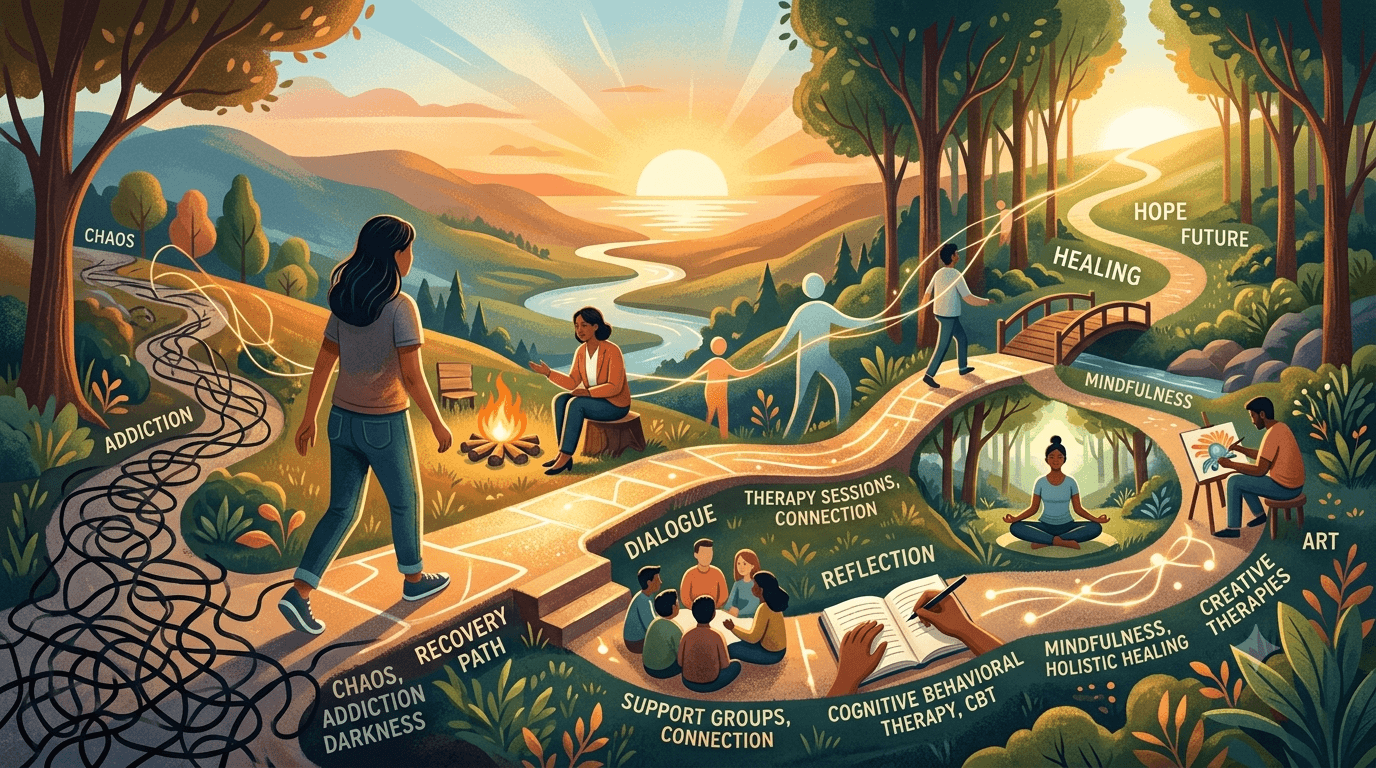
True healing from substance use disorders rarely happens by addressing only physical symptoms or habits—lasting wellness involves the emotional, psychological, and spiritual layers of a person's life. Many in recovery find that spirituality in recovery becomes a vital support, providing channels for hope, purpose, and genuine connectedness that clinical care alone may not reach.2
Spirituality, distinct from religion, includes mindful practices, meditation, and personal reflection. Recognizing this empowers you to thoughtfully consider which spiritual elements could strengthen your recovery journey and complement evidence-based treatment.
Defining Spirituality Beyond Religion in Recovery
Spirituality in recovery covers much more than traditional religious rituals or set dogmas. At its heart, it's about finding meaning, purpose, and a sense of connection—through whatever avenue feels most authentic.
Many people draw support from mindfulness, time in nature, or reflecting on core values, whether or not they belong to a faith community. This inclusive view welcomes diverse experiences, allowing individuals to shape spiritual growth in ways that align with personal beliefs.4
"Today's recovery programs increasingly value these differences, offering space to nurture meaning-making, mindful living, or a connection to something greater, all without imposing religious requirements."
Diverse Approaches: Mindfulness, Meditation, and Meaning-Making
For those pursuing spirituality in recovery, mindfulness offers an essential technique: by paying close attention to each moment without self-criticism, individuals build resilience against cravings and emotional swings.
Consistent practice—such as guided breathwork or simple body scans—fosters emotional stability and clarity. Meaning-making exercises, like reflecting on personal values or purpose, help many redefine identity beyond past substance use.6
These methods suit people seeking non-religious spiritual support; they integrate naturally with evidence-based treatments such as cognitive behavioral therapy, strengthening both self-understanding and recovery outcomes.
How Spirituality Influences Healing and Identity
Spirituality in recovery often marks a decisive shift in how individuals see themselves during healing. Engaging with personal spiritual practices—be it meditation, gratitude, or mindful reflection—helps many move beyond self-judgment, building a sense of agency and hope even in the face of relapse or setbacks.
Studies consistently highlight that incorporating these practices boosts resilience, reduces emotional fragility, and fosters deep identity growth. Spiritual connection also opens space to process grief and shame, while strengthening ties to shared community and core values.3,7
Why Individual Beliefs Matter in Treatment Planning
Every successful recovery plan starts with recognizing each person's unique spiritual needs and worldview. Individual beliefs profoundly shape how someone responds to stress, finds motivation, and relates to support systems during treatment.8
- Some find grounding in traditional faith traditions
- Others turn to mindfulness and nature-based practices
- Many prefer secular meaning-making approaches
- Some combine multiple spiritual elements
Respectful providers use spiritual assessments to understand these preferences—never imposing their own framework. When treatment options honor this diversity, people feel safer and more empowered. This approach works best when you value an environment where care teams respect your personal values and authentic journey through spirituality in recovery.
Evidence-Based Benefits of Spirituality in Recovery
Recent clinical studies and lived experience show that integrating spirituality in recovery—whether through meditation, community connection, or personal meaning-making—supports measurable gains in emotional health and relapse prevention.3
These spiritual elements consistently help people develop stronger coping skills, ease stress, and maintain motivation. Solid evidence demonstrates that when spiritual care is thoughtfully paired with proven therapies such as cognitive behavioral therapy, outcomes improve compared to using clinical interventions alone.5
Improved Coping, Resilience, and Social Connection
Spirituality in recovery empowers people to develop emotional regulation skills that allow for healthier responses to stress, cravings, and setbacks. Regular practices like mindfulness, gratitude exercises, or connecting with supportive communities can help individuals observe tough emotions without reacting impulsively.7
These approaches not only enhance coping with daily challenges; they nurture resilience by rooting people in deeper values and purpose. Many find that exploring spiritual themes connects them with understanding peer networks, reducing isolation and reinforcing hope for lasting change.3
Emotional Well-Being: Reducing Relapse and Stress
Spirituality in recovery offers distinct support for those aiming to manage emotional triggers and avoid relapse. Practices such as meditation and meaning-based reflection reliably activate calming responses in the body's nervous system, helping individuals weather stressful moments with greater steadiness.7
Studies demonstrate that these approaches strengthen emotional regulation and reduce stress over time, supporting sustainable recovery. Many healthcare professionals observe that when spiritual engagement is steady, people gain practical tools to manage anxiety, disrupt old reactions, and build coping skills that make long-term healing possible.3
Integrating Spiritual Care in Clinical Practice Standards
Treatment systems striving for true excellence know that honoring spirituality in recovery requires more than offering optional meditation sessions or spiritual groups. Leading organizations now call for clear protocols:8
- Provider training in spiritual assessments
- Ongoing education around cultural humility
- Hiring chaplains or spiritual care coordinators who collaborate—never interfere—with clinical teams
- Documentation of patient spiritual preferences in care plans
- Guarantee that spiritual involvement always stays voluntary
Thorough, standardized documentation keeps spiritual support distinct from therapy notes, protecting boundaries and patient comfort. Such best practices ensure every individual receives holistic, person-centered care—mind, body, and spirit.5
Ethical and Inclusive Approaches to Spiritual Care
Delivering ethical spiritual care relies on proactively establishing safeguards that honor autonomy and respect the full spectrum of beliefs present in recovery. Leading practitioners ensure that no individual ever feels compelled to join spiritual activities—participation remains entirely voluntary at every stage.8
At the same time, robust protocols provide accessible faith-based options and secular contemplative avenues to those seeking deeper meaning. True inclusivity means care models actively recognize cultural background and life experience, tailoring spiritual support without compromising the highest clinical standards.
Respecting Autonomy and Culturally Sensitive Practices
Delivering truly person-centered support for spirituality in recovery demands genuine cultural humility. Experienced providers recognize that spiritual identity and well-being are expressed differently across backgrounds, requiring careful listening—not blanket solutions.
Practices that offer comfort to one individual may feel unfamiliar or unsafe to another. Honoring this diversity starts with thorough spiritual assessments during intake, where individuals set the pace and boundaries.8
Cultural Considerations in Spiritual Care
- Religious and spiritual traditions vary widely across cultures
- Past experiences with faith communities may influence comfort levels
- Language and concepts around spirituality differ between backgrounds
- Family and community expectations may impact individual choices
- Historical trauma related to religious institutions requires sensitivity
Strong recovery programs train staff to check their own assumptions, encourage honest dialogue, and adjust support to reflect each person's values, cultural heritage, and life experience. Autonomy isn't a detail—it's the foundation for trust and authentic healing.
Avoiding Coercion and Supporting Secular Recovery Options
Maintaining individual autonomy in recovery requires strict safeguards that eliminate all forms of spiritual pressure. Leading treatment centers adopt clear protocols—declining spirituality in recovery must never impact quality of care or access to resources.9
Staff receive specific training to identify and prevent coercive behavior and actively normalize secular choices in assessments. Options like cognitive behavioral therapy, peer groups, and mindfulness-based stress reduction remain available to anyone, allowing people to heal and build resilience without spiritual elements.
Consider this route if you value an environment where non-spiritual pathways are protected and honored, ensuring all individuals thrive on their own terms.
Guidelines for Spiritual Assessment and Provider Conduct
Best practices for spiritual assessment in recovery begin with open-ended, respectful questions about an individual's comfort and interest in spiritual topics—never assumptions based on background or appearance.8
Frontline clinicians must complete ongoing training in topics like spiritual competency, boundary setting, and understanding belief diversity. Proper documentation safeguards confidentiality and ensures that spiritual preferences are only shared with consent, fully protected by HIPAA.
Crucially, professional guidelines forbid any imposition of a provider's personal beliefs, mandating that spiritual exploration remains patient-driven and always voluntary. These standards safeguard trust and create an environment where healing for mind, body, and spirit is genuinely possible through spirituality in recovery and related supportive approaches.
Self-Assessment and Decision Framework for Recovery
Finding the right balance between spiritual and clinical support in recovery starts with honest self-assessment and a systematic look at your options. Many people gain clarity by using structured tools that reveal their true preferences, spiritual orientation, and treatment goals before entering a program.8
This strategy suits those willing to examine their previous experiences—both with spirituality in recovery and with secular pathways—while gauging current comfort levels and envisioning support that feels genuinely helpful.
Self-Assessment: Identifying Your Spiritual Needs
Identifying spiritual needs is a key first step for anyone pursuing long-term wellness. People often discover that comfort with spiritual practices—like prayer, mindfulness, or nature-based activities—greatly impacts their recovery process.
Examining how past experiences, whether in faith communities or through secular meaning-making, shaped your ability to cope with stress or loss can highlight what truly supports you.
Diagnostic Questions: Reflecting on Your Recovery Preferences
Gaining clarity on your recovery preferences begins with targeted, honest questioning. Start by asking:
- What has helped you make sense of difficulty—has it been prayer, mindfulness, connecting with nature, or conversations about identity and purpose?
- Notice your gut reaction to spiritual concepts like gratitude, hope, or belonging
- Assess which formats—community-based gatherings, private reflection, or practical therapies—feel authentic or forced
Many individuals find reviewing past coping methods reveals what aligns with their values and worldview in recovery. This step personalizes your journey and strengthens your approach to spirituality in recovery and overall wellness.
Recognizing Barriers and Openness to Spiritual Components
Opening up to spirituality in recovery often means confronting barriers rooted in earlier experiences—such as feeling dismissed or misunderstood by faith-based or secular groups.
Many find that memories of judgment or pressure from religious settings can make spiritual practices feel out of reach, which is a widely shared struggle. Others hesitate out of concern for their independence or worry about encountering spiritual coercion.8
"On the other hand, genuine curiosity about practices like mindfulness, meaning-making, or gratitude may signal readiness for growth."
Pay attention to your comfort and any resistance—these insights will guide which spiritual or secular elements suit your recovery journey.
Evaluating Past Experiences with Spiritual or Secular Care
Careful reflection on your experiences with past spiritual or secular care often illuminates where you felt most respected and supported in recovery. Examine specific moments—were your beliefs welcomed, or did you feel subtle (or overt) pressure to conform?
Many individuals report that when their preferences were honored—whether in faith-based recovery settings or clinical, evidence-based programs—they experienced a greater sense of empowerment and personal growth.8
If spiritual discussions ever brought discomfort or seemed disconnected from your values, take note. Recognizing these patterns is essential for selecting future approaches to spirituality in recovery that foster genuine trust and fit your authentic needs.
Decision Framework: Choosing the Right Spiritual Path
Making decisions about spirituality in recovery calls for an honest, structured assessment of what will support well-being—both now and in the future. Experienced practitioners advise weighing clinical data, personal comfort with spiritual elements, available resources, and your circle of support when choosing a path.3
This method favors authenticity over outside pressure, giving space for beliefs and emotional readiness to shape your choice. Flexibility is essential, as your spiritual needs may shift during recovery.
Weighing Clinical Evidence, Personal Beliefs, and Program Approaches
Careful recovery choices always blend three essentials: current scientific research, personal values, and the realities of available treatment programs.
Strong evidence confirms that people who integrate evidence-based therapies—such as cognitive behavioral therapy—with meaningful spiritual activities often build better coping skills and experience fewer relapses. However, spirituality in recovery must feel authentic.3
Some thrive in faith-inclusive programs, while others need secular mindfulness or connection to purpose outside religious structures. Treatment centers differ widely in their accommodations: look for teams trained in spiritual competency, flexible programming, and policies that protect your beliefs and autonomy at every stage.8
Criteria Matrix for Deciding Between Spiritual and Non-Spiritual Care
Developing a personal decision matrix brings clarity when choosing between spiritual and secular recovery options. Start by honestly rating your interest in spiritual practices, mindfulness, and community connection on a straightforward scale.
Next, review each program's flexibility—are spiritual activities truly optional, and will you always have access to evidence-based therapies like CBT? Guidance from recent research supports this method: individuals find more success and satisfaction when they select care according to authentic needs, current emotional readiness, and the supportiveness of their environment.5
Balancing Support Networks, Privacy, and Personal Growth
Long-term recovery succeeds when individuals thoughtfully balance support networks, confidentiality, and opportunities for personal growth.
Many people discover that while group settings and spiritual communities foster hope and shared understanding, privacy remains essential for authentic self-reflection—especially as spiritual practices and emotional safety vary greatly from person to person.
This consideration is especially relevant when family members hold differing beliefs or when work settings may not encourage open dialogue around spirituality in recovery. Carefully choosing when to share and when to keep spiritual growth private helps maintain healthy boundaries, empowering the journey toward both belonging and independent well-being.3
Ethical Decision-Making in Integrating Spirituality
Ethical decision-making around spirituality in recovery means building a toolkit to protect personal boundaries and uphold trust in clinical relationships. Many individuals face uncertainty about when to share spiritual preferences or keep them private—especially when autonomy and confidentiality are deeply valued.8
Practitioners recommend learning your rights about spiritual information, advocating for care that respects your unique beliefs, and identifying red flags such as unwanted pressure or unclear documentation.
Confidentiality, HIPAA, and Your Spiritual Information
Trust is built in recovery when people know that their spiritual beliefs and practices are kept private and protected by law. Under HIPAA, details about your spirituality—such as faith, contemplative practice, or meaning-making activities—are treated as protected health information and require your explicit consent before being shared with anyone, including loved ones or employers.8
High-quality treatment programs must maintain clear separation between spiritual conversations and general health records. These boundaries support genuine spiritual exploration within recovery by ensuring you decide when, how, and with whom to discuss your beliefs—removing fear that spiritual information could be used in ways you do not approve.
Inclusive Inquiry: Talking With Providers About Preferences
Communicating your needs around spirituality in recovery starts with clarity and advocacy. Practitioners with deep experience recommend writing out what truly appeals to you—this could be mindfulness, group prayer, or secular values work—before meeting with a provider.
Use clear language, such as, "I'm seeking mindfulness options," or "I'm only interested in evidence-based, non-religious approaches," to avoid confusion or assumptions.8
During these conversations, ask about:
- How programs accommodate diverse beliefs
- Whether spiritual activities are genuinely optional
- How flexibility is maintained as needs change
- What documentation practices protect your privacy
- How staff are trained in cultural competency
Documenting your questions and their responses helps ensure your spiritual autonomy is respected through every stage of care.
Red Flags: When Spirituality Is Misapplied in Care
Safeguarding your autonomy in recovery means being alert to situations where spirituality in recovery becomes misused. Warning signs include:9
- Providers pressuring participation in faith-based activities
- Dismissing evidence-based therapies in favor of spiritual cures
- Framing religious teaching as medical fact
- Staff prioritizing spiritual conversion over clinical progress
- Discouraging honest questions about spiritual content
If staff prioritize spiritual conversion over clinical progress or discourage honest questions about spiritual content, these are serious ethical breaches. It's common for people to feel unsettled if spiritual practices are imposed or replace necessary clinical support.
Reputable programs always honor individual beliefs and maintain clear boundaries, reinforcing that your values, not external agendas, shape your recovery plan.
Your Next 30 Days: Action Steps and Continual Growth
The first 30 days after choosing your path for spirituality in recovery are foundational—this window shapes future success by turning insight into daily practice. Individuals often build new routines, connect with supportive networks, and create systems for tracking their own growth during this stretch.3
Challenges are expected, but many report steady progress by focusing on intentional reflection, consistent habits, and ongoing self-assessment. Practical, manageable steps such as daily mindfulness exercises or community check-ins transform recovery intentions into sustainable, meaningful change rooted in personal values and spiritual orientation.
Setting Your Intentions: Daily Practices for Spiritual Growth
Establishing intentional daily routines is one of the most reliable ways people anchor spirituality in recovery and foster authentic change. Many find that starting each morning with mindful self-reflection—through journaling, meditation, or gentle breathwork—builds clarity and reinforces personal healing goals.3
Spiritual practices like gratitude, prayer, or simply pausing for inner focus nurture emotional balance and connect daily efforts to deeper meaning-making. These practices are most effective when tailored to individual beliefs and comfort levels.
Starting With Self-Reflection, Journaling, and Mindfulness
Seasoned practitioners observe real breakthroughs when individuals dedicate a few consistent minutes each day to self-reflection and mindfulness. Journaling helps clarify patterns and identify which spiritual or secular routines—such as morning gratitude lists or mindful breathing—actually bring calm, rather than pressure or doubt.
Mindfulness, as applied in effective recovery programs, typically starts with focused, slow breathing exercises:
- Inhale for four counts
- Pause briefly
- Exhale with attention to how your body reacts
- Notice thoughts without judgment
- Return focus to breath when mind wanders
Over time, this daily practice builds greater emotional regulation and allows for honest meaning-making, which is foundational for sustainable spirituality in recovery.6
Building Consistency: Scheduling and Tracking Progress
Building reliable habits around spirituality in recovery takes honest planning and flexible accountability. Professionals in the field recommend scheduling spiritual activities—such as guided meditation, gratitude journaling, or mindful walks—at the same times each day or week.
Track your journey with a simple log or digital app, noting:3
- Practice duration and type
- Shifts in mood and energy
- Stress resilience throughout the day
- Quality of spiritual connection
- Sleep quality and overall well-being
Consistent self-monitoring gives you meaningful data to celebrate progress, adapt routines, and maintain motivation, even during setbacks. Over time, this process helps anchor daily growth in both spiritual and practical wellness.
Adapting Approaches: Assessing What's Working for You
It's common for spiritual practices that once felt energizing to become less fulfilling over time. Regular assessment keeps spirituality in recovery meaningful—instead of letting activities slide into routine obligations, experienced practitioners encourage people to notice subtle shifts in stress levels, emotional stability, or satisfaction from practices like meditation or journaling.
Research highlights that modification—switching techniques, adjusting timing, or refreshing goals—is critical when your recovery journey calls for new inspiration or deeper resilience.3
Signs It May Be Time to Adapt Your Spiritual Practices
- Feeling bored or disconnected during practice
- Increased resistance to previously enjoyable activities
- Lack of emotional or spiritual benefits
- Life circumstances have changed significantly
- Curiosity about different approaches or traditions
- Feedback from trusted advisors or peers
Paying close attention to your actual experience helps keep each spiritual support—whether mindfulness, gratitude, or community—in line with your present needs and personal growth.
Connecting With Expertise and Community Resources
Making genuine progress with spirituality in recovery often depends on building relationships with knowledgeable professionals and supportive community groups. Many individuals in early recovery gain momentum by connecting with treatment providers who respect various faith perspectives and by seeking out recovery communities rooted in their values.3
This step involves openly sharing your recovery goals, spiritual needs, and preferences—whether you lean toward mindfulness, secular support, or faith-based groups. Prioritize communities and clinicians familiar with integrated wellness, as these networks can help you maintain accountability and emotional growth.
How to Find and Vet Supportive Treatment Providers
Choosing a treatment provider for spirituality in recovery demands care and transparency. Professionals with advanced training in spiritual assessment, cultural humility, and ethical boundaries offer a safer and more supportive experience.8
Ask about their real-life experience integrating mindfulness, contemplative traditions, and evidence-based modalities like CBT. Inquire specifically:
- How do you support both religious and non-religious clients?
- Is participation in spiritual activities always voluntary?
- How are spiritual preferences documented and protected?
- What training do staff receive in cultural competency?
- Can you provide references from clients with similar needs?
- How do you handle conflicts between spiritual and clinical approaches?
Pick providers who respect individual autonomy and practice honest, patient-driven care—especially if a history of feeling judged or misunderstood is part of your recovery story.
Using Peer Groups and Aftercare for Continued Inspiration
Peer-led recovery groups and ongoing aftercare are essential tools for sustaining spirituality in recovery. In professional experience, people draw deep strength from the honest camaraderie found in 12-step fellowships, secular support forums, and mindfulness-based communities.
These spaces create a unique environment of shared wisdom and mutual encouragement—results unattainable in clinical sessions alone. Aftercare, such as regular group check-ins or peer coaching, extends that lifeline far beyond formal treatment.
"These ongoing connections ground individuals in their values and meaning-making practices, reinforce motivation, and support continued healing during periods of uncertainty or challenge."
These ongoing connections ground individuals in their values and meaning-making practices, reinforce motivation, and support continued healing during periods of uncertainty or challenge.3
Accessing Digital and Local Resources for Ongoing Support
Digital resources now offer practical, around-the-clock support for spirituality in recovery. Many individuals use apps like Insight Timer or Headspace to access guided meditations and join supportive online communities, helping bridge gaps between structured treatment sessions and daily practice.6
Locally, options such as:
- Library-led mindfulness groups
- Meditation circles at community centers
- Non-denominational support meetings
- Yoga classes with spiritual components
- Nature-based recovery groups
Platforms like Meetup.com also spotlight peer-led gatherings for those interested in secular or meaning-making practices. These pathways help sustain growth by connecting individuals to community, supporting emotional and spiritual well-being as recovery continues.
Tracking Outcomes: Adjusting Your Recovery Plan
Experienced advocates know that spiritual growth in recovery cannot be left to chance; it calls for honest, systematic tracking. The most reliable approach involves identifying both practical indicators—such as coping skills, stress regulation, and relationship quality—and deeper outcomes like strength of purpose or alignment with core values.3
Creating a tailored self-assessment helps reflect your true progress and guides timely adjustments if motivation slips or barriers arise. By blending tangible wellness metrics with qualitative self-reflection, spirituality in recovery remains an evolving source of resilience and direction.
Key Metrics: Monitoring Progress and Well-Being
Effective monitoring of spirituality in recovery hinges on tracking both measurable outcomes and personal growth. Experienced clinicians recommend you watch for improvement in:
For spiritual growth, reflect on increased clarity of life purpose, alignment with values in your decisions, and a growing sense of hope or meaning, especially in difficult moments. Weekly, rate your spiritual sense—using a 1–10 scale—to observe genuine trends over time.3
This combination offers realistic, actionable data to drive your recovery forward.
When to Seek Feedback and Professional Guidance
Recognizing when to reach out for professional feedback is essential for keeping your recovery grounded and responsive to new challenges. Individuals often benefit from expert input if they notice:3
- Enduring sleep disruptions despite regular practice
- Increased stress despite regular spirituality in recovery routines
- Difficulty connecting with spiritual practices that once felt meaningful
- Persistent emotional setbacks or uncertainty
- Family concerns about your spiritual choices
- Conflicts between spiritual and clinical approaches
If emotional setbacks, persistent uncertainty, or family concerns emerge, it's wise to consult experienced clinicians who understand both contemplative and evidence-based recovery care. This step is particularly helpful for those committed to autonomy but ready to check their progress with specialists as their needs evolve.
Staying Motivated and Celebrating Small Wins
Sustaining motivation during recovery is deeply influenced by acknowledging and honoring every small achievement. Clinicians with long-term experience emphasize that tracking daily moments—such as practicing mindfulness for five minutes, resisting a negative impulse, or reaching out to a support network—creates measurable momentum for lasting change.3
Meaningful recognition works best when matched to individual values, be that through:
- A self-congratulatory journal entry
- A quiet moment of gratitude
- Sharing a milestone with a trusted support person
- Treating yourself to something meaningful
- Updating your progress tracking system
These small, consistent celebrations make spirituality in recovery feel encouraging and help real growth take hold.
Empowering Sustainable Recovery With Arista
Selecting a truly effective treatment partner is an essential step for anyone seeking both clinical excellence and respect for individual spiritual perspectives. Drawing on years of practitioner experience, it's clear that spirituality in recovery flourishes in programs that integrate personal meaning-making with evidence-based care, ensuring no one's beliefs are overlooked.
Arista Recovery embodies this approach—personalized care plans address the whole person, providing opportunities to explore spiritual wellness while upholding research-based therapeutic standards. This balanced model allows for authentic growth across mind, body, and spirit, with each path carefully matched to individual needs and values for real, lasting healing.5
How Arista's Holistic Care Integrates Mind, Body, and Spirit
Arista Recovery structures its care around the realities clients face: healing isn't sustainable unless it treats the psychological, physical, and spiritual dimensions as equally important components of recovery.
Here, multidisciplinary teams combine evidence-based clinical therapies—such as cognitive behavioral therapy and trauma-informed counseling—with optional, personalized spiritual exploration. This ensures that each person's beliefs and preferences guide the way spirituality in recovery is incorporated, whether through mindfulness, meditation, or meaning-making activities.
Consistent with current expert recommendations, Arista tailors these supports so that treatment environments honor cultural diversity, foster self-discovery, and ground every step in proven therapeutic approaches, building a foundation for resilience and genuine transformation.5
Benefits of Evidence-Based and Spiritual Recovery Pathways
Decades of research and field experience confirm that weaving evidence-based therapies—such as cognitive behavioral therapy—with spiritual supports like mindfulness or meaning-making yields stronger, more lasting recovery.3
People who engage with both see improvements in:
- Relapse prevention and sustained sobriety
- Stress resilience and emotional regulation
- Social bonds and community connection
- Overall life satisfaction and purpose
Spirituality in recovery does much more than provide comfort; it anchors motivation and helps individuals reconnect with core values, especially when facing difficult stretches. This dual-pathway model works particularly well if you want your personal beliefs honored alongside proven clinical methods, addressing the whole person for genuine, sustained healing.5
Frequently Asked Questions
Navigating spirituality in recovery invites practical questions, especially as individuals weigh clinical advice, personal beliefs, and options for whole-person healing. Those working through substance use challenges regularly ask how spiritual practices, counseling, and autonomy fit together in treatment planning.8
This FAQ section responds to the real uncertainties people face—including integrating mindfulness, finding secular choices, and ensuring their beliefs are respected. By providing direct answers on incorporating sacred practices and evidence-based therapies, individuals gain the clarity needed to make confident, informed choices about their path.
What's the difference between spirituality and religion in recovery settings?
Many living with substance use challenges encounter confusion around "spirituality" versus "religion" in recovery settings. Spirituality in recovery describes a personal journey toward meaning, purpose, and connection—whether through mindfulness, reflection, or connecting with nature—without requiring specific rituals or religious beliefs.4
Religion, by contrast, relies on organized teachings and community practices rooted in a particular faith. Today's evidence-based programs respect this difference by offering both faith-based and secular spiritual options. This approach is ideal for those seeking individualized growth, as diverse spiritual tools can support healing for people from all backgrounds.
How do I decide if a spiritual approach is right for my recovery?
Deciding whether spirituality in recovery belongs in your journey starts with honest self-reflection about your comfort, previous healing experiences, and current beliefs. Many people discover their best fit by recalling what truly supports them—whether that's mindful practices, community rituals, time in nature, or structured therapies.4
Notice your reaction to ideas like inner wisdom and purpose. If spiritual concepts bring relief, curiosity, or grounding, this may signal readiness to explore these practices further. People who feel uneasy or pressured by spiritual topics should know that securing autonomy—and working with culturally attuned providers who respect both secular and spiritual views—brings far better therapy outcomes.8
Are there recovery programs that combine spirituality and evidence-based therapies like CBT?
Many recovery programs now thoughtfully combine evidence-based therapies—such as cognitive behavioral therapy (CBT)—with spiritual supports, acknowledging that true change requires both practical tools and personal meaning.3
People in recovery benefit from approaches where mindfulness, values work, or meditation are made available alongside clinical counseling. These integrated treatment options offer a path for those looking to strengthen both emotional regulation and spiritual resilience, honoring that healing is most effective when tailored to individual beliefs and preferences.5
How do I know if a program will respect my beliefs (or lack thereof)?
Genuine respect for each person's beliefs—including secular, religious, or unsure perspectives—distinguishes quality recovery programs. Look for treatment centers that only conduct spiritual assessments with consent and never make participation mandatory.8
Leaders in the field maintain clear documentation that spirituality in recovery is always voluntary, and they train staff to support diverse backgrounds without judgment. Facilities committed to best practice have written policies preventing spiritual coercion, support secular approaches, and adapt care for your authentic needs.
What are some examples of non-religious or secular spiritual practices used in recovery?
Secular spiritual practices in recovery offer powerful tools for growth and meaning without relying on specific religious beliefs. Many individuals build resilience through:
- Mindfulness meditation and present-moment awareness exercises
- Journaling for self-reflection and emotional processing
- Nature-based activities like mindful walking or quiet time outside
- Values identification workshops and meaning-making approaches
- Creative expression through art or music therapy
- Philosophical reflection and ethical exploration
These approaches provide accessible routes to personal insight, all reinforcing the journey of spirituality in recovery through truly person-centered, evidence-based support.
Can spirituality help with co-occurring mental health and addiction issues?
Spirituality in recovery offers additional support for people managing both substance use and co-occurring mental health concerns, such as depression, anxiety, or trauma. Clinical studies demonstrate that spiritual practices—like mindfulness meditation and meaning-making—help regulate stress, foster emotional balance, and nurture a sense of purpose, all of which ease symptoms of mental illness and cravings alike.3
These benefits emerge most reliably when spiritual tools are paired with evidence-based treatments, including cognitive behavioral therapy and medications. Recovery programs increasingly integrate spiritual options as part of holistic dual diagnosis care, giving individuals freedom to pursue the mix that best fits their beliefs and unique healing journey.
How do I talk to my provider about my spiritual preferences or concerns?
Discussing spirituality in recovery with your healthcare provider begins by clarifying your needs and values. Before your meeting, write down what feels supportive—be it meditation, prayer, mindfulness, or clinical strategies without spiritual elements.
Use clear, respectful statements like, "I'd like mindfulness-based options," or, "Please focus on non-religious support," to make your orientation known. Experienced, patient-centered teams listen for specifics and ask about comfort, past experiences, and how spirituality should fit into your treatment.
Always ask whether spiritual activities are voluntary, and how your beliefs—whether secular or spiritual—will be respected. Document these answers to ensure your preferences stay central in every part of your care plan.
What should I watch out for to avoid spiritual coercion or boundary issues in treatment?
Avoiding spiritual coercion or compromised boundaries in treatment depends on spotting practices that threaten autonomy and clinical integrity. Safeguard yourself by questioning any pressure to join faith-based activities, or if staff suggest that declining spiritual involvement signals resistance to healing.8
Red flags include:
- Requirements for attending religious services
- Staff offering personal religious stories as clinical guidance
- Claims that spiritual practices alone can replace evidence-based therapy
- Discouraging questions about spiritual content
The most ethical programs make spirituality in recovery entirely optional, respect secular needs, and always protect individual choice.
Are there additional costs for including spiritual practices in recovery programs? If so, what price ranges can I expect?
Spiritual practices such as meditation groups, mindfulness sessions, or support from chaplains are often included as part of standard recovery programs—especially in holistic or residential settings. However, if you seek individualized spiritual counseling or wish to work with dedicated spiritual care coordinators, there may be separate fees in some programs.
Insurance often covers evidence-based therapies, but coverage for spiritual services can vary and may depend on your provider and plan. Always ask detailed questions regarding what spiritual or holistic supports are included, how secular and faith-based options are structured, and whether additional fees apply based on your specific needs.
How do I measure progress if I include spiritual practices in my recovery?
Tracking your progress with spirituality in recovery means looking at both practical changes and deeper personal growth. Practitioners recommend monitoring key signs like emotional stability, stress response, sleep quality, and the strength of your social support circles—concrete markers that often reflect active healing.3
Additionally, pay attention to shifts in life purpose, alignment with core values, and your sense of hope or connection. Many find it helpful to rate their spiritual connection weekly on a 1–10 scale, focusing on overall trends rather than day-to-day changes.
How long does it typically take to see the effects of incorporating spirituality into my recovery?
Most individuals notice early effects of spirituality in recovery—such as steadier mood and improved sleep—within 3–4 weeks of consistent practice. Deeper changes, including enhanced resilience, clarity in core values, or a stronger sense of purpose, generally unfold across 3 to 6 months as mindfulness and meaning-making become routine.3
Experiences vary hugely: openness to spiritual elements, frequency of contemplative activities, and integration with therapies like CBT all influence the pace of progress. Many find that genuine transformation appears gradually, with significant personal growth typically emerging after sustained engagement for six months or longer.
Can I switch between spiritual and secular programs if my needs change?
Absolutely—you are not locked into any single approach. Quality recovery programs respect that each person's need for spirituality in recovery or preference for secular care can change over time. Many treatment centers design modular or flexible tracks, making it possible to increase or reduce spiritual involvement without fully transferring to a different facility or losing continuity.5
This structure is especially helpful because recovery is often full of reflection, new discoveries, and changing personal comfort levels. The most supportive settings invite ongoing, open conversations with your care team—they will work with you to ensure that spiritual and evidence-based resources remain tailored to your evolving identity and wellness goals.
Is it possible to maintain privacy about my spiritual beliefs during treatment?
Privacy around spiritual beliefs is not only respected in quality recovery programs—it is your legal right. HIPAA specifically protects the confidentiality of spiritual preferences, religious identity, and contemplative practices, requiring your written consent before any information is shared with family, employers, or outside parties.8
Leading centers separate spirituality in recovery discussions from general health records, enabling private reflection with trusted providers. This approach ensures that your journey—whether rooted in mindfulness, meaning-making, or secular care—remains your own, secure from outside influence and shared strictly at your discretion.
Will my family or support network be involved in the spiritual aspects of my recovery?
Involvement of family or your support network in the spiritual aspects of recovery is always your decision. Quality programs that understand spirituality in recovery will check in about your boundaries and never require family participation in spiritual groups or rituals.8
Many people choose to keep spiritual exploration private, especially early on, while others find comfort sharing mindfulness or meaning-making practices with supportive loved ones. The best outcomes occur when you clearly communicate your comfort level—requesting privacy, inviting selective sharing, or encouraging family participation according to your needs and values.3
What resources are available if I want to explore spirituality further on my own?
A wide variety of resources can help you independently explore spirituality in recovery, no matter your beliefs or past experience. Many individuals start with digital apps—such as Insight Timer or Headspace—which offer guided meditations, reflective exercises, and supportive online forums accessible any time.6
Books focused on spiritual growth in recovery, like "The Spirituality of Recovery" or "Sacred Recovery," deliver practical frameworks without requiring traditional religious commitment. Locally, public libraries and community centers often provide meditation circles, yoga classes, discussion groups, and workshops centered on mindfulness or meaning-making.
Your Confidential, Supportive Journey Starts Here
Beginning recovery with Arista means starting with genuine privacy and compassionate expertise. Their admissions professionals are trained to honor the full range of spiritual needs and clinical questions—no judgment, only listening.
Private consultations focus on your unique preferences and lived reality, respecting autonomy at every turn. You'll always find clear communication: spiritual orientation, treatment priorities, and any questions around care or family involvement are explored at your pace, not theirs.5
Many find that such an open, person-centered start empowers them to make confident, informed choices about spirituality in recovery—from day one, you're seen as a whole person, not a label.
Ready to Take the Next Step?
If you're looking for individualized, whole-person recovery support that actively works with the life you're trying to build—not against it—connect with our admissions team today. From flexible outpatient care to that accommodates your schedule and ongoing responsibilities to the structured time and space needed to heal in residential treatment, we have the options you need to succeed.
We'll work directly with your insurance provider so you can focus on what really matters: creating a life you love. Call us today for a healthier, happier, substance-free tomorrow.
References
- National Institute of Mental Health (NIMH) — Spirituality and Mental Health.
- American Psychological Association (APA) — Religion, Spirituality, and Substance Use Disorder Treatment. https://www.apa.org/monitor/2019/01/spirituality-substance-use
- Journal of Substance Abuse Treatment (JSAT) — Spirituality in Addiction Recovery: Evidence and Applications (2024).
- Pew Research Center — Faith and Recovery in America (Report 2025).
- Johns Hopkins Medicine — The Role of Spirituality in Addiction Treatment (2024).
- National Center for Complementary and Integrative Health (NCCIH) — Mindfulness and Spirituality in Recovery.
- Substance Use & Misuse Journal — Spirituality as a Protective Factor Against Relapse (2023).
- The Lancet Psychiatry — Ethical Considerations in Spiritual Care for Addiction (2024).
- Cambridge Quarterly of Healthcare Ethics — Spirituality and Secularism in Addiction Medicine. https://www.cambridge.org/ethics/article/S0963180100001234
- World Health Organization (WHO) — Spiritual Dimensions of Health and Recovery. https://www.who.int/mental_health/spirituality
- National Institute on Drug Abuse (NIDA). https://nida.nih.gov/publications/drugs-brains-behavior-science-addiction/treatment-recovery
- Substance Abuse and Mental Health Services Administration (SAMHSA). https://www.samhsa.gov
- U.S. Bureau of Prisons (BOP) Substance Abuse Program Details. https://www.bop.gov/inmates/custody_and_care/substance_abuse_treatment.jsp
- Centers for Medicare & Medicaid Services (CMS) Mental Health and Substance Use Coverage. https://www.medicare.gov/coverage/mental-health-substance-use-disorder
- KFF (Kaiser Family Foundation) Report on Treatment Facilities. https://www.kff.org/mental-health/a-look-at-substance-use-and-mental-health-treatment-facilities-across-the-u-s/
- National Council for Mental Wellbeing. https://www.thenationalcouncil.org
- National Institute on Alcohol Abuse and Alcoholism (NIAAA). https://www.niaaa.nih.gov
- Recovery Research Institute (Harvard Medical School affiliated). https://www.recoveryanswers.org