Addiction Recovery in Missouri
Addiction treatment in Missouri is not one service. It can include assessment, medical detox, inpatient rehab, outpatient care, counseling, medication support, family education, recovery housing, and long-term relapse prevention. The right starting point depends on the substance, withdrawal risk, health needs, mental health symptoms, treatment history, home environment, and insurance. Arista Recovery helps Missouri residents and families compare those options through its Kansas City access point and nearby Arista treatment locations. For western Missouri, the Kansas City consultation center can serve as a practical first step for assessment guidance, care planning, and connection to an appropriate level of addiction treatment.





References
- Centers for Disease Control and Prevention. (n.d.). Drug overdose mortality by state.
- FindTreatment.gov. (n.d.). Treatment locator.
- Missouri Behavioral Health Council. (n.d.). Behavioral health resources.
- Missouri Department of Mental Health. (n.d.). Behavioral health treatment services.
- Missouri Health Data. (n.d.). Missouri health data portal.
- Substance Abuse and Mental Health Services Administration. (n.d.). National Helpline.
Medical Disclaimer
Educational information is not a substitute for medical diagnosis, treatment, or emergency care. If there is immediate danger, suspected overdose, severe withdrawal, suicidal thoughts, or another urgent safety concern, call 911, go to the nearest emergency department, or call or text 988 for crisis support in the United States.
Don’t Wait—Your Healing Starts Here.
At Arista Recovery, we’re dedicated to helping each person who walks through our doors find lasting healing from the inside out. No matter where you are on your journey, we’ll meet you there and walk beside you every step of the way.
Missouri Addiction Treatment Snapshot
- Primary access point: Arista Recovery Kansas City consultation center at 7505 NW Tiffany Springs Pkwy, Suite 115, Kansas City, MO 64153.
- Treatment focus: Addiction assessment, treatment navigation, and connection to appropriate levels of care.
- Nearby Arista options: addiction counseling in Kansas City, inpatient drug and alcohol rehab near Missouri, and outpatient addiction treatment near Missouri.
- Important safety note: Severe withdrawal, suspected overdose, suicidal thoughts with immediate danger, seizures, or medical instability require emergency care.
- Planning step: Families can verify rehab insurance benefits before admission to understand possible coverage and out-of-pocket considerations.
How to Compare Addiction Treatment Resources in Missouri
Searching for addiction treatment can become frustrating when every option sounds similar. The most important question is not which program is closest or which description sounds most appealing. The better question is what level of care is safe for the person right now. Someone with mild symptoms and a stable home may need outpatient support. Someone with daily alcohol use, opioid use, repeated relapse, or unsafe withdrawal symptoms may need detox or residential care before stepping down.
The Missouri Department of Mental Health behavioral health treatment services describe substance use and mental health treatment resources available across the state. State resources can help residents understand the broader care system. Arista Recovery adds a more personal layer by helping individuals and families talk through symptoms, substance use patterns, safety concerns, and available treatment pathways.
A responsible treatment plan should be based on assessment, not pressure. It should account for medical risks, co-occurring mental health symptoms, previous attempts to stop, family support, transportation, work obligations, and the person's ability to participate consistently. The goal is to match the level of structure to the level of need.
When Assessment Should Come Before Treatment Decisions
Assessment can help people avoid choosing care that is either too low or unnecessarily intensive. A person might ask for outpatient counseling because it seems easier to fit around work, but that may not be safe if withdrawal symptoms are likely. Another person may assume inpatient rehab is the only option, even though outpatient treatment could be appropriate with the right supports. Assessment helps sort through those differences.
An addiction assessment may review the substances used, frequency of use, withdrawal history, medical conditions, medications, overdose risk, mental health symptoms, treatment history, relapse patterns, living environment, and family support. It may also include questions about legal stress, employment, school, transportation, and insurance. These details matter because addiction treatment has to fit real life without ignoring safety.
Families can benefit from assessment guidance even when the person they love is not ready to enter care. A first call can clarify what warning signs to watch for, when emergency care is needed, what information admissions will ask for, and how to approach the conversation without threats or ultimatums.
Common Treatment Pathways for Missouri Residents
Medical detox is considered when stopping alcohol, benzodiazepines, opioids, or other substances could create significant withdrawal symptoms. Detox is not the full treatment plan. It helps stabilize the body so the person can continue into counseling, residential care, PHP, IOP, or outpatient support when appropriate.
Residential or inpatient rehab provides a structured setting away from daily triggers and can be helpful when relapse risk, withdrawal history, home stress, or treatment history point to the need for more support. For Missouri residents near the Kansas border, inpatient drug and alcohol rehab near Missouri may be discussed when a 24-hour structure is clinically appropriate.
Outpatient care can be appropriate when someone is medically stable, has a supportive home environment, and can attend scheduled treatment while continuing daily responsibilities. Outpatient addiction treatment near Missouri may be considered for clients who need structured recovery support without living at a treatment facility.
Counseling and continuing care are also important after a higher level of treatment ends. Recovery often requires ongoing work around cravings, stress, family boundaries, relapse warning signs, employment, social connection, and mental health symptoms. A strong plan includes what happens after the first phase of care is complete.
Mental Health, Addiction, and Dual Diagnosis Needs
Substance use often intersects with anxiety, depression, trauma, grief, sleep problems, and chronic stress. Some people use substances to manage emotional pain. Others develop mental health symptoms that become worse because of substance use, withdrawal, isolation, or consequences from drinking or drug use. Either way, treating one concern while ignoring the other can leave important risks unaddressed.
A Missouri resident who is dealing with both addiction and mental health symptoms should be assessed for integrated care needs. That does not mean every person needs inpatient mental health treatment or a dual diagnosis program. It means the assessment should ask enough questions to understand mood, anxiety, trauma, safety, medication history, and how symptoms affect substance use.
Emergency warning signs require immediate action. Call 911 or go to the nearest emergency department for suspected overdose, seizures, severe confusion, hallucinations, suicidal thoughts with immediate danger, violent behavior, or withdrawal symptoms that feel medically unsafe. Planned treatment can begin after urgent safety needs are stabilized.
Where Arista Recovery Fits for Missouri Families
Arista Recovery's Missouri access strategy centers on helping people find the right next step rather than forcing every situation into one program. The addiction counseling in Kansas City location can help western Missouri residents start with assessment and treatment guidance. When a higher structure is needed, admissions can discuss available Arista locations and whether travel to Kansas may make sense.
People in different parts of Missouri may compare care by region. Families near the eastern side of the state can review addiction treatment resources in St. Louis, while residents in southwest Missouri may look at rehab resources in Springfield, Missouri. These local resources can help clarify distance, access, and regional care needs while the clinical recommendation remains based on assessment.
Arista is one resource within a wider Missouri treatment landscape. A clinically responsible resource explains options, identifies safety boundaries, and helps people understand when another setting may be more appropriate. That honesty builds trust, especially for families making urgent decisions.
Missouri Public Health and Resource Context
Addiction treatment planning benefits from both personal assessment and broader public health awareness. Missouri Health Data provides data and tools that can help communities understand health trends across the state. The CDC drug overdose data also offers national and state-level overdose mortality information that can help contextualize the need for timely treatment access.
The Missouri Behavioral Health Council represents community behavioral health organizations across the state and can help families understand Missouri's provider network. The federal FindTreatment.gov locator can also be used to search for substance use and mental health treatment facilities by location and service type.
For confidential treatment referral and information, the SAMHSA National Helpline is available to individuals and families in the United States. Helplines and public directories can be helpful during research, while Arista Recovery can support a more focused discussion about private treatment options, insurance, and level-of-care fit.
Regional Access Across Missouri
Missouri residents do not all face the same access barriers. Someone in Kansas City may be close to an Arista consultation center, while someone in rural Missouri may have to compare travel, insurance, and family responsibilities more carefully. Residents in St. Louis, Springfield, Columbia, Jefferson City, Joplin, and smaller communities may need to weigh local resources against specialized treatment options outside their immediate area.
Travel for treatment can be worthwhile when the level of care is a better fit, but it should be discussed openly. Families should ask about admission timing, transportation, communication during care, discharge planning, and the local supports needed afterward. The goal is not simply to enter treatment. The goal is to leave treatment with a plan that can continue in the community they return to.
Questions Missouri Families Should Ask
When comparing treatment resources, ask what level of care is offered, whether detox is available, how mental health symptoms are handled, what happens after discharge, and how family communication works. Ask whether a program is directly provided, coordinated through another location, or offered by referral. Clear answers prevent confusion when decisions need to be made quickly.
It also helps to ask how the program responds if needs change. A person who starts outpatient care may need a higher level of support if withdrawal symptoms, relapse risk, or mental health symptoms worsen. A person who completes residential care may need step-down support to return home safely. Treatment planning should account for movement between levels of care.
Using Public Resources Alongside Private Treatment Planning
Public resources, state directories, and helplines can be extremely helpful, especially when families are gathering information or facing insurance barriers. They can show which services are available in a region, where crisis support is available, and how Missouri organizes behavioral health care. They do not always answer the personal question of what level of care is safest for one individual.
Private treatment planning fills that gap by focusing on the personal history, current risks, goals, and support system. Arista Recovery can help Missouri families distinguish between available and appropriate options. That distinction is important when a loved one wants the least disruptive choice, but the symptoms point toward more structure.
Insurance should be reviewed early, but it should not be the only factor in treatment planning. Arista can help families verify rehab insurance benefits and understand what information may be needed for admissions. Coverage depends on the plan, medical necessity, clinical recommendation, location, and level of care. Verification is not a promise of payment or admission.
Before calling, gather the insurance card, date of birth, substance use history, current medications, medical conditions, mental health diagnoses, prior treatment history, and any urgent safety concerns. If you do not have every detail, the conversation can still start. Admissions can explain what information is needed and what steps come next.
Frequently Asked Questions
About Addiction Recovery in Missouri
Some common questions our team receives about inpatient rehab Missouri residents can trust include:
Start with an assessment or admissions conversation. The goal is to understand substance use, withdrawal risk, medical needs, mental health symptoms, home environment, and insurance before choosing a level of care.
Detox may be needed when stopping or reducing substance use could cause unsafe withdrawal symptoms. Alcohol, benzodiazepines, opioids, and heavy daily use should be discussed carefully. Severe symptoms require emergency care.
Yes, Missouri residents may consider nearby Arista options when location, insurance, availability, and clinical fit make sense. Admissions can explain what is available and whether travel is appropriate.
Outpatient treatment can be appropriate for people who are medically stable, have a supportive environment, and can participate consistently. Higher care may be needed when withdrawal risk, repeated relapse, or safety concerns are present.
Yes. Families can ask general questions, learn how treatment works, and prepare for a more informed conversation. A full recommendation usually requires direct participation from the person seeking care.
Testimonials
Hear From Others in Our Recovery Community
“Choosing Arista Recovery gave me a chance to reset my life. The staff cared in ways I did not think possible.”

“The therapy, the community, the structure, it all worked together. I finally feel like I have a foundation to keep going.”

“From detox to residential, the programs here felt safe and steady. It’s a rehab center that really understands what recovery should look like.”

Find a Safer Starting Point
Choosing addiction treatment in Missouri is easier when the first step is organized around safety, not guesswork. Arista Recovery can help you discuss substance use concerns, understand whether detox, inpatient rehab, outpatient care, counseling, or another resource should be considered, and review insurance before treatment begins. Contact Arista Recovery to speak with the admissions team and start planning the next step.
at Arista Recovery's Paola Addiction Treatment Center
Nutritious Meals
Explore group therapy at Arista Recovery and how it can help you recover.
Uber Health Partner
Arista Recovery is an Uber Health partner so we can help you get to treatment at our centers.
Fitness Center
Our state-of-the-art fitness center offers clients a number of options for rebuilding physical health.
Movie Theater
We have an in-house movie theater and popcorn machine for group movie nights & more!
Gardening Center
Our campus includes on-site horticulture center & garden where clients help learn how to garden.
Sand Tray Immersion
Arista Recovery is the only provider in the country to offer sand tray immersion therapy onsite.
Recreation Room
Our facility offers clients a number of recreational activities from board games to books and TVs.
Onsite Salon
Arista Recovery offers our onsite salon services to all clients to help them look their best and feel their best.
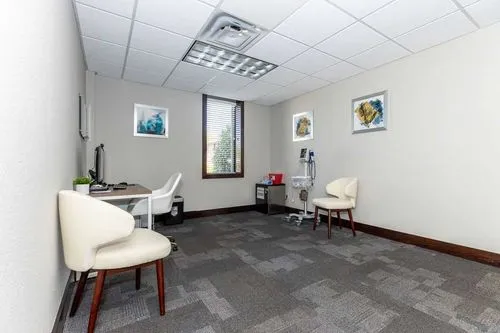
Common Areas & Group Rooms at Arista Recovery's Missouri Treatment Center





OUR APPROACH
Our Unique Therapies
Explore our innovative approach to addiction treatment at Arista Recovery. From evidence-based therapies to holistic and experiential methods, we offer an immersive experience that works to treat the root causes of substance abuse our full continuum treatment programs
Educational Therapy
Explore Educational Therapy at Arista Recovery and how it can help you recover.
Cognitive Behavioral
Explore cognitive behavioral therapy at Arista Recovery and how it can help you recover.
Our Admission Process
Simple, Same-Day Admission
Contact Us 24/7
Call, text, or fill out our form anytime. Our based admissions team is always here, always listening, and always ready.
Fast Insurance Verification
We’ll check your benefits quickly and explain your options in plain language—no surprises, just real support.
Confidential Pre-Screening
A short, private conversation helps us match you with the level of care that fits your needs and your life—so you can get back to living it.
Begin Healing
Once you’re ready, we help coordinate transportation and get you admitted, sometimes within hours.