.webp)


Key Takeaways
- Assess the Situation: Use our early-stage patterns checklist to determine if intervention is needed before challenges escalate.
- Top Success Factors: Integrated treatment improves remission rates by 40-50%, combining MAT with therapy cuts illicit use by up to 75%, and matching care levels increases success by 50%.
- Immediate Next Action: If you notice overlapping mental health and substance use signs, contact an Ohio-based dual-diagnosis program to get guidance early before it escalates.
Why Early Intervention Changes Everything for Addiction Help for Young Adults in Ohio
The Window Before Age 25 Matters Most
When seeking addiction help for young adults in Ohio, understanding the critical window before age 25 is essential. The brain is still developing during this time, which means early substance use can have a bigger, lasting impact on decision-making, emotional health, and future risk of dependency6. That’s why acting now, even if things seem manageable, can make all the difference.
Checklist: How Early Is Early Enough?
- Are you or your loved one under age 25?
- Have you noticed any changes in mood, social circles, or school/work performance?
- Is there a family history of substance use or mental health concerns?
- Are there signs of stress, anxiety, or depression alongside substance use?
Early intervention isn’t just about stopping use—it’s about building tools for resilience and self-worth. When support is offered before age 25, the severity of lifelong challenges drops by 40-60%3. If you’re a parent, this is your chance to be proactive. If you’re a young adult, know that reaching out now is a strength, not a weakness.
This approach works best when you act before problems spiral or become deeply rooted. State resources, medical support, and integrated care are tailored to these unique needs5. Next, you’ll learn how to recognize the early-stage patterns that signal it’s time to reach out for support.
Recognizing Early-Stage Patterns Now
Early-stage substance use can look different for everyone, but there are some key patterns to watch for. Here’s a quick self-assessment tool to help you evaluate the situation:
Early Patterns Checklist:
- Have you or your loved one started using substances to cope with stress, boredom, or tough emotions?
- Are there sudden shifts in mood, energy, or motivation?
- Has there been a drop in grades, job performance, or interest in favorite activities?
- Is secrecy or defensiveness around substance use becoming more common?
- Do friends, mentors, or family express concern—even if nothing seems "serious" yet?
Spotting these signs early can feel overwhelming. About 1 in 7 young adults in Ohio meet the criteria for a substance use disorder each year, yet only 10% get the help they need1. Catching the warning signs early gives you a real advantage.
This path makes sense for families and young adults who want to address problems before they spiral, rather than waiting for a crisis. Support works best when started at the first signs, not after consequences pile up5.
As you recognize these early patterns, remember that mental health struggles often overlap with substance use. Next, let’s explore how depression and anxiety can fuel these challenges—and why it’s important to address both together.
Mental Health and Substance Use: The Overlap
When Depression and Anxiety Fuel Substance Use
Quick Screening Tool: Are Mental Health Struggles Driving Substance Use?
- Have you or your loved one started using alcohol or medications to ease feelings of sadness, anxiety, or numbness?
- Are panic attacks, racing thoughts, or hopelessness more common lately?
- Does substance use seem like the only way to cope or slow down negative thoughts?
- Are you withdrawing from friends, family, or activities you usually enjoy?
If you answered yes to more than one question, it’s likely that mental health and substance use are fueling each other. You’re not alone—almost half of young adults with substance use challenges also experience depression or anxiety8. It’s common for someone to use substances to cope with emotional pain, but this relief is temporary and often deepens both problems over time.
Young adults with untreated depression are five times more likely to develop a substance use disorder than their peers10. Left untreated, this cycle can lead to more severe symptoms, greater risk for overdose, and a harder road to recovery. The good news? Addressing both mental health and substance use at the same time leads to much better outcomes, including higher rates of remission and lower risk of relapse9.
Consider this route if substance use started after mental health symptoms appeared, or if anxiety and depression seem to grow alongside drug or alcohol use. Programs increasingly focus on treating both at once, helping you break the cycle for good5.
Why Integrated Treatment Works Better
Integrated treatment means addressing mental health and substance use challenges together, not in separate silos. Here’s a quick decision guide to help you weigh options:
Integrated Treatment Checklist:
- Is there a diagnosis (or strong suspicion) of both a mental health condition and substance use disorder?
- Have previous attempts at single-focus treatment (just therapy or just detox) led to relapse?
- Do symptoms of depression, anxiety, or trauma seem to worsen during substance use, or vice versa?
- Is your support network struggling to coordinate between different providers?
This approach is ideal for young adults and families who want a coordinated plan that doesn’t leave gaps between mental health and addiction care. Research shows that when both issues are treated together, outcomes improve dramatically: remission rates jump by 40-50% compared to treating one problem at a time10.
For young adults in Ohio, integrated programs often combine medication-assisted treatment, therapy, and social supports under one roof, making it easier to stay engaged and see progress. About 40-60% of young people entering treatment report both substance use and mental health concerns2. Integrated care helps you address underlying pain, reduces the risk of relapse, and supports long-term recovery5.
Building Your Ohio Recovery Plan: Addiction Help for Young Adults in Ohio
What Medication-Assisted Treatment Offers
Medication-assisted treatment (MAT) is a proven approach that combines FDA-approved medications with counseling and behavioral therapies to treat substance use disorders. Understanding what MAT offers—and when it’s the right fit—can be a game-changer for recovery.
Quick MAT Fit Assessment:
- Have you or your loved one tried to quit opioids or alcohol, only to experience intense cravings or withdrawal?
- Are repeated relapses making it hard to stay motivated?
- Has detox alone not led to lasting change?
- Do you want a plan that addresses both cravings and underlying mental health?
MAT addresses the brain’s physical dependence by using medications such as buprenorphine, methadone, or naltrexone. These medications reduce cravings and withdrawal symptoms, making it possible to focus on therapy and life goals. Research shows that combining MAT with weekly behavioral therapy cuts illicit opioid use by up to 75% over 12 months—more than double the success rate of therapy alone7.
Opt for this framework when cravings feel overwhelming or past attempts at quitting have led to repeated setbacks. It is especially effective if mental health concerns—like anxiety or trauma—are part of the picture, since MAT can be integrated with counseling for depression and other challenges6. In Ohio, expanded Medicaid coverage and statewide programs now make MAT accessible for most young adults who meet medical criteria5.
Matching Care Level to Your Situation
Choosing the right care level is a key decision. Here’s a quick decision guide to help you navigate the options:
Care Level Assessment:
- Do withdrawal symptoms or cravings feel unsafe or unmanageable at home?
- Have there been repeated relapses or overdoses, even after trying outpatient care?
- Are there mental health concerns (like depression, anxiety, or trauma) that make daily functioning difficult?
- Is a stable, substance-free environment needed to step away from triggers?
- Do work, school, or family responsibilities require a flexible treatment schedule?
| Level of Care | Best Suited For | Key Features |
|---|---|---|
| Inpatient (Residential) | Severe withdrawal, unsafe home environments, or need for 24/7 monitoring. | Round-the-clock support, structured daily routines, and medical supervision. |
| Partial Hospitalization (PHP) | Need for intensive daily support but safe to return home at night. | Full-day programming, intensive therapy, and medical check-ins. |
| Intensive Outpatient (IOP) | Milder symptoms, transitioning back to daily life, or balancing work/school. | Flexible scheduling, evening/weekend options, and ongoing group/individual therapy. |
Research shows that matching care level to each person’s needs improves engagement and outcomes, with up to 50% higher remission rates for those in appropriately matched programs compared to those in less intensive care6. Prioritize this when safety, mental health, or daily demands play a big role in your recovery plan.
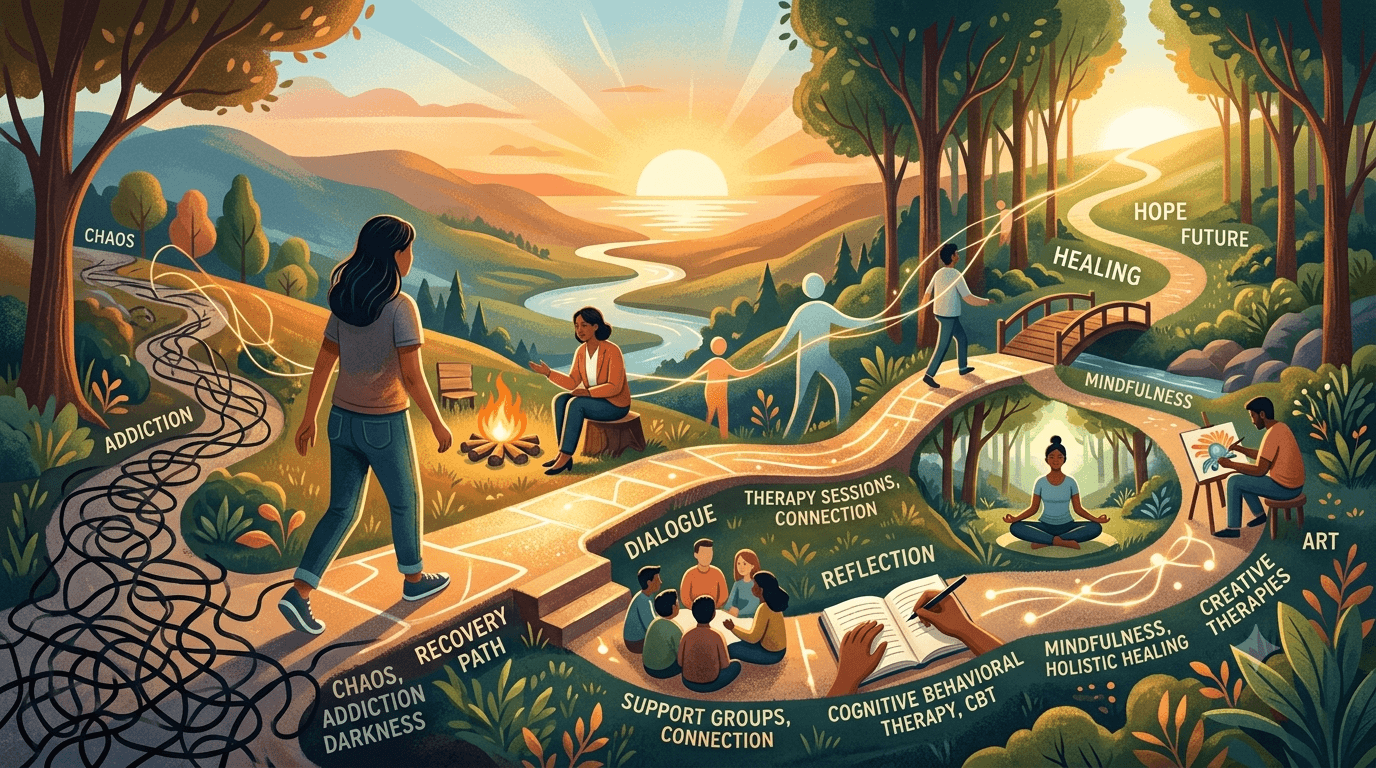
The path to healing is personal, and it’s okay if your needs change over time. There are pathways for every stage of readiness and risk5.
Your Next Steps Toward Recovery
If you're a parent noticing changes in your teen or young adult—mood swings, withdrawal from activities, shifts in friend groups—or if you're a young person recognizing that substance use is starting to affect your mental health, reaching out now can change the trajectory completely. Early-stage challenges often show up alongside anxiety, depression, or trauma, and addressing both together gives you the strongest foundation for healing.
You don't need to wait until things feel completely out of control. In fact, getting guidance early—before patterns become deeply entrenched—makes recovery more accessible and effective. Arista Recovery's programs in Ohio and Kansas are designed specifically for this moment, offering flexible treatment options that work around school, work, and family commitments rather than requiring you to put life completely on hold.
"Get guidance early before it escalates. Every step forward counts, and you don't have to navigate this journey alone."
At Arista's Ohio location, you'll find trauma-informed care that addresses the mental health challenges often driving early substance use. Their approach combines evidence-based therapies like CBT and DBT with experiential modalities including equine therapy on their 38-acre campus—creating space for healing that goes beyond traditional talk therapy. Whether you need intensive outpatient services that fit around your schedule or more comprehensive support, the team creates personalized plans that meet you where you are.
Taking that first step might feel overwhelming, but you don't have to figure it out alone. Arista offers same-day admissions and 24/7 availability because they understand that when you're ready to reach out, waiting shouldn't be part of the equation. Call today to speak with someone who can answer your questions, discuss what's happening, and help you understand your options. Early intervention makes a real difference—and recovery is absolutely possible when you have the right support. You deserve care that sees the whole picture, and your family deserves guidance through this journey too.
Frequently Asked Questions
How long does medication-assisted treatment typically last for young adults?
Most young adults stay on medication-assisted treatment (MAT) for 12 to 24 months, but the right timeline is unique for everyone. Some may need a shorter course, while others benefit from ongoing support to avoid relapse—especially if cravings or mental health symptoms remain strong. National guidelines recommend continuing MAT as long as it’s helpful, without rushing to stop too soon6. Research shows that combining MAT with therapy for at least a year offers the best chance at stable recovery7. Remember, adjusting your plan is normal—what matters most is steady progress and feeling safe as you heal.
What if someone relapses during treatment—does that mean starting over completely?
A relapse during treatment doesn’t erase the progress you’ve made—it’s part of the recovery journey for many young adults. Instead of viewing relapse as failure, see it as a signal that your treatment plan may need some adjustments or extra support. Studies show that relapse rates for substance use disorders are similar to those for other chronic illnesses, like asthma or diabetes, and changing strategies after a setback often leads to stronger, more lasting recovery6. Most programs in Ohio use relapse as a learning opportunity, not a reset button, helping you build resilience and identify new coping skills. Every step forward still counts.
Can treatment work if the young adult isn't fully ready to commit to recovery?
Yes, treatment can still make a difference even if the young adult isn’t totally ready to commit. Motivation often grows throughout the recovery process—not always before it begins. Many Ohio programs use evidence-based approaches like motivational interviewing, which help young adults explore their own reasons for change in a nonjudgmental setting6. Studies show that simply starting treatment, even with some doubt or hesitation, increases the chances of positive outcomes over time7. Addiction help for young adults in Ohio is designed to meet people where they are, offering support that builds confidence and hope as readiness grows. Small steps forward count, even if the journey starts with uncertainty.
How do treatment centers handle privacy concerns for young adults who don't want family involved?
Treatment centers in Ohio take privacy seriously, especially for young adults who aren’t ready to involve family. By law, once someone turns 18, they have full control over who can access their treatment information—no details are shared without written consent, unless there’s a safety emergency or legal requirement5. Many programs offer confidential sessions and let young adults decide on family involvement as trust grows. This approach allows you to build a support system at your own pace, honoring your independence and comfort. Addiction help for young adults in Ohio is designed to protect your rights, so you can focus on healing without extra pressure.
What happens if someone needs treatment but has work or school commitments?
Balancing treatment with work or school is possible—many programs in Ohio offer flexible scheduling, including evening, weekend, or telehealth options to fit around your commitments. Intensive outpatient (IOP) and standard outpatient programs are designed for those who need support but can’t step away from daily life, letting you keep up with classes or a job while still making progress in recovery5. If your schedule changes, most providers will help you adjust your treatment plan so you don’t lose momentum. Addiction help for young adults in Ohio is built to meet you where you are, so your goals and responsibilities stay within reach as you heal.
How do you know if trauma therapy should be part of the treatment plan?
Trauma therapy should be considered if there’s a history of emotional, physical, or sexual abuse, major losses, or repeated stressful events—even if these experiences happened years ago. About 70-80% of individuals seeking addiction treatment have a trauma history, and unaddressed trauma can fuel ongoing substance use or repeated relapses9. Signs that trauma therapy could help include nightmares, flashbacks, panic attacks, or feeling numb and detached. If substance use began after a traumatic experience or coping with memories is tough, trauma-focused therapy may be an important piece of healing. Addiction help for young adults in Ohio often includes trauma care as part of integrated treatment plans5.
References
- SAMHSA National Helpline Overview & National Statistics. https://www.samhsa.gov/find-help/national-helpline
- National Institute on Drug Abuse (NIDA): Opioid Facts & Figures. https://nida.nih.gov/research-topics/opioids
- CDC National Center for Health Statistics: Overdose Death Data.
- SAMHSA: Treatment Episode Data Set (TEDS) & Outcomes Quality.
- Ohio Department of Health: Behavioral Health & Mental Health Programs. https://odh.ohio.gov/know-our-programs/behavioral-health-mental-health
- American Society of Addiction Medicine (ASAM): Treatment Guidelines.
- JAMA: Journal of the American Medical Association - Addiction Research.
- National Alliance on Mental Illness (NAMI): Mental Health & Substance Use Overlap.
- American Psychological Association: Opioid Use Disorder & Mental Health. https://www.apa.org/science/about/psa/opioids
- SAMHSA: Co-Occurring Mental Health & Substance Use Data.