.webp)


When Words Aren't Enough: Art Therapy for Addiction Treatment in the Kansas City Area
Why Emotional Shutdown Happens During Recovery
Emotional shutdown is a common response during addiction recovery, especially for professionals and individuals who have survived intense trauma or overwhelming stress. When you’re in the thick of healing, your brain sometimes protects you by putting up walls—making it tough to feel or talk about what’s happening inside. If you are exploring art therapy for addiction treatment in the Kansas City area, you already know this isn’t weakness or resistance; it’s a natural coping strategy for those who have faced repeated pain or loss.
In Kansas City, where opioid-related hospital visits have increased in neighborhoods like Westport, Midtown, and Brookside, many individuals in treatment experience emotional withdrawal as a way to cope with the fears, memories, and anxiety that come with recovery.10 For some, words can feel entirely out of reach.
The parts of the brain responsible for speech and logic may go quiet during times of distress, while the emotional centers remain active and raw. This is especially true for those living with co-occurring PTSD or a history of traumatic brain injury—concerns present in as many as 80% of individuals with substance use disorders.9 Emotional shutdown can also be triggered by shame, guilt, or the pressure to explain yourself when you’re just not ready. Recognizing this shutdown is the first step to finding new paths forward.
How Art Therapy Creates Safe Expression
When words feel like walls, non-verbal modalities offer a new way through. Picking up a paintbrush, molding clay, or simply choosing colors can unlock a sense of safety that talking sometimes cannot. For many, especially those in neighborhoods like Crossroads, Waldo, and the Historic Northeast, the ability to express without explaining is a huge relief—there is no need to justify feelings or find the "right" words.

Art therapy works by turning emotions and experiences into shapes, lines, and images. This non-verbal approach lets you process grief, anger, or fear in a private and judgment-free space. Research shows that art-making activates different parts of the brain than talking does, especially those tied to memory and emotion regulation.7 This means that even when speech feels impossible, creativity can still help you move feelings out of your head and onto the page.
Sessions are designed to be low-pressure and accessible to all skill levels. There’s no "wrong way" to engage—your art is yours alone. Many local programs welcome people who have never considered themselves creative. In fact, feeling safe and in control is key to healing, and art therapy supports that by letting you set the pace and choose your own materials.7
The Neuroscience Behind Art Therapy for Addiction Treatment in the Kansas City Area
Rewiring the Brain's Reward Pathways
When someone enters recovery, the brain’s reward system—especially the medial prefrontal cortex—often struggles to recalibrate after long-term substance use. Engaging in creative activities like drawing or painting stimulates the same brain circuits that respond to natural rewards, but without the risks or consequences of substances.
Functional neuroimaging studies, including those using functional near-infrared spectroscopy (fNIRS), have shown that art-making activates the medial prefrontal cortex, a key region for decision-making and motivation.11 This activation helps restore neural pathways that chronic substance use can damage, giving your brain new ways to experience pleasure and satisfaction.
For many in Kansas City neighborhoods such as Waldo, River Market, and the Northland, this means you can start to feel genuine joy and accomplishment again—often for the first time in years. People with a history of traumatic brain injury (TBI), a condition that impacts up to 80% of those with substance use disorders, benefit especially from these creative interventions.11 Art therapy creates a safe, gradual way to rebuild positive reinforcement pathways, making recovery more sustainable.
Processing Trauma Without Verbal Pressure
Trauma can leave memories and emotions buried so deep that talking about them feels impossible. For people in recovery throughout Kansas City—whether in Hyde Park, Strawberry Hill, or the Plaza—this silence isn’t stubbornness. It’s often a survival skill. Art therapy offers a way to access those locked-away feelings without having to force out words you don’t have, or relive difficult memories out loud.
Neuroscience research shows that traumatic stress can disrupt the brain’s language centers, making verbal communication about trauma especially hard. At the same time, the brain’s emotional and sensory regions remain active, which is why creative expression—drawing, painting, or sculpting—can feel safer and more manageable.7 Art therapy invites you to translate emotion into color, shape, or movement, bypassing the pressure to explain your pain and letting healing happen on your own terms.
Many Kansas City providers have seen individuals from neighborhoods like Armour Hills and Union Hill begin to process trauma through art when talk therapy alone just isn’t enough.
"I never thought I could face what happened to me until I saw it on paper. Suddenly, I didn’t feel so alone."
— Local Participant from Armour Hills
Art Therapy in Kansas City Treatment Programs
Integration with Evidence-Based Therapies
Bringing together creative modalities with established clinical approaches creates a more complete pathway to healing. In many local rehab settings—from Midtown to Brookside and the Northland—art therapy is used alongside therapies such as Cognitive Behavioral Therapy (CBT), Dialectical Behavior Therapy (DBT), and medication-assisted treatment (MAT). This integrated approach means you don’t have to choose between talking and creating; instead, you get the benefit of both.
Research indicates that combining non-verbal therapies with evidence-based practices can improve emotional processing and increase engagement during recovery. For example, art therapy helps unlock feelings that may be too difficult to articulate in talk therapy, especially for those with co-occurring trauma or traumatic brain injury.7, 11
When paired with CBT or DBT, art-making often leads to deeper self-reflection, which can make it easier to identify triggers and practice coping skills in real life. Many Kansas City providers report that this holistic blend helps participants from neighborhoods like Waldo and Crossroads move through emotional blocks that once stalled progress.
"Creating visual journals alongside group therapy helped me 'see' patterns in my recovery journey that words alone couldn’t reveal."
— Client from the Westside Area
What to Expect in Local Treatment Settings
Participating in these programs often means entering a welcoming, low-pressure space—whether you’re attending sessions near the Plaza, Hyde Park, or North Kansas City. Local programs typically offer both individual and group art therapy, so you may find yourself painting quietly on your own or sharing creative time with others in recovery from neighborhoods like Brookside and River Market. You’ll notice that there’s no expectation to be “good” at art or to create anything specific; instead, the focus lies in the process, not the product.
Sessions usually provide a variety of materials, allowing you to choose what feels safest or most expressive. Common options include:
- Acrylic and watercolor paints
- Pastels and colored pencils
- Clay and sculpting tools
- Collage materials and visual journals
Many Kansas City treatment centers design their art rooms to be calming and accessible, with natural light and flexible seating. Parking is often available on-site, and several locations are accessible via the KC Streetcar or close to major roads like I-70 and I-35, making it easier for people from Midtown, Westside, or Waldo to participate without transit stress.
One participant from the Crossroads district shared, “I felt nervous at first, but seeing others open up through their art made me feel less alone.” Another in Midtown found that simply having a peaceful space to create helped them manage cravings during early recovery. Research shows that these supportive, non-judgmental environments are vital for emotional safety and engagement in therapy.7
For Loved Ones: Understanding Withdrawal and Silence
Recognizing When Someone Shuts Down Emotionally
If you notice a loved one in Kansas City—from Midtown to Waldo or the Northland—growing quiet or withdrawing, you’re not alone. Emotional shutdown is common during recovery, especially when someone feels overwhelmed or unsafe sharing what’s really going on inside. You might observe several behavioral changes, such as:
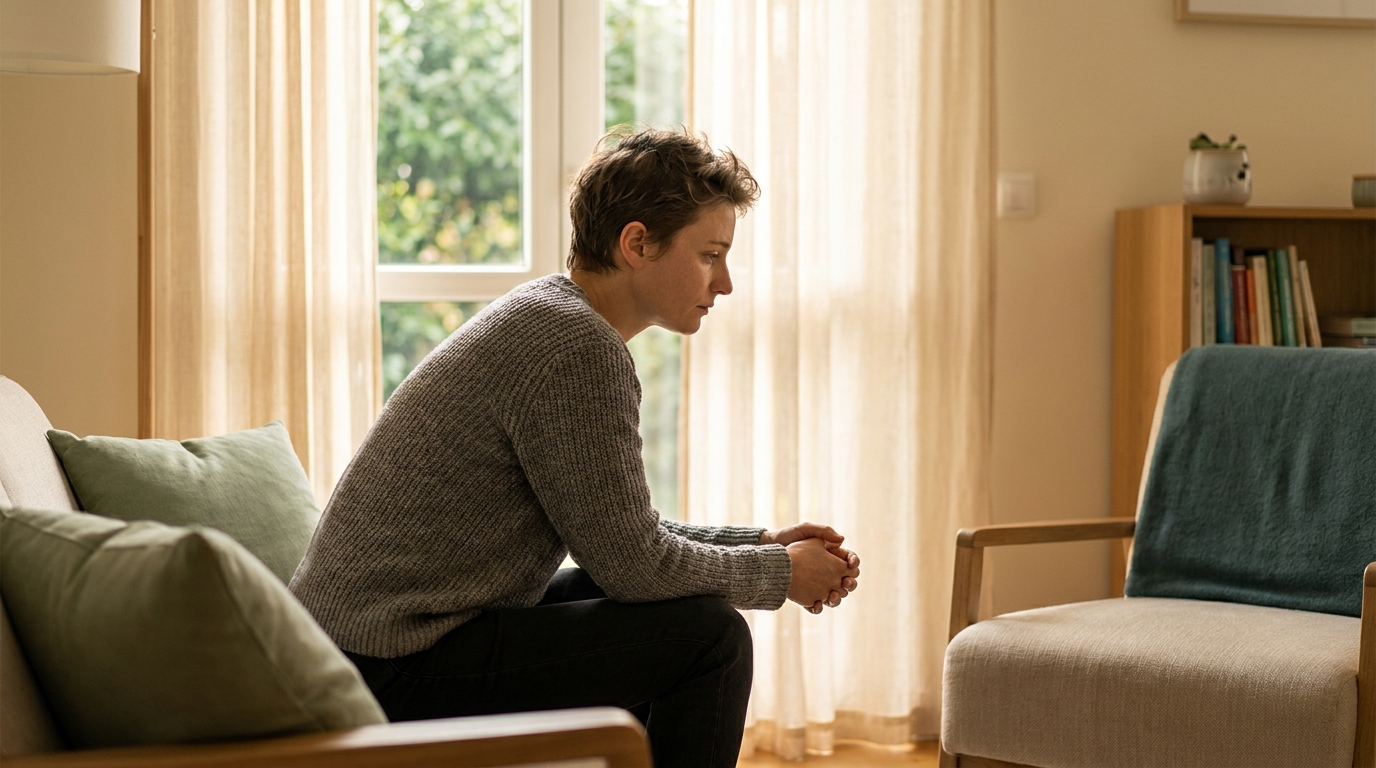
- Avoiding conversations or giving flat, one-word responses
- Skipping family meals or isolating in their room
- Taking long, solitary walks around the Plaza or Brookside
- Avoiding eye contact or showing tense body language
- Shutting down completely when substance use or feelings are mentioned
It’s easy to worry or take it personally, but these signs aren’t about you—they’re often a survival skill for someone facing deep pain or trauma. Research shows that nearly 80% of people with substance use disorders also deal with trauma or brain injuries, making emotional withdrawal a protective response rather than stubbornness.9
This is especially relevant in Kansas City, where local data points to rising opioid-related hospital visits and a critical need for trauma-informed care across neighborhoods.10 If your loved one is shutting down, remember: silence is sometimes their safest option right now. Offering gentle patience and a non-judgmental presence can help create space for healing.
How Non-Verbal Therapies Support Your Person
When your loved one in Kansas City—whether they live in Midtown, Brookside, or River Market—seems unable to talk about their pain, non-verbal therapies can be a real lifeline. These creative outlets give people a way to share and process feelings without the pressure to explain themselves. Even if someone can’t find the words, their creativity can speak for them—using paint, clay, or collage to release emotions that might otherwise stay bottled up.
Research has shown that art-making taps into parts of the brain tied to memory and emotion, helping people process trauma and stress when talking feels impossible.7 These sessions are designed to feel safe and open, so there’s no need to worry about being “good” at art. It’s about the experience, not the end result.
Locally, families from neighborhoods like Hyde Park and Waldo have shared stories of loved ones who felt a massive sense of relief after expressing themselves through art—sometimes for the first time since starting recovery. Supporting your person doesn’t mean pushing them to talk if they’re not ready. Sometimes, just knowing there’s another way to express pain can make all the difference.
Finding Your Path Forward in Kansas City
Not everything can be talked through—and it doesn't have to be. If you've ever felt your throat tighten when someone asks "how are you feeling," or if you've watched someone you care about retreat further into silence when pressed to open up, you already understand something important: words aren't the only pathway to healing.
For many professionals and individuals navigating opioid use disorder or other substance use challenges, traditional talk therapy hits a wall. The emotions are there—grief, shame, fear, anger—but they won't come out in sentences. They can't be neatly explained to a therapist in a chair. And when emotional processing shuts down, the risk of relapse increases, because those unprocessed feelings don't just disappear. They build pressure.
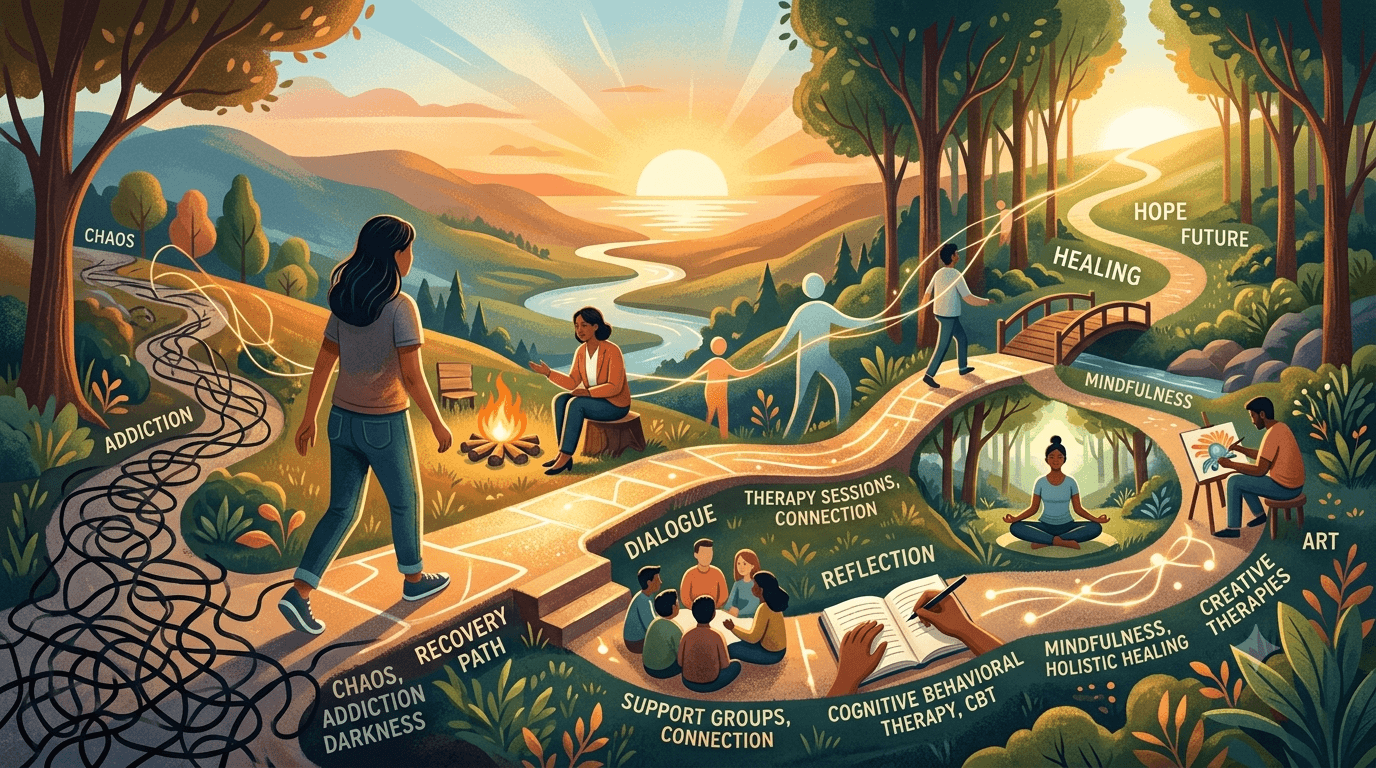
Art therapy offers a different way forward. It's not about creating something beautiful or being "good at art." It's about giving your hands something to do while your mind works through what it can't yet say. Through painting, sculpting, collage, or drawing, you can express what's stuck—without the pressure of finding the right words or maintaining eye contact or explaining yourself before you're ready.
At Arista Recovery, art therapy is integrated into both our Paola inpatient program and our outpatient services across the Kansas City area. It works alongside clinical therapy, not as a replacement, but as a complement—especially for individuals who shut down emotionally or who carry trauma that resists verbal processing. If talking hasn't worked, or if it's only part of what you need, there are other ways to move forward. Let’s talk about what might work for you.
Frequently Asked Questions
Do art therapy programs in Kansas City serve the Overland Park and Paola areas?
Yes, many art therapy programs for addiction treatment in the Kansas City area extend their services to nearby communities like Overland Park and Paola. Local providers recognize that recovery needs don’t stop at city limits, and transportation or access can be a challenge for families in suburban or rural neighborhoods. Programs are often designed to include individuals from Johnson County, Wyandotte County, and Miami County, ensuring people in Overland Park and Paola have the same opportunities for non-verbal healing as those in Midtown or Brookside. Research from the American Art Therapy Association confirms that these inclusive, regionally accessible programs are vital for community-wide recovery support 7.
Can someone participate in art therapy if they have a traumatic brain injury from past substance use?
Yes, individuals with a traumatic brain injury (TBI) from past substance use can absolutely participate in art therapy for addiction treatment in Kansas City area. In fact, art therapy is especially suited for people with TBI, because it taps into brain regions connected to emotion and sensory processing—even when language or memory are affected. Research using neuroimaging shows that art-making activates the medial prefrontal cortex and helps rebuild neural pathways damaged by TBI and substance use 11. Many local programs in Kansas City are experienced in adapting sessions for people with TBI, making sure activities are accessible, flexible, and supportive.
What if my loved one has never done art before—will they feel uncomfortable?
It’s completely normal for someone who’s never tried art before to feel unsure at first, but art therapy for addiction treatment in Kansas City area is designed for everyone—no artistic background needed. The focus is on expressing feelings, not creating a perfect painting or sculpture. Local programs in Midtown, Brookside, and the Crossroads encourage participants to use any materials that feel comfortable, whether it’s markers, clay, or just simple doodling. Research from the American Art Therapy Association shows that a welcoming and non-judgmental environment helps people relax and engage, even if they’re new to art 7. Over time, most begin to feel more confident and find comfort in the process.
How soon after detox can someone start art therapy sessions?
Most individuals can start art therapy sessions soon after completing medical detox, once they are medically stable and cleared by their treatment team. In the Kansas City area, programs often collaborate closely with detox providers to ensure that participants are ready—emotionally and physically—to benefit from creative therapies. For some, this could mean joining art therapy within days of stabilization, while others may need a bit more time to adjust. Research from the American Art Therapy Association emphasizes that early engagement in non-verbal therapies can support emotional regulation and reduce relapse risk during the fragile post-detox phase 7.
Is art therapy covered by insurance in Kansas and Missouri?
Many art therapy programs for addiction treatment in Kansas City area are covered by insurance in both Kansas and Missouri, though coverage details can vary by provider and plan. Most major insurance companies recognize art therapy as a component of behavioral health or substance use treatment when it is provided by a licensed or credentialed clinician. This means that if art therapy is integrated into a larger treatment plan—like inpatient rehab or outpatient services—it is more likely to be reimbursed. It’s a good idea to check directly with your insurance provider for specifics about copays, prior authorization, and network requirements. The American Art Therapy Association confirms that insurance coverage is expanding as more programs demonstrate clinical benefits 7.
Can art therapy help with co-occurring anxiety or PTSD during addiction treatment?
Absolutely—art therapy can be a powerful support for people facing both anxiety or PTSD and substance use challenges. In the context of addiction treatment, creative activities like drawing or painting help calm the nervous system and offer a safe way to process memories or triggers that often feel overwhelming in words. Research from the American Art Therapy Association shows that art-making reduces anxiety, supports emotional regulation, and helps people with PTSD begin to make sense of their experiences in a non-threatening way 7. In Kansas City, many treatment programs use art therapy to help individuals manage trauma symptoms, ease panic, and find a sense of control during recovery.
References
- NIH/NLM PubMed. pubmed.ncbi.nlm.nih.gov
- National Center for Complementary and Integrative Health (NCCIH). No URL provided in source
- SAMHSA (Substance Abuse and Mental Health Services Administration). https://www.samhsa.gov
- NIDA (National Institute on Drug Abuse). https://www.nida.nih.gov
- NIH (National Institutes of Health) - PubMed database. https://www.nih.gov
- CDC (Centers for Disease Control and Prevention). https://www.cdc.gov
- American Art Therapy Association (AATA). https://arttherapy.org
- American Society of Addiction Medicine (ASAM). https://www.asam.org
- National Association of Addiction Treatment Providers (NAATP). https://www.naatp.org
- Missouri Department of Health and Senior Services. https://health.mo.gov
- Source [9]. #