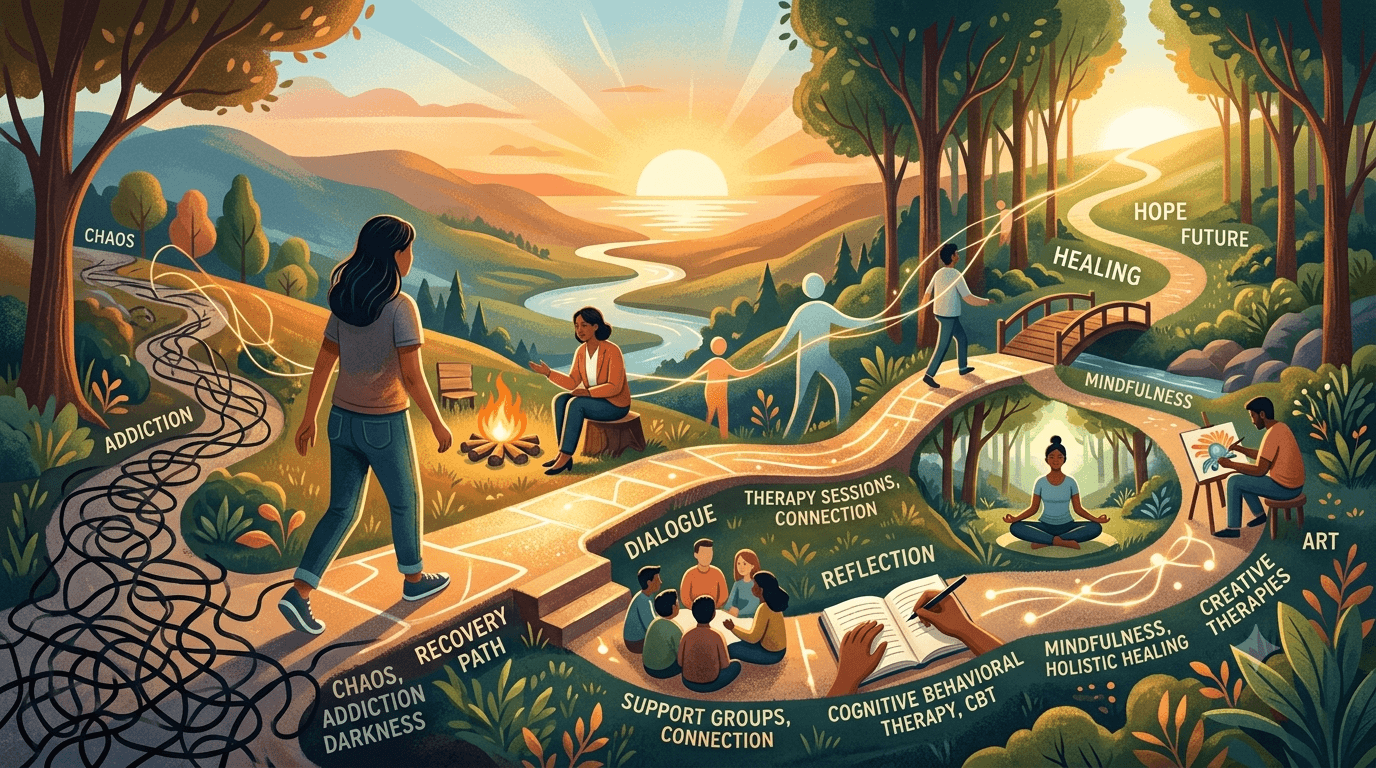
.webp)


Key Takeaways
- Neuroplasticity Persists: Your brain retains the ability to rewire and heal, regardless of how many years you have experienced substance dependence.
- Evidence-Based Success: Over 74% of adults who have faced substance use challenges achieve recovery, proving that long-term use does not prevent long-term healing.
- Comprehensive Care is Essential: Combining medical detox, medication-assisted treatment (MAT), and behavioral therapies yields the highest success rates for sustained recovery.
Decision Flowchart: Evaluating Your Next Step
- Score 1-3 (Contemplation): You are questioning your timeline. Action: Review the physical healing timelines below to understand what is medically possible.
- Score 4-7 (Preparation): You recognize your triggers but feel stuck in cycles. Action: Explore outpatient or partial hospitalization programs that fit your professional schedule.
- Score 8-10 (Action-Ready): You are ready to safely manage withdrawal. Action: Contact a medical detox facility immediately to begin medication-assisted treatment.
Top 3 Success Factors: 1) Medical stabilization (reduces early relapse risks significantly), 2) Integrated dual-diagnosis care for co-occurring conditions, 3) Consistent routine building (90+ days of structured support).
Immediate Next Action: Call a specialized treatment provider to discuss a personalized, evidence-based care plan that accommodates your professional and personal life.
Time vs. Possibility: What Recovery Really Looks Like
Why Years of Use Don't Close the Door
You may wonder, after years of substance use, if the door to recovery is still open. The truth is that time spent struggling does not shut out the possibility of getting sober. Decades of experience—lived through hardship, relapse, or isolation—cannot erase your capacity for change or healing. The question "is it too late to get sober after years of addiction" comes up often, especially among those who feel the weight of past attempts or long-standing habits. But research shows that recovery remains possible even after long-term substance use, thanks to the brain’s ability to adapt and the body’s capacity to heal with the right support.1
It’s normal to feel discouraged if progress has been slow or if setbacks have piled up. Many people in recovery share this feeling. But evidence-based treatment options, such as medication-assisted therapy and behavioral support, are shown to help individuals achieve lasting recovery regardless of how many years substance use has shaped their lives. In fact, millions of people who once believed their situation was hopeless now report living in recovery, defying the myth that a long history of use means permanent defeat.3,10
If you’re feeling stuck or believe your time has run out, remember: the possibility of recovery does not expire with the years. Next, let’s look at what the latest data reveals about recovery rates after long-term substance use.

What the Latest Recovery Data Tells You
Let’s break down what the latest recovery numbers can mean for you. Start with a self-check: Have you ever asked, “Is it too late to get sober after years of addiction?” If so, you’re far from alone. According to the 2024 National Survey on Drug Use and Health, an impressive 74.3% of adults who once struggled with substance use now consider themselves to be in recovery. That’s not a small, cherry-picked group—it’s millions of people, many with decades of difficult history.10
What does this look like in practice? Relapse rates for substance use disorders are similar to those for other chronic illnesses, such as diabetes or hypertension—40-60% in the first year, but dropping to less than 15% after five years of sobriety. This approach is ideal for anyone who’s felt stuck in a cycle of attempts and setbacks: recovery is not a one-time event, but a long-term process where progress compounds over time.1
Cost and time investments vary, but most structured programs recommend a minimum of 90 days in some form of treatment or support group for the best outcomes. Resources like therapy, medication, and peer support are accessible at every stage—regardless of how long you’ve struggled.1
Next, discover how your brain is wired for healing and what that means for your recovery possibilities.
Rewiring Patterns: How Your Brain Heals
If you've been struggling with opioid dependency for years—maybe even decades—you might feel like your brain is permanently changed, like the damage is done and there's no way back. Here's what neuroscience actually tells us: your brain has an incredible ability to heal itself, regardless of how long you've been living with opioid use disorder. This isn't just hopeful thinking—it's documented biology. When you've been dependent on opioids for a long time, the reward pathways in your brain have been reshaped. The circuits that once responded to everyday pleasures got rewired to prioritize the substance above everything else. But here's the encouraging part: those same pathways can be rewired again toward health, whether you've struggled for five years or fifty.
Neuroplasticity is the scientific term for the brain's ability to form new neural connections throughout your life, at any age, after any amount of time. Every time you make a different choice—reaching out for support instead of isolating, attending therapy instead of giving in to cravings, practicing a coping skill when stress hits—you're literally building new pathways in your brain. These pathways get stronger each time you use them, just like muscles get stronger with exercise. The length of your struggle doesn't determine your capacity for change.
The healing happens in stages. During the first weeks and months of recovery, brain chemistry begins to stabilize. The fog lifts gradually. You might notice you're sleeping better or that emotions don't feel quite so overwhelming. Your brain is recalibrating its dopamine system, learning to respond to natural rewards again—a good meal, a genuine laugh, the satisfaction of accomplishing something meaningful.
Around three to six months into recovery, many people experience significant cognitive improvements. Your memory sharpens. Decision-making becomes clearer. The constant mental preoccupation with substances starts to quiet down, giving you mental space for other things. This is the prefrontal cortex—the part of the brain responsible for planning, impulse control, and judgment—coming back online more fully.
The deeper healing continues for years. Research shows that brain structure and function can continue improving well into the second year of recovery and beyond. The white matter that connects different regions repairs itself. The gray matter in areas affected by dependency can increase in volume. These aren't just abstract changes—they translate into real improvements in how you feel and function every day.
This rewiring process needs support, and that's where comprehensive treatment works with your brain's natural healing capacity. Evidence-based therapies like Cognitive Behavioral Therapy and Dialectical Behavioral Therapy teach you skills that reinforce healthy neural patterns—essentially helping you practice the new pathways until they become automatic. Medication-assisted treatment can provide the neurochemical stability your brain needs during early recovery, reducing cravings and withdrawal symptoms so the deeper healing work can happen. At Arista Recovery, these approaches work together to support your brain through every stage of rewiring, from initial stabilization through long-term recovery. Trauma therapy addresses the underlying pain that may have contributed to opioid dependency in the first place, helping your brain process and release what it's been carrying.
Maybe you're thinking that you've tried before, that too much time has passed, that the years of use have put you beyond help. The research says otherwise. The brain's capacity for healing doesn't have an expiration date, and the duration of your struggle doesn't predict your potential for recovery. What matters is that the biological capacity for change remains intact, ready to respond when you're ready to begin.
Building a Long-Term Recovery Foundation
Self-Check: Are You Ready to Begin Again?
Before you can build a long-term recovery foundation, it helps to pause and honestly assess your readiness. Use this quick self-check to get started:
Readiness Self-Check- Am I willing to consider help—even if it feels uncomfortable or unfamiliar?- Do I recognize moments when I wish things could be different?- Have I been open to treatment or support in the past, even briefly?- Can I identify any small reasons—family, health, dignity, hope—that matter to me now?- Am I willing to try again, even if the process feels daunting?
If you answered “yes” to any of these, you’re already taking a brave first step. Even a flicker of openness is enough to begin. Research shows that willingness to seek support and take small steps forward is often the turning point in recovery, especially for those who have struggled for years.1
Many individuals wonder, “Is it too late to get sober after years of addiction?” The answer is no. Nearly three out of four adults who once faced substance use now identify as living in recovery, regardless of how long they struggled.10
Change doesn’t require perfection or certainty—just a bit of courage to try again. If you’re even considering this journey, you’re already on the path. Next, explore how to select the level of care that matches your current needs and circumstances.
Choosing the Right Level of Care for You
Choosing the right level of care is about matching your current needs and circumstances with safe, effective support. Use this quick decision tool to help clarify your options:
Level of Care Decision Tool- Are withdrawal symptoms severe, or do you have other serious health issues? → Medical detox and inpatient care are safest.- Do you need daily structure and support but can manage some independence? → Partial hospitalization or intensive outpatient programs may fit.- Are you stable but seeking ongoing accountability and therapy? → Outpatient care or support groups are valuable.
Selecting a care level is not about proving how "bad" things are—it's about giving yourself the best shot at sustained recovery. This approach works best when you’re honest about your physical and emotional safety, your living situation, and your past experiences with treatment. For those wondering, "is it too late to get sober after years of addiction," research shows that people with decades-long histories often benefit from starting with higher levels of care before stepping down as stability grows.13
Time in each setting varies: detox may last a week, while inpatient care can run 30+ days; outpatient engagement often continues for months. The best outcomes come from a long-term plan that adjusts as you heal.10
If you’re not sure where to begin, that’s normal—reaching out for a professional assessment can help you move forward with confidence. Up next, let’s look at real strategies for sustaining sobriety after years of struggle.

Sustaining Sobriety After Decades of Struggle
You've been carrying this weight for twenty years. Maybe thirty. The kind of timeline where early relapses blur into later ones, where you've watched treatment approaches evolve while your own struggle remained constant, where you've perhaps helped others find recovery while your own felt perpetually out of reach. Maybe you've cycled through detox programs that stabilized you physically but sent you back to the same environment within days. Maybe you've completed outpatient therapy that addressed surface behaviors without touching the trauma underneath.
If you're reading this after decades in this cycle, you already know the clinical reality: duration doesn't determine possibility. What matters now is whether the treatment structure can finally match the complexity of what you're facing.
The same neuroplasticity that allowed your nervous system to adapt to dependency works in reverse during recovery. Those neural pathways that formed over decades can be rewired, replaced, and redirected toward healthier patterns. Research consistently shows that people who've struggled with opioid use disorder for extended periods achieve lasting recovery when they receive comprehensive treatment that addresses both the physical dependence and the underlying factors that kept the cycle going.
Sustaining sobriety after decades isn't about erasing your history. It's about building new patterns strong enough to support the life you want—and having the infrastructure to support those patterns beyond the initial stabilization phase. This happens through consistent engagement with evidence-based therapies that help you understand your triggers, develop coping skills, and process the experiences that contributed to your addiction. Cognitive Behavioral Therapy helps you identify and change thought patterns that lead to use. Dialectical Behavioral Therapy teaches you emotional regulation skills that become stronger with practice. Trauma therapy addresses the wounds that may have been driving your reliance on opioids all along.
Medication-assisted treatment plays a vital role for many people sustaining long-term recovery from opioid use disorder. Medications like buprenorphine and naltrexone reduce cravings and withdrawal symptoms, giving your body and mind the stability needed to engage fully in therapy and rebuild your life. This isn't replacing one substance with another—it's providing the neurochemical support you need while you develop the psychological and behavioral tools for lasting change.
What often breaks down after decades of struggle isn't the initial treatment—it's the gap between medical stabilization and long-term support. Arista Recovery's continuum addresses this directly: medical detox that manages acute withdrawal, residential treatment on a 38-acre campus where you can focus entirely on recovery work, partial hospitalization and intensive outpatient programming that bridges back to daily life, and sober living environments that extend support during the vulnerable transition period. This isn't a 28-day program that ends abruptly. It's ongoing infrastructure designed to support recovery as it actually unfolds—in stages, with setbacks, requiring different levels of care at different moments.
The most encouraging truth about long-term recovery: it gets easier, not harder. Each day you practice new coping skills, they become more automatic. Each time you navigate a difficult situation without using, you strengthen those new neural pathways. What feels impossibly hard in the first weeks becomes manageable in the first months and eventually becomes your new normal. You're not starting from scratch. Every moment you've survived, every insight you've gained about what hasn't worked, every time you've wished things could be different—all of that becomes useful data in recovery. Your decades of struggle have taught you things about resilience and pattern recognition that matter now. The question isn't whether you can sustain sobriety after all this time. The question is whether you're ready to engage with treatment structured for the long term, not just the crisis moment.
Conclusion
No matter how many years have passed, you haven't missed your window. Recovery doesn't operate on a timeline that disqualifies you because of how long you've struggled. The neural pathways in your mind have spent decades forming patterns around opioids, yes—but they're also capable of remarkable rewiring at any stage of life. The same neuroplasticity that deepened those grooves can create new pathways toward healing.
Long-term recovery isn't about erasing your past or pretending those years didn't happen. It's about building sustainable systems that support the person you're becoming. That means addressing the co-occurring mental health conditions that may have fueled your dependency, developing coping skills that actually work for your life, and connecting with support that extends beyond initial treatment.
At Arista Recovery, we understand that decades of opioid use often means you've built a life—work commitments, family responsibilities, routines that can't just stop. That's why our evidence-based approach works with your brain's natural healing capacity through flexible scheduling that fits real life, comprehensive trauma-informed care that addresses what's underneath the dependency, and 24/7 availability when you're ready to take that step. You deserve care that recognizes your unique journey—the complexity of what you've experienced and the strength it took to consider change after all this time. If you're wondering whether recovery is still possible for you, the answer is yes. No timeline disqualifies you—call and talk it through. You're worth the conversation.
Just one phone call to Arista Recovery can start your path toward healing. Schedule a guidance call today to discuss the best treatment options for your loved one.
Frequently Asked Questions
How much does long-term addiction treatment typically cost, and will insurance help cover it?
Long-term addiction treatment costs can vary widely based on the type of care you need. Medical detox and inpatient programs are typically the most expensive, while outpatient and peer support groups are more affordable. Many people ask, "Is it too late to get sober after years of addiction," but often overlook practical questions about payment. Insurance—private, Medicaid, or Medicare—now covers most evidence-based treatments, including medications and therapy in many states. If cost feels overwhelming, know that sliding scale fees, grants, and state-funded programs may be available. Don’t let finances keep you from seeking help; resources and coverage options exist for every stage of recovery.3
How long does it take to see real progress after starting treatment for a decades-long addiction?
Real progress looks different for everyone starting treatment after decades of substance use, but you can expect most changes to unfold gradually. In the first few weeks, you might notice small improvements in sleep, mood, or cravings. Major shifts—like better decision-making or emotional stability—often take several months. Research shows early recovery is most unstable in the first 3-12 months, with relapse risk highest during this period. Many programs recommend a minimum of 90 days in treatment for the best chance at lasting change. Remember, asking "is it too late to get sober after years of addiction" is common, but science shows that steady effort brings real progress at any age.1,4
If I've relapsed many times before, does that mean treatment won't work for me now?
Relapsing many times does not mean treatment won’t work for you now. In fact, relapse is a common part of the recovery process for substance use disorders and is often compared to other chronic illnesses like diabetes, where symptoms can return and require ongoing management 1. Each attempt at treatment gives you more tools, experience, and self-awareness to draw on. Many people who have achieved lasting recovery tried multiple times before it finally stuck—over 74% of adults in recovery today had a history of setbacks or relapses. The key is to view relapse not as failure, but as a signal that your support plan may need adjusting. Recovery remains possible, no matter how many tries it takes.10
How do I decide between detox, inpatient, or outpatient care when I'm not sure where to start?
When you’re unsure where to start, focus on your immediate needs: if withdrawal symptoms are severe or you have other health concerns, medical detox is safest and provides 24/7 supervision. Inpatient care offers a structured environment with daily support—this approach works best when you need stability and protection from triggers. Outpatient care allows you to live at home while attending therapy or groups several times a week, which fits when you have a safe environment and need flexibility. If you’re asking, "is it too late to get sober after years of addiction," remember that effective care exists at every level—start with a professional assessment to find the safest match for your situation.3,1
Are medication-assisted treatment options safe to use long-term, especially for older adults?
Medication-assisted treatment (MAT), which uses medications like buprenorphine or methadone alongside counseling, is considered safe and effective for long-term management of opioid use disorder—even for older adults. MAT is not a "quick fix" but a chronic care approach, similar to diabetes or hypertension, and can be adjusted to individual needs over time. Studies show that ongoing MAT reduces relapse risk, improves survival, and supports overall health in people of all ages. If you’re wondering, "is it too late to get sober after years of addiction," know that MAT remains a reliable option at any stage of life.3,8,14
What can I do if family or friends no longer believe recovery is possible for me?
If your family or friends no longer believe recovery is possible for you, remember that their doubt does not define your future. It's common for loved ones to become discouraged after witnessing relapses or years of struggle—but research shows that long-term recovery is still possible, even after decades of substance use. You can choose to focus on building a new support system, such as connecting with peer groups, counselors, or recovery communities who recognize your potential. This approach works best when you celebrate your own progress, however small, and seek encouragement from those who believe change is always possible. Stay open to new connections—your journey is yours, regardless of outside belief.1,10
What practical barriers should I prepare for, and how can I work around them?
Common barriers in long-term recovery include transportation challenges, financial stress, lack of childcare, and stigma from others. If you find it hard to make appointments due to distance or cost, explore telehealth options or ask about transportation assistance—many programs now offer these supports. Cost can feel overwhelming, but sliding scale fees and insurance coverage are available for most evidence-based treatments. If stigma or lack of support is an issue, connecting with peer groups or online communities can help you rebuild encouragement and accountability. Remember, if you’re asking, "is it too late to get sober after years of addiction," these barriers are common—and workable with the right resources.3,12
References
- Treatment and Recovery | National Institute on Drug Abuse - NIDA. https://nida.nih.gov/publications/drugs-brains-behavior-science-addiction/treatment-recovery
- Pathways to Long-Term Recovery: A Preliminary Investigation - PMC. https://pmc.ncbi.nlm.nih.gov/articles/PMC1852519/
- Treatment of Substance Use Disorders | Overdose Prevention - CDC. https://www.cdc.gov/overdose-prevention/treatment/index.html
- Chronic Addiction and Recovery Management: Implications for .... https://pmc.ncbi.nlm.nih.gov/articles/PMC6345257/
- Recovery is Possible - IN.gov. https://www.in.gov/recovery/know-the-facts/recovery-is-possible/
- Evidence-Based Treatment for Young Adults with Substance Use .... https://pmc.ncbi.nlm.nih.gov/articles/PMC7879425/
- Treatment Options for Substance Use Disorder - SAMHSA. https://www.samhsa.gov/substance-use/treatment/options
- [PDF] Substance Use in Older Adults - National Institute on Drug Abuse. https://nida.nih.gov/sites/default/files/df-subabuse-older-adults.pdf
- SAMHSA Releases Annual National Survey on Drug Use and Health. https://www.samhsa.gov/newsroom/press-announcements/20250728/samhsa-releases-annual-national-survey-on-drug-use-and-health
- Release of the 2024 National Survey on Drug Use and Health. https://www.samhsa.gov/blog/release-2024-nsduh-leveraging-latest-substance-use-mental-health-data-make-america-healthy-again
- Chapter 7—Social Support and Other Wellness Strategies for Older .... https://www.ncbi.nlm.nih.gov/books/NBK571038/
- Barriers and Facilitators to Substance Use Disorder Treatment - PMC. https://pmc.ncbi.nlm.nih.gov/articles/PMC9434658/
- [PDF] Results from the 2024 National Survey on Drug Use and Health. https://www.samhsa.gov/data/sites/default/files/reports/rpt56287/2024-nsduh-annual-national-report.pdf
- Has Treatment for Substance Use Disorders Increased? Issue Brief.