.webp)


Key Takeaways
- Local Reach: Comprehensive support serving Midtown, Brookside, Crossroads, Waldo, and Overland Park.
- City-Specific Data: Designed to address the needs of the over 157,000 residents in the Kansas City metro area managing a substance use disorder each year.
- Accessible Locations: Programs are conveniently located near major landmarks like The Plaza and the River Market.
- Transit-Friendly: Easy access via the Troost Avenue MAX line, Main Street transit corridors, and I-35.
Why Rebuilding Life Matters in KC Recovery
Life Skills Therapy for Addiction Recovery in Kansas City
You've made it through detox. Maybe you're in treatment now, or you've just completed a program. Either way, you're probably asking yourself: "What happens next? How do I actually live my life without falling back into old patterns?" That's not just a normal question—it's the most important one you can ask right now.
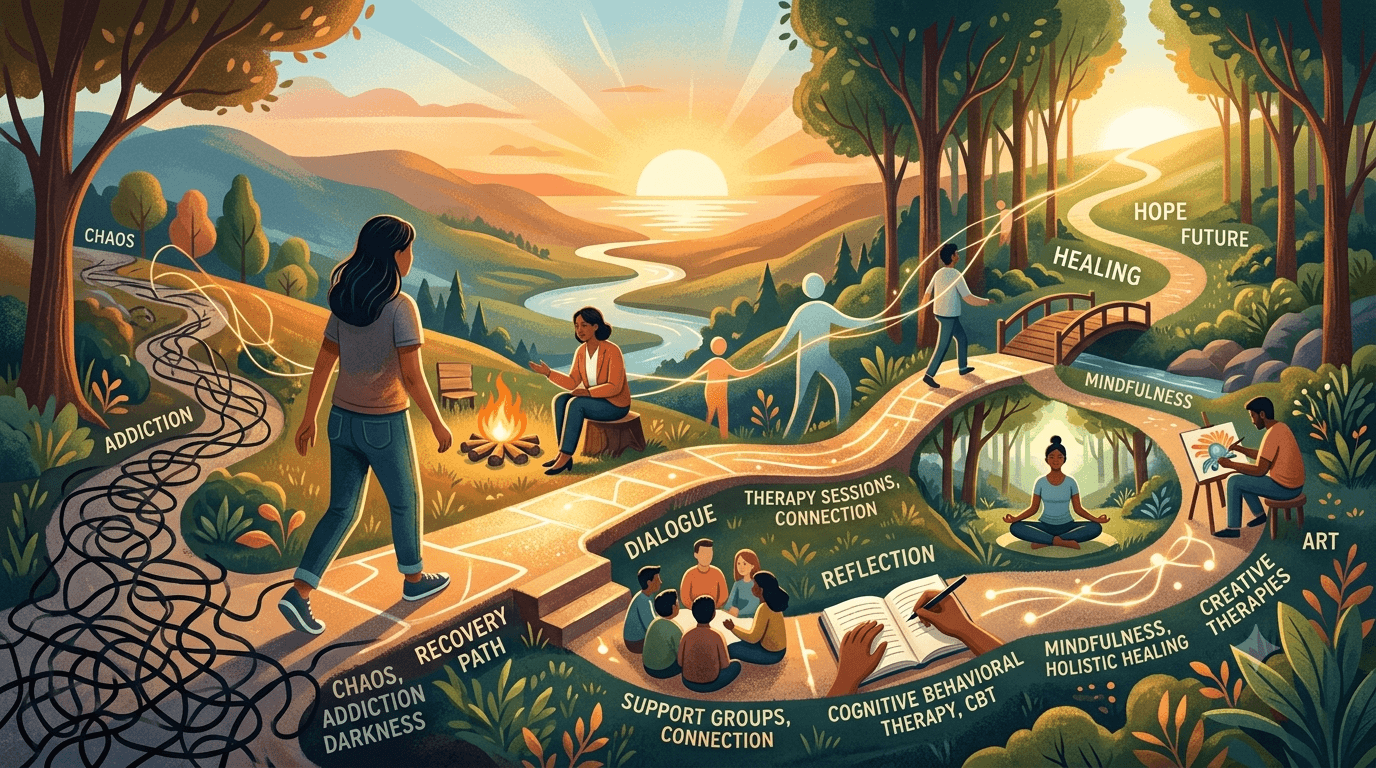
Life skills therapy is the bridge between clinical progress and real-world sustainability. While traditional therapy helps you understand why you developed substance use patterns and how to process emotions differently, life skills therapy gives you the practical capabilities you need to function day-to-day. It's learning how to budget when you haven't managed money in years. It's practicing how to communicate boundaries with family members. It's building routines that structure your time and give you purpose. These aren't extras added onto recovery—they're what prevent the gap between feeling better in treatment and actually staying stable when you leave.
Here's the reality: most relapses happen not because clinical treatment failed, but because everyday life became overwhelming without the practical tools to navigate it. Life skills therapy runs parallel to your clinical work specifically to address this gap. When you're working through opioid recovery, getting through detox and treatment is just the beginning. The real challenge? Stepping back into everyday life with the skills to actually sustain your progress. That's where rebuilding comes in—and why it matters so much in the Kansas City recovery community.
Here's what research shows: relapse rates spike highest in the first 90 days after treatment. Not because people don't want to stay in recovery, but because they're suddenly facing situations they haven't navigated sober in months or even years. How do you handle stress at work without your old coping mechanism? What do you do when you run into people from your past? How do you structure your days when treatment schedules no longer provide that framework?
These aren't small questions. They're the daily realities that determine whether your recovery sticks or stumbles. And honestly, clinical treatment alone doesn't always prepare you for them. You need practical life skills—budgeting, communication, conflict resolution, time management—that help you build a stable foundation outside the treatment environment.
Think about it this way: recovery isn't just about what you're stopping. It's about what you're building in its place. A routine that supports your sobriety. Relationships that aren't centered around substance use. Confidence in your ability to handle difficult emotions without reaching for something to numb them. Purpose that gives you reasons to keep showing up for yourself.
In Kansas City, effective recovery programs recognize this reality. They integrate life skills development throughout treatment—not as an afterthought, but as a core component. Because when you leave treatment with both clinical progress and practical capabilities, you're not just hoping things work out. You're equipped to make them work out. That's the difference between temporary sobriety and lasting recovery.
How Structure Gaps Lead to Relapse Risk
The Gradual Stages of Relapse
Relapse rarely happens all at once—it unfolds in gradual stages, each with its own warning signs. The process often starts with emotional relapse, where stress or isolation in everyday Kansas City life—like feeling anxious about driving along Troost Avenue or getting overwhelmed in a Midtown crowd—triggers old patterns. You might not be thinking about substance use yet, but self-care slips, and support meetings get missed.
Next comes mental relapse. Thoughts start to shift: you remember past use, question if you can handle recovery, or bargain with yourself. The temptation to revisit old routines, maybe near familiar places like Westport or the Plaza, can feel strong. Without a structured daily plan or strong coping tools, these mental struggles become tougher to resist.
Physical relapse is the final stage, when a person actually returns to substance use. Research shows that by the time physical relapse happens, most individuals have already experienced days or weeks of emotional and mental warning signs 13. This is why life skills therapy for addiction recovery in Kansas City emphasizes building routines, communication skills, and stress management—skills that help you spot trouble early and steer away from high-risk situations before they escalate.
Understanding these stages empowers individuals and families to notice when structure is slipping and take action sooner. Up next, you'll see how everyday triggers in local environments can test even the strongest intentions.
High-Risk Triggers in Daily Life
High-risk triggers can show up in the routines and places you know best. In Kansas City, daily life offers both comfort and challenge—whether you’re grabbing coffee in Westport, waiting for a bus at 18th & Vine, or running errands in Brookside. Triggers often hide in plain sight: a stressful interaction in Midtown traffic, the smell of alcohol outside a Power & Light bar, or even passing by old hangouts in the Plaza. These small moments can pile up, especially when structure is missing, making it easy to slip back into old habits before you realize it.
Research shows that people in recovery face the greatest risk when they lack coping skills or daily routines to anchor them 3. Life skills therapy for addiction recovery in Kansas City addresses these real-world triggers by teaching practical ways to manage stress, make healthy choices, and handle unexpected setbacks. It’s not about avoiding every tough spot—it’s about recognizing your personal warning signs and having a plan that fits your life in neighborhoods like Waldo or the River Market.
Building awareness of high-risk triggers is one of the best tools you can have in your recovery toolkit. With practice, you’ll start to notice patterns and respond with confidence, not fear. Next, discover which practical life skills help turn vulnerability into strength.
Practical Skills That Strengthen Sobriety
Confidence and Routine for Individuals
Building confidence and establishing routine are at the heart of life skills therapy for addiction recovery in Kansas City. Day-to-day life in neighborhoods like Waldo, Brookside, and the Crossroads District brings its own set of challenges, whether it’s navigating bus routes, dealing with job stress, or adjusting to new expectations at home. Without structure, it’s easy to feel overwhelmed or stuck—but every routine you build is a step toward regaining control and believing in yourself again.

Evidence shows that practicing skills like time management, goal setting, and self-care helps reinforce your belief that you can handle whatever comes your way 1. This confidence doesn’t happen overnight. It’s built through small wins: sticking to a morning routine, preparing meals at home, or making it to appointments on time. The more you practice these skills in your daily life—like budgeting for groceries at City Market or planning a walk around Loose Park—the stronger your sense of self-efficacy becomes.
Research also highlights that individuals who focus on routine and confidence-building are less likely to relapse, even when faced with stressful situations or old triggers 5. Life skills therapy for addiction recovery in Kansas City isn’t just about following rules; it’s about building trust in yourself, so that independence doesn’t feel scary but empowering.
Next, let’s take a look at how these same skills can bring reassurance and hope to loved ones watching from the sidelines.
Long-Term Stability for Loved Ones
Watching someone you care about navigate recovery in Kansas City can be both hopeful and worrying. For parents or partners, the biggest question often lingers: will their loved one truly be able to stand on their own, especially in neighborhoods like River Market, Waldo, or Midtown, where everyday life moves quickly and responsibilities never pause? Life skills therapy for addiction recovery in Kansas City offers reassurance by focusing on abilities that create real, lasting independence.
Research shows that when people in recovery learn practical skills—like budgeting, managing time, and communicating effectively—their chances of maintaining sobriety improve dramatically, even years after treatment ends 5. This isn’t just about routines; it’s about building trust and mutual respect. Loved ones start to notice the difference when bills are paid on time, healthy meals are cooked at home, or stressful situations—like navigating parking near Union Station—are handled calmly.
Missouri’s regulations reinforce the importance of life skills training as a requirement for recovery programs 4. This helps families feel confident that their loved ones aren’t just learning to avoid substances, but are also gaining tools to thrive in busy, unpredictable environments across Kansas City. Local testimonials echo this: one parent from Brookside shared how their daughter’s ability to manage her schedule and handle daily stresses brought peace of mind and hope for the future.
Next, see how these skills translate into real-world readiness for reintegration across Kansas City, from Downtown to the Plaza.
Real-World Reintegration Across Kansas City
Building Financial Stability During Recovery

Recovery doesn't happen in a vacuum. You're rebuilding your life in the same Kansas City neighborhoods where you lived before—driving the same streets, managing the same bills, navigating the same relationships. The difference? This time, you're equipped with practical skills that help you handle what comes your way.
Financial stress is one of the most common relapse triggers, and it's often the first real-world challenge you'll face. Maybe you're dealing with debt from active addiction, or you're learning to budget while supporting your recovery. At Arista Recovery, life skills therapy addresses these realities head-on because your financial stability directly impacts your long-term recovery.
In your IOP sessions at our Overland Park location, you'll work through actual scenarios—not theoretical exercises. You're creating a realistic budget that accounts for rent, groceries, transportation, and recovery support meetings. You're learning to prioritize expenses when money is tight. You're developing strategies for managing the anxiety that comes when bills pile up, so financial stress doesn't become a trigger that derails your progress.
This isn't about becoming a financial expert overnight. It's about having concrete tools when you're standing in your apartment, looking at past-due notices, and feeling that familiar panic rising. You'll know how to break down the problem, identify your options, and make decisions that support your stability rather than undermine it.
Navigating Work and Professional Relationships
Returning to work—or finding new employment—brings its own set of challenges. You're managing workplace stress, navigating professional relationships, and maintaining boundaries, all while protecting your recovery. These aren't abstract concerns. They're the reality of your Tuesday morning commute on I-35, your interactions with coworkers, and the decisions you make when deadlines pile up.
In Arista's life skills therapy, integrated throughout our partial hospitalization and intensive outpatient programs, you'll practice workplace scenarios before you're actually in them. You're role-playing difficult conversations with supervisors about scheduling flexibility for therapy appointments. You're developing strategies for managing stress during busy periods without turning to old coping mechanisms. You're learning how to ask for support when you need it and recognizing when workplace dynamics threaten your recovery.
This preparation matters because employment isn't just about earning income—it's about rebuilding your identity and confidence. When you're sitting in that job interview or navigating your first challenging project back at work, you'll have practiced these situations in a safe environment. You'll know how to communicate your value, set appropriate boundaries, and recognize when you need to step back and use your coping skills.
Rebuilding Relationships and Communication
Perhaps the most challenging aspect of real-world reintegration is reconnecting with family and friends. You're having conversations that may have felt impossible before treatment—expressing your needs clearly, listening without defensiveness, and rebuilding trust that was broken during active addiction. These moments happen in your Overland Park apartment, at family dinners, during phone calls with loved ones who are cautiously hopeful but still uncertain.
Throughout Arista's programming, you'll develop communication frameworks that make these difficult conversations possible. You're not just talking about healthy communication—you're practicing it. In group therapy sessions, you're working through real scenarios: how to tell your family you need space, how to respond when someone questions your recovery, how to set boundaries with people who may not understand your journey.
The goal isn't perfection. It's progress. Every boundary you set, every difficult conversation you navigate, every moment you choose healthy communication over old patterns—these are victories worth celebrating. You're building a foundation that will support you long after treatment ends. And when challenges arise (because they will), you'll have practical tools to work through them.
This is what sustainable recovery looks like in Kansas City. It's messy, it's real, and it's absolutely possible when you have the right support and skills behind you.
Building Financial Stability During Recovery
Navigating Work and Professional Relationships
Rebuilding Relationships and Communication
Conclusion
Recovery isn't a destination—it's a journey that continues long after treatment ends. The skills you build during therapy become the foundation for everything that comes next: managing stress without substances, navigating relationships with honesty, handling finances responsibly, and creating a daily routine that supports your sobriety. These aren't just nice-to-have abilities; they're essential tools that help you stay grounded when life gets challenging.
If you've just completed detox or you're considering your next level of care, this is the moment when life skills support matters most. The transition from medical stabilization to rebuilding your daily life is where many people struggle—not because they lack commitment, but because they haven't had the chance to practice the practical skills that make sobriety sustainable. That's where Arista Recovery's approach makes a difference.
Whether you're starting with our intensive outpatient program in Overland Park, our partial hospitalization program at our Paola campus, or transitioning to outpatient care in Hilliard, life skills therapy is integrated into your treatment plan. You'll work on real-world challenges—budgeting, communication, time management, conflict resolution—alongside your clinical therapy, so you're not just addressing why you used substances, but how to function confidently without them.
The work ahead is real, and some days will be harder than others. But with the right support and practical tools, you can build a life that feels manageable and worth protecting. Talk with our admissions team about which program level includes the life skills support you need. We offer same-day admissions and 24/7 availability because we understand that when you're ready to take this step, waiting shouldn't stand in your way. Call us today to get started.
Frequently Asked Questions
Which Kansas City neighborhoods can access life skills therapy programs?
Life skills therapy for addiction recovery in Kansas City is accessible to individuals and families in nearly every neighborhood. Whether you’re in Brookside, Waldo, Midtown, River Market, Westport, the Crossroads District, or areas like Armour Hills and Roanoke, programs are designed to reach people where they live and work. Many local centers follow Missouri regulations that require life skills groups as part of recovery support, ensuring options are available across the metro 4. This city-wide approach helps break down barriers related to transportation or neighborhood resources, giving everyone a fair chance at building practical skills for lasting recovery.
How long does it typically take to build life skills during recovery?
Building life skills during recovery is a gradual process, not a quick fix. Most people in Kansas City start noticing positive changes within a few weeks, but research shows that practicing new skills regularly over several months leads to the biggest gains in confidence and independence 15. The timeline can vary depending on personal needs and how often you use what you’ve learned in real-world settings, like managing tasks in Midtown or budgeting for groceries at City Market. Consistency is key—sticking with life skills therapy for addiction recovery in Kansas City for at least three to six months gives you the best shot at lasting success 5.
Does insurance in Missouri and Kansas cover life skills therapy?
Yes, most insurance plans in Missouri and Kansas—including Medicaid and many private insurers—typically cover life skills therapy as part of substance use disorder treatment when it’s included in an accredited recovery program. Missouri regulations specifically require recovery support programs to offer life-skills groups, which makes insurance coverage more likely for these services in Kansas City and surrounding areas 4. Coverage can vary based on your provider and plan details, so contacting your insurance company for specifics is always a good idea. This support helps remove barriers, making it easier for individuals and families to access life skills therapy for addiction recovery in Kansas City.
What Missouri regulations shape life skills programming in local treatment centers?
Missouri regulations require all licensed recovery programs in Kansas City to offer life skills groups as part of their support services. According to state law, these groups must address a range of needs—including employment readiness, financial management, communication, and even spiritual development—to help individuals rebuild practical routines after treatment 4. Residential programs are also required to develop personalized action plans focused on skills for ongoing sobriety and community reintegration 6. This regulatory structure ensures that life skills therapy for addiction recovery in Kansas City isn’t just an option—it’s a core part of comprehensive care, giving you a solid foundation as you return to daily life.
Can you balance life skills therapy with work or school commitments?
Absolutely—you can balance life skills therapy with work, school, or family commitments in Kansas City. Many local programs offer flexible scheduling, including evening or weekend sessions, so you don’t have to choose between getting support and meeting your daily responsibilities. Research shows that practicing life skills in real-life situations, like managing time at your job or keeping up with coursework, actually strengthens your confidence and long-term recovery outcomes 15. If you’re working in Midtown or attending classes near the Plaza, talk with your provider about options that fit your routine. Remember, the goal is to help you succeed in all areas of life—not add extra stress.
How can family members support life skills practice at home?
Family members play a powerful role in supporting life skills therapy for addiction recovery in Kansas City. You can help by modeling healthy routines—like planning meals together, practicing open communication during stressful moments, or setting reminders for appointments. Encouragement goes a long way, whether it’s celebrating small wins or providing gentle reminders when routines slip. Research shows that skills are more likely to stick when they’re practiced in real-life settings, making the home environment crucial for building confidence and independence 15. Try to create a supportive space where mistakes are seen as learning opportunities and progress is praised, not pressured. This teamwork can help everyone feel more hopeful about the future.
What transportation options help Kansas City residents reach their sessions?
Kansas City residents have several transportation options to help them reach life skills therapy sessions. The city’s RideKC bus system serves neighborhoods like Midtown, Waldo, Downtown, and the Plaza, making public transit a reliable and affordable choice. Many programs are located near major bus routes or close to the KC Streetcar line, which connects River Market with the Crossroads District. Rideshare services such as Uber and taxi companies offer another flexible way to get to appointments, especially if you’re traveling from places like Brookside or Armour Hills. Missouri regulations encourage services to be accessible, so programs often help arrange transportation when needed 4.
References
- Life-skills training program: its effect on self-efficacy among patients .... https://pmc.ncbi.nlm.nih.gov/articles/PMC12849481/
- [PDF] Substance Use and Mental Disorders in the Kansas City MSA. https://www.samhsa.gov/data/sites/default/files/NSDUHMetroBriefReports/NSDUHMetroBriefReports/NSDUH-Metro-Kansas-City.pdf
- Relapse Prevention Training - Center for Practice Transformation. https://practicetransformation.umn.edu/practice-tools/relapse-prevention-training/
- 9 CSR 30-3.310 - Recovery Support Programs | State Regulations. https://www.law.cornell.edu/regulations/missouri/9-CSR-30-3-310
- Effect of Life Skills Training on Drug Abuse Preventive Behaviors .... https://pmc.ncbi.nlm.nih.gov/articles/PMC4050678/
- 9 CSR 30-3.140 - Residential Treatment | State Regulations | US Law. https://www.law.cornell.edu/regulations/missouri/9-CSR-30-3-140
- Life skills training: preventing substance misuse by ... - PubMed. https://pubmed.ncbi.nlm.nih.gov/24753278/
- Evidence Based Practices - Missouri Department of Mental Health. https://dmh.mo.gov/behavioral-health/evidence-based-practices
- Life Skills-Based Intervention on Substance Use Intention in .... https://clinicaltrials.gov/study/NCT07492069
- Kansas City, MO-KS | CBHSQ Data - SAMHSA. https://www.samhsa.gov/data/report/kansas-city-mo-ks
- Age trends in rates of substance use disorders across ages 18–90. https://pmc.ncbi.nlm.nih.gov/articles/PMC5757874/
- Recovery and Support. https://www.samhsa.gov/find-help/recovery
- Relapse Prevention and the Five Rules of Recovery - PMC - NIH. https://www.ncbi.nlm.nih.gov/pmc/articles/PMC4553654/
- Treatment and Recovery | National Institute on Drug Abuse - NIDA. https://nida.nih.gov/publications/drugs-brains-behavior-science-addiction/treatment-recovery
- Life Skills Training: Preventing Substance Use in Young People. https://www.ncbi.nlm.nih.gov/pmc/articles/PMC5844157/