.webp)


Key Takeaways
- Recovery is a gradual process: The stages of change addiction model recognizes that transformation happens through distinct phases—precontemplation, contemplation, preparation, action, and maintenance—each requiring different strategies and support systems.
- Relapse is part of recovery: 40-60% of individuals experience setbacks during their journey, which should be viewed as learning opportunities rather than failures, helping refine recovery strategies for future success.
- Match interventions to readiness: Effective treatment aligns with your current stage—motivational interviewing works best in contemplation, while action-focused therapies suit those ready for behavioral change.
- Integrated care improves outcomes: When mental health conditions co-occur with substance use, coordinated treatment addressing both issues simultaneously leads to better long-term results.
- Practical planning is essential: Successful recovery requires addressing real-world barriers like insurance, transportation, and family responsibilities while building sustainable support networks.
Understanding the Stages of Change in Addiction Recovery
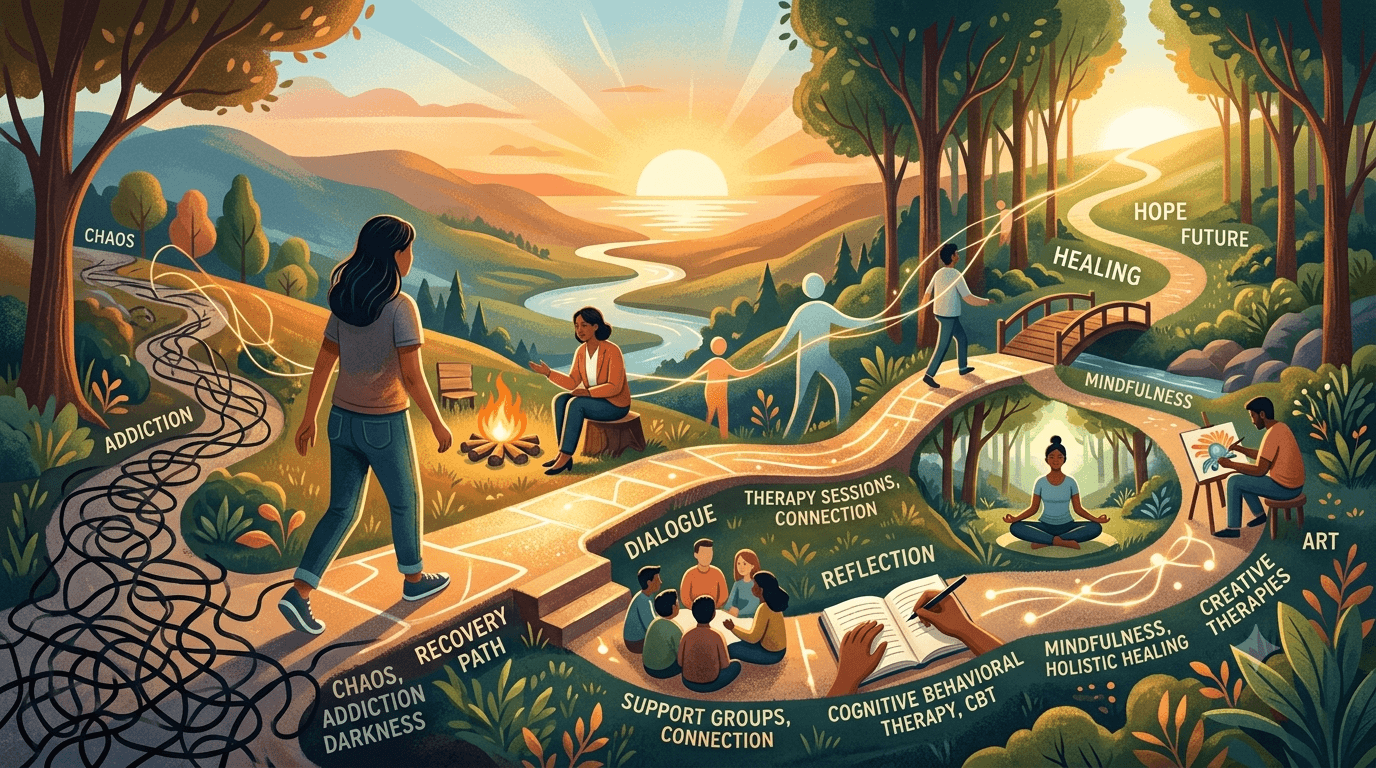
Many people facing substance use disorders discover that recovery unfolds in phases rather than all at once. The stages of change addiction framework offers an honest tool for mapping this journey, moving from unawareness through various levels of readiness and action.
Each stage—precontemplation, contemplation, preparation, action, maintenance, and sometimes termination—demands tailored strategies and support. Understanding where someone is on this continuum allows families and providers to suggest more compassionate, effective interventions, recognizing that healing is a gradual process with predictable setbacks and important milestones.2
The Six Stages and Their Clinical Significance
The stages of change addiction model describes six unique phases, each reflecting a person's mindset and level of engagement with recovery.
Precontemplation signals a lack of awareness about any problem. In contemplation, people begin to see potential risks yet still feel unsure about making a shift. Preparation emphasizes small, practical steps toward change, while action initiates meaningful behavior shifts. Maintenance involves sustaining healthy habits and managing relapse risks for at least six months.3
Precontemplation: Denial and Protective Responses
Precontemplation marks the initial stage in the stages of change addiction model, where individuals genuinely believe their substance use is not a problem. Frequently, people in this phase explain away concerns—attributing difficulties to work stress or family pressures, rather than considering substance use.
Defensive reactions here are common; these responses serve as psychological protection and can make honest conversations feel risky. Clinical experience shows that compassionate, non-confrontational education and motivational strategies are most effective. Many experience progress only when subtle awareness-building replaces direct argument.2
Maintenance: Building Lasting Recovery Habits
The maintenance stage of the stages of change addiction model requires individuals to actively safeguard their recovery by embedding new behavioral routines and support networks into daily life. This period typically begins about six months after initial changes and is dedicated to preventing relapse and sustaining adaptive coping skills.4
"Recovery experts stress that building resilience against old triggers takes ongoing commitment—structured therapy sessions, peer support groups, and consistent self-care routines help solidify these new patterns."
Many find that involving supportive family and community relationships at this stage enhances accountability and nurtures the long-term behavioral changes essential for continued progress in recovery.
Understanding Relapse and the Termination Debate
Relapse is a widely recognized part of the stages of change addiction model, impacting up to 40–60% of individuals in recovery. Rather than a sign of defeat, relapse signals a chance to revisit your strategies, strengthen coping mechanisms, and recalibrate your plan.3
- Many people re-enter action or maintenance stages—often more than once—before building consistent recovery routines
- The termination stage, described as total confidence in avoiding substance use, is controversial since few reach this point sustainably
- Setting realistic expectations for recovery helps individuals and families weather setbacks
- Emphasis should be on growth, skill-building, and patience through the natural cycle of change
The Neuroscience Behind Behavioral Change
Understanding the science of behavioral change is essential for anyone impacted by the stages of change addiction. Recovery isn't just about willpower—it's rooted in how substance use alters brain pathways, impacting motivation, emotion, and decision-making processes.4
Brain plasticity means change is possible, but restoration happens over time, not overnight. Professionals consistently observe that effective addiction recovery depends on matching interventions—like motivational interviewing or specific behavioral therapies—to readiness levels.
Why Change Is a Process, Not an Event
Long-term recovery in the stages of change addiction model unfolds through repeated effort—rarely a single decision but a sequence of choices and lessons. Addiction disrupts core brain circuits related to motivation and self-control, so sustainable change relies on slow neural healing, not willpower alone.2
People often cycle through contemplation and action phases several times, gaining new skills with each attempt. This ongoing, skill-building process reinforces how lasting transformation is built from patient, persistent practice rather than sudden breakthroughs.
Environmental and Social Influences on Recovery
Many individuals in addiction recovery discover that their progress is shaped not just by motivation, but also by past trauma, social support, and daily environment—core influences referenced in the stages of change addiction model.3
Key Environmental Factors
- Trauma: Can make it difficult to trust care providers or believe that change is possible
- Social Support: Supportive family, friendships, and recovery networks help people move from contemplation into preparation
- Living Environment: Unstable housing or high-stress workplaces often keep people stuck or lead to relapse
- Community Resources: Access to transportation, childcare, and financial assistance affects recovery success
Recognizing the real impact of these outside factors allows teams to design recovery plans that combine both emotional support and practical tools, giving each person a realistic path forward.
Matching Interventions to Individual Readiness
Aligning support with a person's readiness is essential for progress through the stages of change addiction. Data from the field confirms that interventions matched to someone's stage—whether awareness-building in precontemplation, motivational interviewing in contemplation, or actionable planning in preparation—lead to higher engagement and better outcomes in addiction recovery.2
Applying the same treatment to every individual, regardless of readiness, often slows momentum or increases resistance. Recovery specialists recommend frequent assessment to ensure strategies reflect current motivation, skill level, and unique environmental pressures.
Self-Assessment: Identifying Your Current Stage
Accurately pinpointing your stage within the stages of change addiction model calls for direct, honest self-reflection along with structured assessment tools. Substance use patterns—and readiness for change—shift with life circumstances, emotional state, and built-up habits2
Many find themselves shifting between contemplation and preparation, which can make identifying a clear stage challenging. In real-world practice, tools such as validated self-assessments, coupled with questions about motivation and triggers, provide clarity and direction.
Essential Questions for Self-Reflection
True progress with the stages of change addiction model starts with asking focused questions about your habits and mindset. Key prompts include:
- "Do I recognize any harmful effects from my substance use?"
- "What circumstances might prompt me to consider a shift?"
- "What draws me to substance use, and what worries me about stopping?"
- "What support feels essential to move ahead?"
Recovery specialists suggest writing down your answers and checking in regularly, since readiness to change often evolves. These honest reflections reveal where you stand—and what needs attention—across the change process.2
Identifying Personal Strengths and Barriers
Every recovery journey through the stages of change addiction involves identifying what truly helps—and what hinders—progress.
Strengths such as dependable relationships, creative coping skills, or spiritual practices can ease the move from contemplation to preparation. Practitioners stress that when these factors are clearly outlined, tailored support becomes far more effective in guiding individuals through lasting transformation.3
Creating an Action Plan from Assessment Results
After completing a self-assessment in the stages of change addiction process, the real value comes from transforming insights into an actionable plan tailored to your readiness level. When results show overlapping characteristics—such as traits from both contemplation and preparation—select options that address your strongest indicators, while acknowledging doubts or hesitations.3
"For instance, motivational interviewing suits those still weighing change, while those leaning toward preparation might benefit from tasks like mapping support systems and setting small daily goals."
When assessments highlight major obstacles, professional support for trauma or mental health often makes the difference. The most sustainable growth comes from building practical next steps that fit your stage, resources, and current strengths in recovery.
Decision Frameworks and Recovery Strategy Selection
Building a recovery plan that works in the real world demands more than general advice—it requires practical decision frameworks that factor in readiness, available supports, and unique daily realities. Many clinicians encounter setbacks when interventions miss the mark because a person's stage in the stages of change addiction model is misread.2
A well-designed framework systematically blends input from assessments, individual preferences, lived experience, and constraints such as time or family obligations. This approach guides families and providers toward thoughtful, stage-appropriate choices—improving engagement, guiding resource planning, and paving the way for more sustainable outcomes.
Building a Practical Decision-Making Framework
Clinical realities show that the stages of change addiction framework is only effective when decisions are rooted in a person's actual readiness, not just best intentions. A practitioner-built decision tool evaluates motivation, support systems, daily environment, and real-world barriers to create a clear snapshot of an individual's recovery capacity.2
Veteran counselors track this using structured assessments, review of strengths and obstacles, and family participation. Effective frameworks add regular checkpoints for reassessment, as readiness often shifts with changing life circumstances and stressors.
Establishing Readiness Criteria and Assessment Weights
Experienced clinicians working within the stages of change addiction model develop their assessment criteria by focusing on proven indicators of genuine readiness—such as demonstrated follow-through on recovery tasks, capacity for self-reflection, and honest awareness of substance use consequences.
Drawing from extensive practice, they give greatest weight to reliable actions rather than stated intentions alone. For example:
- People who consistently attend support meetings show deeper readiness than those expressing motivation but remaining inactive
- Completion of small agreed-upon steps indicates authentic commitment
- Support networks, housing stability, and mental health status reliably predict sustained progress
- Assessment looks closely at tangible factors that influence recovery success
Calibrating these criteria ensures individuals aren't rushed or held back at critical moments, while emphasizing authentic movement between stages.2
Privacy Protection and Ethical Assessment Practices
Ethical recovery assessment within the stages of change addiction model demands absolute vigilance around privacy. When professionals collect details about substance use, mental health, or personal upbringing, information security must take priority—protected by strict confidentiality and HIPAA-compliant practices.2
"Honesty in reporting only flourishes in an environment where individuals believe their vulnerabilities remain safeguarded, never risking exposure or stigma."
Practitioners also face the responsibility to root out bias in how they interpret readiness, ensuring evaluations treat each person fairly regardless of background or circumstance. These protections are not optional; they are essential for maintaining trust and fostering candid, actionable self-assessment.
Standardized Tools for Objective Assessment
Reliable decisions in the stages of change addiction process rely on standardized assessment tools designed to reduce bias and capture each person's true stage of readiness. Evidence-based measures—such as the University of Rhode Island Change Assessment scale—offer structured, validated questions and scoring guides that consistently classify someone's stage.3
Clinicians see meaningful results when input from clients, families, and care teams is folded into a holistic profile. Today, many organizations also use digital assessment platforms that deliver instant feedback and adaptive recommendations, helping families and professionals align interventions to cultural and real-world needs while keeping the process objective and actionable.
Aligning Treatment Approaches with Change Stages
Expert practitioners regularly see greater progress in recovery when treatment methods are matched to a person's actual stage in the stages of change addiction model. What works for someone wrestling with denial in precontemplation—such as skillful awareness-building and nonjudgmental education—will fall flat for those actively planning change, who instead need practical, action-focused support.
Applying the right recovery approach at the right stage helps reduce resistance, improves therapeutic relationships, and increases follow-through. Consistently, tailored substance use interventions—such as stage-based counseling and specific readiness coaching—outperform generic one-size-fits-all solutions.2
Behavioral Therapies and Motivational Interviewing
Behavioral therapies and motivational interviewing are time-tested tools that should be matched precisely to where someone stands in the stages of change addiction model. Many find motivational interviewing especially valuable in contemplation and preparation phases—it meets people where they are, using open-ended questions and reflective listening to gently resolve ambivalence and nurture genuine confidence in recovery.3
As readiness increases, cognitive-behavioral therapy supplies practical ways to manage triggers, challenge core beliefs, and master relapse prevention. When practitioners tailor these evidence-based approaches to individual change stages, people experience deeper engagement, more realistic progress, and an environment where sustainable change feels possible and supported by expert care.
Medication-Assisted Treatment Timing and Considerations
Medication-assisted treatment (MAT) is best introduced in the action or maintenance stage of the stages of change addiction framework, when someone has demonstrated dedication to change but finds biological cravings or withdrawal obstructing progress.4
This approach works when individuals are coping with strong, persistent cravings—often linked to opioid or alcohol use—despite genuine behavioral efforts. Medications such as buprenorphine, methadone, or naltrexone target physical symptoms so energy can shift toward counseling, skills development, and relapse prevention.
Consider this method if cravings or withdrawal have repeatedly blocked your ability to build recovery routines.
Effective MAT always includes close medical oversight and connection to proven therapy or support groups, ensuring both physical stability and continued readiness for change.
Family, Community, and Peer Support Integration
Sustained progress in the stages of change addiction model often relies on a network of family involvement, strong community ties, and authentic peer support. These resources are not just supplemental—they frequently determine whether someone transitions from contemplation to active recovery.3
This combination of emotional and hands-on guidance enables individuals to weather setbacks, access practical help with daily stressors, and keep moving forward at each stage in their recovery process.
Digital Tools and Modern Recovery Interventions
Digital tools have dramatically shifted the landscape of addiction recovery, empowering individuals to access stage-specific support in real time. Care teams now routinely observe that mobile apps and online programs serve as lifelines—especially during preparation or maintenance stages—by providing around-the-clock access to self-help resources, relapse prevention strategies, and peer communities.2
In practice, these platforms bridge gaps between sessions and extend behavioral change support beyond the clinic, helping people apply skills right when challenges arise.
Technology-Enhanced Stage-Based Recovery
Many professionals witnessing technology in practice recognize digital tools as essential allies in the stages of change addiction process. Mobile apps and online platforms respond immediately during vulnerable moments, offering practical relapse prevention and self-management strategies exactly when a person needs them most.2
These solutions not only track patterns, cravings, and daily routines—they also flag shifts that may signal regressions or breakthroughs in motivation and recovery phase. Most recovery leaders now rely on features like:
- Customized notifications for high-risk situations
- Progress dashboards with visual feedback
- On-demand exercises (cognitive behavioral or mindfulness activities)
- Real-time peer support connections
- Craving and mood tracking tools
Data Security and HIPAA Compliance in Digital Recovery
Prioritizing privacy is essential for anyone using digital tools during the stages of change addiction. Recovery platforms are legally required to follow HIPAA standards—employing data encryption, secure logins, and strict controls to ensure sensitive information stays protected throughout all behavior change phases.2
Essential Privacy Features to Look For
- End-to-end encryption: Protects data during transmission
- Secure authentication: Multi-factor login requirements
- Transparent privacy policies: Clear data sharing guidelines
- User control: Ability to adjust sharing permissions
- Regular security audits: Ongoing protection assessments
Strong programs invest in regular staff training and quick response plans for potential breaches—reinforcing the sense of safety people need to fully engage in each step of their recovery journey.
Personalized Recovery Through Evidence-Based Platforms
Personalized digital recovery platforms have become key supports for individuals moving through the stages of change addiction. These systems use real-time user feedback, behavioral data, and engagement trends to deliver stage-appropriate interventions and motivation.3
Many platforms now offer integrated resources such as cognitive behavioral tools, mindfulness exercises, and social support options—each precisely matched to where someone stands in the change process. Users set tailored goals, track progress against individualized milestones, and receive automated check-ins that help keep momentum strong.
"This level of personalization not only meets clinical best practice but also respects client autonomy, making each person's journey more responsive and effective as their needs and readiness shift over time."
Implementation Pathways for Diverse Populations
Every person's progress through the stages of change addiction is influenced by unique realities—mental health conditions, job demands, family structure, and cultural background all shape recovery differently. Relying solely on a standardized model often misses these nuances and risks alienating those who would benefit most from an individualized approach.2
Skilled clinicians observe that true progress stems from tailoring recovery strategies: some require integrated mental health and substance use support, while others thrive with flexible schedules or family-based involvement. Building pathways that meet both readiness and daily realities allows individuals to engage with behavioral change at a pace and style that suits their needs.
Co-occurring Disorders: Integrated Treatment Approaches
Recovering from substance use is rarely straightforward when mental health conditions like depression, anxiety, or trauma are present. Nearly half of those navigating the stages of change addiction also manage a mental health diagnosis—a reality that shapes every step toward lasting change.3
These dual challenges can stall momentum in precontemplation or contemplation, with psychiatric symptoms blurring self-awareness and intensifying ambivalence about change. Practitioners know progress demands integrated support: effective pathways align mental health treatment and addiction care together, ensuring both receive equal, ongoing attention.
Coordinated Mental Health and Addiction Care
Integrated care means treating mental health and substance use together—never in isolation—throughout all recovery stages. In practice, this dual-focus support is essential for individuals working through the stages of change addiction, especially when symptoms like anxiety or depression are present.
Coordination between psychiatrists, addiction counselors, and therapists helps tailor interventions, monitor progress, and adjust coping strategies as readiness shifts. Teams communicate frequently to align on treatment, acknowledge setbacks, and adapt approaches if mental health symptoms slow progress.3
Integrated Care Team Communication Flow
For many, this thorough collaboration is what moves real healing forward, ensuring that both substance use and emotional well-being stay in focus at every step.
Trauma-Informed Care Within Stage-Based Treatment
Individuals navigating the stages of change addiction often need trauma-informed care interwoven with precise stage assessment to avoid overwhelming them during key turning points. Past trauma can influence whether someone lingers in contemplation or struggles to move beyond preparation, commonly causing self-protective responses that appear as resistance—but actually serve survival.3
Effective practitioners recognize that trauma symptoms can make standard behavior-change interventions feel unsafe, so they adjust pace and techniques, prioritizing emotional safety and trust above all.
It's essential to let readiness guide the introduction of new practices; rushing these phases can trigger re-traumatization and jeopardize progress.
Skilled recovery teams see the best outcomes by matching motivational strategies to each person's trauma history, using gentle, validating approaches that honor both the timeline of healing and the realities of behavior change.
Building Trust and Addressing Treatment Skepticism
Skepticism about the stages of change addiction often stems from prior disappointments with care, cultural misunderstandings, or the real vulnerability involved in asking for help. For many with co-occurring conditions, past system failures have created valid distrust, making it difficult to believe new support will be different.2
Seasoned practitioners approach this not as resistance, but as self-protection rooted in lived experience. Trust builds slowly through:
- Showing up consistently and reliably
- Listening without judgment or immediate solutions
- Honoring each individual's self-understanding
- Acknowledging barriers and systemic failures
- Respecting autonomy in decision-making
- Seeking genuine collaboration at each stage
Flexible Solutions for Working Professionals and Families
Balancing substance use recovery with work and family life is a challenge faced by many professionals and caregivers. The stages of change addiction framework demonstrates that meaningful progress demands flexibility—not rigid, one-size-fits-all schedules.
In practice, experienced clinicians help clients choose outpatient, intensive outpatient, or family-based programs that fit job demands and household routines. This strategy works when missed work or disrupted childcare would otherwise block engagement.2
Outpatient, IOP, and PHP Options for Busy Lives
For those navigating the stages of change addiction while managing careers or family, outpatient, intensive outpatient (IOP), and partial hospitalization (PHP) programs provide structure without disrupting essential responsibilities.
These tiered options honor that transformation is gradual, helping individuals build recovery skills step by step in real-world settings.2
Family Engagement in the Recovery Process
Family involvement remains one of the most effective tools for strengthening outcomes throughout the stages of change addiction. Skilled clinicians routinely witness that loved ones—when engaged with accurate information—become steady anchors for individuals moving through contemplation, preparation, and action.
"Recovery is rarely isolated to a single person; families often work through their own stages, learning how to offer encouragement while respecting each member's pace."
Practitioners find the best results when families receive guidance on how change truly unfolds—progress is seldom linear, and setbacks are common. By setting healthy expectations, learning about relapse prevention, and offering patient, non-judgmental support, relatives empower sustainable behavioral change for all involved.3
Workplace Privacy and Stigma Reduction
Professionals navigating the stages of change addiction repeatedly encounter concerns about privacy—especially among working adults who worry that entering treatment might affect employment or reputation.2
In clinical practice, robust safeguards such as HIPAA-compliant communication and tightly controlled access to records are essential. Clear boundaries guide when, if ever, any information might be shared beyond the treatment setting.
Workplace Protection Strategies
- Know your rights: Americans with Disabilities Act protections
- Employee Assistance Programs: Confidential counseling resources
- FMLA considerations: Job-protected medical leave options
- Disclosure decisions: When and how to share information
- Stigma education: Helping colleagues understand recovery as medical treatment
Holistic and Experiential Recovery Pathways
Holistic and experiential pathways honor the medical and emotional realities people face during each phase of the stages of change addiction model. Practitioners frequently observe that creative interventions—such as art, movement, or time in natural environments—help individuals who might feel stalled by talk therapy alone.3
These approaches offer nonverbal routes for processing emotion, building resilience, and anchoring healthy habits. Many who struggle with verbal processing or trauma histories report greater comfort and engagement with hands-on therapies.
Art, Equine, and Horticultural Therapy Integration
Integrating art, equine, and horticultural therapies within the stages of change addiction model gives individuals flexible, connection-based ways to move forward—especially during preparation and action phases.
- Creative modalities: Painting, music, or sculpture enable people to explore complex feelings where words fall short
- Equine-assisted therapy: Fosters trust and emotional regulation through safe, guided interactions with horses
- Horticultural therapy: Grounds recovery in tangible growth, as nurturing plants mirrors the process of personal change
These experiential therapies are especially meaningful for those with trauma histories or who struggle to engage in traditional counseling, supporting lasting progress and emotional healing in real-world recovery settings.3
Sober Living and Structured Aftercare
Ongoing support is essential for long-term progress in the stages of change addiction model. Sober living homes fill the critical gap between intensive treatment and full independence by offering structured routines and peer accountability.
These environments work best when a person shows readiness for daily recovery, but still benefits from day-to-day guidance and relapse prevention strategies. Aftercare programs, including consistent therapy sessions and gradual reduction of oversight, promote confidence as individuals strengthen coping skills and community ties.2
Many find that these supports not only stabilize early recovery but also reinforce personal growth, greatly reducing the risk of returning to old patterns.
Community-Centered Campus Environments
Community-centered campus environments offer a foundation for sustained change in the stages of change addiction model. Residential settings intentionally design daily life around support, safety, and meaningful connection—qualities many individuals lack during periods of transition.
Structured group activities, accessible wellness spaces, and routine peer interaction foster trust and resilience, helping people practice healthy habits outside of clinical sessions. Peer communities become an anchor, particularly in action and maintenance stages, building real-world coping skills and stability during everyday stress.3
"Recovery professionals have seen that a welcoming, thoughtfully designed environment is key to reducing isolation and promoting emotional healing at every stage."
Frequently Asked Questions
Questions about stages of change addiction arise frequently from individuals and families navigating behavioral change. Real recovery planning includes working through uncertainty—such as understanding your current stage, interpreting relapse, privacy concerns, or deciding on the right treatment approach. This section directly addresses the lived realities people report: how to identify readiness cues, what relapse means for ongoing progress, and how blended approaches like digital tools or integrated care can help. By focusing on the actual obstacles and decision points faced in practice, these answers support informed, hopeful choices along each phase of the recovery process.2
How do I decide which stage of change I'm in if I identify with more than one?
It's common for people working through the stages of change addiction to feel they fit more than one phase at a time—especially between contemplation and preparation. If you notice both a growing understanding of risks and hesitation about what comes next, you're not alone. Clinicians advise focusing on the behaviors and thoughts that feel most present: acknowledge both confidence and uncertainty. This strategy suits those navigating mixed signals by selecting supports—like motivational interviewing or self-help groups—that meet you where you are, honoring the reality that change rarely moves in a straight line.2
Is the 'termination' stage realistic, or will I always have to be vigilant about relapse?
Most behavioral health experts agree the 'termination' stage—complete certainty that relapse will never occur—is rarely realistic for substance use recovery. The stages of change addiction model suggests ongoing self-awareness and maintenance are more reliable foundations for long-term wellness. Research highlights that staying alert to triggers and engaging support networks remains essential over time, instead of assuming total freedom from risk. Many people report that lasting sobriety is built through continuous skill-building and supportive relationships, not by reaching a point where vigilance is no longer needed.3
How do trauma and past experiences affect my readiness to change?
Trauma and difficult life experiences powerfully shape a person's progress in the stages of change addiction. When past trauma is present, individuals may linger in contemplation or preparation—showing deep awareness but real hesitation about advancing. Protective strategies like withdrawal or emotional numbing, which may seem like resistance, often help someone survive overwhelming stress. Recovery professionals regularly encounter people whose readiness for change shifts depending on how safe or supported they feel. Recognizing how trauma intersects with substance use motivates care teams and families to create plans that respect emotional safety, adapt at each behavioral stage, and never rush transformation.3
How do I budget for aftercare and ongoing support following primary treatment?
Effective budgeting for aftercare within the stages of change addiction framework means anticipating consistent investment in recovery supports well beyond initial treatment. Experts in the field recommend outlining clear priorities—ongoing outpatient therapy, mutual aid group involvement, and regular professional check-ins—as these resources carry significant weight in the maintenance stage. Many encounter an evolving need for support, so flexibility in planning is essential. Insurance often covers some aftercare services, but coverage levels vary; it's vital to confirm benefits early. Creating a written plan with adjustable monthly resource allocations helps sustain recovery progress and prevents minor setbacks from becoming larger obstacles.2
Can family members be involved in my recovery if I'm not ready to disclose everything?
Family involvement during stages of change addiction can be thoughtfully adapted, even if total transparency feels premature. Many individuals choose to maintain privacy around specific substance use details, while still inviting loved ones into supportive roles. The most effective approach is setting clear boundaries—identifying which topics are open for discussion and which remain personal. Families can contribute through shared wellness routines, stress-reduction activities, or by joining educational sessions about behavioral change, without requiring disclosure of private experiences. Recovery teams often facilitate family meetings focused on communication or household patterns rather than personal substance use. This method helps nurture trust and stability as readiness for deeper disclosure develops over time.2
What are common signs someone is ready to move from preparation to action?
Clear movement from preparation toward action in the stages of change addiction often shows up through consistent, real-world steps. Individuals start making or attending therapy appointments, clearing substances from their homes, or finalizing treatment research. Notice also how language changes—from uncertainty ("I should") to active intent ("I am starting"). Building partnerships with peers, support groups, or family members becomes a priority for encouragement and accountability. Most importantly, people develop detailed plans for handling triggers and high-risk moments, combining practical relapse prevention with personal strategies. These markers signal authentic readiness for the action phase in substance use recovery.2
What should I do if my loved one denies having a problem but I see warning signs?
Supporting a loved one in the precontemplation stage of the stages of change addiction model often means respecting their current perspective while calmly inviting new awareness. People at this early stage genuinely believe their substance use is manageable, so well-intended concern can be misread as criticism or control. This approach works when families focus on nurturing trust instead of confrontation: share specific observations like "You seem tired lately" rather than making accusations. Write down worrisome incidents factually, and choose calm, sober moments for conversation. Small, nonjudgmental invitations planted patiently can create opportunities for future readiness and open dialogue.2
How do I choose between outpatient, inpatient, and holistic programs using the stages of change?
Matching treatment programs to your place in the stages of change addiction process makes a powerful difference. When someone is in contemplation, outpatient care—often weekly, with flexible timing—provides gentle guidance and space for reflection without major life disruption. If motivation deepens into preparation, intensive outpatient options bring more structure and skill-building while maintaining daily routines. Those entering the action phase, especially amid strong cravings or environmental triggers, often need inpatient recovery—offering daily therapeutic oversight and a focused environment. Holistic programs—featuring art, equine, or nature-based therapies—support movement through all phases, especially for those drawn to hands-on healing. Consider what fits your practical realities and readiness. Reviewing stage-specific needs alongside personal responsibilities, emotional safety, and geographic access remains the foundation for choosing a suitable path.2
What budget should I plan for if I'm starting recovery? Are there affordable options between $500 and $10,000?
Planning your recovery budget takes honest assessment of what stage you're in and the supports that fit your real-life needs. Outpatient therapy, sliding-scale community services, and group counseling offer accessible entry points for the contemplation or preparation phases. As progress continues, intensive outpatient or structured treatment options require greater resource planning, which many offset through insurance or community aid. Comparing multiple providers and financial assistance programs helps ensure that the resources you set aside truly reflect your personal recovery stage and practical responsibilities. No two recovery paths cost the same—align your budget to your readiness, needs, and support network.2
If I relapse, does that mean I have to start the stages of change all over?
Relapse during the stages of change addiction does not erase your progress or require starting from the beginning. Most individuals cycle through contemplation, preparation, action, and maintenance several times, carrying forward lessons and stronger coping strategies each round. Research highlights that 40–60% of people experience relapse on their journey—a normal part of behavioral change. Practitioners recommend viewing relapse as feedback for adjusting your recovery plan rather than seeing it as failure; recovery is built on integrating these experiences into renewed, sustainable transformation.3
How long does it typically take to move from one stage of change to the next?
Timelines for progressing through the stages of change addiction vary widely based on each person's situation, support systems, and the presence of mental health or trauma factors. Precontemplation often lingers for months—or even years—while someone's awareness slowly builds. Contemplation typically ranges from 6 to 18 months as risks and benefits are carefully weighed. For most, the preparation phase takes 2 to 6 months for concrete planning, followed by action stages that demand several months of consistent lifestyle changes. Maintenance, which starts after about six months of stability, is ongoing. Flexibility with your expectations is crucial, as external stress, family influence, or co-occurring disorders frequently shape how quickly these transitions occur.2
Can digital apps and online tools really help with recovery, or are they a supplement?
Digital recovery tools and mobile apps offer effective support throughout the stages of change addiction, but they work best as supplements, not as stand-alone solutions. Many recovery professionals have seen these platforms enhance engagement and provide critical help between therapy sessions, especially in the preparation and action stages. The strongest apps include evidence-based strategies like progress tracking, craving logs, and peer networking features tailored to an individual's current phase of change. These resources are valuable for immediate coping and accountability, but tapping into the guidance of skilled clinicians and strong personal relationships remains essential for sustained behavior change, trauma recovery, and managing co-occurring mental health conditions.2
Conclusion: Embracing Change and Sustainable Recovery
Sustainable recovery through the stages of change addiction relies on recognizing growth as a continuous journey shaped by self-compassion, adaptability, and the right support. For many, genuine progress means moving gradually through contemplation, preparation, action, and maintenance phases, each demanding unique skills and patience.2
Setbacks and revisiting earlier stages are widely experienced—a normal reflection of real-life healing, not a sign of failure. Drawing from the lessons of behavioral change, successful long-term recovery is built on honest self-understanding, practical skills, and the encouragement of trusted relationships.
"Embracing flexible, evidence-based supports and honoring your current stage empowers real momentum and a hopeful path forward for individuals and families alike."
Ready to Take the Next Step?
If you're looking for individualized, whole-person recovery support that actively works with the life you're trying to build—not against it—connect with our admissions team today. From flexible outpatient care to that accommodates your schedule and ongoing responsibilities to the structured time and space needed to heal in residential treatment, we have the options you need to succeed.
We'll work directly with your insurance provider so you can focus on what really matters: creating a life you love. Call us today for a healthier, happier, substance-free tomorrow.
References
- Chapter 5—Specialized Substance Abuse Treatment Programs - NCBI. https://www.ncbi.nlm.nih.gov/books/NBK64815/
- SAMHSA Stages of Change.
- APA Stages of Change. https://www.apa.org/topics/addiction/stages-change
- NIDA Principles of Effective Treatment. https://www.nida.nih.gov/publications/principles-effective-treatment
- CDC Stages of Change. https://www.cdc.gov/mentalhealth/learn/stages-change.html
- Healthy People 2030 Stages of Change. https://www.health.gov/healthypeople/objectives-and-data/browse-objectives/substance-abuse-prevention/stages-change
- American Psychiatric Association Stages of Change.
- MentalHealth.gov Stages of Change. https://www.mentalhealth.gov/treatment/stages-change
- NIMH Stages of Change.
- Harvard Health Blog: Stages of change model for addiction recovery.