.webp)


Key Takeaways
- Opioids, alcohol, and nicotine consistently rank as the hardest addictions to quit due to their profound impact on brain chemistry, severe withdrawal symptoms, and deeply ingrained psychological dependence patterns.
- Successful recovery requires personalized, evidence-based treatment that addresses both physical dependence and psychological triggers through medication-assisted treatment, behavioral therapy, and ongoing support systems.
- Integrated dual diagnosis care is essential when mental health conditions like depression, anxiety, or PTSD co-occur with substance use disorder, as treating both simultaneously improves outcomes significantly.
- Recovery timelines vary by substance and individual circumstances, with opioid recovery typically requiring 12-18 months of consistent treatment, while alcohol and nicotine dependencies demand structured support over months to years.
- Long-term success depends on comprehensive aftercare including sober living environments, peer support networks, family involvement, and ongoing professional monitoring to prevent relapse and maintain stability.
Understanding What Makes Addiction Hard to Quit
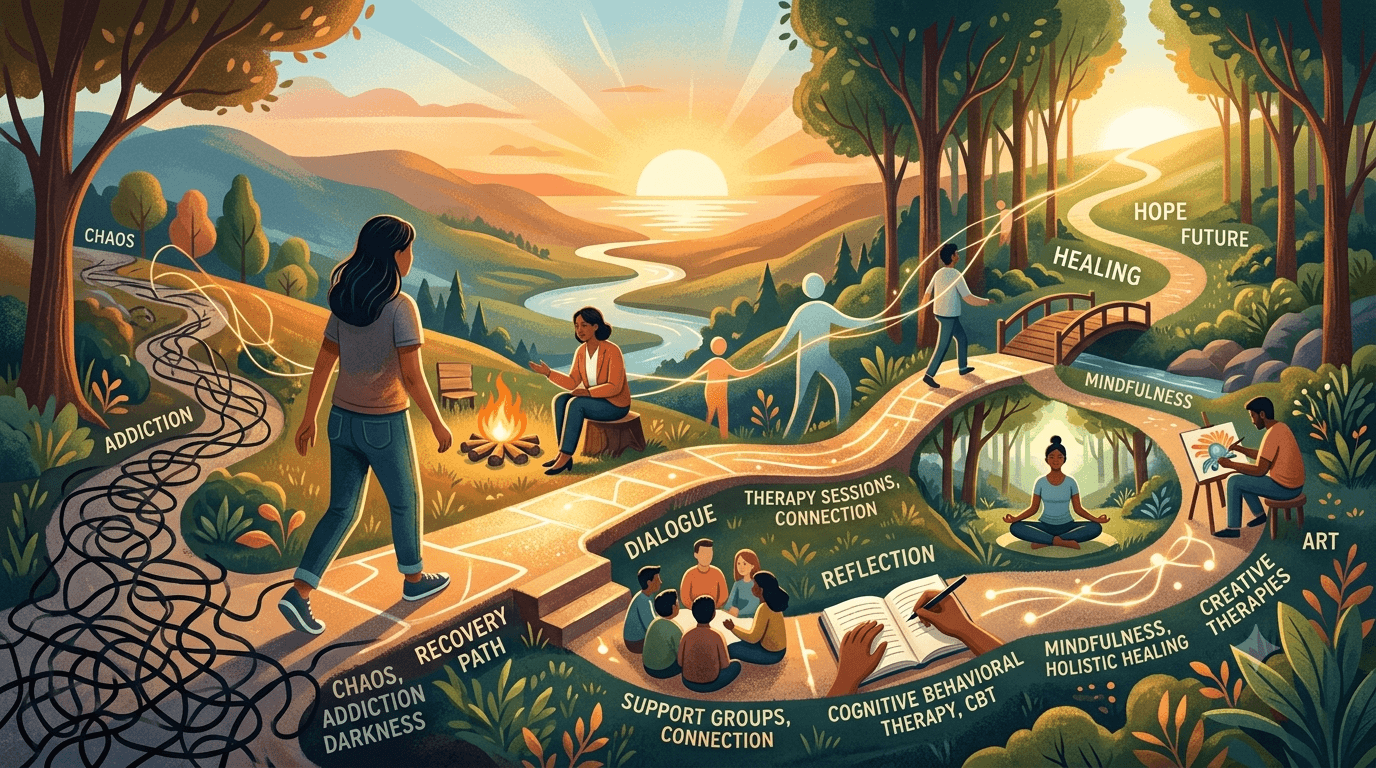
Recovery from substance dependency is rarely a straightforward path. Many people find that understanding what is the hardest addiction to quit requires looking past just the substance itself and considering how deep-rooted biology, emotional struggles, and life circumstances make change hard to sustain.
Scientific research highlights that opioids, alcohol, and nicotine stand out because they dramatically alter brain function and create especially severe withdrawal symptoms. These challenges extend to powerful cravings, social environments, and untreated mental health needs. The process toward lasting recovery often relies on choosing targeted treatments that genuinely fit each person's reality.8
What Defines the 'Hardest' Addictions Today?
Professionals define what is the hardest addiction to quit by measuring how substances reshape both brain chemistry and daily behavior patterns. Addictions involving substances like opioids or alcohol are often the most difficult because they cause intense withdrawal and deeply engrained psychological cravings.8
Recovery from these substances becomes particularly complicated when the drug influences vital reward pathways or emotional regulation. Even when physical dependence subsides, longstanding habits and social triggers continue to pose significant barriers, explaining why treatment success demands thorough, individualized strategies.
Physical Versus Psychological Dependence Factors
Physical dependence involves real, measurable changes in the body and brain, with withdrawal symptoms that range from tension or fatigue to dangerous seizures with alcohol, or acute pain and illness during opioid withdrawal.12
Psychological dependence refers to the deep emotional need for a substance—a reliance that often lingers long after physical withdrawal ends. When both types of dependence are present, as seen in what is the hardest addiction to quit, the person faces both powerful cravings and physical suffering. Treatment teams rely on recognizing which form is most dominant to create care plans that address both medical and mental barriers at once.
Role of Brain Chemistry and Reward Pathways
Brain chemistry drives the cycle of addiction, especially in the context of what is the hardest addiction to quit. When opioids, alcohol, or nicotine repeatedly activate the brain's reward pathways, dopamine and related neurotransmitters reinforce substance use above everyday needs like food or relationships.8
This rewiring of reward circuits causes cravings to persist well after detox, making long-term recovery from drug dependence and substance use disorder a significant challenge. These changes explain why evidence-based addiction treatment must address both neurobiological and psychological aspects.
Impact of Social, Mental Health, and Environmental Triggers
Recovery from what is the hardest addiction to quit often hinges on factors beyond brain chemistry alone. Social isolation, untreated mental health conditions such as depression or PTSD, and high-stress environments can deepen substance use patterns and drive relapse.12
Real-world experience shows that daily routines, certain places, or relationships often become powerful triggers for cravings—even after long periods of sobriety. Supportive family and peer networks reliably improve outcomes; without them, progress can stall.
Many find that addressing these environmental and mental health challenges is just as vital as managing withdrawal or cravings. These realities make personalized, multi-pronged intervention critical for sustained change
Addictions Most Challenging to Overcome
Among various substance use disorders, opioids, nicotine, and alcohol regularly emerge as the hardest addictions to quit. Opioids top this list due to their overwhelming disruption of the brain's reward system and the real danger of medical crises during withdrawal.8
Alcohol and nicotine dependencies also present steep obstacles; alcohol withdrawal can lead to life-threatening complications, while nicotine's habitual use becomes woven into daily routines, reinforcing addiction. Many individuals discover that overcoming these substances requires intensive, multi-layered strategies and ongoing medical, psychological, and social support for the best possible chance at long-term recovery.12
Why Opioid Addiction Tops the Difficulty Scale
Opioid addiction stands out as the hardest addiction to quit because these drugs hijack the brain's reward system at a fundamental level, driving both acute physical dependence and relentless cravings.8
Individuals commonly experience muscle pain, nausea, vomiting, and powerful urges to use that persist for weeks or longer—far beyond what most people can manage on willpower alone. Psychological reliance builds as opioids become deeply entangled in daily stress management and emotional coping.
Lasting recovery from opioid dependence typically demands ongoing medical care and evidence-based strategies, since attempting detox or withdrawal without proper support often leads to rapid relapse and serious risks.
Complexities of Nicotine and Alcohol Dependence
Nicotine and alcohol remain among the hardest substance dependencies to quit, in large part because their effects become tightly woven into a person's daily life and coping patterns.
Nicotine creates powerful, repetitive conditioning—lighting up before important meetings, after meals, and during stressful moments—training the brain's reward system dozens of times a day. Alcohol, on the other hand, can trigger dangerous withdrawal symptoms requiring medical oversight and is frequently linked to underlying mood disorders such as depression and anxiety.12
These dependencies can devastate social circles, undermine emotional health, and make lasting change especially difficult without a tailored, structured support plan informed by clinical evidence.
Comparing Stimulants, Sedatives, and Behavioral Addictions
Recovery from stimulants, sedatives, and behavioral addictions each presents unique hurdles. Stimulants such as cocaine or methamphetamine can drive unrelenting psychological cravings, while the absence of severe physical withdrawal can mislead individuals into believing they're less vulnerable to relapse.8
Sedatives, particularly benzodiazepines, pose life-threatening seizure risks during withdrawal and foster deep psychological dependence on their calming effects. Behavioral addictions—including compulsive gambling or constant smartphone use—reshape the brain's reward systems in ways closely resembling substance use, yet lack the acute withdrawal symptoms that typically push people to seek treatment.12
Many professionals see lasting recovery as especially challenging when psychological drivers remain unaddressed.
Ethical and Regulatory Considerations in Treatment
Navigating the realities of what is the hardest addiction to quit means understanding how ethical obligations and regulatory rules shape every treatment decision. Healthcare professionals must balance offering immediate, medically necessary care for substance use disorder with safeguards designed to protect people from harm and maintain trust.3
Regulatory standards—such as licensure and HIPAA confidentiality—ensure quality and privacy, yet sometimes restrict timely access to evidence-based treatment, especially for opioid, alcohol, and nicotine dependencies. Many families and individuals encounter these challenges, finding that transparency about rights, protections, and regulatory timelines empowers them to advocate for effective support.
Every step, from intake to ongoing care, is governed by these considerations to promote both safety and optimal outcomes.
Upholding Privacy: HIPAA and Confidential Care Standards
Safeguarding privacy is non-negotiable in addiction treatment, especially for those facing what is the hardest addiction to quit. HIPAA sets strict boundaries: no information about a person's substance use care can be released to employers, family, or legal authorities without a signed release.3
For many, concerns about confidentiality represent a major barrier to entering recovery, particularly in small communities or workplaces. Treatment facilities must provide ongoing staff training on privacy protocols, regularly update security procedures, and offer clients clear explanations of their rights—ensuring every detail of care remains protected.
When individuals know their personal information is secure, it's easier to seek help and stay engaged in evidence-based recovery programs for substance use disorder.
Ensuring Clinical Accuracy and Evidence-Based Practices
Delivering safe, effective care for what is the hardest addiction to quit hinges on unwavering commitment to evidence-based standards. Leading treatment providers insist that every intervention be grounded in peer-reviewed findings and established protocols—especially for substances like opioids, alcohol, and nicotine, where treatment risks and stakes are highest.8
Programs integrate only proven medications and therapies, steering clear of guesswork or untested strategies that could jeopardize recovery. All reputable centers undergo regular accreditation, with independent bodies verifying strict adherence to clinical guidelines and safety protocols.
These safeguards aren't optional: For individuals and families, they mean your path to overcoming substance use disorder remains rooted in approaches genuinely shown to deliver results, not simply the latest trend.
Accessibility Versus Safeguards in Medication Prescribing
When it comes to what is the hardest addiction to quit, one persistent challenge is how treatment systems handle medication prescribing. Medication-assisted treatment for severe substance use disorders—especially opioids—requires providers to secure specialized DEA waivers and fulfill additional state protocols, sharply limiting the pool of clinicians able to help in many communities.7
These regulatory guardrails exist to prevent medication misuse, but they result in real access gaps for people in rural areas and anyone ready for help in a crisis. Health professionals regularly face the struggle of balancing urgent care for dangerous withdrawal with these built-in delays, which can jeopardize timely, life-saving interventions.3
This tension is especially apparent with opioid and alcohol dependencies—where fast access to evidence-based treatment is critical to lasting recovery.
Personal Assessment and Decision-Making Frameworks
Every effective recovery journey begins with a clear, structured approach to evaluating what is the hardest addiction to quit in your life. In practice, many individuals find themselves overwhelmed by the array of treatment choices available—especially when dealing with addictions like opioids, nicotine, or alcohol, which often resist standard efforts.7
Experienced clinicians rely on carefully designed assessment frameworks to pinpoint withdrawal difficulty, psychological drivers, and practical barriers. Successful planning goes beyond clinical opinion; it respects your personal goals, budget, and real-world constraints, all while recognizing that complicated substance use disorders demand individualized, evidence-based support.3
Tools that clarify your dependency patterns and match them with best-fit treatment options provide a pathway—step by step—toward a workable, lasting recovery plan.
Self-Assessment: Identifying Your Unique Challenges
Accurate recovery planning starts with a clear, honest self-examination of how substance use impacts your body, mind, and daily life. Many people confronting what is the hardest addiction to quit benefit from structured self-assessment tools that help uncover patterns—such as physical withdrawal symptoms, psychological triggers, or environmental risks—that might have gone unnoticed.8,12
This approach helps you spot issues like co-occurring mental health concerns or stressful social settings that frequently raise relapse risk. For those seeking lasting change, individual self-appraisal empowers more precise, evidence-based support tailored to your real-world challenges.
Diagnostic Questions for Recognizing Addiction Severity
Thoroughly assessing what is the hardest addiction to quit starts with honest, practical questions that uncover the depth and impact of substance use. Experts recommend exploring frequency of use, specific withdrawal symptoms (such as sleep disruption or agitation), and how cravings affect work, relationships, and self-care.8
Ask: Has tolerance increased? Are there repeated failed attempts to stop or cut down? Is a large portion of time spent obtaining, using, or recovering from the substance?12
These questions help distinguish mild from severe substance use disorder—severe patterns typically demand specialized, professionally supervised care and structured intervention.
When Mental Health Influences Recovery Difficulty
When considering what is the hardest addiction to quit, mental health challenges such as depression, anxiety, PTSD, or bipolar disorder often create extra barriers to recovery. Individuals may use substances to cope with emotional pain, which can intensify withdrawal and increase the likelihood of relapse if these mental health conditions go untreated.12
In clinical practice, dual diagnosis care—which addresses mental health and substance use together—offers the best outcomes. Addressing both conditions at the same time is crucial because each can worsen the other, making personalized, integrated treatment essential for persistent recovery.
Evaluating Social Support and Environmental Risks
A person's recovery journey from what is the hardest addiction to quit can hinge on their environment and social network. When friends or family continue using substances, daily exposure to relapse triggers often undermines progress.12
Living in places where substance use was common can spark intense cravings, even after months of sobriety. Common risk factors include:
- Employment pressures and workplace stress
- Financial strain and economic instability
- Lack of safe social outlets and healthy activitie
- Ongoing exposure to substance-using environments
Recovery strategies work best when individuals honestly assess their relationships, home environment, and everyday stressors—since these hidden challenges frequently determine success or setbacks with severe substance use disorders.
A Practical Framework for Treatment Decisions
Developing an effective recovery plan for what is the hardest addiction to quit means weighing a variety of real-world factors—beyond substance type alone. Seasoned clinicians often use a structured framework combining clinical assessment data, personal motivations, and everyday constraints.
This approach proves vital for those managing opioid, alcohol, or nicotine dependence, where mismatched treatment intensity can stall progress or trigger relapse. By methodically evaluating withdrawal severity, mental health concerns, available support systems, and logistical barriers, individuals gain the clarity needed to select interventions that align closely with their unique circumstances.3,7
Empowerment comes through making deliberate, informed choices—setting a realistic pathway forward when facing the toughest substance dependencies.
Weighted Criteria: Matching Care Level to Personal Needs
For those confronting what is the hardest addiction to quit, weighing the right level of care starts by scoring key risk factors. Seasoned clinicians typically assign the greatest weight to withdrawal severity (40%), then co-occurring mental health concerns (25%), support systems (20%), and readiness for change (15%).7
This approach is ideal for anyone needing to match care intensity to genuine risk—ensuring that intensive inpatient or outpatient addiction treatment fits their reality. Real-world success demands honest self-evaluation and programs that consider medical complexity, daily stress, and recovery motivation.3
Medication-Assisted Versus Abstinence Approaches
Deciding between medication-assisted treatment (MAT) and abstinence-based models can feel daunting, especially for those facing what is the hardest addiction to quit. MAT integrates FDA-approved options like methadone, buprenorphine, or naltrexone with counseling to manage both withdrawal and longstanding cravings—proven essential for opioid, alcohol, and nicotine dependencies.2,3
This combination addresses underlying brain changes that lock many into repeated relapse cycles. Research confirms that blending medication with therapy increases treatment retention and stabilizes brain chemistry.
Abstinence-centered programs, relying on behavioral therapy and peer support without medications, often suit individuals whose dependencies are primarily psychological or for whom medication access is limited. Professionals tend to suggest MAT when previous attempts at abstinence have not lasted or withdrawal risks are high.10
Deciding on Treatment Modalities and Therapy Mix
Creating a successful recovery plan for what is the hardest addiction to quit means thoughtfully blending several evidence-based therapy approaches. Individual counseling, group interventions, and family-engaged sessions each offer unique value for opioid, alcohol, or nicotine dependencies.8
Clinicians consistently turn to cognitive-behavioral therapy to teach vital coping skills and help clients challenge harmful thinking, while peer support groups strengthen accountability and motivation through real connection.
This approach works best for individuals who benefit from steady, structured programming that addresses both withdrawal management and building relapse prevention skills. Intensity will range—from weekly outpatient check-ins to daily comprehensive therapy—depending on the severity of dependence and the depth of each person's support system.10
Resource Planning: Budgets, Timelines and Expertise
Careful recovery planning for what is the hardest addiction to quit means looking honestly at available resources, time, and professional guidance. Many underestimate both the effort and specialized care needed to address severe substance dependencies—leading to interrupted treatment or relapse if planning is incomplete.7
Those struggling with opioid, alcohol, or nicotine use consistently find better outcomes when they map out each stage of care, including detox, therapy, and maintenance. Recent updates to Medicare now expand coordinated care and peer support access for challenging substance dependencies.5
This approach works best for those who consider practical needs, timeframes, and the level of expertise required to support sustained recovery.3
Understanding Costs of Medical Detox and Rehab
Addressing what is the hardest addiction to quit means preparing for the reality that medical detox and rehabilitation require substantial investment—not only financially but also in time and energy. Expenses fluctuate greatly depending on care setting, intensity, and the presence of severe substance dependencies.3
For those with complex opioid, alcohol, or nicotine needs, insurance options—like expanded Medicare and private payers—now cover coordinated care services, peer support, and diverse programming. Most effective recovery plans also account for indirect expenses such as transportation or time away from work.
Mapping out resource requirements early helps individuals and families plan for every stage, minimizing unwanted surprises and supporting more stable recovery outcomes.5
Setting Realistic Recovery Timelines and Milestones
Lasting recovery from what is the hardest addiction to quit requires accepting that progress unfolds gradually. Most individuals experience initial stabilization and skill-building between 30 and 90 days, but deeper change—like rebuilding social ties or restoring mood stability—can take 6 to 24 months depending on substance and circumstances.11
Opioid recovery, for instance, often relies on medication-assisted treatment over 12–18 months, with relapse prevention work continuing for years. Many experts track milestones in small, measurable improvements—such as increased energy, improved relationships, or fewer cravings—rather than fixating on set sobriety dates.2
For stimulant or sedative dependencies, individuals may see ongoing vulnerability even after the physical withdrawal fades. Supporting people through these stages means celebrating progress realistically and adjusting expectations to reflect how brain chemistry gradually heals over time.8
Skills, Support Teams, and Navigating Insurance Barriers
Achieving sustainable recovery from what is the hardest addiction to quit often means building a multidisciplinary team with deep expertise in addiction medicine, behavioral health, and peer recovery—a necessity when managing complex cases like opioid or alcohol use disorder.7
Real progress depends on learning practical skills
- Stress management techniques and coping strategies
- Identifying personal triggers and warning signs
- Communicating needs clearly with healthcare providers
- Building healthy daily routines and habits
However, many encounter insurance barriers such as limits on covered treatment days or strict prior authorization for medication-assisted treatment, which can delay urgent care.3 Carefully reviewing your policy's substance use disorder provisions makes it easier to advocate for the evidence-based care you deserve, and planning ahead for coverage roadblocks can shape a more resilient, long-term recovery journey.
Pathways to Implementation for Diverse Individuals
Bridging self-assessment with real recovery starts with customizing care for the specific realities people face when addressing what is the hardest addiction to quit. Strong outcomes depend on connecting evidence-based treatments—such as medication-assisted care and integrated behavioral therapies—with each individual's social supports, mental health needs, and daily pressures like work or caregiving.7,8
Relapse risks don't look the same for everyone. Some require tailored approaches that account for depression or PTSD, while others need programs that fit demanding family schedules or offer practical solutions for transportation gaps.
Clinicians stress that these personalized paths—not generic protocols—give individuals the best chance at overcoming severe substance use disorder and sustaining change in the long run.
Customizing Care Pathways for Unique Needs
Every journey to recovery demands a pathway shaped by an individual's unique circumstances, especially when facing what is the hardest addiction to quit. Real-world success often hinges on tailoring interventions for urgent crises—like opioid or alcohol withdrawal—or for those balancing recovery with demanding jobs or family care.7
When severe substance use disorder co-occurs with mental health conditions, dual diagnosis care is essential: this integrates behavioral health and addiction medicine so both issues receive seamless, coordinated attention. Flexible, individualized strategies—rather than a standard plan—help people overcome complex dependencies, address hidden psychological struggles, and adapt treatment to their personal and environmental realities.12
Immediate Detox Solutions for Crisis Scenarios
In crisis situations—such as acute withdrawal from opioids, alcohol, or benzodiazepines—immediate medical detox is critical for safety and stabilization. Hospital-based units operate around the clock to manage symptoms that can escalate in hours, including seizures or heart complications for certain substances12
Same-day admissions bypass waitlists, empowering people to access lifesaving care when outpatient detox isn't safe or past withdrawal attempts have failed. This approach is essential when withdrawal presents a medical emergency or undermines the ability to participate in ongoing addiction treatment.
Crisis Detox Checklist
- Contact emergency services if experiencing severe withdrawal symptoms
- Gather insurance information and identification
- List current medications and recent substance use
- Identify emergency contacts and support persons
- Prepare for potential 3-7 day inpatient stay
Integrated Care for Dual Diagnosis and Co-occurring Disorders
When substance dependency intertwines with conditions like depression, anxiety, PTSD, or bipolar disorder, integrated care becomes essential for those confronting what is the hardest addiction to quit. Effective dual diagnosis treatment brings together psychiatric medications and addiction-specific therapy, so clients receive care for both mental health and substance use at the same time.12
Treatment teams—often including psychiatrists, addiction counselors, and case managers—work together to ensure progress in one area doesn't unintentionally set back the other. This strategy suits individuals whose previous treatment efforts stalled because unaddressed mental health symptoms drove relapse or substance use destabilized their psychiatric wellbeing.3
Many discover that addressing both challenges in unison is the turning point toward real, sustained recovery.
Flexible Programs for Professionals and Families
For many professionals and parents, structured addiction treatment must account for full schedules, job responsibilities, and ongoing family care. Programs tailored for what is the hardest addiction to quit increasingly provide evening intensive outpatient sessions—typically three to four nights per week, several hours per evening—so recovery efforts fit around work and household routines.10
Weekend intensives and telehealth services further expand options, enabling access to expert counseling and medication management without disrupting daily life. Family-centered models include childcare support and dedicated sessions to help loved ones understand substance use disorder and support healthy home environments.2
This approach works best for those balancing recovery with the pressures of career or parenting, and for anyone whose past attempts stalled due to life's real-world demands.
Therapeutic Modalities Proven to Aid Difficult Recoveries
Therapeutic approaches grounded in solid scientific evidence form the backbone for recovery from what is the hardest addiction to quit. Experience supporting complex recoveries shows that blending therapeutic methods—such as behavioral therapies, medication-assisted treatment, and hands-on experiential practices—yields far better results for severe substance use disorder than relying on any single approach.
Cognitive-behavioral strategies and medications like buprenorphine or naltrexone address both the physical and psychological drivers that keep opioids, nicotine, and alcohol dependencies entrenched. Adding experiential therapies helps rebuild lost life skills and restore motivation.8,11
This integrated, multi-modal approach fits people facing deeply rooted cravings, persistent withdrawal, or setbacks, offering a practical pathway through even the toughest addictions.
Behavioral Therapies and Experiential Approaches
Behavioral therapies serve as the practical backbone for recovery from what is the hardest addiction to quit, supporting individuals to identify substance triggers, build healthy routines, and foster emotional resilience. Cognitive-behavioral therapy (CBT) consistently helps people recognize patterns that drive opioid, nicotine, or alcohol use and equips them with real strategies to change their responses to stress.11
Complementing this, experiential treatments—such as art therapy and adventure-based recovery groups—empower individuals to rediscover joy, confidence, and purpose outside of substance dependence. Combining these approaches often accelerates real progress, especially for those with deeply rooted substance use disorders.
Evidence-Based Behavioral Interventions
- Cognitive-Behavioral Therapy (CBT): Identifies and changes harmful thought patterns
- Dialectical Behavior Therapy (DBT): Builds emotional regulation and distress tolerance
- Motivational Interviewing: Enhances motivation for change through collaborative conversation
- Contingency Management: Provides tangible rewards for positive behaviors
- Mindfulness-Based Relapse Prevention: Combines meditation with relapse prevention strategie
Medication-Assisted Options: Innovations and Evidence
Medication-assisted treatment (MAT) stands as the trusted cornerstone for managing what is the hardest addiction to quit, especially when opioid, alcohol, or nicotine dependence are present. Current breakthroughs include monthly injectable formulations—like long-acting naltrexone—which simplify care and prevent missed doses, reducing relapse risks even in hectic lives or rural settings1,2
FDA-approved medications such as methadone, buprenorphine, and naltrexone act directly on brain systems destabilized by severe substance use disorder, calming physiological withdrawal and quieting unrelenting cravings. These interventions deliver the best outcomes when integrated with counseling or group therapy; research confirms that combining MAT with behavioral support improves retention and is closely linked to extended recovery.3
Telehealth expansion now makes buprenorphine therapy more accessible for individuals held back by travel or transportation barriers, supporting consistent engagement with evidence-based care.2
Peer, Family, and Community-Based Supports
Enduring recovery from what is the hardest addiction to quit depends on changing social patterns and building strong accountability. Seasoned professionals recognize that peer support groups—such as 12-step programs or evidence-based recovery meetings—consistently reduce isolation and increase coping skills for substance use disorder.11
Family involvement remains crucial; therapy and education empower loved ones to offer encouragement without enabling unhealthy behaviors. Community-based programs provide daily structure, helping individuals practice sober living and access relapse prevention tools even after leaving formal treatment.12
This network-driven approach is especially valuable for those whose previous efforts faltered due to lacking consistent, supportive relationships.
Overcoming Barriers and Sustaining Long-Term Recovery
Sustaining recovery from what is the hardest addiction to quit means tackling ongoing barriers most people never anticipate until they leave formal treatment. Challenges like housing instability, ongoing stigma, limited insurance, and the lack of structured aftercare are widely experienced and can threaten progress, especially when returning to environments shaped by previous substance use.12
Professionals observe that individuals who secure ongoing community support, address emotional vulnerabilities, and implement relapse prevention strategies have far greater long-term success. The vulnerable window after primary care is where investing in both practical resources and supportive networks makes a tangible difference in lasting sobriety.11
Reducing Relapse Risk with Aftercare and Sober Living
Aftercare services and sober living homes are lifelines for those navigating what is the hardest addiction to quit. These supports bridge the critical gap between formal treatment and independent living, offering structure when relapse risks are highest.
Individuals who engage in ongoing aftercare—such as regular counseling, peer recovery groups, or medication support—maintain sobriety at far higher rates than those without this safety net. Sober living environments provide accountability and require residents to actively practice recovery routines, including attending support groups and taking on daily responsibilities.11
This practical, stepwise approach is essential for building stability and confidence after leaving intensive care.12
Navigating Stigma, Privacy, and Accessibility Challenges
Stigma and confidentiality worries stand as real obstacles for individuals seeking help with what is the hardest addiction to quit. Many face judgment from employers and community members who see substance dependency as a character flaw rather than a chronic health condition.12
This creates anxiety about privacy—particularly in close-knit or rural communities—where even a small breach can harm someone's reputation or job security. Geographic disparities compound these struggles, as limited provider networks often force people to travel far or endure long waits for evidence-based care.7
Insurance constraints can also restrict access to comprehensive drug or alcohol treatment, making it necessary to prioritize between competing personal needs and essential recovery support. Acknowledging these systemic barriers is critical; when organizations and individuals identify them upfront, it becomes possible to plan realistic, stepwise recovery strategies tailored to real-world limitations.
Relapse Prevention Through Tailored, Ongoing Support
Lasting recovery from what is the hardest addiction to quit almost always requires a relapse prevention plan that addresses your unique triggers, habits, and risk periods—long after structured treatment ends. Clinics that succeed with severe substance use disorders often weave together peer mentorship, family involvement, crisis protocols, and ongoing medication management for those at higher risk.11,12
It'scommon for relapse risk to spike with life transitions or stress: moves, job changes, or medical setbacks. Recovery professionals monitor these danger zones closely, adapting support with extra check-ins or therapy sessions whenever vulnerability appears to increase.
Collaborative relapse plans thrive when both individual needs and common patterns—like workplace issues or relationship tension—are honored with custom strategies and honest, ongoing support.
Your Next 30 Days: Action Plan for Recovery
Moving from treatment planning to real progress requires a focused, 30-day roadmap that transforms intentions into daily action—especially for those confronting what is the hardest addiction to quit. In the first month, time is of the essence: research shows that individuals who connect with evidence-based treatment teams and structured peer support in these early weeks are more likely to build sustainable routines and prevent relapse.7,11
This approach is ideal for individuals facing substance dependencies like opioids, alcohol, or nicotine, as the early phase amplifies both risk and opportunity for change. Anchoring your efforts in the first 30 days with practical milestones, strong accountability, and integrated mental health support gives the highest chance of lasting recovery.
Building a Step-By-Step Personal Recovery Roadmap
A practical recovery roadmap transforms assessment findings into concrete, day-by-day steps that reflect the realities of what is the hardest addiction to quit. Leading practitioners urge individuals to set immediate safety priorities—such as medical stabilization—alongside progressive skill building and new routines.
This method works particularly well for opioid, alcohol, or nicotine dependence when implemented in the first 30 days, as research indicates that early, structured plans produce lasting gains. Integrating evidence-based care with daily responsibilities and unique life demands empowers a person to remain engaged, even when severe cravings or setbacks challenge their progress.
Setting Goals and Identifying Early Milestones
Establishing realistic, short-term goals is a powerful step for anyone facing what is the hardest addiction to quit. During early recovery, practitioners stress the need to focus first on critical foundations:11
- Completing all scheduled medical assessments
- Maintaining daily routines for sleep and nutrition
- Securing consistent peer or community support
Weekly milestones such as attending every group session, participating in check-ins with your care team, and tracking mood changes make setbacks less overwhelming and progress more visible. For severe substance dependencies—including opioid, alcohol, or nicotine—documenting each small achievement can reliably boost motivation and highlight practical challenges as they arise.
Connecting with Professional Support and Resources
Partnering with professional support teams is essential in the first weeks of recovery—there is simply no substitute for expertise when facing what is the hardest addiction to quit. Individuals benefit most when they promptly connect with licensed addiction clinicians, medical providers, and recovery specialists trained to address opioid, nicotine, or alcohol dependency.7
Early linkage ensures fast medical assessments, tailored therapy plans, and safety net protocols for emergencies. Leading facilities now offer same-week appointments, structured groups, and telehealth options, meaning access to evidence-based substance use disorder care does not have to be delayed.2
This strategy is ideal for anyone who needs coordinated withdrawal management, mental health support, and persistent follow-up during the most vulnerable stage of their recovery journey.
Tracking Progress and Adapting the Plan as Needed
Closely monitoring recovery progress is essential in the first month, especially for those working to overcome what is the hardest addiction to quit. Successful individuals and teams use daily symptom journals, mood trackers, or recovery apps to flag early warning signs and patterns linked to relapse risk.11
Weekly updates with your provider give space to adjust medications, therapy approaches, or group schedules as needed—real change is rarely linear. When obstacles emerge or progress stalls, swift collaboration with your support network is critical.
In practice, flexibility and honest feedback make a measurable difference for stubborn dependencies like opioid or alcohol use disorder.
Maximizing Benefits From Holistic and Evidence-Based Programs
Individuals battling what is the hardest addiction to quit often gain the most ground in recovery by enrolling in comprehensive programs that unite proven clinical and holistic methods. Integrating evidence-based treatments—like medication-assisted care, cognitive-behavioral therapy, and experiential activities—addresses withdrawal symptoms, psychological triggers, and mental health needs in tandem.11
This strategy fits those facing severe opioid, nicotine, or alcohol dependence, where no single approach alone meets the complexity of real-life recovery. Modern programs now tailor tracks for dual diagnosis and family support, allowing individuals to rebuild relationships and develop life skills while healing.
By combining therapies and support in a single setting, participants have the greatest opportunity to establish healthy routines and overcome relapse risks, especially in the crucial first month of recovery.12
Leveraging Comprehensive Treatment Approaches
Comprehensive treatment approaches give individuals struggling with what is the hardest addiction to quit a broad, coordinated network of care. Clients move seamlessly from urgent medical detox, through inpatient or outpatient programs, into aftercare—all within a privacy-focused, outcomes-driven environment.
- Dedicated tracks for opioid, alcohol, and nicotine dependencies specifically address severe substance use disorder and withdrawal complexity.
- Integrated support spans medical stabilization, behavioral health, and social recovery, reducing the all-too-common drop-offs after initial progress.
- Specialized family, dual diagnosis, and medication-assisted treatment are woven into every stage.
This unified, evidence-based continuum is best suited for those who need both immediate intervention and long-term support in one trusted setting.
Utilizing Dual Diagnosis, Family, and Experiential Therapies
Effective recovery from what is the hardest addiction to quit often hinges on integrated therapies that address the full scope of an individual's needs. Dual diagnosis programming recognizes the deep connection between substance use disorders and mental health challenges such as depression, anxiety, PTSD, or bipolar disorder, treating both conditions together for lasting change.12
Family therapy helps rebuild trust and equips loved ones with healthy communication and boundaries—crucial for ending destructive cycles. Experiential therapies—art, outdoor activities, mindfulness—offer practical ways for people to reconnect with healthy pleasure and emotional stability, often restoring hope and motivation lost to entrenched substance dependency.
"Recovery isn't just about stopping substance use—it's about rebuilding a life worth living. Experiential therapies help people rediscover who they are beyond their addiction."
Measuring Outcomes and Celebrating Wins
Tracking progress for what is the hardest addiction to quit is essential—especially in the vulnerable early stages of recovery. Treatment providers emphasize measuring both clinical benchmarks, such as fewer withdrawal symptoms and improved daily function, and personal achievements like reconnecting with loved ones or resuming meaningful routines.8,11
Weekly check-ins help identify both successes and setbacks quickly, allowing timely adjustments to the care plan. For severe substance dependencies, recognizing each incremental win builds momentum and confidence, while accepting that brain and behavioral healing unfolds gradually over months.
This ongoing, balanced monitoring helps ensure lasting recovery when challenges test patience and hope.
Establishing Lifelong Recovery Habits and Support Networks
Maintaining recovery from what is the hardest addiction to quit takes ongoing commitment to real, lasting change—well beyond your first 30 days. Many people discover that sustaining sobriety hinges on transforming their home environment, restructuring daily routines, and building relationships that actively support wellness.11
Ongoing connection to alcohol or drug-free spaces, trusted peer groups, and dedicated community resources protects against relapse in high-risk periods. This approach makes sense when individuals realize that progress means developing healthy, repeatable habits—practicing new coping skills and leaning into support every time life throws a challenge.12
These recovery networks and routines evolve as your needs change, offering steady reinforcement when motivation or confidence wavers
Creating a Relapse-Prevention Environment at Home
Transforming the home is essential for those overcoming what is the hardest addiction to quit. Practitioners know that even after formal treatment, familiar spaces can trigger old substance cravings—sometimes without warning.11
A recovery-friendly environment should remove all paraphernalia, rearrange commonly used spaces, and display visual reminders of wellness goals. Protective changes might include:
- Designating substance-free zones throughout the home
- Adding locks or safe storage for medications
- Carving out areas for relaxation and healthy activities
- Installing visual cues and motivational reminders
- Creating structured daily routines and schedules
These steps are particularly powerful when individuals recognize that safety and routine at home help defend against relapse, especially in challenging moments.12
Building Strong Peer and Family Connections
Many individuals facing what is the hardest addiction to quit find that real progress hinges on intentionally building a support network of sober peers and informed family members. Strong peer groups—whether 12-step, mutual aid, or evidence-based meetings—offer genuine belonging, shared accountability, and practical wisdom gained from those who know the terrain of substance use disorder.11
Families who learn about dependence as a health issue gain skills to offer encouragement without falling into enabling patterns. This foundation is crucial: when your recovery circles include those dedicated to change, and family who communicate through compassion and boundaries, both relapse prevention and long-term wellness become far more attainable.12
Accessing Community Services and Ongoing Education
Sustaining recovery from what is the hardest addiction to quit involves regularly turning to community resources that address real barriers. Local libraries and community colleges provide free skills classes—like stress management or financial literacy—that help individuals rebuild life disrupted by severe substance use disorder.11
Many towns offer transportation, housing, and legal services for people in recovery, closing gaps that can threaten sobriety. Peer specialist training and ongoing workshops transform lived experience into workforce pathways and stronger self-advocacy.12
Sliding-scale clinics and prescription assistance make routine health and addiction monitoring possible, even after formal treatment ends.
Frequently Asked Questions
This section collects practical answers to the questions individuals and families raise most often when dealing with what is the hardest addiction to quit. Each response is rooted in the real challenges people face—from managing withdrawal to finding the right support team—while drawing on guidance from addiction medicine and mental health experts. The information respects the fact that quitting opioids, nicotine, or alcohol is never simple, and recognizes the need for evidence-based tools and clear strategies. These answers are designed to empower informed, confident decisions at every step of your recovery journey.3,7
How do I determine which addiction treatment approach is best for my specific situation?
Selecting the right approach for what is the hardest addiction to quit requires an honest review of your own withdrawal symptoms, mental health conditions, support circles, and daily obligations. Start by tracking substance use patterns, emotional triggers, and any harm to relationships or work life. This strategy suits individuals looking for personalized, science-backed solutions instead of a generic path. Experienced professionals use a weighted model—balancing withdrawal risk (40%), mental health needs (25%), social supports (20%), and motivation for change (15%)—to recommend inpatient, outpatient, or detox solutions that fit your reality. Matching treatment to your specific history and daily needs increases success, especially with complex substance dependence or co-occurring disorders.3,7
How does insurance (including Medicare) typically cover addiction treatment?
Insurance coverage for substance use disorder—especially when battling what is the hardest addiction to quit—has expanded, but real barriers remain. Most plans now include core benefits like detox, counseling, medication-assisted treatment, and coordinated care. Medicare added peer support and navigation in 2025, while covering FDA-approved medications for opioid, alcohol, and nicotine dependence. Medicaid provides broad benefits where expanded, but states vary in what's included. Prior authorization or coverage limits often slow access, especially for medication-assisted care or longer-term treatment. Reviewing your policy's behavioral health or substance use provisions early helps anticipate approval obstacles many encounter when seeking evidence-based support for severe addiction.5,13
Is outpatient treatment effective for working professionals and parents with busy schedules?
Outpatient treatment often provides a strong solution for professionals or parents facing what is the hardest addiction to quit, particularly when schedule demands or family obligations make inpatient care impossible. Programs with flexible hours—such as evening or weekend intensive outpatient sessions—offer therapy, medication management, and peer support at times that work around work and childcare. Research validates this approach, showing outpatient options can match residential treatment outcomes for those with stable homes and dependable support systems. This pathway fits individuals who need structured addiction care while managing career and family responsibilities.10,11
What support or resources are available to help family members during a loved one's recovery?
Families play a vital role in recovery from what is the hardest addiction to quit, yet the journey often tests relationships and emotional boundaries. Most treatment centers offer family therapy and education—these services teach loved ones to identify warning signs, respond constructively, and communicate honestly during stressful periods. Peer-led groups like Al-Anon and Nar-Anon bring together people facing similar challenges, fostering resilience and healthy coping. Many families benefit from practical workshops focused on relapse prevention, medication-assisted treatment options, and setting boundaries—tools that directly support both the person seeking recovery and those standing beside them. Drawing on evidence-based programs and diverse support networks empowers families to advocate for sustainable change and safeguard their own well-being.3,12
Does a holistic or alternative approach improve chances for recovery from severe addiction?
Holistic approaches can offer meaningful support when paired thoughtfully with evidence-based treatments for what is the hardest addiction to quit. Many individuals recovering from severe opioid, alcohol, or nicotine dependencies benefit from programs that integrate mindfulness, art therapy, yoga, or nutritional counseling alongside medication and behavioral therapy. This strategy addresses the emotional, physical, and social factors that drive substance use disorder. Evidence shows that combining multiple therapeutic modalities improves outcomes more than relying on a single method, especially for deeply rooted addictions. The strongest results occur when holistic methods supplement—not replace—proven medical and psychological interventions, creating a balanced foundation for sustainable recovery.8,11,12
How do I transition to sober living or step-down care after completing primary treatment?
Moving into sober living or step-down care is a crucial phase for those overcoming what is the hardest addiction to quit. Sober living homes create daily structure and a substance-free setting, requiring residents to attend group support, participate in chores, and maintain work or education—all reinforcing recovery routines and accountability. Step-down care often means shifting from intensive residential treatment to outpatient programs, with weekly therapy and medication management supporting continued progress. Professionals routinely recommend this gradual transition for individuals who need more support before full independence. Research consistently shows that structured aftercare reduces relapse rates and helps people maintain stability after facing severe substance use disorder.11,12
What are the biggest barriers to accessing high-quality addiction care, and how can I overcome them?
Accessing quality addiction care for what is the hardest addiction to quit is often blocked by a combination of geographic, financial, and systemic barriers. Many in rural communities must travel long distances due to a shortage of providers skilled in opioid, alcohol, or nicotine treatment. Strict regulations—like the need for DEA waivers—reduce available prescribers for medication-assisted treatment, leaving those with severe substance use disorder vulnerable to delays. Insurance gaps and prior authorization requirements frequently disrupt access to counseling, extended rehab, or medications. Social stigma and fears about confidentiality—especially in smaller towns—can silence people who need help. Effective ways to counter these obstacles include:5,7
- Seeking out telehealth services, which can widen access to evidence-based addiction specialists and therapy for complex cases.
- Working with patient navigators or advocacy resources to appeal insurance denials and secure coverage for required care.
- Choosing accredited treatment programs with strong privacy protections, helping individuals feel secure pursuing recovery.
Recognizing these real-world barriers makes it possible to plan for solutions, helping you or your loved ones make steady progress even when resources feel limited.
What are typical costs for detox, residential, and outpatient treatment programs?
Understanding the typical costs for care is vital when addressing what is the hardest addiction to quit. Costs depend on the setting, support needs, and insurance. Medical detox and rehab for substance use disorder usually require substantial financial and time investments. Insurance coverage has expanded: Medicare now includes coordinated care and peer support for severe opioid, alcohol, or nicotine dependencies. Medicaid often covers treatment in states with expanded programs. Private insurers typically reimburse a large portion of approved services. Assessing your coverage and expected expenses early helps you plan effectively for each phase of recovery care.3,5
How long does it usually take to quit opioids, nicotine, or alcohol using evidence-based methods?
Timelines to overcome what is the hardest addiction to quit—such as opioid, nicotine, or alcohol use disorder—depend on the substance, personal health, and treatment plan. For opioids, most individuals require 12–18 months of consistent, medication-assisted treatment and therapy; withdrawal symptoms may subside in weeks, but brain and behavioral healing can take much longer. Nicotine recovery commonly involves 2–4 weeks of initial withdrawal, followed by extended behavioral work to manage relapse risk. Alcohol recovery starts with several days of medical detox for severe cases, but lasting change requires structured support over months. Research confirms that combining medication with therapy offers the greatest chance for sustained recovery.3,12
Can I begin treatment immediately if I am in crisis or withdrawal?
Immediate help is available for those experiencing crisis withdrawal from challenging substance dependencies. Most hospital emergency departments and certified medical detox units operate 24/7, offering same-day admission for alcohol, opioid, or benzodiazepine withdrawals—conditions that can rapidly escalate to seizures or medical emergencies. Many treatment centers also provide emergency hotlines and walk-in assessments specifically for people facing what is the hardest addiction to quit, ensuring that no one must wait when every hour counts. If you are in withdrawal, reach out to the nearest emergency department or licensed facility without delay; timely intervention not only prevents medical complications but also supports long-term recovery when motivation is strongest.12
What recovery options exist if I have relapsed after previous treatment?
Relapse after treatment is a widely experienced part of working through what is the hardest addiction to quit—especially when it involves chronic substance use challenges like opioids, alcohol, or nicotine. This experience does not signal failure. Instead, treatment specialists use relapse as valuable feedback, closely analyzing factors such as missed medication, stress, or untreated mental health issues to adjust your care plan. Options may include increased structure through residential care, trying medication-assisted treatment if abstinence hasn't lasted, or specialized dual diagnosis support when depression or anxiety are present. Individualized, evidence-based approaches offer hope for sustained recovery.7,11,12
Are there effective treatment options for individuals with both addiction and mental health diagnoses?
Yes—integrated dual diagnosis treatment stands as the gold standard when addiction and mental health issues overlap, which is common among those struggling with what is the hardest addiction to quit. Coordinated care addresses both substance use disorder and conditions like depression, anxiety, PTSD, or bipolar disorder at once, not separately. Teams bring together addiction counselors, psychiatrists, and case managers who closely adjust therapies and medications as individuals stabilize. This approach fits those who have relapsed when only one issue was treated, or whose mood symptoms worsen substance cravings. Research confirms integrated dual diagnosis care reliably improves outcomes compared to treating each problem on its own.3,12
What are my privacy and confidentiality rights during addiction treatment?
Privacy is a cornerstone of high-quality addiction treatment, especially for those seeking help with what is the hardest addiction to quit. Under HIPAA and the stricter federal regulation 42 CFR Part 2, your treatment details—including diagnoses, therapy notes, and medications—cannot be shared with employers, legal authorities, or even family members without your explicit written consent. This extends beyond basic healthcare privacy, offering additional safeguards specific to substance use disorder care. Your control over who accesses your information helps many people feel safe pursuing opioid, alcohol, or nicotine recovery, knowing that confidentiality is both a legal requirement and a professional commitment at every reputable treatment facility.3,12
How do new long-acting medications work for opioid addiction, and are they widely available?
Long-acting medications represent a critical breakthrough for those tackling what is the hardest addiction to quit, especially opioid use disorder. These extended-release treatments, such as monthly injectable naltrexone, steadily deliver medication over weeks—helping to suppress withdrawal and curb cravings even in the face of severe physical dependence. Ongoing research is driving new innovations, including formulations designed for even longer dosing intervals. While urban clinics often provide access to these advanced options, people in rural areas or with insurance limitations may still encounter barriers. For many, these long-acting medications are essential allies in the fight against relapse and help sustain recovery alongside therapy and support.1,12
What should I consider when comparing medication-assisted treatment to abstinence-only models?
Choosing between medication-assisted treatment (MAT) and abstinence-only care for what is the hardest addiction to quit involves careful consideration of your history with substances like opioids, alcohol, or nicotine, and your day-to-day support network. MAT combines FDA-approved medications—such as buprenorphine, methadone, or naltrexone—with counseling, effectively easing withdrawal and reducing relapse risk for severe substance use disorder. Abstinence-only models offer behavioral therapy and strong peer support, appealing to those who prefer drug-free strategies or have manageable withdrawal. Opt for MAT if withdrawal is intense, past attempts at abstinence haven't lasted, or medical risks are present. For people with milder cravings and excellent support, abstinence-based care can be a viable route. Successful recovery demands a treatment path that addresses both physical and psychological dependence.3,12
Conclusion: Achieving Success Through Expert, Compassionate Care
Achieving recovery from what is the hardest addiction to quit—whether opioid, alcohol, or nicotine use disorder—demands courage, sustained commitment, and tailored, evidence-based care. Many individuals and families struggle with setbacks, complex withdrawal, or lingering cravings.
Yet research confirms that when experienced teams deliver integrated medical, behavioral, and peer support, outcomes improve significantly for even the most challenging substance dependencies. Success is rooted in expert guidance, steady resources, and a care plan that honors each person's real-life needs.
Recovery is never instant, but the progress possible with compassionate, professional care reveals that lasting change is achievable—regardless of how hard the journey has been.8,11
Ready to Take the Next Step?
If you're looking for individualized, whole-person recovery support that actively works with the life you're trying to build—not against it—connect with our admissions team today. From flexible outpatient care to that accommodates your schedule and ongoing responsibilities to the structured time and space needed to heal in residential treatment, we have the options you need to succeed.
We'll work directly with your insurance provider so you can focus on what really matters: creating a life you love. Call us today for a healthier, happier, substance-free tomorrow.
References
- Virginia Commonwealth University News — VCU Researchers Developing Long-Acting Medication for Opioid Addiction. https://news.vcu.edu/article/2025/03/vcu-researchers-are-developing-a-long-acting-medication-for-opioid-addiction
- National Institute on Drug Abuse (NIDA) — Medications for Opioid Use Disorder. https://nida.nih.gov/research-topics/medications-opioid-use-disorder
- Substance Abuse and Mental Health Services Administration (SAMHSA) — Medications for Substance Use Disorders. https://www.samhsa.gov/substance-use/treatment/options
- World Health Organization (WHO) — Updates Guidelines on Opioid Dependence Treatment and Overdose Prevention. https://www.who.int/news/item/09-02-2025-who-updates-guidelines-on-opioid-dependence-treatment-and-overdose-prevention
- Centers for Medicare & Medicaid Services (CMS) — Opioid Treatment Programs (OTP). https://www.cms.gov/medicare/payment/opioid-treatment-program
- Centers for Disease Control and Prevention (CDC) — Recovery Is Possible: Know the Options. https://www.cdc.gov/rx-awareness/treatment/index.html
- National Academies of Sciences, Engineering, and Medicine (NAM) — Guide for Future Directions for the Addiction and OUD Treatment Ecosystem.
- National Institute on Drug Abuse (NIDA) — Drugs, Brains, and Behavior: The Science of Addiction. https://www.ncbi.nlm.nih.gov/books/NBK64815/
- Bureau of Prisons — Inmate Substance Abuse Treatment. https://www.bop.gov/inmates/custody_and_care/substance_abuse_treatment.jsp
- Drug-Free.org — Types of Addiction Treatment. https://drugfree.org/article/types-of-addiction-treatment/
- National Institute on Drug Abuse — Treatment and Recovery. https://nida.nih.gov/publications/drugs-brains-behavior-science-addiction/treatment-recovery
- Substance Abuse and Mental Health Services Administration (SAMHSA). https://www.samhsa.gov
- Medicare.gov — Mental Health & Substance Use Disorder Coverage. https://www.medicare.gov/coverage/mental-health-substance-use-disorder
- Kaiser Family Foundation — Substance Use and Mental Health Facilities. https://www.kff.org/mental-health/a-look-at-substance-use-and-mental-health-treatment-facilities-across-the-u-s/
- National Institute on Drug Abuse (2024 update) — New Medication Developments. https://nida.nih.gov/news-events/news-releases/2024/