.webp)


Key Takeaways
- Feeling worse in early recovery is a normal, temporary result of your brain chemistry resetting itself.
- Post-Acute Withdrawal Syndrome (PAWS) can cause lingering physical and emotional symptoms for weeks or months.
- Your brain's reward system needs time to rebuild natural dopamine pathways, which can temporarily make it hard to feel joy.
- Medication-assisted treatment (MAT) and professional support can safely manage these symptoms and accelerate your healing.
Your Brain on Substances: Why Do I Feel Worse After I Stop Using Substances?
The Three-Stage Cycle of Substance Dependence
To understand why do I feel worse after I stop using substances, it helps to know what is actually happening in your brain. Scientists have found that substance dependence works a lot like a loop with three major stages, each tied to a different part of the brain. Imagine your brain is on a rollercoaster with three big hills: reward, stress, and craving.
- The Binge/Intoxication Phase: This is when substances flood your brain’s reward center (the basal ganglia), making you feel an intense surge of pleasure—sometimes better than anything else in daily life. Over time, your brain starts to expect these big surges and rewires itself to chase them1.
- The Withdrawal/Negative Affect Phase: When the substance wears off or you stop substance use, your brain’s stress system (the extended amygdala) takes over. This leaves you feeling anxious, irritable, or low—sometimes even physically sick. It can feel like your emotions are turned up to the max, while pleasure is turned way down2.
- The Preoccupation/Anticipation Phase: Your thinking brain (the prefrontal cortex) gets stuck on the idea of returning to the substance. Cravings, obsessive thoughts, and triggers can make it hard to focus on anything else. It is like your brain is always looking for the next ride, even when you know it is not safe.
This cycle explains why stopping often feels so hard—your brain needs time to adjust. Next, we will look at how dopamine depletion makes daily life feel even tougher in early recovery.
Dopamine Depletion and Its Impact on Mood
If you are wondering about the sudden drop in your mood, the answer often comes down to dopamine—a chemical messenger in your brain that helps you feel pleasure, motivation, and even just enjoy the little things in life. When substances are introduced, your brain gets flooded with dopamine. Think of it like turning up the volume on your favorite song so loud that, after a while, regular music just sounds dull in comparison.
Over time, your brain tries to balance things out by lowering its natural dopamine production and shrinking the number of receptors that respond to it. So when you enter recovery, you are suddenly left in a world where joy is turned way down, and even things you used to love—like food, music, or spending time with friends—just do not hit the same.
This is called a hypodopaminergic state, and it is a big reason why daily life can feel flat, joyless, or even hopeless in early recovery1.
This isn’t a sign of weakness or failure. It is a predictable part of the recovery process while your brain is working hard to reset itself. Scientists have found that this low-dopamine period can last for weeks or months before your brain chemistry starts to bounce back2.
Post-Acute Withdrawal Syndrome: The Lingering Effects
Symptoms That Persist Beyond Acute Detox
Getting through the first few days or weeks of detox is a huge accomplishment. But for many individuals, uncomfortable symptoms do not just disappear after acute withdrawal ends. What you are experiencing might be Post-Acute Withdrawal Syndrome, or PAWS. This phase is like an echo of your past substance use—your brain and body are still catching up, long after the initial detox is over.
PAWS can look different for everyone, but there are some common patterns. You might notice:
- Mood swings that come out of nowhere
- A general fogginess that makes it hard to concentrate
- Sleep problems, such as insomnia or vivid dreams
- A deep sense of anxiety, restlessness, or emptiness
Even your memory and ability to handle stress may feel off, making daily life more challenging8.
Physical symptoms can linger, too. These might include headaches, muscle aches, or changes in appetite. Sometimes, it feels like your body is sending out distress signals even when you are doing everything right. This can be frustrating, but it is important to remember these symptoms are a normal part of the healing process—not a sign that you are failing or that recovery isn’t working8.
This part is normal—but you don’t have to go through it alone.
Duration of PAWS
If you are in early recovery and still feeling off, you might be wondering how long Post-Acute Withdrawal Syndrome (PAWS) can last. The truth is, there is no single timeline—PAWS is different for everyone. For some people, symptoms like mood swings, fatigue, or trouble sleeping may fade within a few weeks. For others, these challenges can stick around for several months or, in rare cases, even longer8.
Research shows that PAWS often comes in waves. You might notice that symptoms get better for a while, then return unexpectedly. This can be confusing and discouraging, especially if you thought you were "done" with withdrawal. It helps to think of recovery like healing from a sports injury: just when you start to feel better, you might overdo it and notice old pains flaring up. That doesn’t mean you are not healing—it is just your brain and body still finding their balance.
Certain factors can affect how long PAWS lasts. The type of substance used, how long you used it, genetics, physical health, and stress levels all play a part8. For example, research on benzodiazepines shows that about 10-15% of people who took them long-term experience withdrawal symptoms that last for months or even years8.
Remember that PAWS is a normal part of recovery for many people—not a sign that you are doing something wrong. Up next, we will look at how emotional ups and downs show up in early sobriety and what you can do about them.
Emotional Rebound: Navigating Feelings in Early Sobriety
The Return of Suppressed Emotions
When you begin your recovery journey, it is common to wonder, why do I feel worse after I stop using substances? One big reason is that your emotions, which were numbed or pushed aside, start coming back all at once. Imagine holding a beach ball underwater for a long time—when you finally let go, it pops up fast and hard. That is a lot like what happens with your feelings in early sobriety.
For months or even years, substances may have acted like a mute button for stress, sadness, fear, anger, or even happiness. Once they are gone, your brain no longer has that quick escape. Old memories, worries, or grief can suddenly feel loud and overwhelming.
You might cry more easily, get irritated quickly, or feel like your mood is constantly swinging. This isn’t a sign that something is wrong with you—it is a normal part of your mind trying to catch up and heal2. Research shows that this emotional rebound happens because the brain’s stress circuits are extra sensitive after substance use stops, making ordinary feelings hit much harder2.
If you are struggling with this emotional surge, remember: it is all part of the healing process. Next, we will talk about why finding joy can feel impossible in early recovery and what that means for your progress.
Anhedonia: The Inability to Feel Joy
In early sobriety, many people are caught off guard by a strange feeling: nothing seems fun or enjoyable anymore. This is called anhedonia—the inability to feel pleasure from things that used to make you happy. It is like your brain’s reward system is stuck in first gear, making even your favorite activities feel flat or meaningless.
The science behind this is simple but powerful. Substances like opioids, alcohol, or stimulants flood your brain with dopamine, the chemical that helps you feel good. But when you stop, your brain needs time to adjust and rebuild its natural way of making and using dopamine. During this reset, your ability to enjoy life’s little moments—like laughing with a friend or listening to music—can feel broken1.
This doesn’t mean joy is gone for good. Anhedonia is a temporary stage, even if it feels endless right now. Studies show your brain is working hard to heal its reward system, but that process can take weeks or even months1.
If you are struggling with anhedonia, remember: this part is normal—but you don’t have to go through it alone. Up next, we will explore how your brain’s plasticity allows for healing and how support can help you rediscover pleasure over time.
Neuroplasticity: Your Brain's Capacity for Healing
How Neural Pathways Rebuild Over Time
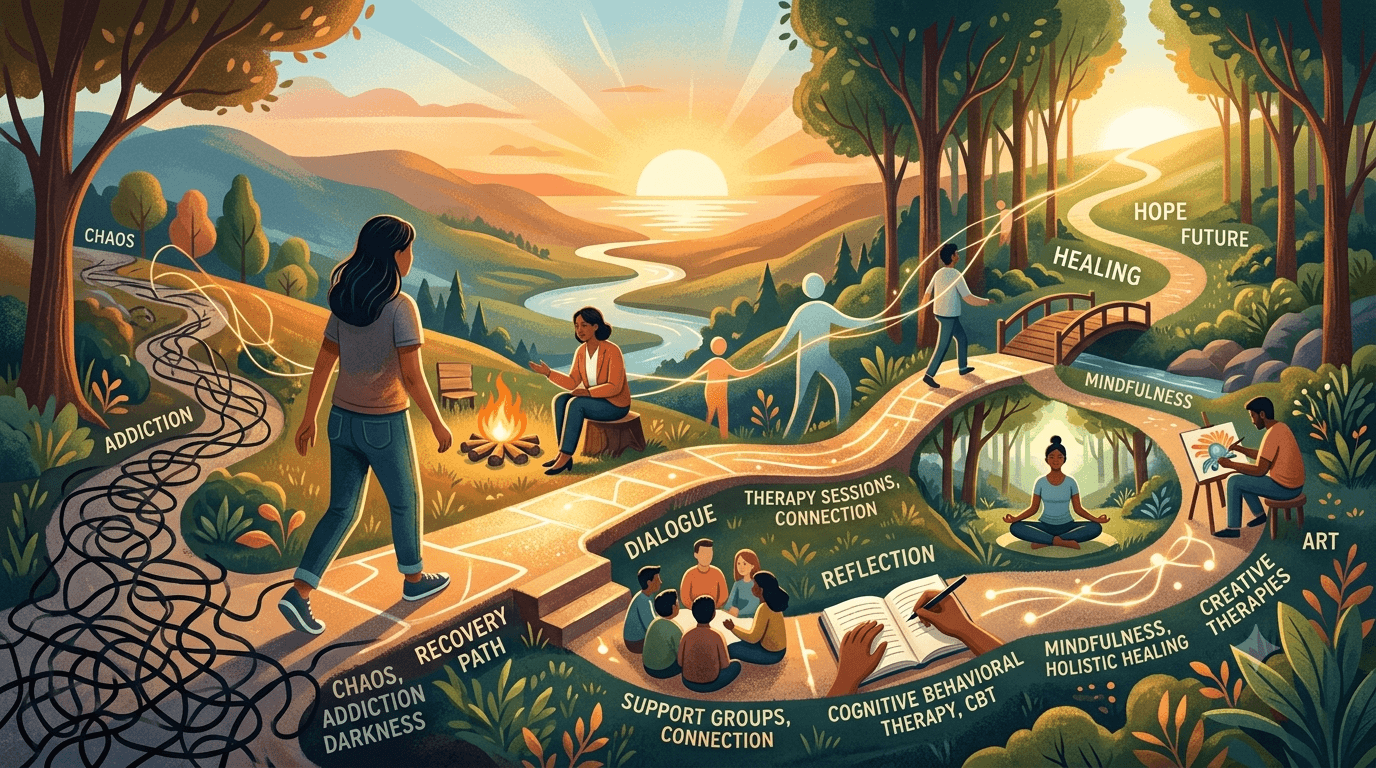
It helps to know that your brain isn’t broken—it is actually working hard to heal. When you stop substance use, the pathways in your brain that were used to getting quick bursts of pleasure or relief need time to rewire. This process is called neuroplasticity. Think of your brain like a trail system in the woods. The more you walk a certain path, the clearer it gets. When you stop, those old trails start to fade, and new, healthier trails need to be made.
In early recovery, this means your brain is learning how to handle stress, emotions, and joy without the shortcut of substances. At first, it can feel like nothing is working—your moods are unpredictable, motivation is low, and things that used to bring comfort may feel out of reach.
But over weeks and months, new connections form. With time and practice, these healthy pathways get stronger, making it easier to find balance and pleasure again4. Research shows your brain’s ability to adapt is remarkable, but this rebuilding doesn’t happen overnight. Every small step you take helps those new pathways grow.
The Role of Support Systems in Accelerating Recovery
The truth is, healing your brain is tough work—and it is much easier when you have support. Research shows that having just one meaningful relationship in recovery can lower your chances of relapse by nearly five times4. Think of support systems like scaffolding around a building under construction: they help steady you while your brain builds new, healthier pathways.
Support comes in many forms. Professional help like therapy, group counseling, or medication-assisted treatment can guide you through the toughest stretches. Peer support, such as 12-step groups or recovery communities, gives you people who truly understand what you are going through. Even connecting with one friend or family member you trust can make a big difference.
Lifestyle choices matter too. Eating well, getting enough sleep, and moving your body all help your brain recover more quickly. Mindfulness practices, like meditation or journaling, have also been shown to reduce stress and support emotional balance during recovery10.
You don’t have to rebuild your brain alone. These support systems can help you stick with sobriety, speed up healing, and remind you that progress is possible—even on the hard days.
Getting Through the Hardest Part Together
Those first few weeks without substances can feel like the longest stretch of your life. Your brain is working overtime to rebalance itself, and that process isn't always smooth. You might feel like you're on an emotional roller coaster—one moment feeling hopeful, the next overwhelmed by cravings or anxiety. This isn't a sign that something's wrong with you. It's actually evidence that your brain chemistry is resetting itself, and it's exactly why medical supervision matters most during this phase.
During this phase, your neurotransmitters are learning to function without substances again. That takes time, and it can be uncomfortable. You might experience mood swings, sleep disruptions, or intense feelings that seem to come out of nowhere. These are all normal parts of early stabilization, and they do get better. With medication-assisted treatment, withdrawal symptoms become manageable rather than overwhelming—comfort medications can be adjusted in real time by round-the-clock nurses who monitor how your body responds. If you're also dealing with depression, anxiety, or PTSD, psychiatric support helps stabilize both conditions simultaneously, because your mental health and your recovery are deeply connected.
The right care team makes a real difference in how you experience these changes: therapists who help you develop coping strategies for cravings when they hit hardest, 24/7 medical monitoring that catches complications before they derail your progress, and psychiatric support that addresses the underlying issues that substances may have been masking. With that level of comprehensive support behind you, those difficult days become manageable—and you'll have people who understand exactly what you're going through, ready to help you navigate each challenge as it comes.
This part is normal—but you don't have to go through it alone.
Frequently Asked Questions
Can medication-assisted treatment help with feeling worse in early sobriety?
Yes, medication-assisted treatment (MAT) can be very helpful if you’re feeling worse in early sobriety. MAT uses FDA-approved medications to ease withdrawal symptoms, reduce cravings, and stabilize brain chemistry as your body adjusts after stopping substances. For example, medications like buprenorphine or methadone can help manage opioid cravings and withdrawal safely, while naltrexone may help prevent relapse. These medicines don’t replace one substance with another—they support your brain as it heals and help you feel more balanced so you can focus on the emotional and behavioral work of recovery5. If you’re asking, "why do I feel worse after I stop using substances," MAT is one proven way to make this stage more manageable.
Is it normal to have physical symptoms months after stopping substance use?
Yes, it is normal to have physical symptoms that last for months after stopping substance use. Many people experience ongoing issues like fatigue, headaches, muscle aches, and sleep problems well after the initial withdrawal is over. This lingering phase is called Post-Acute Withdrawal Syndrome (PAWS), and it can affect your body and mind long after detox. For some substances, especially benzodiazepines, studies show that 10–15% of people can have symptoms that last for months or even years8. If you’re wondering, "why do I feel worse after I stop using substances," these persistent physical symptoms are a common part of the recovery journey—not a sign that you’re doing something wrong.
How do I know if what I'm feeling is PAWS or a separate mental health condition?
It can be tricky to tell if you're dealing with Post-Acute Withdrawal Syndrome (PAWS) or a separate mental health condition because the symptoms often overlap. PAWS usually shows up as mood swings, low motivation, anxiety, sleep problems, and trouble thinking clearly—especially in the weeks or months after stopping substances8. If your symptoms started after quitting and change over time, it's likely PAWS. But if you've had issues like depression or anxiety even before substance use, or if symptoms feel severe or just keep getting worse, a separate mental health condition could be present. If you’re asking, "why do I feel worse after I stop using substances," keeping track of your symptoms over time and talking to a professional can help you figure out what’s really going on2, 8.
What role does sleep play in brain healing during early recovery?
Sleep is one of the most important factors in brain healing during early recovery. When you stop using substances, you might notice sleep problems like insomnia or vivid dreams—these are common signs your brain is resetting. Sleep helps your brain repair itself, form new connections, and balance chemicals like dopamine and serotonin. Good sleep also supports memory, mood, and stress management, which are often disrupted in early sobriety. If you’re wondering why do I feel worse after I stop using substances, poor sleep could be making things harder. Prioritizing regular sleep routines and healthy habits can speed up your recovery and help your brain heal8.
Does the type of substance I used affect how long I'll feel worse?
Yes, the type of substance you used does affect how long you might feel worse after stopping. For example, withdrawal from substances like alcohol or opioids often lasts days to weeks, while symptoms from benzodiazepines can linger for months or even years in some cases8. Stimulants and cannabis have their own timelines, with emotional symptoms often outlasting physical ones. If you’re wondering why do I feel worse after I stop using substances, know that the unique chemistry of what you used, how long you used it, and your personal health all play a role in your recovery timeline8. You’re not alone in feeling this way.
Can therapy actually change my brain chemistry or just help me cope?
Yes, therapy can do more than just help you cope—it can actually change your brain chemistry over time. When you work with a therapist, you’re practicing new ways of thinking, feeling, and responding to stress. This process encourages your brain to build new neural pathways and strengthen healthier connections, a phenomenon called neuroplasticity. Studies show that talk therapy, mindfulness, and behavioral therapies can help rebalance brain chemicals like dopamine and serotonin, supporting recovery from substance use4, 10. So, if you’re wondering why do I feel worse after I stop using substances, remember that therapy isn’t just emotional support—it’s helping your brain heal itself.
When should I reach out for professional support if I'm struggling?
If you’re struggling in early sobriety and wondering, why do I feel worse after I stop using substances, it’s always okay to reach out for professional support. Some signs it’s time include feeling hopeless, having thoughts of harming yourself or others, or if your symptoms are making it hard to function day-to-day. Even if you’re just overwhelmed by mood swings, anxiety, or sleep problems that aren’t improving, reaching out can help. Professionals can check for issues like Post-Acute Withdrawal Syndrome (PAWS) and offer treatment options that support brain healing8. Remember, seeking help is a sign of strength—this part is normal, but you don’t have to go through it alone.
References
- Drugs, Brains, and Behavior: The Science of Addiction. https://nida.nih.gov/publications/drugs-brains-behavior-the-science-of-addiction/drugs-brain
- Drug Misuse and Addiction | National Institute on Drug Abuse. https://nida.nih.gov/publications/drugs-brains-behavior-the-science-of-addiction/drug-misuse-addiction
- The Neurobiology of Substance Use, Misuse, and Addiction. https://www.ncbi.nlm.nih.gov/pmc/articles/PMC3268458/
- Social Support and Substance Use Disorder Treatment Outcomes. https://www.ncbi.nlm.nih.gov/pmc/articles/PMC3153574/
- Medications to Treat Opioid Use Disorder Research Report. https://nida.nih.gov/publications/research-reports/medications-to-treat-opioid-use-disorder/overview
- Alcohol's Effects on the Brain.
- SAMHSA's Concept of Trauma and Guidance for a Trauma-Informed Approach. https://www.samhsa.gov/trauma-violence
- Protracted Withdrawal Syndrome (PAWS) - Benzodiazepine Information Coalition.
- Spirituality, Gratitude, and Recovery. https://www.ncbi.nlm.nih.gov/pmc/articles/PMC4610313/
- Mindfulness-Based Relapse Prevention for Substance Use Disorders. https://www.ncbi.nlm.nih.gov/pmc/articles/PMC4203619/