Marijuana Addiction Treatment
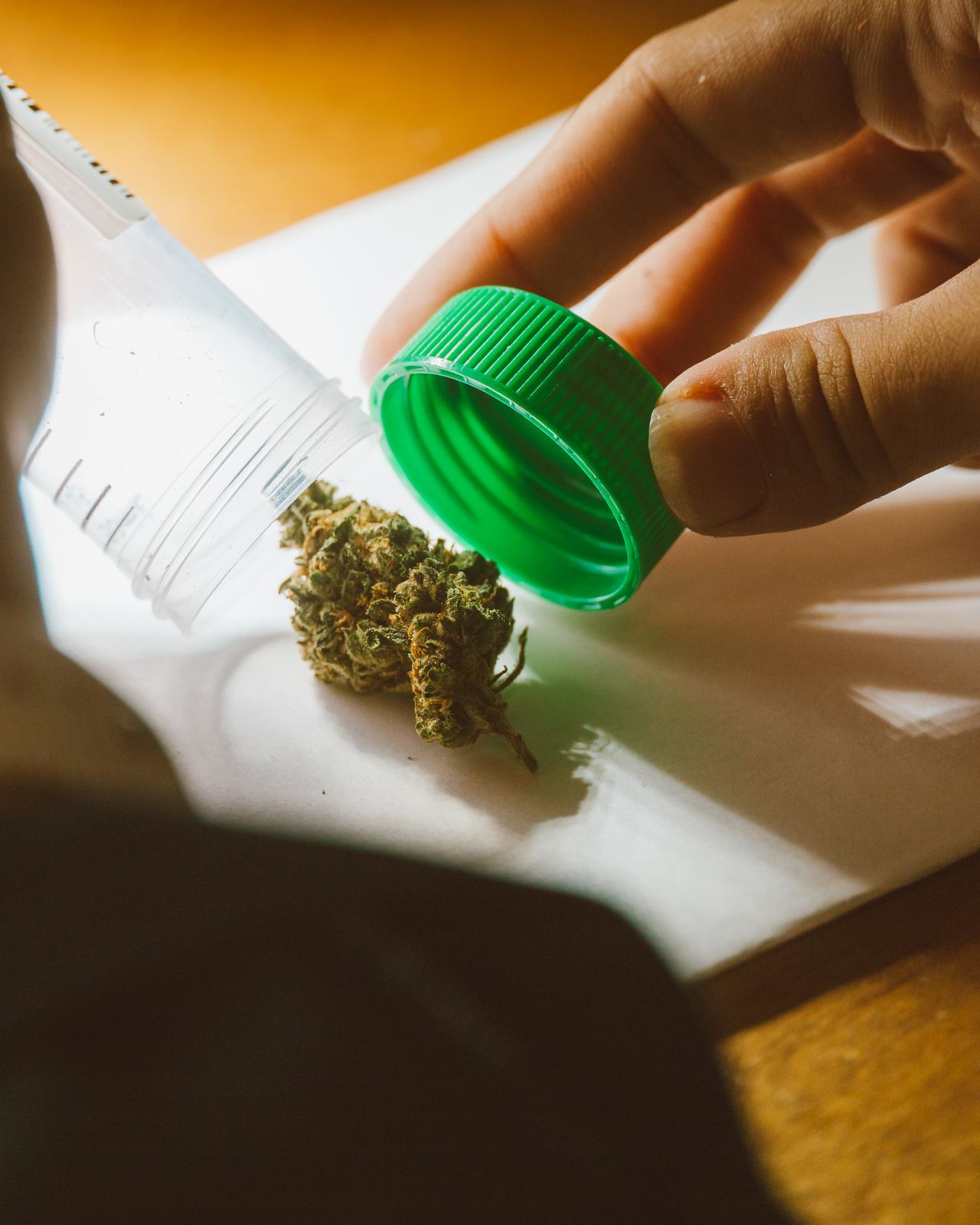
Marijuana is often treated as harmless in everyday conversation, but some people find that cannabis begins to control more of their lives than they expected. They may use it to sleep, eat, relax, cope with anxiety, avoid stress, or get through the day. Arista Recovery provides marijuana addiction treatment for people who want support with cannabis use, withdrawal symptoms, cravings, and the emotional patterns connected to use.
Cannabis use disorder can affect motivation, relationships, school, work, parenting, mental health, and daily routines. Treatment is not about shame. It is about helping the person understand why stopping has been difficult and what kind of support can make change more realistic.


Marijuana Addiction Treatment at a Glance
- Condition treated: Marijuana addiction or cannabis use disorder
- Common concerns: Cravings, irritability, sleep problems, anxiety, appetite changes, low motivation, and difficulty stopping
- Detox note: Marijuana withdrawal is usually not medically dangerous, but symptoms can be uncomfortable and relapse-triggering
- Treatment options: Outpatient care, residential treatment when needed, therapy, dual diagnosis care, family support, and aftercare planning
- First step: Confidential assessment and insurance verification through Arista Recovery

Can Marijuana Be Addictive?
Yes. The CDC cannabis health effects resource explains that people who use cannabis can struggle with dependency and controlling use, and it estimates that about 3 in 10 people who use cannabis have cannabis use disorder. Risk may be higher for people who start young, use frequently, or use high-potency THC products.
The NIDA cannabis research overview also notes that cannabis products vary widely in potency and method of use. This matters because today's vapes, concentrates, edibles, and high-THC products may affect people differently than lower-potency marijuana used in the past.

Signs You May Need Help for Marijuana Use
Marijuana addiction does not always look dramatic from the outside. A person may still work, study, or care for family while privately feeling stuck. The concern is not just how much someone uses. It is whether cannabis is becoming hard to control and whether life feels smaller because of it.
Treatment may be appropriate when someone:
- Tries to quit or cut back, but returns to use
- Feels irritable, anxious, restless, or unable to sleep without marijuana
- Uses cannabis before work, school, parenting, driving, or important responsibilities
- Spends more money or time on marijuana than intended
- Avoids family, hobbies, or goals because of cannabis use
- Uses marijuana to manage anxiety, depression, trauma, or stress
- Experiences conflict with loved ones but continues using
What Happens When You Stop Smoking Weed? Timeline and Symptoms
The effects of quitting marijuana vary. Some people feel better within days, while others have several weeks of cravings, sleep problems, mood changes, or appetite changes. A typical timeline may include irritability, restlessness, vivid dreams, trouble sleeping, reduced appetite, headaches, stomach discomfort, or strong urges to use.
The timeline depends on how long someone has used, how often they use, THC potency, mental health, sleep habits, and whether other substances are involved. For some people, the hardest part is not physical discomfort. It is losing a coping tool they have relied on for years.
Marijuana Addiction and Mental Health
Many people use cannabis to cope with anxiety, depression, trauma, racing thoughts, or sleep problems. Sometimes it feels helpful at first, then it becomes harder to manage. For others, marijuana may worsen anxiety, paranoia, motivation, or mood over time.
Dual diagnosis treatment at Arista Recovery can help when cannabis use and mental health symptoms are connected. Treatment may focus on emotional regulation, coping skills, trauma-informed care, communication, and healthier ways to manage stress.
Therapies Used in Marijuana Addiction Treatment
Marijuana addiction treatment may include individual therapy, group therapy, cognitive behavioral therapy, motivational interviewing, relapse prevention, life skills, family programming, and case management. Therapy can help clients understand what triggers use, what they fear about stopping, and how to build a life that does not depend on cannabis to feel manageable.
Clients may also work on practical routines: sleep hygiene, exercise, appetite support, sober social time, stress planning, and ways to respond to cravings without acting on them.
What Makes a Marijuana Treatment Plan Useful
A helpful plan does not treat cannabis use as a joke, and it does not exaggerate the risk. It looks at the role marijuana has played in the person's life. Some clients use it to sleep. Others use it to eat, calm down, avoid feelings, or make boring parts of the day feel easier.
Treatment works best when it replaces that role with safer tools. This may include a sleep plan, anxiety skills, sober hobbies, support meetings, family rules, and ways to handle cravings after work or at night. For some clients, the plan also includes help with school, work, or motivation.
What to Expect During Treatment
Early treatment often focuses on honesty and routine. Clients may track use patterns, identify high-risk times of day, and plan for withdrawal symptoms. As treatment continues, they may address emotional triggers, relationships, work or school goals, and aftercare supports.
Family support can be useful when loved ones are confused by marijuana addiction or unsure how to respond. Education can reduce blame and help families understand boundaries, communication, and realistic expectations.

Benefits of Stopping Marijuana Use
The benefits of stopping marijuana can be personal and gradual. Some people notice clearer mornings, improved follow-through, broader emotional range, more stable motivation, stronger relationships, or less anxiety about running out. Others begin to rebuild sleep naturally, save money, or return to school, work, parenting, fitness, or creative goals.
These changes are not automatic, and they may not happen overnight. Treatment can help clients create a plan for the gaps marijuana used to fill, such as boredom, panic, racing thoughts, loneliness, appetite issues, or insomnia.
Do People Go to Rehab for Weed?
Yes, people do go to rehab for weed. Marijuana addiction treatment may be appropriate when cannabis use continues despite consequences or when quitting alone has not worked. Some people benefit from outpatient therapy, while others need a higher level of care because cannabis use is linked with depression, anxiety, trauma, polysubstance use, or an unsafe home environment.
Arista Recovery uses assessment to recommend the right level of care. The goal is not to overstate the problem. The goal is to match the care to the person's real needs.
Treatment Options for Marijuana Addiction at Arista Recovery
Outpatient Treatment and Counseling
Many people with marijuana addiction can begin with outpatient support. Outpatient treatment may help clients identify triggers, manage cravings, rebuild routines, and practice new coping skills while living at home or in another supportive setting.
PHP and IOP for More Structure
If weekly counseling is not enough, partial hospitalization treatment or intensive outpatient programming may provide a stronger treatment rhythm. These programs can help people who need more accountability, group support, and relapse prevention without full residential care.
Residential Care When Cannabis Is Part of a Larger Pattern
Some clients need residential inpatient treatment because marijuana is part of a broader pattern involving other substances, mental health symptoms, family instability, or repeated relapse. Residential treatment offers distance from daily triggers and more consistent support.

Start Your Recovery Close to Home
With treatment centers in Paola and Overland Park, Kansas, and Hilliard, Ohio, Arista Recovery makes high-quality addiction care accessible to those seeking help close to home. Our locations offer a full continuum of care, including detox, residential treatment, outpatient programs, and dual diagnosis support.

Paola, KS
Paola, Kansas 66071
Hilliard, OH
Overland Park, KS
Overland Park, Kansas 66207
Marijuana Addiction and Mental Health
.png)
.avif)

.webp)








Start Marijuana Addiction Treatment at Arista Recovery
If marijuana use is interfering with your life, you do not need to prove that the problem is severe enough before asking for help. Arista Recovery can help you understand the effects of quitting marijuana, choose an appropriate treatment level, and build a recovery plan that fits your needs.
Contact the Arista Recovery admissions team to begin.
What We Do
Treatment Programs at Arista








.webp)


Commonly Asked Questions
Is marijuana withdrawal real?
Yes. Marijuana withdrawal is a recognized condition that can occur when someone stops or significantly reduces regular cannabis use. Common symptoms include irritability, anxiety, restlessness, sleep problems, vivid dreams, reduced appetite, headaches, and strong cravings. Symptoms often begin within the first few days after quitting and can last several weeks, depending on how frequently and heavily the person used marijuana.
Is marijuana detox dangerous?
Marijuana withdrawal is usually not considered medically dangerous in the way alcohol or benzodiazepine withdrawal can be. However, it can be uncomfortable enough to make quitting difficult. Sleep disruption, mood changes, anxiety, and cravings are common reasons people return to marijuana use. Professional support can help manage symptoms and reduce the risk of relapse during early recovery.
What level of care is right for marijuana addiction?
Many people with marijuana addiction can be successfully treated through outpatient counseling or intensive outpatient programs. A higher level of care may be recommended if marijuana use is linked to anxiety, depression, trauma, other substance use disorders, repeated relapse, or an unstable home environment. The right treatment plan depends on the severity of the addiction, mental health needs, and the amount of support available outside of treatment.
Does insurance cover marijuana addiction treatment?
In many cases, yes. Health insurance plans often provide coverage for substance use disorder treatment, including treatment for cannabis use disorder, when it is considered medically necessary. Coverage varies by provider, plan type, network status, and recommended level of care. Insurance may help cover services such as assessments, therapy, intensive outpatient programs, residential treatment, and dual-diagnosis care.
Our Unique Therapies
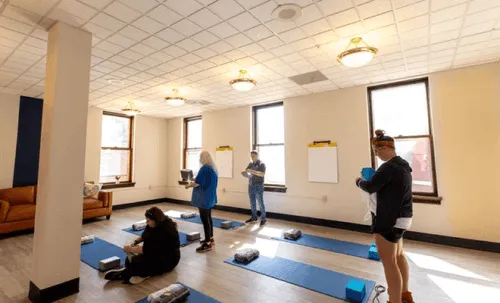
Explore our innovative approach to addiction treatment at Arista Recovery. From evidence-based therapies to holistic and experiential methods, we offer an immersive experience that works to treat the root causes of substance abuse our full continuum treatment programs




Educational Therapy
Explore Educational Therapy at Arista Recovery and how it can help you recover.
Cognitive Behavioral Therapy (CBT)
Explore cognitive behavioral therapy at Arista Recovery and how it can help you recover.
Dialectical Behavioral Therapy (DBT)
Explore dialectical behavioral therapy for addiction treatment and how it can help you recover.
Horticultural Therapy
Explore horticultural therapy at Arista Recovery and how it can help you recover.
Sand Tray Therapy
Explore sand tray therapy at Arista Recovery and how it can help you recover.
Experiential Therapy
Explore experiential therapy at Arista Recovery and how it can help you recover.
Synergistic Therapy
Our Synergistic Recovery Program programs in both Kansas and Ohio provides effective training, both in the physical and mental domains
We're proud to accept most insurances
Most major insurance plans can help cover up to 100% of the cost of treatment at Arista Recovery. Fill out our free insurance benefits form now and get started on your journey to long-term healing. You deserve it.










Start Marijuana Addiction Treatment at Arista Recovery
If marijuana use is interfering with your life, you do not need to prove that the problem is severe enough before asking for help. Arista Recovery can help you understand the effects of quitting marijuana, choose an appropriate treatment level, and build a recovery plan that fits your needs.
Contact the Arista Recovery admissions team to begin.