.webp)

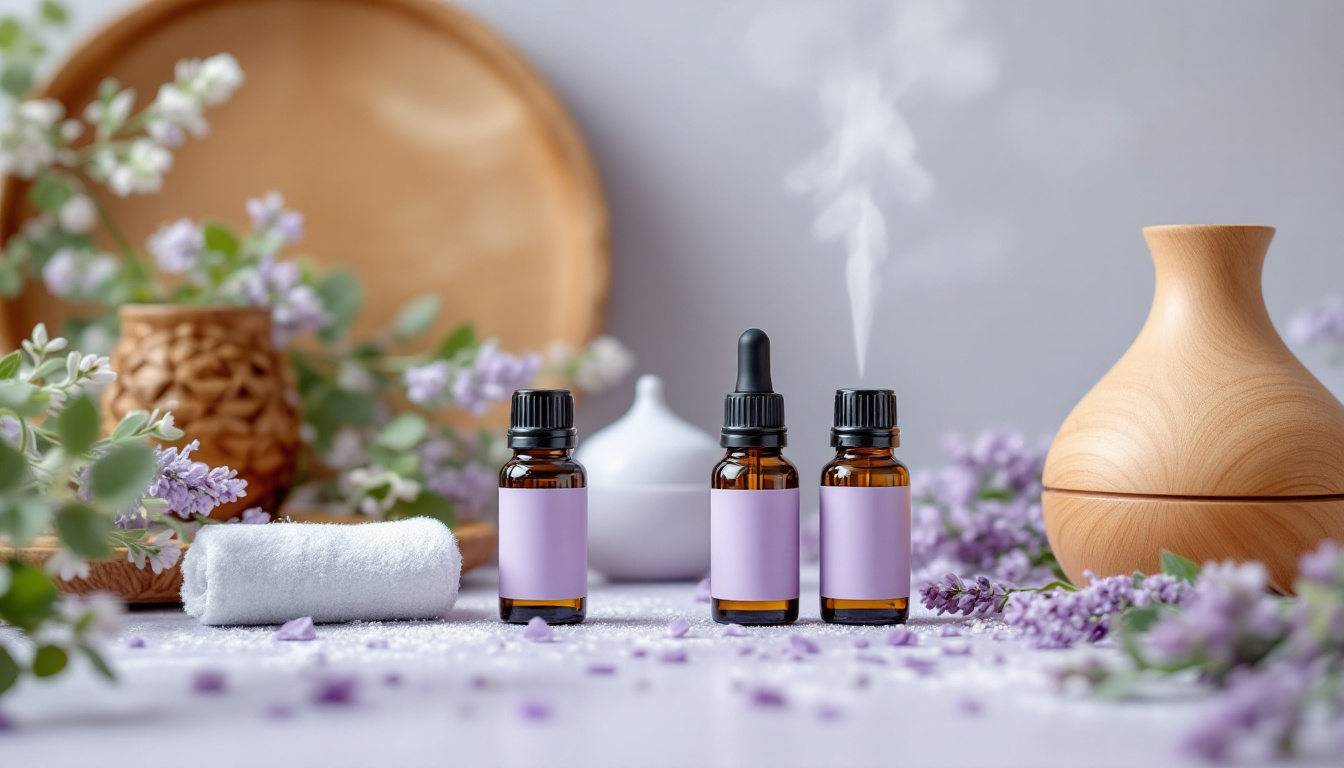
Understanding Aromatherapy in Recovery
Aromatherapy is increasingly recognized as a valuable tool in supporting emotional balance during addiction recovery. By engaging the olfactory senses with essential oils, aromatherapy taps into the brain’s limbic system, which influences emotions and behavior. This holistic approach can complement traditional therapies, offering a blend of physical and emotional healing essential for those striving to overcome addiction. In this piece, we explore the role of aromatherapy in promoting emotional well-being, its practical applications, and the essential oils most beneficial in recovery processes.
The Science Behind Aromatherapy in Recovery
How can aromatherapy help with emotional balance during recovery?
Aromatherapy employs the therapeutic qualities of essential oils obtained from plants to support emotional balance in those undergoing addiction recovery. These essential oils, when inhaled, interact primarily with the brain's limbic system, which is instrumental in regulating emotions.
Here’s how these mechanisms work:
Though aromatherapy is not a standalone cure, research supports its role as a beneficial adjunct in reducing the emotional hurdles faced during recovery. Employing high-quality essential oils in a safe and informed manner can enhance the emotional support system, making aromatherapy a valuable component of a holistic recovery approach.
Essential Oils for Emotional Release and Healing
What essential oils are beneficial for emotional release?
Essential oils are powerful allies in promoting emotional release and healing. They work by impacting the limbic system—the part of the brain responsible for emotions and memories. Notable essential oils that support emotional wellness include:
Inhalation of these essential oils can trigger neurochemical changes in the brain, which may lead to improved mood and reduced anxiety.
Methods of application
There are various effective methods to incorporate essential oils into daily routines:
Combining these techniques with practices such as meditation, exercise, or journaling can enhance the emotional healing process, making the benefits of essential oils even more profound. Utilizing these methods aligns with a holistic approach to emotional well-being, particularly during recovery from addiction.
Harnessing Aromatherapy for Stress and Cravings Management
Role of essential oils in stress reduction
Aromatherapy leverages the power of essential oils to create a calming environment conducive to addiction recovery. Oils like lavender and chamomile are renowned for their stress-reducing properties. These specific oils not only enhance relaxation but also improve sleep quality, which is crucial during the recovery journey.
Inhalation of these calming scents activates the brain's limbic system, ultimately modulating emotional states and lowering cortisol levels. This process prepares the mind and body to cope more effectively with stressors typical in recovery. Additionally, essential oils such as bergamot have been shown to enhance mood and elevate emotional well-being, providing further support during difficult times.
Managing cravings through scents
Essential oils also serve a vital function in managing cravings. For instance, peppermint oil may help enhance mental clarity, making it easier to focus on recovery goals rather than on cravings. Similarly, black pepper oil can specifically aid individuals facing nicotine withdrawal by helping reduce cravings.
The interaction of these essential oils with the olfactory system influences neurotransmitter release, sometimes mirroring the rewarding feelings associated with substance use, thereby providing a healthier coping mechanism. By incorporating these scents into daily routines, individuals can cultivate a more balanced emotional landscape and reduce the urge to use substances as a way of managing discomfort.
Incorporating Aromatherapy into Daily Recovery Routines
Practical Applications and Tips
Integrating aromatherapy into daily recovery routines can be both simple and rewarding. Start by selecting a few essential oils that resonate with your emotional needs. For relaxation, consider lavender or chamomile. To enhance focus and reduce cravings, peppermint and bergamot are excellent choices. Here are some practical applications:
Creating Personal Aromatic Rituals
Developing personal rituals can enhance your recovery experience. Here are a few ideas:
Remember, consistency is key. Regular use of these aromatic practices can not only support emotional stability but also bolster your overall recovery journey.
The Complementary Role of Aromatherapy in Traditional Treatments
How does aromatherapy support conventional therapies?
Aromatherapy integrates seamlessly with traditional addiction treatments by enhancing emotional well-being and mental clarity. Essential oils, like lavender and bergamot, are known to promote relaxation, helping individuals manage anxiety during sessions of Cognitive Behavioral Therapy (CBT) and Dialectical Behavior Therapy (DBT). This additional layer can make therapeutic communication more effective, resulting in a deeper engagement in recovery practices.
Inhalation of these oils can stimulate neurotransmitter release, such as serotonin, which boosts mood and aids in emotional regulation. Thus, aromatherapy acts as a supportive mechanism, enriching the conventional treatment process and potentially leading to improved outcomes for individuals undergoing recovery.
How does aromatherapy benefit dual diagnosis treatment?
Aromatherapy is especially important for those with dual diagnosis, where mental health disorders compound substance abuse challenges. By using essential oils like ylang-ylang and chamomile, which calm the nervous system, individuals can better navigate their emotions. These oils help reduce stress and anxiety, key hurdles that often lead to relapse.
Moreover, the holistic approach of combining aromatherapy with other interventions like meditation and yoga can significantly enhance emotional stability. This synergy not only supports mental health but also reinforces recovery efforts, helping individuals reclaim their lives from both addiction and mental health challenges.
Essential OilBenefitsApplication MethodsLavenderCalming, improves sleep qualityInhalation, topicalBergamotMood-enhancing, reduces anxietyDiffusion, inhalationChamomileSoothes emotions, decreases stressAromatic baths, topicalYlang-ylangBoosts self-esteem, reduces anxietyInhalation, diffusedPeppermintAlleviates nausea, improves clarityInhalation, topical
Utilizing these essential oils in therapy provides a comprehensive approach to recovery, addressing emotional and physical needs effectively.
Exploring Safety Precautions in Aromatherapy
What are safety precautions to consider when using essential oils for emotional support?
When incorporating essential oils into your emotional support routine, it’s essential to adhere to specific safety precautions to avoid unintended side effects. First, proper dilution is crucial. Essential oils should be diluted with a carrier oil before topical application to prevent skin irritations. The recommended dilution typically ranges from 1% to 5%.
Avoid applying essential oils directly to sensitive areas such as the eyes, nose, and mouth. Scrutinize the quality of essential oils and choose products from reputable producers to minimize the risk of allergic reactions. Before using a new oil extensively, conduct a patch test on a small skin area to confirm sensitivity or allergic reactions.
Special caution should be exercised around vulnerable populations, including children, pregnant women, and individuals with pre-existing health conditions. It's advisable to use essential oils in well-ventilated spaces, operating diffusers for short intervals to lessen any potential risks associated with inhalation.
Crucially, ingestion of essential oils should only be undertaken with professional guidance. If you have underlying health conditions or are on medication, consult your healthcare provider before beginning any aromatherapy regimen.
Easing Withdrawal Symptoms with Essential Oils
Alleviating Physical Discomfort
Aromatherapy offers effective relief for physical discomfort associated with withdrawal. Essential oils like peppermint and ginger play a significant role in alleviating symptoms such as nausea and muscle tension, commonly experienced during detoxification. By promoting relaxation and calming the nervous system, these oils help to ease the physical strain that accompanies the withdrawal process.
Essential OilBenefitsHow to UsePeppermintEases nausea, headachesInhalation or topical applicationGingerReduces gastrointestinal discomfortAromatherapy baths or diffusionEucalyptusProvides analgesic effectsApply topically or diffuse in a room
Emotional Support During Detox
The emotional aspects of withdrawal can be overwhelming, but aromatherapy can provide immense support. Lavender and chamomile essential oils are effective in managing anxiety and promoting relaxation. These oils work by activating the limbic system, which regulates emotions and helps to calm the mind—critical during the recovery phase.
Using methods like inhalation or essential oil diffusion not only reduces stress levels but also promotes emotional stability, making the detox process more manageable. By creating a calming environment through scent, individuals can maintain emotional balance and bolster their recovery journey.
Aromatherapy’s Impact on Mood and Emotional Regulation
Mechanisms of Mood Enhancement
Aromatherapy utilizes essential oils that interact with the brain's limbic system, which plays a pivotal role in emotional regulation. Scents such as lavender, chamomile, and bergamot are renowned for their calming properties, helping to alleviate anxiety and enhance mood. When these oils are inhaled, they activate olfactory receptors, triggering emotional responses and releasing neurotransmitters like serotonin and dopamine, known for their mood-lifting effects. This sensory interaction fosters a calming atmosphere essential for those navigating the challenges of addiction recovery.
Neurochemical Influences
The inhalation of specific essential oils can lead to immediate physiological responses. For instance, lavender oil contains compounds that have been shown to reduce cortisol levels and improve sleep quality, both vital for emotional balance during recovery. Citrus oils, including lemon and grapefruit, are uplifting and bolster emotional well-being, helping in the regulation of anxiety and stress. By enhancing neurotransmitter activity and influencing brain chemistry, aromatherapy becomes an effective complementary approach in the addiction recovery process, promoting stability and emotional healing.
Long-term Benefits of Aromatherapy in Post-Recovery
How Does Aromatherapy Help Maintain Emotional Stability?
Aromatherapy can be instrumental in maintaining emotional stability after addiction recovery. Essential oils, such as lavender and bergamot, have been shown to alleviate anxiety and depression, common issues faced by recovering individuals. By promoting a sense of calm and enhancing mood, these oils can support emotional well-being and help individuals better handle stressors that arise in daily life.
Regular use of aromatherapy through methods like inhalation, diffusion, or topical application can help reinforce this emotional stability by creating a soothing atmosphere. For those navigating challenges in sobriety, incorporating aromatherapy into their routine offers a proactive approach to maintaining a balanced emotional state.
How Can Aromatherapy Help Prevent Relapse?
In addition to fostering emotional stability, aromatherapy cultivates resilience against relapse triggers. Essential oils such as peppermint, which can enhance focus along with alleviating nausea, assist individuals in coping with cravings associated with substance withdrawal. The ongoing use of these oils in rehabilitation settings also equips individuals with tools to manage emotional triggers effectively.
Furthermore, by promoting relaxation and reducing stress levels, aromatherapy can help lower the risk of relapse by addressing emotional and psychological challenges. This holistic method delivers a range of benefits, reinforcing recovery strategies and supporting overall mental and emotional health, ultimately contributing to a sustainable recovery journey.
Embracing Aromatherapy for Holistic Recovery
Aromatherapy offers a unique, sensory-rich approach to bolstering emotional balance during and after addiction recovery. By incorporating essential oils into personal wellness routines, individuals can find new avenues for stress relief, cravings management, and emotional healing. As an adjunct to traditional therapies, aromatherapy not only aids in addressing immediate emotional challenges but also supports long-term well-being, helping to create a stable and resilient recovery journey. As interest in holistic therapies grows, the role of essential oils in promoting mental and emotional health will likely continue to expand, offering hope and healing to all those seeking recovery from addiction.
References
- How Aromatherapy Supports Addiction Recovery - IKON Recovery
- Benefits of Aromatherapy in Addiction Recovery: Essential Oils as ...
- Benefits of Aromatherapy in Addiction Recovery
- Essential Oils For Emotional Health, Healing, And Well-Being
- Aromatherapy in Recovery: Harnessing the Power of Scent at ...
- Aromatherapy | Therapy | Rehab - Footprints to Recovery
- Aromatherapy for Mental Health Benefits: Techniques for Well-Being
- Aroma Therapy Uses in Addiction Recovery | NWI Journal