.webp)


Key Takeaways
- Neighborhoods Served: Accessible care is available for residents across Prairie Village, Leawood, Oak Park, Blue Valley, LionsGate, and Brookridge.
- Local Data: Johnson County boasts above-average treatment engagement compared to other metro counties, reflecting a strong community commitment to recovery.
- Landmarks: Facilities are conveniently located near recognizable spots like the Oak Park Mall and the Overland Park Convention Center.
- Transportation: Easy access is provided via major routes including I-435 and US-69, with manageable parking compared to downtown areas.
Overland Park Alcohol Rehab and Treatment Landscape
Why Choose Treatment in Johnson County
As a professional navigating the complexities of substance use, you understand that finding the right Overland Park alcohol rehab is a strategic decision for your health and your career. Why do so many people in Johnson County—especially those in neighborhoods like Prairie Village, Leawood, and Oak Park—turn to local treatment? The answer often lies in the community fabric that Overland Park is known for. You’ll find that support feels more genuine when it’s close to home, whether you’re near Oak Park Mall, spending time at Sar-Ko-Par Trails Park in Lenexa, or just a quick drive from the Overland Park Arboretum.
Choosing local care means you don’t have to leave your life or your professional responsibilities behind to start recovery. Facilities here are accessible to major routes like I-435 and US-69, making daily attendance highly efficient for those living in neighborhoods like Blue Valley and Indian Creek. Parking is often more manageable compared to downtown Kansas City, and many centers take local safety and neighborhood traffic into account when designing their programs.
Local data shows that Johnson County consistently reports some of the highest rates of alcohol-related hospitalizations in eastern Kansas, yet also boasts above-average treatment engagement compared to other metro counties.7 This means your peers are reaching out for help and finding meaningful support, which can make your own journey feel less isolating.
“Being able to access treatment just minutes from my home made all the difference—I never felt alone.” — Resident near Nottingham by the Green
“The sense of community here helped my confidence to rebuild.” — Resident from Old Leawood
As you explore what recovery looks like in your part of Johnson County, consider how local resources and connections can shape your experience and improve your overall outcomes. Next, we’ll look at the types of recovery support you’ll find right here in Overland Park.
Understanding Local Recovery Resources
Understanding the landscape of local recovery resources can give you a real sense of hope and possibility, especially if you’re living in neighborhoods like Brookridge, Deer Creek, or Nottingham Forest. Treatment programs are woven throughout areas close to the Deanna Rose Children’s Farmstead, near the lively 119th Street corridor, and just minutes from the Nerman Museum of Contemporary Art.
This strategic access means you’re never far from help, no matter if you’re in Tomahawk Ridge, Regency Park, or even closer to the Overland Park Convention Center. You’ll find a wide variety of resources here, including:
- Professional support groups
- Outpatient counseling tailored for working adults
- Peer recovery meetings at local community centers
According to the Johnson County Health Department, the city has seen a steady increase in participation in recovery initiatives, with support group attendance up 12% in the last year alone.7 This growth speaks to the power of local momentum and how community-based resources are making a measurable impact on professional wellness.
“Attending a meeting just down the street at the community center made it easier to stick with my recovery goals.” — Resident from Deer Creek
In Regency Park, another’s experience highlights how being able to walk or take a short drive to support meetings made their progress feel more sustainable. Parking is typically straightforward, especially compared to downtown areas, and many programs are scheduled around work and family commitments—giving you the flexibility you need as you move forward.
Comprehensive Treatment Modalities Available
Medical Detox and Withdrawal Management
If you’re facing withdrawal in areas like LionsGate, Nottingham Forest South, or close to Stoll Park, you already know how tough those first steps can feel. Medical detox is not just about managing symptoms—it’s about giving you a safe, compassionate, and clinically sound space to stabilize so you can move forward efficiently. Local centers offer medical detox protocols tailored to address the realities of withdrawal, which can include everything from heightened anxiety and insomnia to more severe complications.
Local facilities understand the unique needs of Johnson County professionals. Accessibility is a priority, with most detox units located near major thoroughfares like US-69 and College Boulevard, minimizing commute times whether you’re coming from Timber’s Edge, Oak Park, or Brookridge. Parking is typically stress-free, and safety is a core focus. Detox programs here work closely with local hospitals, especially the University of Kansas Medical Center, to ensure rapid response for medical emergencies.8
Medication-assisted treatment (MAT) is a cornerstone of withdrawal management in Overland Park. MAT combines FDA-approved medications with supportive care, which research shows can significantly reduce withdrawal severity and support long-term recovery.10
“Having a detox team close to home meant I never felt like just another number.” — Resident from LionsGate
You’re not alone—every bit of progress counts, and having local support can make facing withdrawal that much more manageable. Next, you’ll see how evidence-based therapeutic interventions are integrated into Overland Park’s treatment continuum.
Evidence-Based Therapeutic Interventions
In Overland Park, neighborhoods like Blue Valley, Deer Creek, and Prairie Village are home to a variety of evidence-based therapeutic options designed for those navigating substance use disorders. You’ll find that local centers often incorporate therapies recognized as gold standards by addiction medicine professionals.10
These interventions are not just theoretical; they’re actively used in day-to-day treatment near places like the Oak Park Mall and along College Boulevard, making care accessible for residents throughout the city. Key therapeutic modalities include:
- Cognitive Behavioral Therapy (CBT): Helps you build coping strategies and address underlying thought patterns.
- Dialectical Behavioral Therapy (DBT): Focuses on emotional regulation and distress tolerance.
- Trauma-Informed Counseling: Addresses past traumas that may contribute to substance use.
- Group Therapy: Fosters a sense of belonging with peers from nearby neighborhoods.
Johnson County’s investment in integrated care means many programs also provide options for dual diagnosis (treating both substance use and co-occurring mental health concerns), responding to local demand for more holistic approaches.7
“Being able to talk openly about anxiety and trauma in group therapy made a huge difference for me.” — Resident from Prairie Village
You’re making strides just by showing up for yourself, and every bit of honest work in therapy counts. Next, you’ll explore how Overland Park’s levels of care meet your needs—whether inpatient, outpatient, or something in between.
Levels of Care for Overland Park Alcohol Rehab
Inpatient and Residential Programming
Inpatient and residential programming delivers a structured, supportive environment for individuals ready to step away from daily triggers and focus on healing. If you’re coming from neighborhoods like Wilshire Farms, Nottingham by the Green, or close to The PrairieFire district, you’ll find that residential centers in this area offer a true sense of retreat—often just minutes from home, yet far enough to foster meaningful change.
Facilities are usually located with local convenience in mind, such as near the Overland Park Soccer Complex or easily accessed via I-435 and Antioch Road. This helps reduce the logistical stress that can come with traffic or parking, especially compared to denser city cores. Safety is a core priority, with properties often set in quiet, well-lit neighborhoods—giving you and your loved ones extra peace of mind during this intensive stage of care.
Programs in these settings provide 24/7 medical support, daily group and individual therapy, and access to amenities like green spaces or art rooms. According to the Johnson County Health Department, residential participation rates have risen in the past two years, signaling growing community trust in these programs.7
“I felt genuinely cared for each night, not just managed.” — Resident from Wilshire Farms
Embracing the structure of residential care can set a solid foundation. Next, you’ll see how flexible outpatient options can support continued progress as you transition back to everyday life and professional duties.
Outpatient Options with Flexible Scheduling
If you’re living in Overland Park neighborhoods like Oak Park, Brookridge, or close to the lively 135th Street corridor, you know that flexibility matters when balancing recovery with daily life. Outpatient programs here are designed with your real-world responsibilities in mind. Sessions are offered at various times—morning, evening, and even weekends—so you can attend therapy and support groups while still showing up for work or family.
Locations near the Overland Park Convention Center or The Plaza at Santa Fe make it easy for residents in Regency Park, Deer Creek, and Nottingham Forest to access care without long commutes. Outpatient treatment isn’t a one-size-fits-all model. Programs range from intensive outpatient services, which meet several times a week, to more traditional models that allow for gradual step-down as you progress.
According to the Johnson County Health Department, more people are choosing outpatient care each year, with a 15% rise in outpatient participation since 2022—reflecting both demand and the city’s commitment to accessible recovery.7 Parking is rarely an issue, and locations are often accessible via major roads like US-69 and Metcalf Avenue.
“Being able to schedule sessions after work in my own neighborhood made sticking with recovery possible.” — Resident from Nottingham Forest
Choosing outpatient care shows real dedication to yourself and your future. Next, you’ll explore how insurance and local accessibility shape your treatment experience.
Navigating Cost, Insurance, and Accessibility
Insurance Coverage in Kansas
Navigating insurance for treatment can feel daunting, especially when you’re already focused on your recovery journey. The good news is that most major insurance providers in Kansas—including plans accepted throughout Johnson County—offer at least some level of coverage for substance use treatment services. Whether you’re seeking inpatient care near the Oak Park Mall or outpatient sessions close to LionsGate or Deer Creek, financial pathways exist.
Medicaid (KanCare) and many employer-sponsored plans are required to cover medically necessary substance use treatment under both state and federal law.2 Coverage specifics can vary, so it’s common for professionals like you to double-check whether your plan requires pre-authorization, has preferred provider networks, or covers additional supports like medication-assisted treatment.
In Johnson County, local data shows that over 85% of individuals entering treatment report using insurance as their primary payment method.7 This high utilization reflects both the accessibility of care and the area’s robust insurance participation. Parking at most facilities is free and plentiful, and locations are accessible by major roads such as US-69 and College Boulevard—helping reduce any extra stress related to logistics.
Neighborhoods Served Across Overland Park
Treatment programs are thoughtfully distributed across the city, making support accessible whether you’re in Blue Valley, LionsGate, Nottingham Forest, Brookridge, or the historic Old Leawood area. Many facilities are located near key landmarks like the Oak Park Mall, along College Boulevard, and close to the Overland Park Convention Center.
This citywide presence means you can find care just minutes from home, whether you’re coming from Wilshire Farms, Regency Park, or the vibrant 119th Street corridor. Local accessibility isn’t just about convenience—it helps you stick with treatment, even when life feels overwhelming.
Parking is usually free and easy to find, and many sites are accessible via US-69 or I-435, so traffic rarely becomes a barrier. Johnson County data shows high engagement rates for treatment in neighborhoods throughout Overland Park, with individuals from both north and south ends of the city reporting strong participation.7
“Having a center nearby meant I could attend evening groups after work without battling rush hour.” — Resident from LionsGate
Your progress is supported by this local network every step of the way. Next, you’ll discover how to take those first steps toward recovery and what resources are available to guide you.
Taking the Next Step Toward Recovery
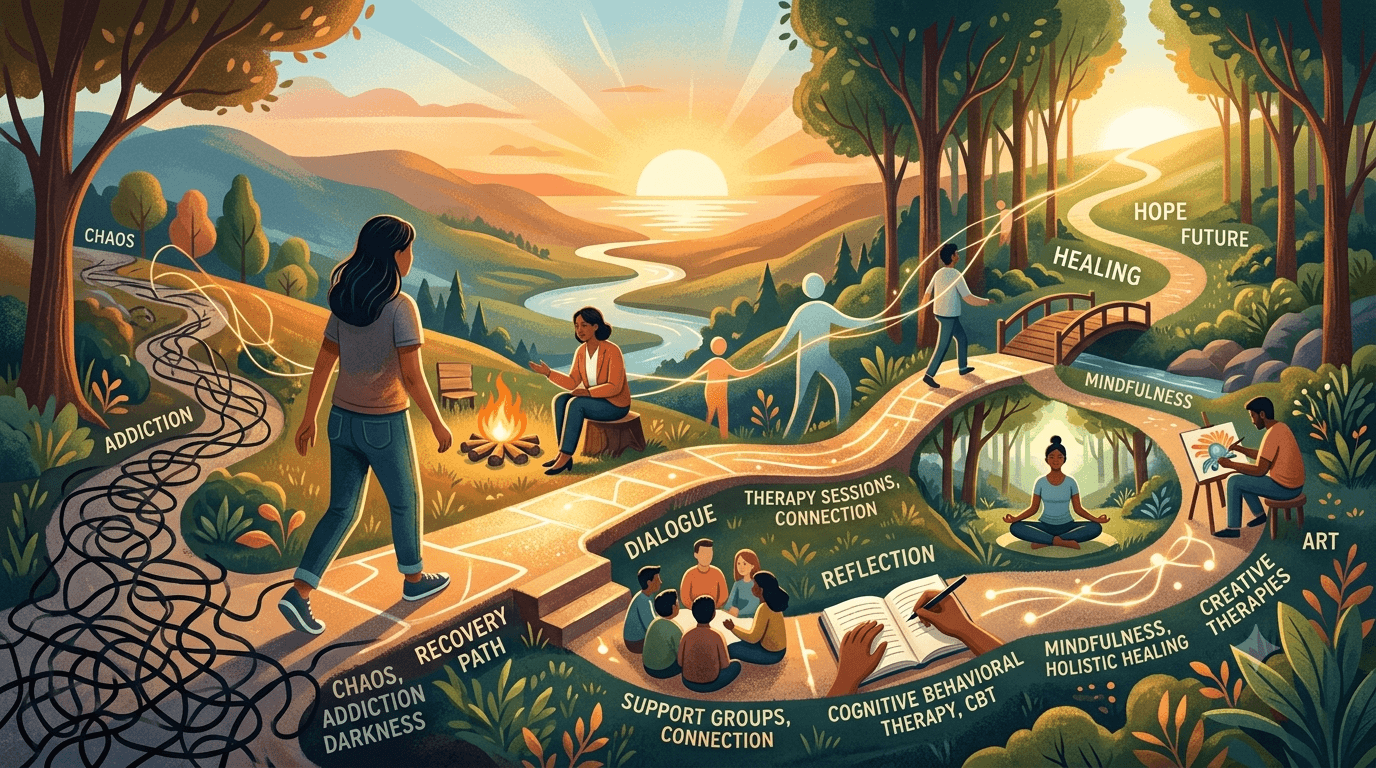
You've taken an important step just by reading this far. Recovery begins the moment you decide that change is possible, and that moment can be right now. The path forward doesn't require you to have everything figured out—it just requires you to reach out.
Whether you are managing alcohol use disorder or navigating an opioid crisis, withdrawal is challenging, and you don't have to face it alone. Medical detox with medication-assisted treatment can help manage symptoms safely while your body begins to heal. At Arista Recovery, we're available 24/7 with same-day admissions and flexible scheduling that works around your work and family commitments.
Our comprehensive treatment includes residential care at our peaceful 38-acre campus in Paola, Kansas, along with partial hospitalization and outpatient programs. We offer unique healing experiences like equine therapy and horticultural therapy alongside evidence-based approaches such as CBT, DBT, and trauma therapy. If you're also dealing with depression, anxiety, PTSD, or other mental health conditions, our dual diagnosis treatment addresses both your substance use and co-occurring conditions together.
Every person's journey looks different, and that's okay. What matters is taking that next step, whatever it looks like for you. Whether you're ready to start treatment today or you're still gathering information, reaching out for help is a sign of strength, not weakness. You deserve compassionate care that meets you where you are.
If you're ready to explore your options, our team is available 24/7 at our Kansas and Ohio locations. As a Joint Commission-accredited provider, we accept most major insurance plans and can verify your coverage right away. One conversation can open the door to a healthier, more hopeful future.
Frequently Asked Questions
Can I receive treatment if I'm also struggling with co-occurring mental health conditions?
Absolutely, you can receive treatment if you’re also managing co-occurring mental health conditions—many Overland Park alcohol rehab programs are specifically designed to address both challenges at the same time. Local centers incorporate dual diagnosis care, which means you’ll have access to therapies and support for concerns like anxiety, depression, or PTSD alongside substance use treatment. According to Johnson County health department data, there’s been a growing demand for integrated care as more people seek help for both mental health and alcohol use 7. This approach helps you build coping skills for every part of your life, not just one piece. You’re not alone—support is here for the whole you.
What neighborhoods in Overland Park do treatment facilities serve?
Treatment facilities in Overland Park serve a wide range of neighborhoods—including Blue Valley, LionsGate, Nottingham Forest, Brookridge, Old Leawood, and Regency Park. Centers are conveniently located near major landmarks like Oak Park Mall, the Overland Park Convention Center, and along College Boulevard, making care accessible whether you’re on the north or south side of the city. Local Johnson County data shows high engagement rates for Overland Park alcohol rehab across these neighborhoods, with both accessibility and community safety noted as key factors in successful participation 7. No matter where you live, supportive resources are only a short drive away.
How do I know if I need medical detox before starting therapy?
If you’re unsure whether medical detox is needed before starting therapy at an Overland Park alcohol rehab, consider how your body reacts when you stop drinking. Symptoms like shaking, severe anxiety, sweating, insomnia, or hallucinations—especially in neighborhoods like Oak Park or Brookridge—can be warning signs that detox under medical supervision is safest. Local health professionals often recommend medical detox for those with a history of withdrawal complications or heavy, long-term alcohol use, as these situations can lead to serious health risks without proper care 10. If you’re ever in doubt, a medical assessment at a local facility can help you decide and keep you safe during your first steps.
Will treatment interfere with my work schedule and family responsibilities?
You might worry that starting Overland Park alcohol rehab will disrupt your work or family routines, but many local programs are designed with your busy schedule in mind. Outpatient sessions are offered mornings, evenings, and weekends, so you can keep up with job duties or family time in neighborhoods like Oak Park or Regency Park. Johnson County data shows that flexible scheduling options have been a key reason more people are engaging in treatment—outpatient participation rose by 15% since 2022 7. Remember, you’re not expected to put life on hold; local providers understand that balancing responsibilities is part of real progress.
What's the difference between treating alcohol use alone versus polysubstance use?
Treating alcohol use alone usually means focusing on the effects of alcohol and its withdrawal, while polysubstance use treatment addresses the risks and interactions of multiple substances at once. In Overland Park alcohol rehab programs, care for polysubstance use often involves extra medical monitoring and tailored therapy plans, since withdrawal symptoms can be more unpredictable and severe when more than one substance is involved 10. Treatment teams in neighborhoods like Blue Valley or LionsGate may use a combination of medication-assisted treatment and integrated counseling to help you manage cravings and reduce relapse risk. Both approaches are effective, but polysubstance use often requires a more complex, coordinated plan.
How quickly can I start treatment after reaching out for help?
You can typically start treatment with Overland Park alcohol rehab programs quickly—many local centers offer same-day or next-day intake assessments, especially in areas like Blue Valley, LionsGate, and near the Oak Park Mall. Local Johnson County health department data confirms that facilities here prioritize rapid access, knowing that immediate support is crucial when you reach out for help 7. This quick response helps you harness your motivation and begin recovery when you’re ready, not weeks later. If you have urgent needs, most centers will work to accommodate you as soon as possible so you don’t lose momentum. Every day you take action matters—support is ready when you are.
References
- SAMHSA (Substance Abuse and Mental Health Services Administration). https://www.samhsa.gov/
- Kansas Department of Health & Environment. https://www.kdhe.ks.gov/
- NIH/PubMed. https://pubmed.ncbi.nlm.nih.gov/
- The Joint Commission.
- CDC. https://www.cdc.gov/
- Psychology Today. https://www.psychologytoday.com/
- Local Johnson County health department. https://www.jocogov.org/department/health-and-environment
- University of Kansas Medical Center. https://www.kumc.edu/
- NAABT (National Alliance of Advocates for Buprenorphine Treatment).
- ASAM (American Society of Addiction Medicine). https://www.asam.org/