.webp)


The Difference Between Sober Living and Halfway Houses
Understanding Transitional Recovery Housing
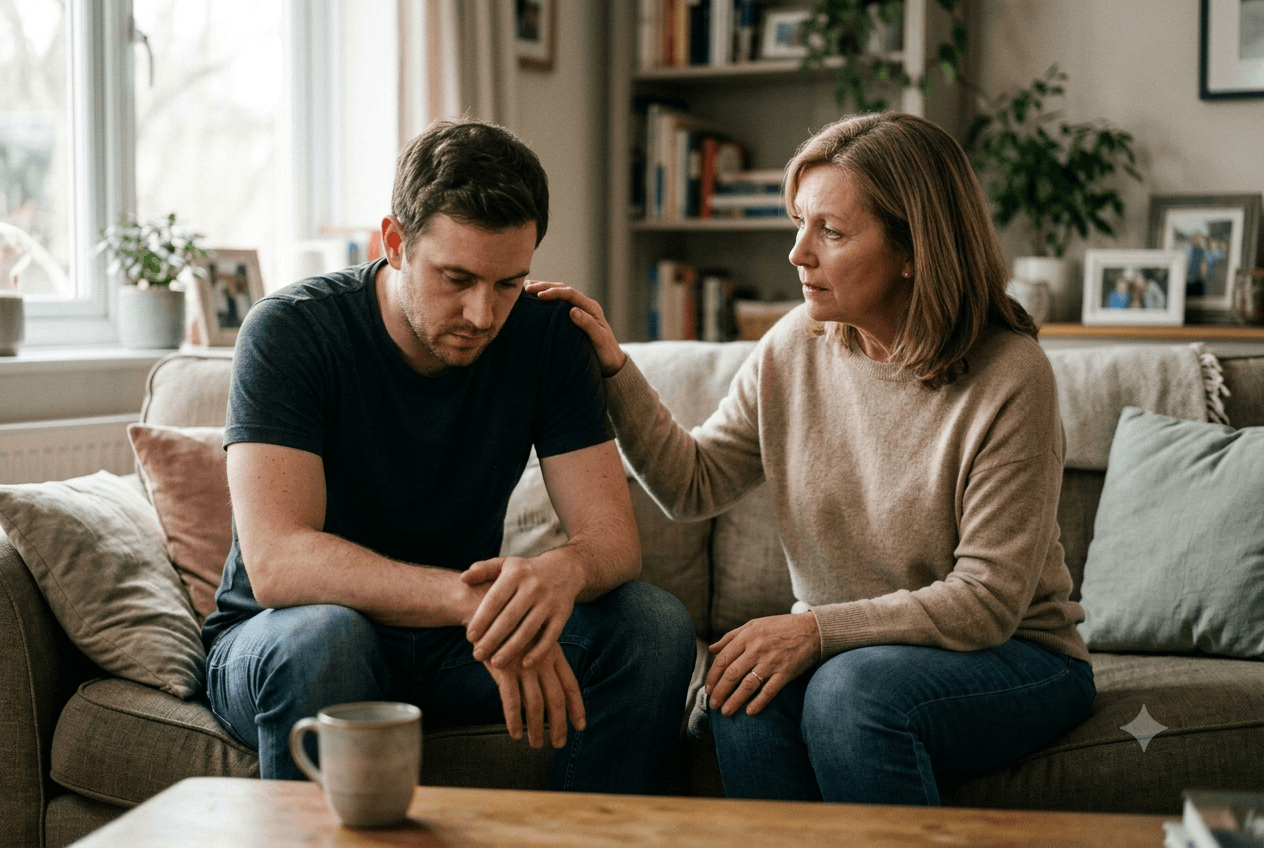
For individuals recovering from addiction or completing a prison sentence, finding the right supportive environment is crucial for effective reintegration into society. Among the options available, sober living homes and halfway houses each offer unique benefits and structures tailored to different needs. This article dives into the distinctions and purposes of these two types of transitional housing, providing clarity for those considering their recovery journey.
Defining Sober Living Homes and Halfway Houses

What are Sober Living Homes?
Sober living homes are group residences tailored for individuals who are either in recovery from drug or alcohol addiction or have completed formal rehabilitation. These homes offer a supportive and drug-free environment where residents commit to abstaining from substances while engaging in outpatient programs or self-help groups. Sober living facilitates the continuation of recovery by providing a community that fosters new habits and routines necessary for a healthy lifestyle.
Residents typically pay their own expenses and enjoy more privacy compared to halfway houses, with arrangements often similar to private residences or smaller living units. Furthermore, there is no maximum duration for stay, allowing individuals to remain as long as they adhere to house rules like attending meetings and maintaining sobriety.
What are Halfway Houses?
Halfway houses serve as transitional living facilities primarily for individuals exiting correctional facilities or inpatient rehabilitation programs. They are frequently court-mandated and offer structured support aimed at reintegrating these individuals back into society. With a focus on accountability, halfway houses typically enforce strict rules such as curfews, mandatory treatment sessions, and drug testing.
These facilities often cater to a broader population that may include those with mental health issues or homelessness, emphasizing skill-building for independence and self-sufficiency while offering a communal living environment, often more institutional than that found in sober living homes.
What is the Difference Between Sober Living Homes and Halfway Houses?
Sober living homes and halfway houses serve different purposes in the recovery and reintegration processes. Sober living homes provide a supportive and flexible environment for individuals who have completed formal addiction or mental health treatment, allowing them to practice life skills and maintain sobriety. Residents in sober living homes typically stay for around 90 days and focus on building healthy routines, employment skills, and a support network.
In contrast, halfway houses are often utilized for individuals transitioning from incarceration and may be court-ordered, offering fewer amenities and focusing more on reintegration into society. While sober living homes emphasize recovery and personal growth, halfway houses primarily assist with the societal reintegration of individuals with a criminal background.
Admission Process and Eligibility Criteria
Criteria for halfway houses and sober living homes
Admission criteria differ significantly between halfway houses and sober living homes. Halfway houses often have stricter requirements. Typically, individuals are required to:
In contrast, sober living homes are more flexible, allowing individuals to:
What factors influence admission to a halfway house?
Admission to a halfway house, also known as a residential reentry center (RRC), is influenced by several factors. These include:
Certain categories, such as sex offenders or individuals requiring extensive medical care, may be deemed ineligible for placement. Ultimately, the Bureau of Prisons (BOP) decides on placements, ideally choosing locations that are proximate to the individual’s home to facilitate smooth reintegration.
Operational Structures and Rules
What are the rules in sober living homes?
Residents in sober living homes must adhere to established guidelines aimed at fostering a supportive and sober environment. These rules typically include:
Residents usually cover their own living expenses, allowing for greater independence and control over their recovery journey.
What are the rules in halfway houses?
Halfway houses impose stricter regulations in comparison to sober living homes, often due to their court-mandated nature. Key rules may involve:
What are the operational differences?
The operational frameworks of sober living homes and halfway houses differ significantly:
These differences highlight how sober living homes tend to provide a more supportive, voluntary space for recovery compared to the structured, mandated environment of halfway houses.
Focus Areas and Offered Services
Services and Focus in Halfway Houses
Halfway houses primarily serve as transitional environments for individuals recently released from incarceration or those exiting treatment facilities. These homes focus on helping residents reintegrate into society while adhering to strict regulations. Services often include:
Services and Focus in Sober Living Homes
In contrast, sober living homes provide a supportive community for individuals recovering from substance use disorders, focusing on a drug-free lifestyle. Their key features include:
Comparison of Treatment and Support Options
While both halfway houses and sober living homes support recovery, they differ significantly in their structure and regulations:
AspectHalfway HousesSober Living HomesAdmission RequirementsMay require court orders or treatmentVoluntary admissionStructureHigh supervision, strict rulesModerate structure, peer-supportedTreatmentMandatory involvement in programsParticipation in optional support groupsResidency DurationTypically time-limitedNo time limit, stay as needed
Both facilities offer crucial support, but the choice between them often depends on individual recovery needs and circumstances.
Target Populations and Resident Dynamics
Populations Targeted by Sober Living Homes and Halfway Houses
Sober living homes primarily cater to individuals recovering from substance addiction. These residents are often those who have completed inpatient treatment or are participating in outpatient programs. They voluntarily seek a supportive community to maintain their sobriety and continue developing healthy lifestyles.
On the other hand, halfway houses focus on a broader demographic. They serve individuals transitioning from incarceration, those who have recently completed rehabilitation, and those who may face challenges like homelessness or mental health issues. Residents in halfway houses may often be court-mandated to stay, which sets them apart from the voluntary nature of sober living environments.
Differences in Demographics and Backgrounds of Residents
The backgrounds of residents differ significantly between sober living homes and halfway houses. Sober living homes tend to attract those specifically seeking to escape substance abuse patterns and commit to lifelong recovery strategies.
Conversely, halfway houses often accommodate a diverse group, including those coming from correctional facilities and various treatment background experiences. As a result, halfway houses may have stricter rules and offer more robust services to aid reintegration into society.
CategorySober Living HomesHalfway HousesTarget PopulationIndividuals recovering from substance addictionIndividuals reintegrating from incarceration or rehabAdmission CriteriaVoluntary participationOften court-mandated or treatment-relatedEnvironmentLess restrictive, more like a community homeMore institutional with stricter oversightRules and RegulationsFocus on sobriety and community involvementStricter regulations, including mandatory programsDemographicsPredominantly recovering addictsBroader range, including ex-convicts and those at risk
Cost and Financial Considerations

Financial responsibilities of residents
Residents in sober living homes typically handle their own living expenses, paying rent out-of-pocket. This financial independence fosters accountability and promotes responsible budgeting skills. In contrast, residents in halfway houses may financially contribute based on their income, often mandated by court requirements.
Funding structures
Halfway houses are frequently government-funded or supported by nonprofit organizations, allowing them to offer services to a broader range of individuals, including those recently released from incarceration. Conversely, sober living homes may operate on a private basis or receive state funding, focusing specifically on individuals in recovery from substance abuse.
Impact on recovery experience
The financial model significantly influences the recovery journey. In sober living homes, residents enjoying more privacy and less strict oversight can focus on building community ties and personal growth at their own pace. Meanwhile, the structured financial obligations and rules found in halfway houses can create additional pressure, which may influence some residents’ experience in maintaining sobriety.
AspectSober Living HomesHalfway HousesLiving ExpensesResidents pay out-of-pocketFees based on incomeFunding SourcePrivate or state connectionsGovernment-funded or nonprofitPrivacy & ComfortHigher privacy, family-style setupOften dormitory-style, communalOverall Recovery FocusIndependent, community-focusedStricter structures, court mandates
Resident Autonomy and Privacy
Levels of autonomy in sober living homes
Sober living homes typically offer residents a greater level of autonomy compared to halfway houses. These homes encourage residents to take charge of their recovery journey, allowing them to manage their daily schedules and commitments more freely. While there are rules in place, such as maintaining sobriety and attending support group meetings, there's generally more flexibility. Residents can come and go within the guidelines set by the home, fostering a sense of independence essential for rebuilding their lives.
Residents often report feeling empowered to shape their routines, which may include pursuing jobs, education, or other personal interests while focusing on recovery. This supportive atmosphere promotes the development of life skills necessary for successful, long-term sobriety.
Privacy conditions in halfway houses
Conversely, halfway houses often impose more stringent conditions on privacy and personal freedom. These facilities cater primarily to individuals transitioning from incarceration or intensive treatment programs, resulting in a more structured and communal living environment. Residents might experience limited privacy due to shared living spaces that resemble dormitories, creating a demand for accountability through regular attendance in rehabilitation programs and adherence to strict schedules.
Moreover, residents in halfway houses may be court-mandated to live there, which can further limit their autonomy. The institutional nature of halfway houses typically necessitates greater supervision and control, ultimately affecting residents' ability to enjoy personal space and independent decision-making as they navigate their recovery journey.
AspectSober Living HomesHalfway HousesAutonomyHigh; residents manage their routinesLow; strict schedules imposedPrivacyShared but more private spacesDorm-like communal arrangementsRulesFocus on sobriety and peer supportStrict rules; court-ordered
Choosing the Right Path for Recovery
Both sober living homes and halfway houses provide critical supports to individuals during delicate transition phases in their lives. Understanding the differences in structure, population, rules, and financial implications is key to selecting the right environment. Ultimately, a sober living home might be preferable for those seeking autonomy and a community-focus, whereas a halfway house could be a practical option for individuals needing structured support as they transition from incarceration or intensive treatment back into society.
References
When mental health challenges and addiction intersect, it can feel isolating. At Arista, we offer compassionate, evidence-based, and trauma-informed care to help you heal, grow, and move forward.
You’re not alone in this.
When mental health challenges and addiction intersect, it can feel isolating. At Arista, we offer compassionate, evidence-based, and trauma-informed care to help you heal, grow, and move forward.
Support that moves with you.
You’ve taken a brave first step. At Arista Recovery, we’re here to help you continue with best-in-class care designed for long-term healing and support.