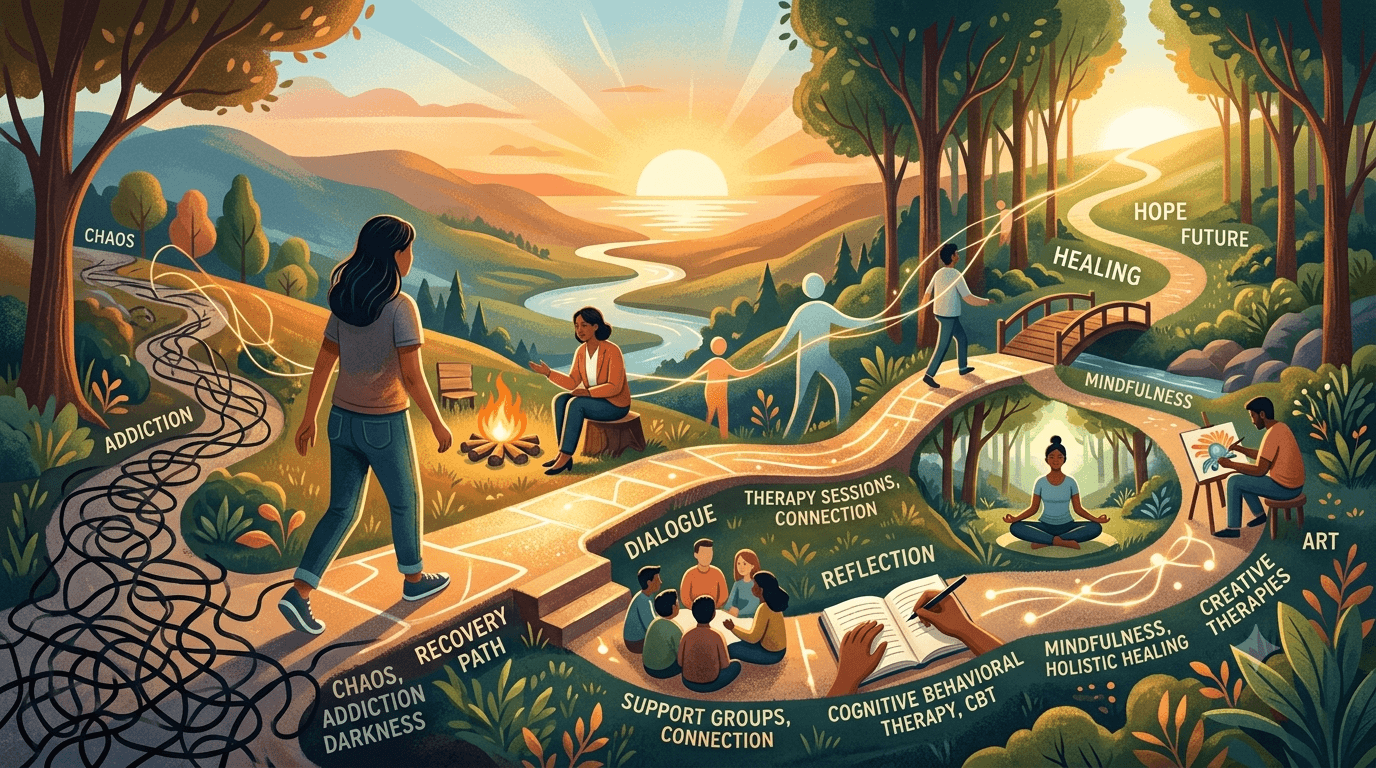
.webp)


Key Takeaways
- Assessment Scoring Guide: If you identify with 3 or more of these factors (multiple previous relapses, unsupportive home environment, co-occurring mental health conditions, need for medical detox), immersive residential care is strongly recommended over outpatient options.
- Top 3 Success Factors: 1) Completing a minimum 90-day stay (linked to significantly lower relapse rates), 2) Engaging in Medication-Assisted Treatment (MAT) for up to 12 months (can yield up to 84% abstinence rates), and 3) Active participation in peer support groups.
- Immediate Next Action: Call our team today to verify your insurance benefits and map out exactly what your first week of stabilization will look like at our Paola campus.
Understanding What Is Residential Addiction Treatment
How Immersive Care Differs From Outpatient
Level of Care Assessment Checklist:
- Do you experience severe physical withdrawal symptoms when you stop using?
- Is your current living environment triggering or unsupportive of recovery?
- Have you tried outpatient programs before without long-term success?
If you are exploring what is residential addiction treatment, the differences between immersive residential care and outpatient programs stand out right away. In a residential setting, you step into a structured environment where support is available around the clock. This means you are removed from daily triggers, such as stressful routines or environments that may have contributed to substance use.
Outpatient care cannot always achieve this level of separation. Residential treatment offers not just a safe place to stabilize physically and emotionally, but also a therapeutic community where peers and professionals are always nearby to encourage your progress.
Daily life in immersive care is intentionally designed. Schedules are structured, meals and sleep are consistent, and therapy sessions are woven throughout the day. Evidence-based approaches like Cognitive Behavioral Therapy (CBT)—a method that helps you change negative thought patterns—and Medication-Assisted Treatment (MAT) are often central. Medical staff are available to manage withdrawal or medication needs as they arise2, 3.
This contrasts with outpatient care, where you return home each night, navigating familiar environments and stresses on your own. Consider this method if you have a highly stable home life and mild symptoms. However, research shows the immersive aspect of residential care can boost early recovery outcomes, especially for those with moderate to severe substance use or co-occurring mental health conditions5.
Who Benefits Most From 24/7 Support
A 24/7 residential addiction treatment setting is often best suited for individuals who need a higher level of structure, safety, and medical oversight than outpatient care can provide. If you are coping with moderate to severe substance use, have experienced multiple relapses, or find it tough to avoid triggers in your daily environment, this immersive approach can offer the stability you need for meaningful progress.
The round-the-clock support helps minimize risks related to withdrawal and relapse. This is especially true if you have a history of opioid use or other substances where detox can be physically dangerous2.
Another group that benefits greatly from residential care includes those with co-occurring mental health conditions, such as depression, anxiety, or PTSD. Research shows that about 76% of men and 65% of women with substance use disorders meet criteria for at least one additional psychiatric diagnosis5. Integrated, 24-hour programs can address both substance use and mental health needs at once, which is linked to better recovery outcomes.
Residential treatment is also ideal if you lack a stable or supportive home environment. When your living situation makes it difficult to stay substance-free, stepping into a therapeutic community can give you a much-needed fresh start. This path makes sense for anyone who wants consistent access to peer support and evidence-based therapies in a secure, nurturing setting.
Time investments typically range from 30 to 90 days, with 90-day stays showing the most significant reduction in relapse rates. Costs can range from $5,000 to $20,000+ per month depending on amenities, but most major insurance providers cover a substantial portion of these expenses. Understanding who thrives in residential care helps clarify your options. Next, let’s explore what happens during your first week, from intake through stabilization.
Your First Week: Intake Through Stabilization
Medical Assessment and Detox Planning
Intake Preparation Checklist:
- Bring your ID, insurance card, and a list of current medications.
- Pack comfortable, weather-appropriate clothing for 7-10 days.
- Leave valuables, electronics (check facility policy), and products containing alcohol at home.
Your journey begins with a thorough medical assessment. During intake, a multidisciplinary team will review your health history, substance use patterns, and any co-occurring conditions. Expect bloodwork, urine screenings, and conversations about your mental, emotional, and physical health. This process helps pinpoint withdrawal risks, identify medical complications, and set a baseline for your treatment goals.
Detox planning comes next, and it is all about comfort and safety. If you are managing opioids, alcohol, or benzodiazepines, medically supervised detox is often recommended to reduce withdrawal dangers and discomfort. Medication-Assisted Treatment (MAT) may be introduced. MAT uses FDA-approved medications like buprenorphine or methadone to stabilize your brain chemistry and ease physical cravings3.
This approach works best when withdrawal could be physically risky, or when past attempts at detox have led to relapse. For those with co-occurring mental health conditions, integrated support from both medical and psychiatric staff ensures every aspect of your wellbeing is addressed5.
This initial stage can last anywhere from 3 to 7 days, depending on your unique needs and response to care. The process is highly individualized—there is no one-size-fits-all timeline, but the goal is always to help you reach physical and emotional stability so you are ready to engage in therapy and group work. If you are feeling nervous, remember: a supportive team is by your side every step of the way.
Building Your Personalized Treatment Plan
Treatment Goal Decision Tree:
- If your primary struggle is physical cravings: Prioritize MAT and medical check-ins.
- If you struggle with emotional regulation: Focus on Dialectical Behavior Therapy (DBT) and mindfulness groups.
- If past trauma is a factor: Integrate trauma-informed therapy and one-on-one counseling.
After stabilization, you will collaborate with your care team to craft a personalized treatment plan. This plan is designed around your strengths, specific challenges, and life goals, and it adapts as you progress. A key feature of this process is the individualized approach, which sets it apart from one-size-fits-all models.
The first step is a collaborative assessment: you will explore your history, triggers, and personal motivations with clinicians, therapists, and sometimes a peer specialist. From there, you will set realistic, measurable goals—that could mean managing cravings, building coping skills, or starting to repair relationships.
Clinical evidence shows that when your plan integrates evidence-based therapies like Cognitive Behavioral Therapy (CBT), Dialectical Behavior Therapy (DBT), and Medication-Assisted Treatment (MAT), the odds of long-term recovery improve dramatically3.
Plans often include a mix of individual counseling, group therapy, and family involvement, as well as experiential therapies tailored to your interests. If you are living with co-occurring mental health conditions, your plan will carefully coordinate psychiatric care alongside addiction treatment5.
Opt for this framework when you need a structured yet flexible roadmap. Your progress is reviewed by the team every week, ensuring that your plan stays relevant, realistic, and motivating. Remember, your treatment plan is more than a checklist—it is your foundation for change, built with your input every step of the way.
Daily Life: What Is Residential Addiction Treatment Like?
Structured Schedules and Therapeutic Activities
| Time of Day | Typical Activity | Purpose |
|---|---|---|
| Morning | Breakfast & Check-in Group | Establish routine and set daily intentions |
| Mid-Day | CBT/DBT Sessions & Lunch | Skill-building and nutritional restoration |
| Afternoon | Experiential Therapy (e.g., Art, Equine) | Holistic healing and emotional processing |
| Evening | Peer Support Group & Lights Out | Community connection and restful sleep |
A typical day is anchored by a structured schedule—a practical tool proven to support early recovery and foster stability. Your mornings often begin with a consistent wake-up time, healthy breakfast, and a check-in group that sets the tone for the day. This routine provides a sense of predictability and safety, which research suggests is especially beneficial in reducing anxiety and supporting emotional regulation during the first weeks of treatment2.
Therapeutic activities are woven throughout each day. Evidence-based therapies like Cognitive Behavioral Therapy (CBT) and Dialectical Behavior Therapy (DBT) are common, delivered in both individual and group formats. Group counseling sessions offer space to share experiences, learn coping strategies, and give and receive peer support—a factor shown to significantly reduce relapse rates4.
You may also encounter experiential therapies such as art therapy, horticultural therapy, or even equine therapy. These are all designed to help you process emotions, build confidence, and reconnect with yourself in new ways3.
Breaks and meals are intentionally scheduled, reinforcing healthy habits and providing opportunities for informal connection with peers. Afternoons might include life skills workshops, relapse prevention planning, or family sessions, emphasizing the importance of holistic healing. Evenings often feature another group meeting or a mindfulness practice to wind down, followed by a set "lights out" time to encourage restful sleep. This strategy suits individuals who thrive on predictability and need a steady rhythm to stay present and engaged in recovery.
The Healing Environment Beyond Therapy Sessions
Recovery is about more than therapy sessions—your surroundings play a powerful role in shaping your journey. The healing environment goes beyond clinical care by intentionally creating a space that feels safe, supportive, and even restorative.
This approach is ideal for those who want to step away from the stress and stigma of hospital settings. Many residential centers, like our 38-acre Paola campus, are designed to feel welcoming and home-like, set in peaceful natural locations or thoughtfully landscaped environments.
Shared common spaces encourage connection and reduce isolation, while quiet areas give you space to reflect, journal, or practice mindfulness. Simple comforts like private or semi-private rooms, cozy lounges, and outdoor gardens help you relax and recharge.
Research shows that a non-institutional environment reduces anxiety, increases motivation, and makes it easier to engage in therapy and group work2. For individuals with a history of trauma, surroundings that prioritize comfort and choice can also help prevent re-traumatization and support emotional safety5.
Peer relationships often deepen during downtime—maybe over a shared meal, a walk outdoors, or a casual conversation in the evening. These bonds, formed outside of formal programming, are a proven factor in reducing the risk of relapse and supporting long-term recovery4.
Evidence-Based Therapies You'll Experience
Once you have made it through the initial medical detox phase at our Paola campus—where medication-assisted treatment helps manage withdrawal symptoms and stabilizes your body—you will begin integrating evidence-based therapies into your daily routine. This typically starts during your first week, and it is where the real work of recovery begins. You are not just getting substances out of your system; you are building entirely new ways of thinking, feeling, and responding to life.
In our immersive, non-hospital setting on the 38-acre Paola campus, therapy becomes part of your natural daily rhythm. Cognitive Behavioral Therapy (CBT) sessions will give you one of your most valuable tools for recovery. You will learn to recognize the thought patterns that led to opioid use and develop practical strategies to interrupt them.
When you are facing a trigger or craving—which will happen, and that is completely normal—you will have specific techniques to work through those moments instead of feeling overwhelmed. This isn't abstract theory; these are actionable skills you can use immediately and carry with you long after you leave.
Dialectical Behavioral Therapy (DBT) complements CBT by teaching you how to manage intense emotions without turning to substances. During your first week, you will start developing skills in four key areas: mindfulness, distress tolerance, emotion regulation, and interpersonal effectiveness. These aren't vague concepts—they are practical tools that help you navigate difficult situations, manage stress, and communicate your needs clearly. Many people find DBT especially helpful because it validates what you are feeling while teaching you healthier ways to respond.
If you have experienced trauma—and many people struggling with opioid use have—trauma therapy addresses those underlying wounds that may have contributed to substance use. Trauma doesn't just disappear on its own, and trying to manage it without support often leads people back to opioids. In our therapeutic environment, you will process these experiences safely, reducing their power over your daily life and your recovery journey.
Group therapy sessions connect you with others who truly understand what you are going through. There is something powerful about sharing your struggles and small victories with people who get it without judgment. You will hear how others handle similar challenges, offer your own insights, and build a support network that extends beyond treatment. These connections often become lifelong friendships that sustain recovery when things get tough.
Beyond traditional talk therapy, our Paola campus offers experiential therapies that engage different parts of your healing process. Equine therapy, horticultural therapy, art therapy, and sand tray therapy give you alternative ways to process emotions and discover insights about yourself. Sometimes what you cannot put into words comes out through creative expression or caring for animals in our natural setting.
Every therapy woven into your first week—and the weeks that follow—has been carefully chosen because research shows it works. You are not experimenting; you are following a path that others have successfully walked before you. These evidence-based approaches, delivered in our supportive environment, give you the best possible chance at building a life you don't need to escape from.
Frequently Asked Questions
How do I choose between different residential programs when they all seem similar?
When residential programs look similar on the surface, focus on what sets each one apart for your specific recovery needs. Look for programs that offer a strong mix of evidence-based therapies, medical supervision (especially if you need medication-assisted treatment), and support for co-occurring mental health conditions—since over 70% of people in treatment have an additional psychiatric diagnosis5. Assess the daily structure: Does it offer a routine that feels supportive rather than restrictive? Consider the environment—some settings feel more like peaceful retreats than hospitals, which can make a difference in comfort and motivation2. Ask about staff credentials, aftercare planning, and opportunities for family involvement. Trust your instincts—choose the program where you feel safe and truly understood.
What's the typical cost range for residential treatment, and will my insurance cover it?
The typical cost range for residential addiction treatment varies widely, depending on the length of stay, level of medical care, and the therapies included. While exact prices can differ by region and amenities, insurance coverage now plays a crucial role in making treatment accessible. Thanks to legislative requirements, most private insurance plans and Medicaid are required to cover substance use disorder treatment, including residential programs—though the extent of coverage and any out-of-pocket costs can vary10. If you’re feeling overwhelmed by the financial details, you’re not alone. Many programs have dedicated staff to help verify your insurance and explain what’s covered before you commit, providing greater transparency and peace of mind.
Can I stay connected with my family and work responsibilities during residential treatment?
Yes, many residential programs recognize how important it is to keep you connected to your family and, when possible, your work responsibilities. Most centers offer regular family phone calls, video chats, or therapeutic family sessions—these help maintain bonds and let loved ones support your progress. When it comes to work, some programs allow scheduled check-ins or flexible arrangements, especially if you’re in a longer-term setting. However, the main focus is on your recovery and safety, so outside communication is often structured to avoid overwhelming you during early treatment. If you need specific accommodations, talk openly with your care team—they’ll help you find a healthy balance8.
What happens after I complete residential treatment—how do I transition back?
Transitioning out of what is residential addiction treatment is a big step, but you don’t have to do it alone. Most programs help you build an aftercare plan, which might include stepping down to partial hospitalization (PHP), intensive outpatient (IOP), or joining a sober living community. These next steps offer continued support and structure while you begin practicing new skills in real-world settings. Regular check-ins with counselors, ongoing therapy, and peer support groups are proven to keep you motivated and connected4. Making this plan before you leave helps reduce the risk of relapse and keeps you moving forward with purpose.
How long should I expect to stay in residential treatment for the best outcomes?
For the best outcomes in what is residential addiction treatment, most research supports a minimum stay of 90 days. Programs lasting at least three months are linked to lower relapse rates and greater long-term success, especially when medication-assisted treatment (MAT) is involved9. In fact, when individuals remain engaged in treatment for 12 months, the opioid abstinence rate can rise to 84%, highlighting just how important duration is to recovery9. Your specific needs might call for a longer or shorter stay—factors like co-occurring mental health conditions, withdrawal severity, and support at home all play a role. Remember, every extra week you invest in healing helps set a stronger foundation for lasting change.
Will I receive medication as part of my treatment, and is that effective?
Yes, receiving medication is often a central part of what is residential addiction treatment, especially if you’re working to overcome opioid or alcohol dependence. This is known as Medication-Assisted Treatment (MAT), and it uses FDA-approved medications—like buprenorphine or methadone—alongside counseling and therapy. MAT is highly effective: research shows that people who participate in MAT for at least a year can achieve opioid abstinence rates as high as 84%, and the risk of overdose or serious complications drops significantly when these medications are part of the plan93. If you’ve struggled with relapse or withdrawal in the past, this approach offers real hope for stability and long-term recovery.
What if I have co-occurring mental health conditions like depression or anxiety?
Having co-occurring mental health conditions like depression or anxiety is very common in what is residential addiction treatment—about 76% of men and 65% of women with substance use issues also have another psychiatric diagnosis5. You deserve care that sees the full picture. In residential settings, your treatment plan will integrate both addiction recovery and mental health support, often with therapy, medication management, and regular check-ins from psychiatric professionals. This approach helps you feel understood, not judged, and supports your healing on all fronts. Don’t hesitate to share your mental health symptoms openly—every piece of your experience matters, and your care team is ready to help you manage both challenges together.
Conclusion
Your journey through opioid recovery deserves a treatment experience that honors both the challenges you are facing and the strength you are showing by seeking help. Throughout your first week—from your first morning waking up in a safe space to your evening group sessions, from structured meals that restore your body to quiet moments on our 38-acre Paola campus—you will discover that healing happens through a combination of medical support, evidence-based therapy, daily routine, and compassionate care that meets you exactly where you are.
The path forward isn't about perfection—it is about progress. Each therapy session, each meal shared with peers, each moment of rest in our non-clinical, home-like environment builds the foundation for lasting recovery. You will learn skills that work, connect with people who understand, and begin to see yourself not through the lens of your struggles, but through the possibility of who you are becoming.
Our Paola campus creates an immersive healing environment that feels nothing like a hospital—because recovery happens best when you feel at home, not institutionalized.
If you are ready to take that first step, we are here to walk alongside you. Call and we'll walk you through what your first week would actually look like. No pressure, no judgment, just honest conversation about how we can support your recovery journey. You don't have to figure this out alone.
References
- SAMHSA National Helpline for Mental Health, Drug, Alcohol Issues - SAMHSA. https://www.samhsa.gov/find-help/national-helpline
- Clinical Guidelines for Withdrawal Management and Treatment - NCBI Bookshelf. https://www.ncbi.nlm.nih.gov/books/NBK310652/
- Medication-Assisted Treatment for Opioid Use Disorder - PMC/NIH. https://www.ncbi.nlm.nih.gov/pmc/articles/PMC6521595/
- Benefits of peer support groups in the treatment of addiction - PMC. https://www.ncbi.nlm.nih.gov/pmc/articles/PMC3057874/
- Finding Help for Co-Occurring Substance Use and Mental Disorders - NIMH. https://www.nimh.nih.gov/health/topics/substance-use-and-mental-health
- NCDAS: Substance Abuse and Addiction Statistics - Drug Abuse Statistics. https://drugabusestatistics.org/
- How prevalent is recovery from opioid use disorder - Recovery Answers.
- Family Involvement in Treatment and Recovery for Substance Use - PMC. https://www.ncbi.nlm.nih.gov/pmc/articles/PMC7324540/
- Trends in abstinence and retention associated with implementing a MAT program - PMC. https://www.ncbi.nlm.nih.gov/pmc/articles/PMC6103411/
- Barriers and Facilitators to Substance Use Disorder Treatment - PMC. https://www.ncbi.nlm.nih.gov/pmc/articles/PMC6683250/
- Use SAMHSA's National Helpline Research Database. https://www.samhsa.gov
- Consult NIDA Research Reports. https://nida.nih.gov
- Review ASAM Guidelines.